
Premium grade Sodium Hyaluronate solutions and Hyaluronic Acid powders engineered for clinical, dermatological, and biomedical applications.
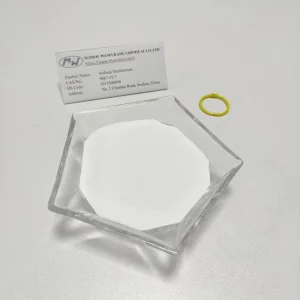
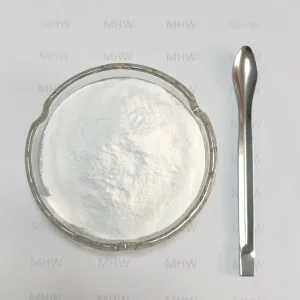
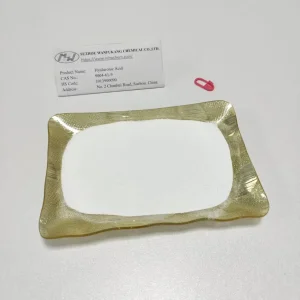
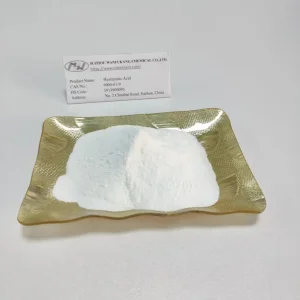
The convergence of keratolytic agents and biopolymer humectants in high-performance cosmetic and clinical therapies.
Within the global skincare, clinical dermatology, and aesthetic medicine industries, the dual formulation of Salicylic Acid (BHA) and Hyaluronic Acid (HA) represents a milestone in biocompatible efficacy. Historically, aggressive chemical exfoliation compromised the epidermal lipid barrier, leading to transepidermal water loss (TEWL) and secondary inflammatory cascades. By pairing the lipophilic, desmosome-dissolving mechanism of Salicylic Acid with the osmotic-binding power of Hyaluronic Acid, manufacturers can synthesize formulations that deeply exfoliate follicular walls without disrupting the skin's moisture balance.
Globally, the commercial demand for these paired active compounds has shifted from standard OTC cosmetics to specialized medical-grade and clinical-dermatology supplies. The pharmaceutical industry requires rigorous raw material purity, specific molecular weight limits, and highly consistent particle distribution profiles to support these targeted therapeutic delivery systems.
Industrial Insight: Salicylic Acid penetrates the sebum-rich pore walls to dissolve keratin plugs, while Hyaluronic Acid molecules act as a secondary hydration grid. This combination stabilizes the cellular environment, minimizing erythema and maximizing cellular recovery.



A projection of molecular engineering, green biotechnology, and advanced transdermal carrier systems over the next decade.
Deploying targeted enzymatic cleavage to cultivate ultra-low molecular weight hyaluronic acid fractions (3 kDa to 10 kDa) that penetrate the dermal layer to stimulate CD44 cell receptors and trigger native collagen synthesis.
Developing supramolecular hydrogels and liposomal lipid spheres that encapsulate Salicylic Acid, allowing for a sustained, time-released dissolution inside the hair follicle while reducing surface irritation and skin dehydration.
Upgrading Strep. zooepidemicus and Bacillus subtilis fermentation pipelines to rely entirely on plant-derived nitrogen sources, achieving 100% non-animal derived, vegan-certified sodium hyaluronate with minimal environmental footprint.
Launch of self-assembling molecular grids that bundle BHA molecules inside a cross-linked sodium hyaluronate network, maintaining high exfoliation performance without damaging the epidermal barrier.
Adoption of precise bio-enzymatic reactors to produce highly consistent HA chain distributions. This reduces impurities and guarantees standard viscosity ranges for medical injections and ophthalmic eye drops.
Integrating real-time machine learning controls with optical sensors in fermentation tanks to optimize yield, temperature, and purification steps, virtually eliminating batch-to-batch molecular variation.
Analyzing the scale, speed, and quality advantages that make Chinese chemical manufacturing the global standard for industrial biomaterials.
As the chemical processing sector shifts toward higher environmental compliance and automation, Chinese manufacturers like Suzhou Wanfukang Chemical Co., Ltd. lead the market by integrating raw material sourcing, automated fermentation, and global logistics networks. This structural integration keeps supply lines steady even through shifting market conditions and regulatory changes.
By managing the production of both sodium hyaluronate and auxiliary active materials, Chinese factories reduce intermediate raw material costs. This allows them to offer competitive pricing on premium grades, including injection and ophthalmic-grade materials.
Advanced computer-controlled fermentation systems handle raw material input, oxygenation, and purification steps. This level of automation keeps contamination rates near zero, yielding highly consistent batches that meet international standards.
Located in active chemical export zones with close links to key shipping hubs, Wanfukang provides reliable global delivery, handles custom clearances smoothly, and maintains buffer stocks for contract partners.
Tailored ingredient behaviors, formulation strategies, and localized chemical requirements across regional markets.
In hot and humid regions, heavy oily formulations can clog pores and worsen acne. Brands in these areas rely on light, oil-free aqueous solutions containing 1% or 2% Salicylic Acid combined with low molecular weight Hyaluronic Acid (7–10 kDa). This combination provides deep, non-greasy hydration and gentle exfoliation, keeping pores clear without leaving a sticky residue.
In colder, drier climates, preventing trans-epidermal water loss (TEWL) is the priority. Formulators couple Salicylic Acid with high molecular weight Hyaluronic Acid (above 1.5 MDa). This large polymer forms an invisible, breathable moisture-retaining layer on the skin, sealing in water and protecting the skin barrier from the drying effects of wind and indoor heating.
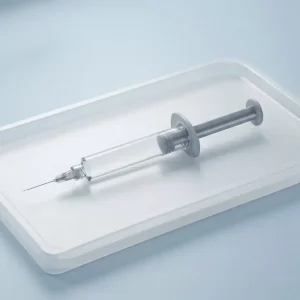
For injectable fillers and clinical skin boosters, chemical stability is key. Using non-animal derived, cross-linked Hyaluronic Acid ensures the gel resists enzymatic breakdown in the body. This provides stable volume correction while ensuring biocompatibility, minimizing side effects, and delivering natural-looking results.
Navigating the complex regulatory requirements of international cosmetic, food, and pharmaceutical standards.
Working in the global active pharmaceutical ingredients (API) and cosmetic materials markets requires strict adherence to international safety and quality standards. Suzhou Wanfukang Chemical Co., Ltd. maintains a comprehensive compliance framework, ensuring our products meet the technical specifications needed for entry into highly regulated markets like the EU, North America, and Japan.
Our pharmaceutical-grade sodium hyaluronate undergoes strict testing for heavy metals, nucleic acids, protein residues, and bacterial endotoxins, making it safe for use in eye drops, joint injections, and dermal fillers.
Production takes place in ISO Class 5 and Class 7 cleanrooms under strict Good Manufacturing Practices (GMP) controls. Every batch comes with complete COA (Certificate of Analysis) and MSDS documentation, ensuring batch-to-batch consistency.
We offer non-animal sourced, vegan-compliant sodium hyaluronate that aligns with modern "clean beauty" and cruelty-free industry requirements, making it easy for brands to obtain COSMOS or ECOCERT certifications.
Explore our selection of cosmetic, functional food, and injection-grade active raw materials manufactured for global export.
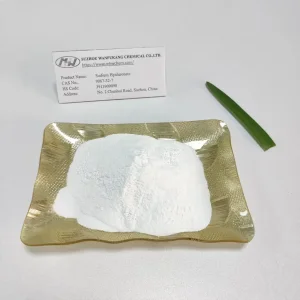
Stay informed with current market analyses, distribution developments, and cosmetic formulation innovations from our global team.
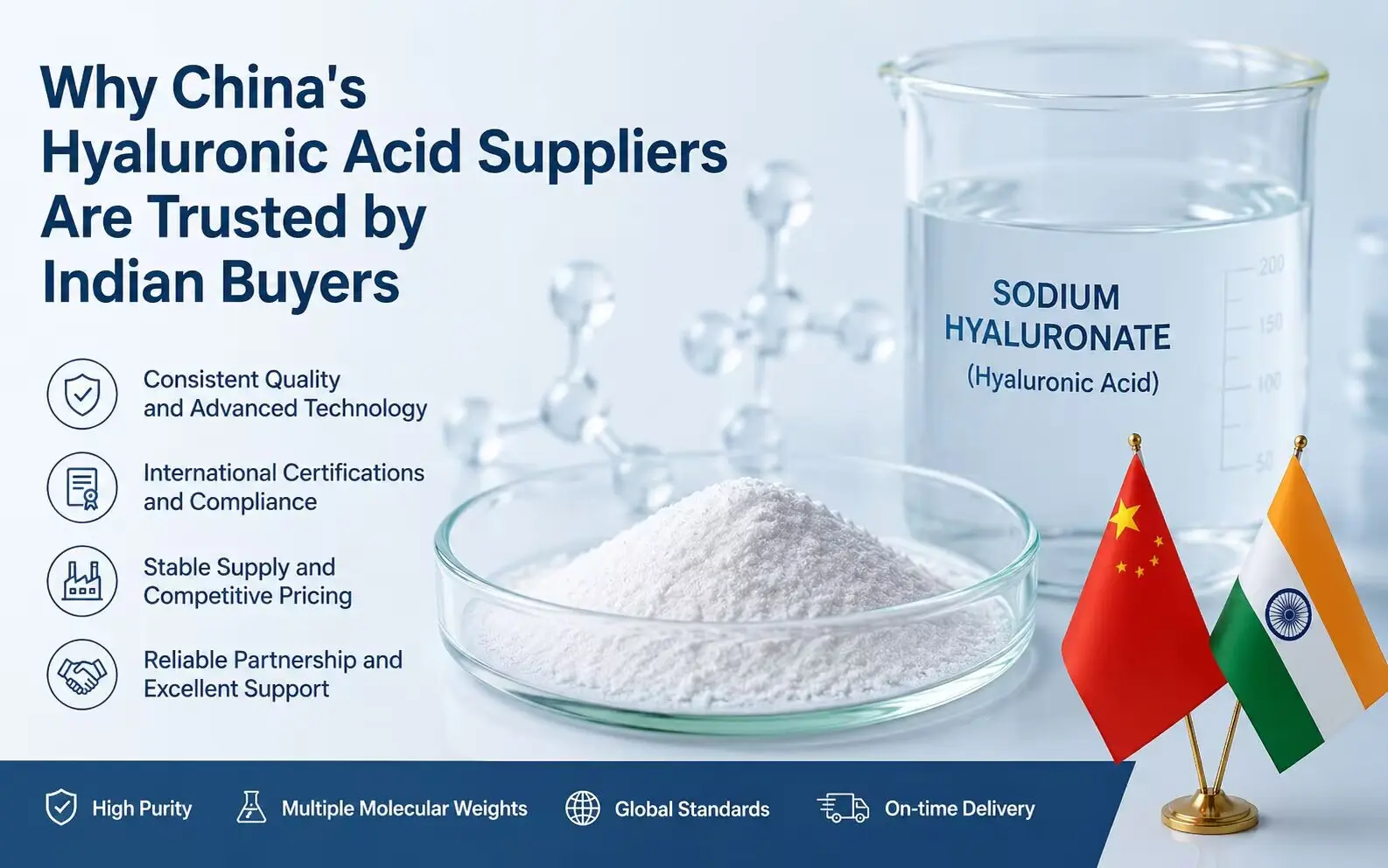
In recent years, with the rapid development of India's cosmetics, pharmaceutical, and food and health product industries, the market demand for hyaluronic acid (HA) and sodium hyaluronate has continued to grow. Against this backdrop, more and more Indian buyers are turning their attention to Chinese suppliers. So, why have Chinese hyaluronic acid suppliers won the long-term trust of Indian buyers?
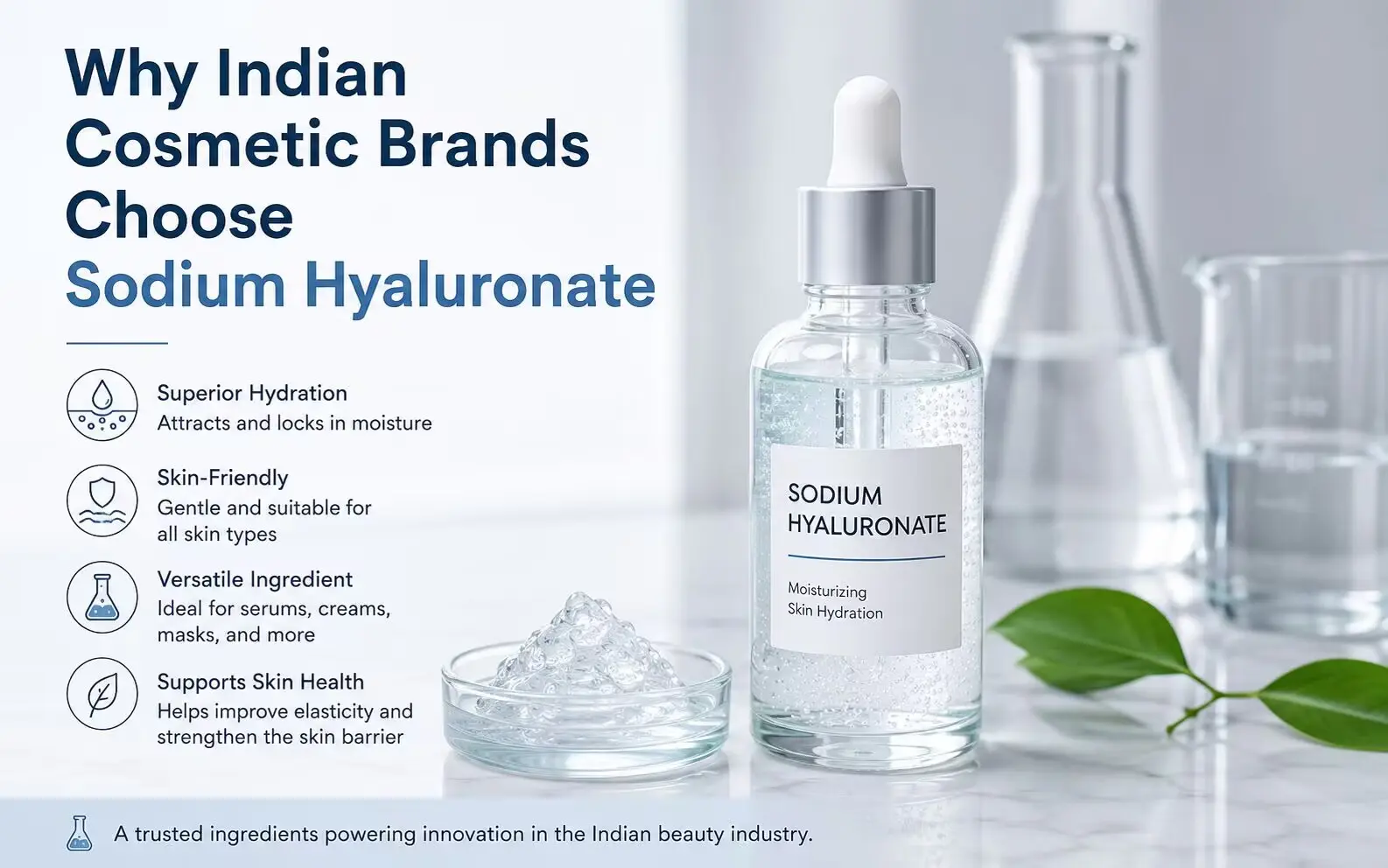
In recent years, with the continued growth of the Indian beauty and personal care market, consumers' demand for highly effective and safe skincare products has been constantly increasing. As a widely used moisturizing ingredient in the international market, sodium hyaluronate is becoming an important choice for more and more Indian cosmetic brands, and is widely used in serums, creams, masks, sunscreens, and makeup.
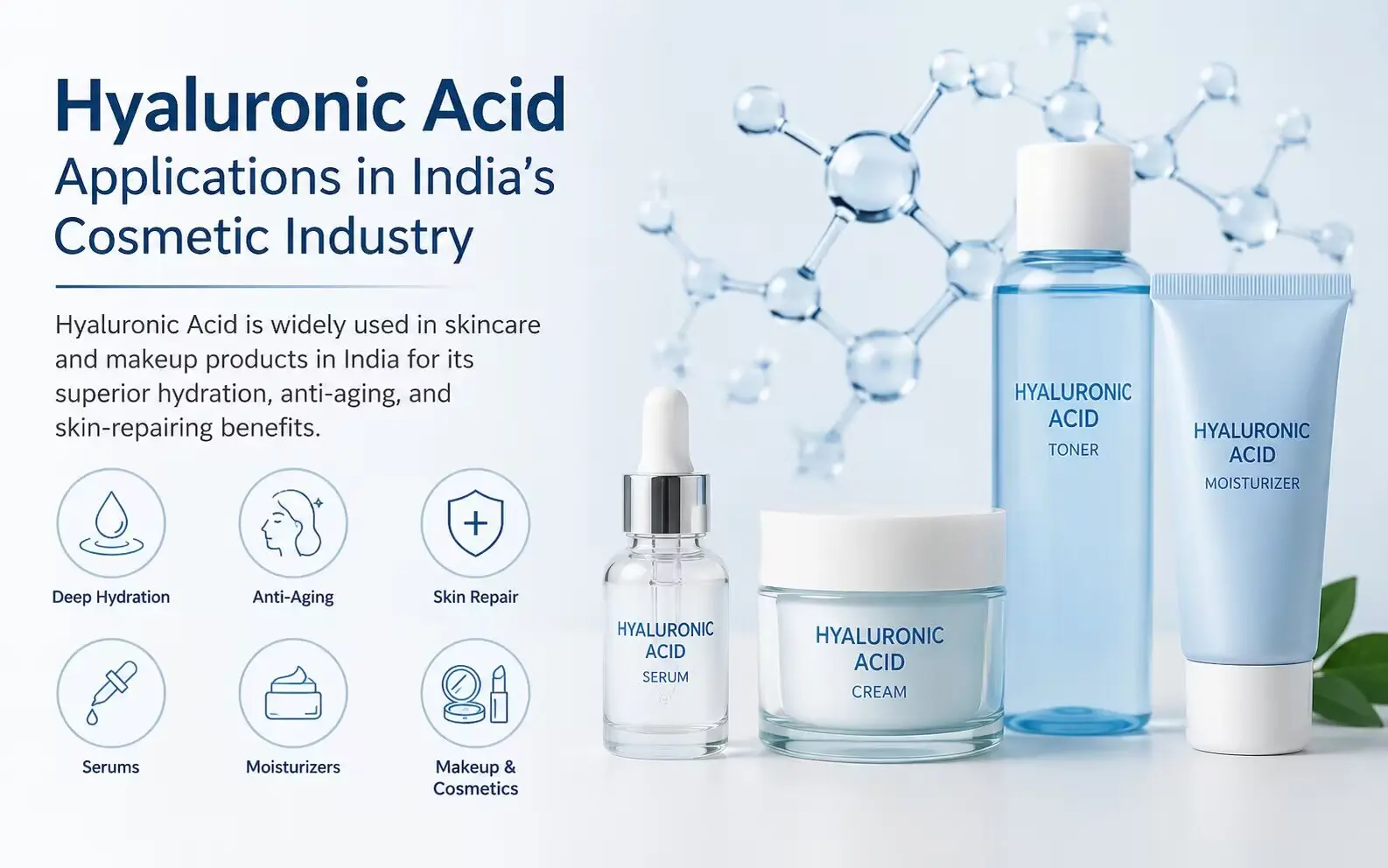
With the continued expansion of the Indian cosmetics market and the growing consumer demand for high-quality skincare products, hyaluronic acid (HA) is gradually becoming one of the most watched functional ingredients in the Indian cosmetics industry.
Expert answers addressing the chemistry, stability, and formulation logistics of our premium active ingredients.
Salicylic Acid is oil-soluble, allowing it to penetrate deep into hair follicles to clear sebum and dead skin cells. However, this exfoliation can temporarily dry out the skin. Adding Hyaluronic Acid draws moisture back into the treated areas, soothing the skin barrier and preventing the dryness or irritation often caused by chemical peels.
Molecular weight determines how the molecule interacts with the skin. High molecular weight HA (above 1.5 MDa) stays on the skin surface to create a moisture-retaining barrier. Low molecular weight HA (100 kDa or below) penetrates the skin layer more easily, delivering deeper hydration and supporting cellular recovery.
We use bacterial fermentation methods (utilizing specialized bacterial strains fed on plant-based substrates) rather than traditional animal-derived sources like rooster combs. This guarantees a highly pure, vegan-compliant product that carries zero risk of animal-borne pathogen contamination.
Every shipment includes a detailed Certificate of Analysis (COA) containing molecular weight data, assay percentages, heavy metal analysis, and microbiological metrics. We also supply safety data sheets (SDS) and relevant compliance documentation for international import and customs clearance.