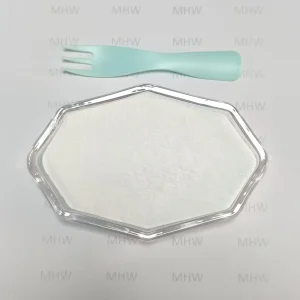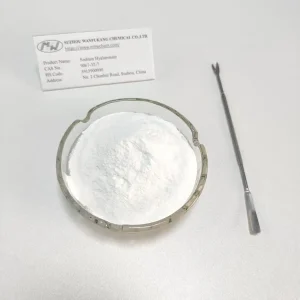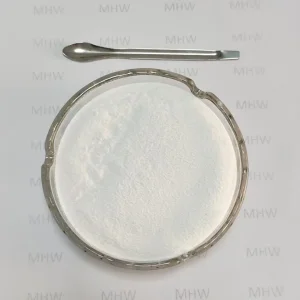
Select premium formulations and grades of Sodium Hyaluronate tailored for medical-grade cosmetic, clinical food additive, and ophthalmic formulations.
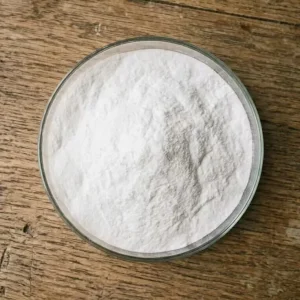
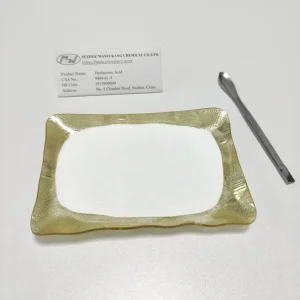
Mapping the macro trends and market dynamics driving B2B hyaluronic acid consumption worldwide.
The global biopolymer marketplace has decisively shifted from animal-derived extraction (e.g., rooster combs) to precision microbial fermentation. By utilizing non-pathogenic bacterial strains, such as Streptococcus equi subsp. zooepidemicus, leading global manufacturers synthesize highly homogeneous, non-animal derived Sodium Hyaluronate. This biotechnological pathway eliminates pathogen transmission risks, achieves extremely low immunogenicity, and caters perfectly to the surging consumer demand for vegan, cruelty-free, and organic-labeled products.
Global B2B procurement is no longer driven by a generic "Hyaluronic Acid" search. The market demands strict molecular categorization. High Molecular Weight (HMW) polymers (1.5M - 2.0M Da) serve as unmatched surface humectants, filming agents, and viscoelastic lubricants. In contrast, Low Molecular Weight (LMW) and Oligo-HA (<10,000 Da) permeate transdermally, promoting inner cellular matrix hydration and collagen synthesis signaling. Specialized applications, including joint health supplements and ophthalmic therapeutics, dictate distinct bio-performance criteria.
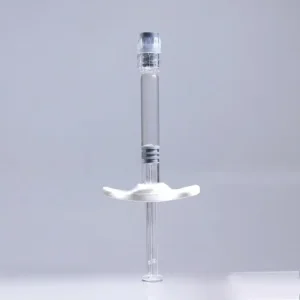
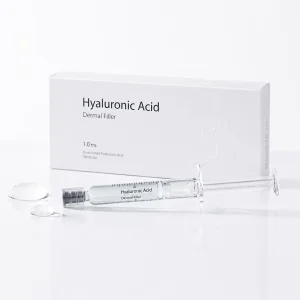
Cross-linking technology (using BDDE or DVS agents) turns linear HA chains into resilient 3D hydrogel matrices, forming the foundation of modern injectable dermal fillers.
Ultra-sterile, low-endotoxin HA powder acts as a mechanical buffer, cell protector, and long-lasting lubricant in surgical suites and dry-eye drops.
Edible sodium hyaluronate is rapidly absorbed in the GI tract, accumulating in joints and cutaneous tissue to soothe inflammation and lock in internal hydration.
Deciphering the enzymatic pathways, purification controls, and cross-linking methodologies.
Employing glucose and peptone as carbon/nitrogen food sources under controlled aerobic fermentation. Real-time parameter mapping of dissolved oxygen, pH, temperature, and agitation speed determines the target chain elongation of the polymer backbone.
Multi-stage microfiltration and ultrafiltration separate the bacterial biomass. Advanced enzymatic treatment and alcohol precipitation protocols are deployed to remove DNA residues, protein structures, and lipopolysaccharide endotoxins below 0.05 EU/mg for injection grades.
Utilizing chemical modifications to expand functional limits. For example, Acetylated Sodium Hyaluronate (CAS No. 158254-23-0) undergoes partial substitution of hydroxyl groups with acetyl units. This creates a lipophilic and hydrophilic hybrid polymer with superior skin affinity.
Dry powder preparation under aseptic conditions, coupled with precise moisture monitoring, yields stable, pure granules. Viscosity profile tests guarantee that target molecular weights (from 3 kDa up to 2.2M Da) deliver reliable, batch-to-batch flow control.
Suzhou Wanfukang Chemical Co., Ltd. has established a highly robust manufacturing ecosystem optimized for consistency, speed, and massive global scale. Leveraging advanced domestic raw materials and direct transport routes, our supply chain mitigates geo-economic instability, providing raw materials to cosmetic houses, healthcare supplement distributors, and medical brands globally.
Our industrial scale is designed to absorb demand spikes without compromising grade purity or delivery timelines. With dedicated cleanrooms conforming to ISO standards, Wanfukang manages bulk synthesis from raw substrate processing down to sterile packaging, delivering a seamless path from laboratory formulation to high-volume commercialization.
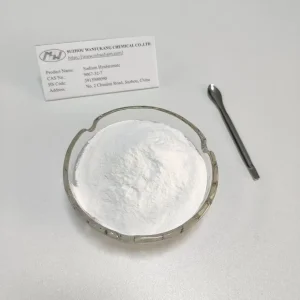
Wanfukang specializes in the development, quality assurance, and global export of high-grade cosmetic and food ingredients. We provide every tier of Sodium Hyaluronate, including food grade, cosmetic grade, and pharmaceutical grade. Our products are widely applied in professional skincare formulations, joint health supplements, and medical devices.
Adapting raw material attributes to meet regional clinical, dietary, and aesthetic requirements.
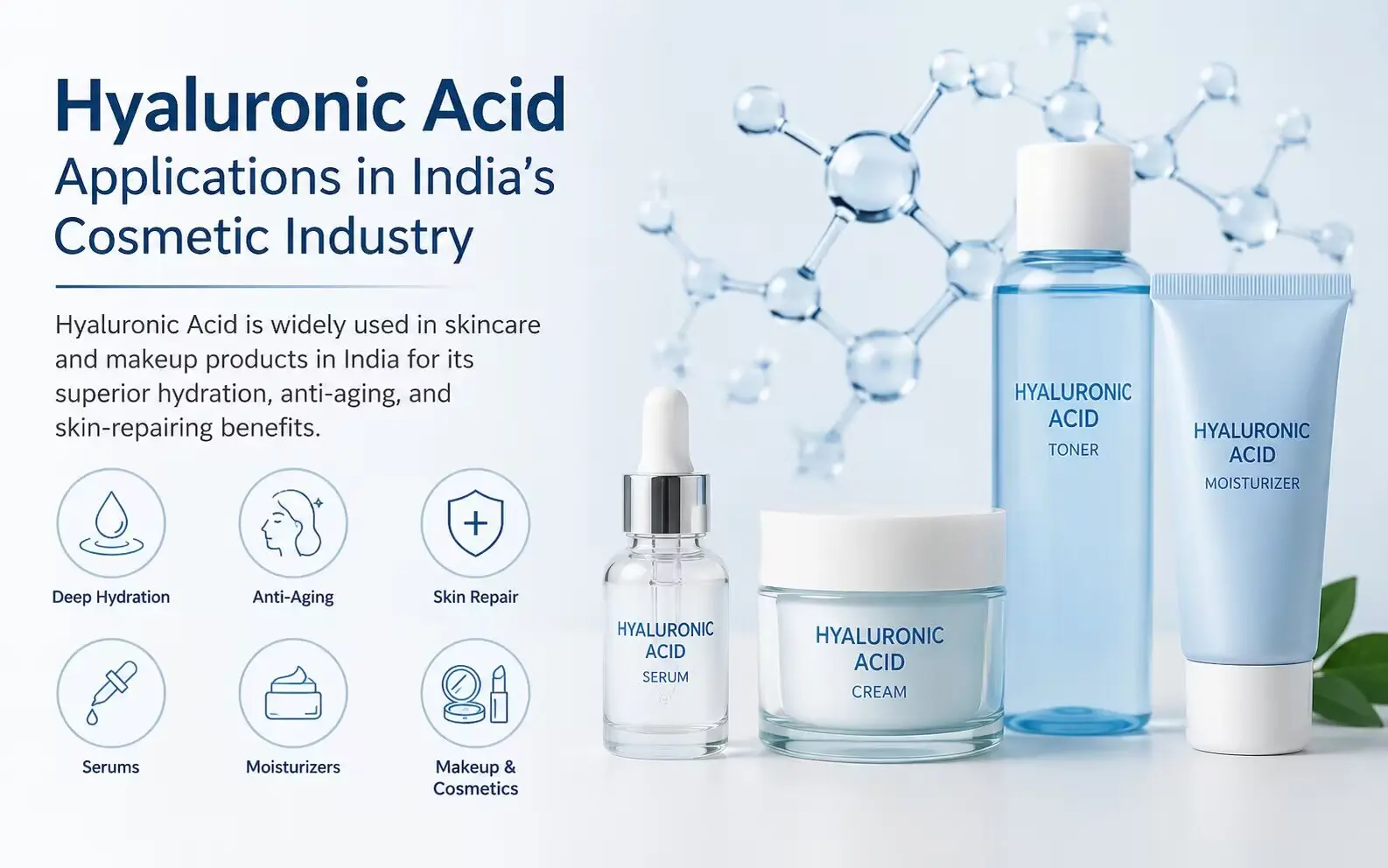
With the expansion of the Indian cosmetics market, personal care brands face hot, humid climates and pollution challenges. Formulating with a mix of High Molecular Weight HA (for immediate protective barrier matrix formation) and ultra-low molecular weight Acetylated HA yields products that offer lightweight, non-greasy, deep hydration. This formulation style is ideal for serum-based, oil-free moisturizers and daily sunscreens popular in humid Asian regions.
In North American and European markets, consumers demand preventive joint-health solutions. B2B food brands incorporate high-purity, edible food-grade Sodium Hyaluronate (CAS No. 9067-32-7) into gummy matrices, capsule supplements, and soft-gels. Often paired with Chondroitin Sulfate, this oral formulation supports synovial fluid viscosity and reduces joint friction.
Developed for dry-eye formulations, non-animal derived, ultra-pure eye drop grade HA acts as a protective shield for corneal epithelial cells. It delivers stable shear-thinning behavior, offering soothing lubrication with blinking and long residence times on the ocular surface. This helps minimize the need for frequent dose applications.
Navigating global customs and regional regulatory frameworks requires thorough documentation. Wanfukang provides comprehensive compliance files to simplify your product validation processes:
From major cosmetic houses in India and East Asia to health supplement manufacturers in Europe, B2B buyers trust Wanfukang's technical expertise and reliable raw materials. We understand that matching molecular traits to target applications is critical. High molecular weight polymers protect and lock in moisture on the skin's surface, while smaller, acetylated molecules provide deeper penetration. By offering consistent particle sizes, clean microbial profiles, and tailored solutions, we help brands create successful formulations for diverse global markets.
Explore our diverse raw materials, featuring functional actives, customized molecules, and core cosmetic bases.
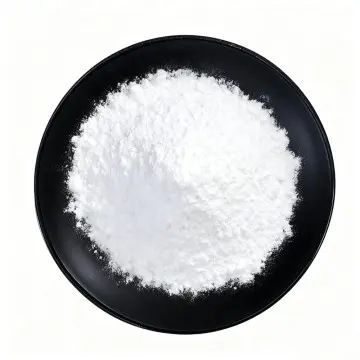
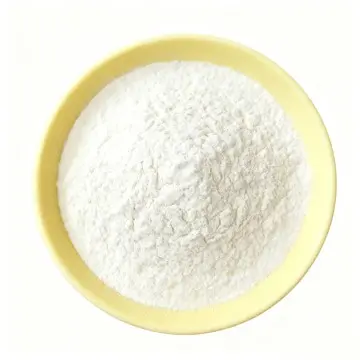
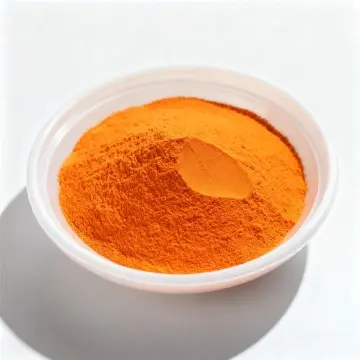
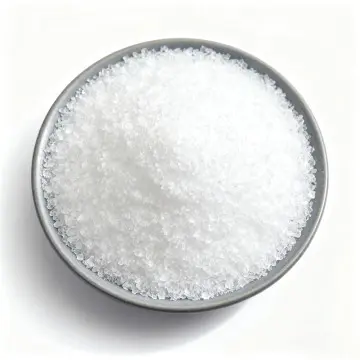
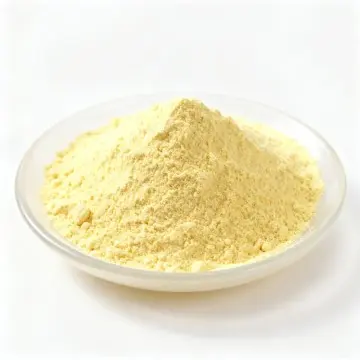
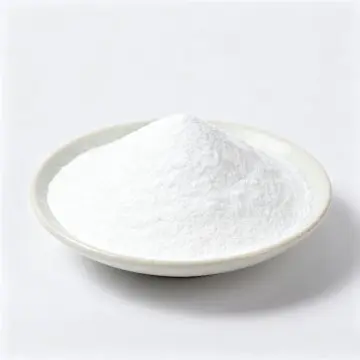
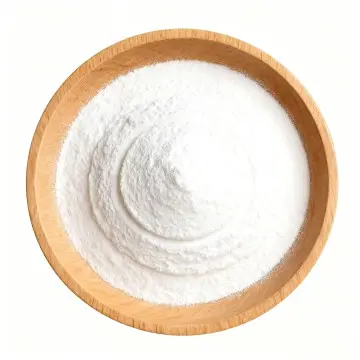
Exploring supply chain shifts, formulation practices, and regional preferences across global cosmetic markets.
Technical answers to key product selection, formulation, and supply chain questions.



Select high-purity raw materials designed for targeted clinical, pharmaceutical, and high-performance topical formulations.