
Premium grade actives optimized for Mediterranean cosmetic labs, specializing in hydration recovery, pigmentation therapy, and anti-aging.
Greece possesses a uniquely vibrant and globally respected cosmetics sector. Driven by a deep-rooted historical heritage of natural wellness combined with cutting-edge dermatology, the Greek beauty market has shifted dramatically towards high-efficacy dermocosmetics. Key formulation hubs in Athens, Thessaloniki, and Patras are actively scaling up production to meet the demand for clean beauty products, suncare treatments, and barrier-restoring dermatological creams.
In the Mediterranean basin, the prevalence of high ultraviolet radiation index levels and arid seasonal winds demands specific chemical properties from cosmetic ingredients. Greek brands require highly stable active ingredients—particularly humectants capable of resisting high environmental temperatures and trans-epidermal water loss (TEWL). As a result, the consumption of advanced biomaterials like Sodium Hyaluronate, Niacinamide, and Arbutin has surged by 18.4% year-on-year.
Furthermore, the European cosmetic safety regulation frameworks, supervised locally by the EOF (National Organization for Medicines, Greece), dictate that all raw materials must conform strictly to Annexes of the EC Regulation No 1223/2009. This regulatory context demands that factories exporting to Greece maintain rigorous GMP (Good Manufacturing Practices) certifications, batch traceability, and non-animal testing dossiers.

Providing direct, factory-to-laboratory raw material pipelines from our manufacturing bases to Athens and Piraeus port hubs.
Greek cosmetic companies are famous for blending native botanicals (such as mastic, olive leaf extract, and volcanic minerals) with clinical-grade chemical compounds. Modern skincare consumers demand visible results, meaning that natural extracts alone are no longer sufficient. Formulators must infuse their natural bases with highly bio-active raw materials to guarantee anti-aging, hyperpigmentation correction, and continuous cell hydration.
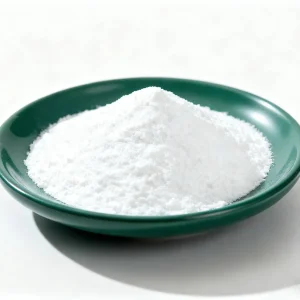
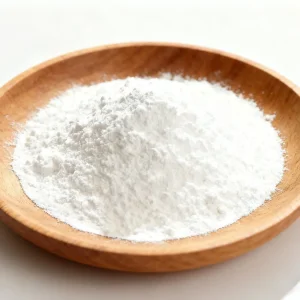
Our company, Suzhou Wanfukang Chemical Co., Ltd. (WFK), serves as the strategic partner for these leading brands. By providing high-purity, bio-fermented hyaluronic acid across all spectrums of molecular weights, we enable Greek manufacturers to formulate complex multi-depth hydration serums. Our direct-factory export model ensures that batch-to-batch quality remains consistent, with comprehensive technical documentation such as COA, MSDS, and HPLC assay reports provided for every shipment.
Our logistics network is optimized for the Piraeus seaport, bypassing intermediaries to provide Greek cosmetic factories with highly competitive pricing and stable supply guarantees. This minimizes inventory holding costs while shielding local manufacturers from raw material price volatility.

Ensuring that every batch meets the strict cosmetic safety standards of the European Union.
To successfully market cosmetics in Greece and throughout the broader EU, brands must upload complete product information to the Cosmetic Products Notification Portal (CPNP). This portal requires a detailed safety assessment of every chemical ingredient. The raw materials provided by Suzhou Wanfukang Chemical Co., Ltd. undergo multi-phase purification processes to ensure they are free from harmful residues.
| Ingredient Category | Purity Specifications | Key Compliance Parameters | Typical Application |
|---|---|---|---|
| Hyaluronic Acid / Sodium Hyaluronate | Assay ≥ 98.0% | Non-animal origin, heavy metals ≤ 10ppm, microbial count ≤ 100cfu/g | Aesthetic mesotherapy, intense hydration serums, anti-wrinkle creams |
| Niacinamide (Vitamin B3) | Assay ≥ 99.0% | Low nicotinic acid residue (≤ 200ppm) to prevent skin flushing | Skin barrier repair, hyperpigmentation reduction, sebum regulation |
| Alpha-Arbutin / Beta-Arbutin | Assay ≥ 99.5% | Hydroquinone residue ≤ 10ppm, stable under light and heat | Brightening creams, solar lentigo spot correctors |
| Coenzyme Q10 | Assay ≥ 98.0% | USP grade, highly stable yellow crystalline powder | Cellular energy renewal, oxidative stress protection |

Modern cosmetic science has moved past standard formulations. Today, leading skin researchers in Greece emphasize depth-targeted dermocosmetics. To design an effective hydration product, laboratories use a blend of multiple molecular weights of Hyaluronic Acid, creating a dynamic barrier and penetrative hydration matrix.
High Molecular Weight (HMW) Hyaluronic Acid (1.0 to 1.8 MDa): Forms an invisible, breathable protective film on the surface of the stratum corneum. It limits water loss due to dry weather and shields the skin from particulate environmental pollution.
Medium Molecular Weight (MMW) Hyaluronic Acid (200 kDa to 800 kDa): Penetrates the shallow epidermal junctions, strengthening the tight-junction proteins and promoting intercellular moisture balance.
Ultra-Low Molecular Weight (ULMW) Hyaluronic Acid (3 kDa to 10 kDa): Capable of passing deep into the epidermis to trigger the skin's natural production of collagen and hyaluronic acid, aiding long-term anti-aging recovery.
Direct supply options for Greek cosmetic factories, clinics, and manufacturing brands seeking high-potency ingredients.
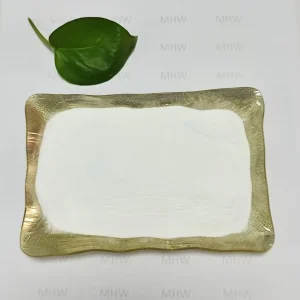
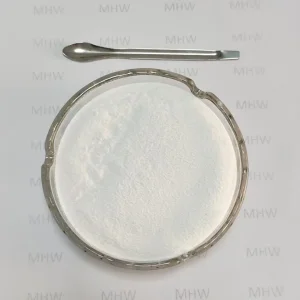
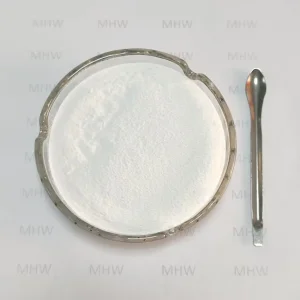
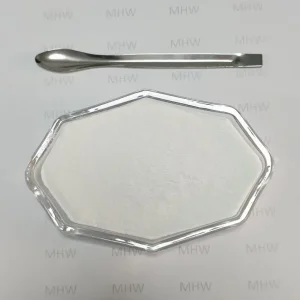
How Greek formulation engineers are restructuring active ingredient lists for next-generation consumer demand.
In the competitive European landscape, cosmetics manufactured in Greece have carved out a reputation for premium quality, safety, and Mediterranean identity. However, as consumers demand science-based results, the reliance on raw base ingredients has transitioned to clinical-grade, highly pure active ingredients. The development of cosmetic formulations is guided by three core design trends:
Sustainability concerns and chemical restrictions have made traditional extraction methods obsolete. Today's cosmetic factories in Greece prioritize microbial fermentation. By using non-pathogenic strains of Streptococcus zooepidemicus on botanical substrates, manufacturers produce hyaluronic acid with minimal risk of protein contamination. This ensures high compatibility and safety for sensitive skin, aligning with clean-label requirements.
Due to Greece's sunny climate, sun damage, photo-aging, and melasma are key areas of concern for local brands. Formulators are designing systems that combine tyrosinase inhibitors like Arbutin with cellular protectants like Niacinamide. This combination prevents melanin transfer to keratinocytes while strengthening the skin barrier, offering comprehensive protection against UV damage.
In line with the European Green Deal, Greek cosmetics manufacturers are auditing their entire ingredient supply chains. Every chemical compound must be fully biodegradable and non-toxic to marine ecosystems. Clean manufacturing methods, free from organic solvent residues and heavy metal contaminants, have transitioned from a marketing preference to a standard industry requirement.
Key information regarding supply logistics, compliance, and custom manufacturing parameters for the Greece cosmetic sector.
Reach out to our technical team today to request samples, high-purity batch analyses, or custom molecular weight configurations.
Send Inquiry Now