1 / 1

| Model Number | HA-C-2025001 |
| INCI Name | Hyaluronic Acid |
| Chemical Formula | (C14H21NO11)n |
| Chemical Structure |

|
| CAS No. | 9004-61-9 |
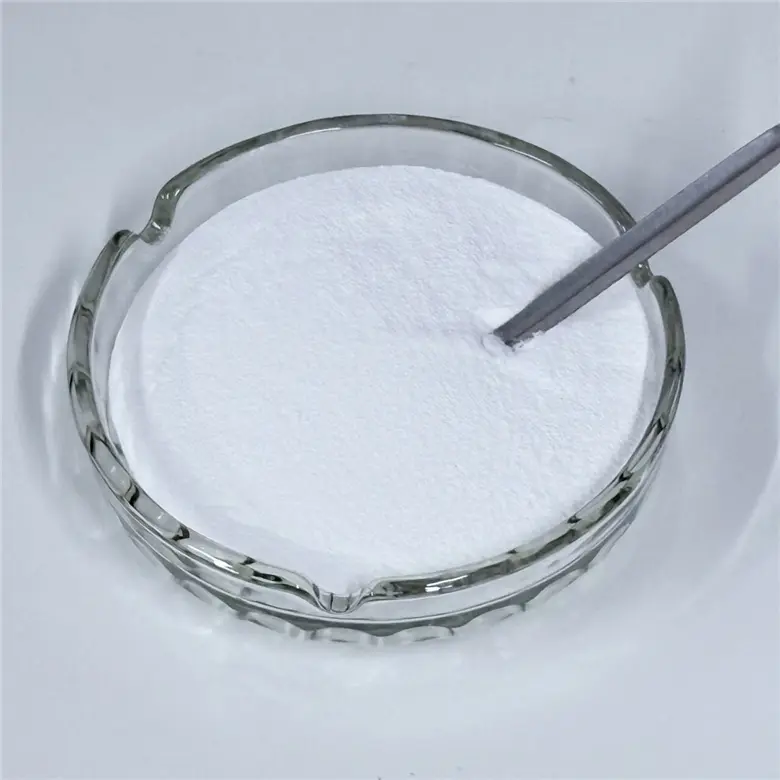
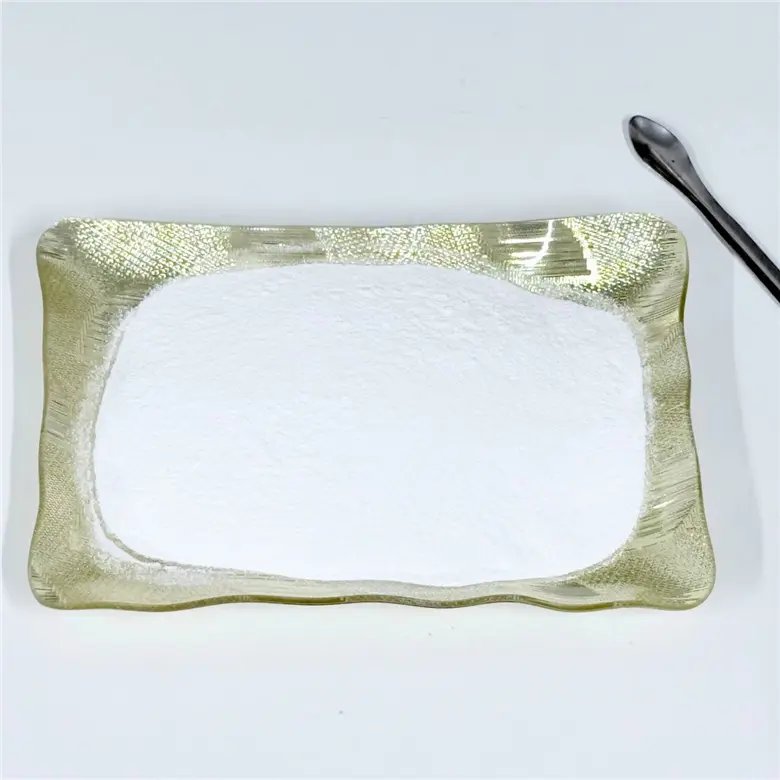
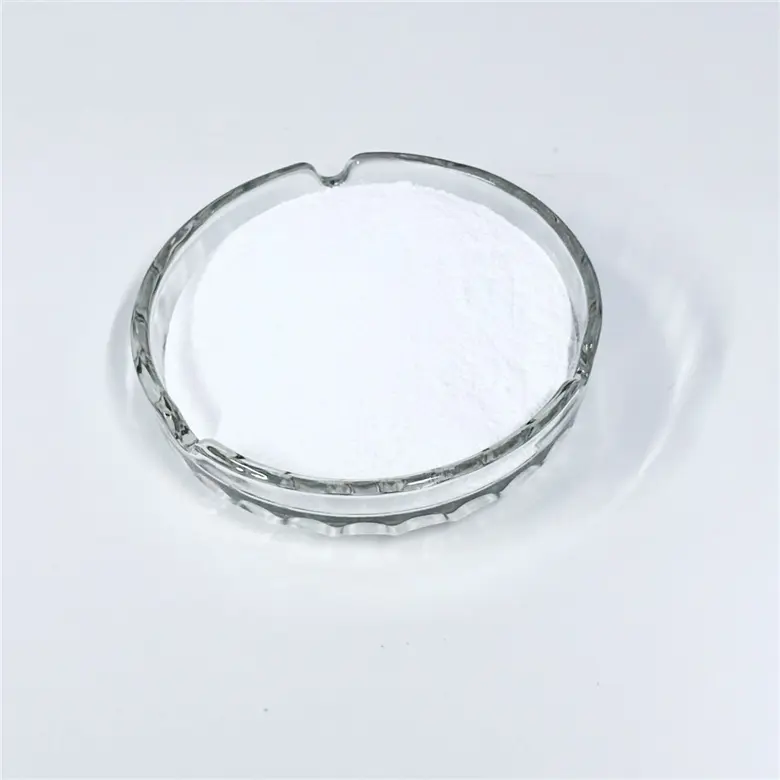
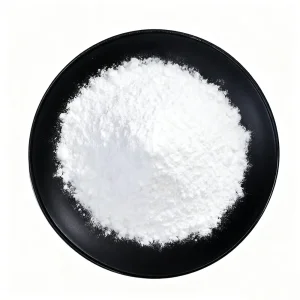
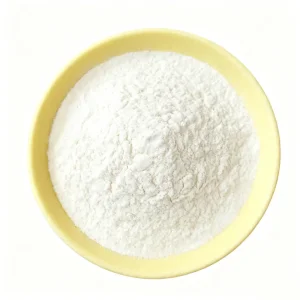
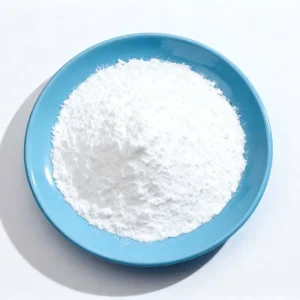
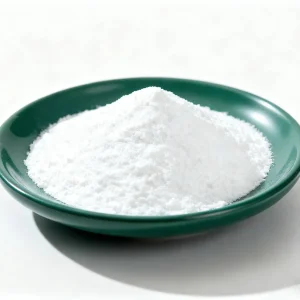
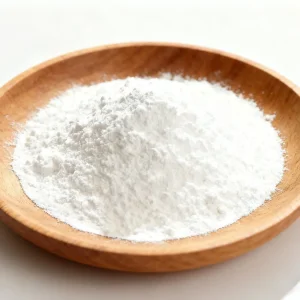
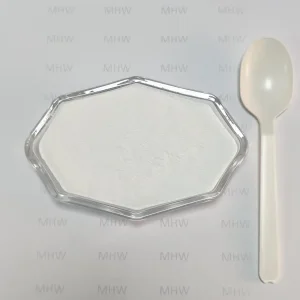
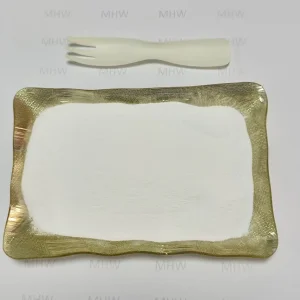
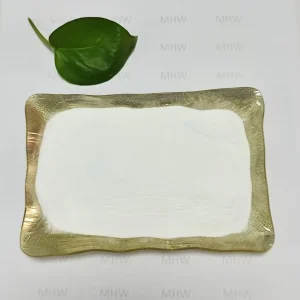
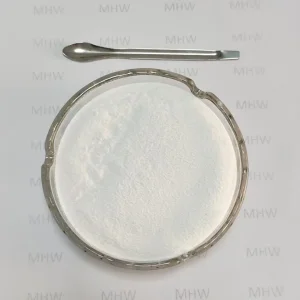
| Appearance | White, fine powder |
| Assay | ≥ 93.0% |
| Molecular Weight | Low, medium and high molecular weight |
| Application | Cosmetics |
| Function | Moisturizing agent |
| Solubility | Soluble in water |
| Source | Microbial fermentation |
| Packaging | Inner: 1kg/foil bag, 5kg/foil bag or 10kg/foil bag; Outer: 20kg/carton or 25kg/carton |
| Shelf Life | 2 years |
| Storage Conditions | Avoid light, refrigerate 2℃ ~ 10℃, keep container sealed. |
Cosmetic-grade hyaluronic acid is an extensively used skincare ingredient, with its core function being hydration. Hyaluronic acids of different molecular weights also play distinct roles at various skin levels: larger molecules primarily remain on the surface, providing moisturizing and protective effects; smaller molecules penetrate into the stratum corneum, helping to replenish deep moisture; while even smaller oligomeric hyaluronic acids contribute to repairing the skin barrier, enhancing elasticity and radiance.
Hyaluronic acid is widely incorporated into various types of products, such as serums, creams, lotions, face masks, sprays, and cleansers. Beyond facial care, it is also commonly found in lip balms, body lotions, and shampoos, helping to maintain the hydration of the skin and hair. Due to its mild nature and natural compatibility with the human body, hyaluronic acid is not only suitable for daily skincare but also plays a significant role in sensitive skin care.