1 / 3

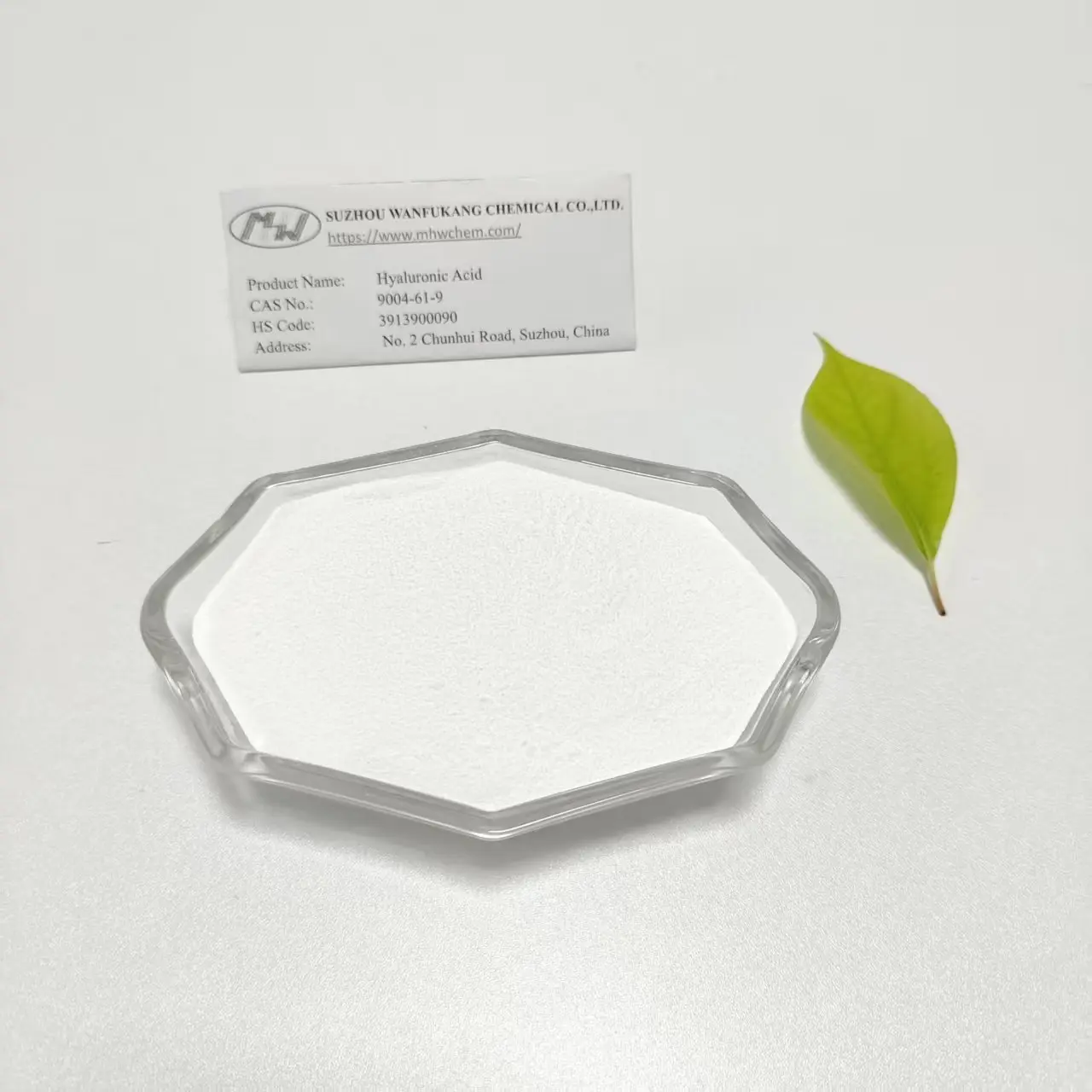
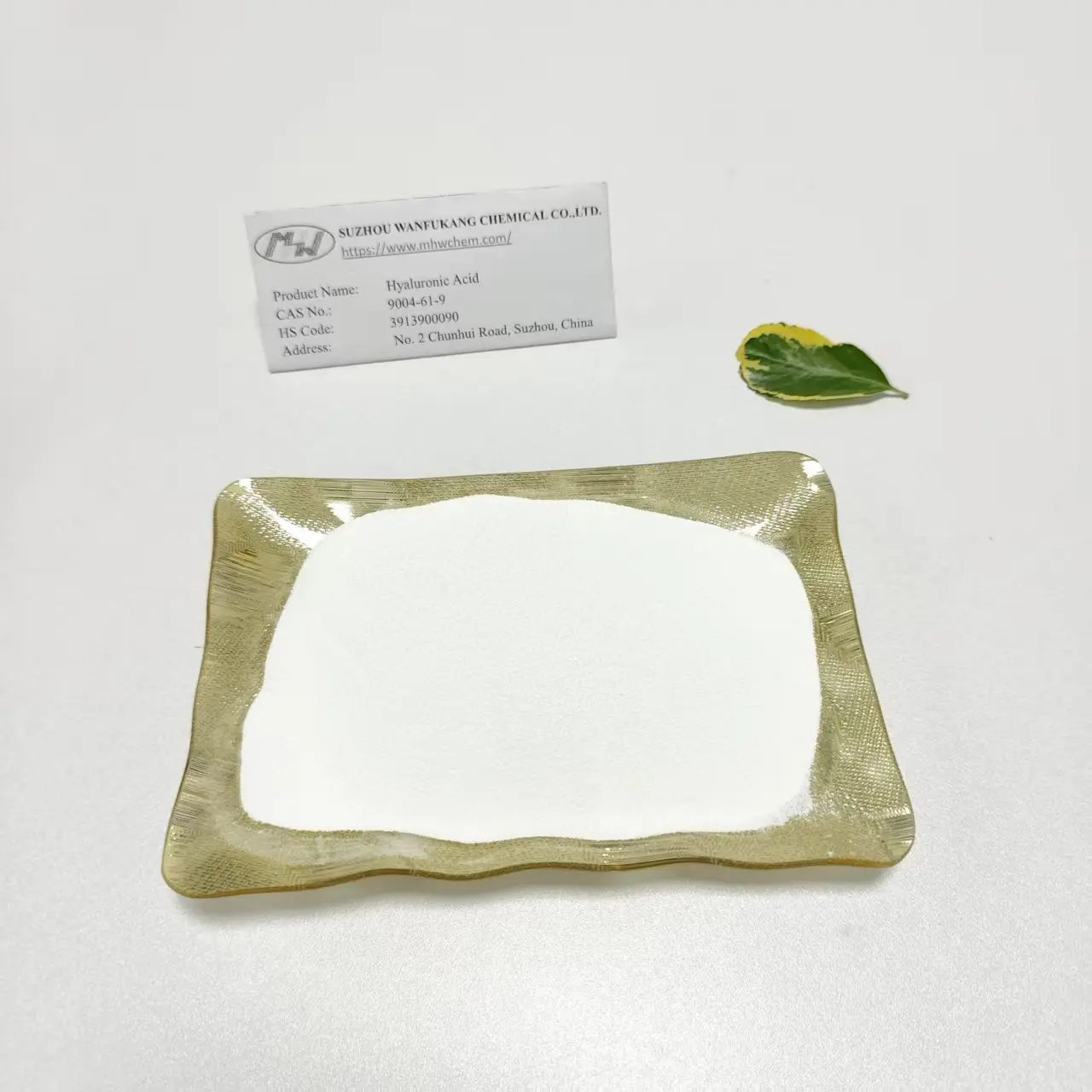
| Product Name | Hyaluronic Acid |
| Chemical Formula | (C14H21NO11)n |
| Chemical Structure |

|
| CAS No. | 9004-61-9 |
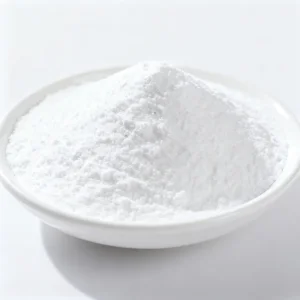
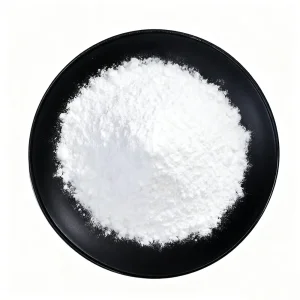
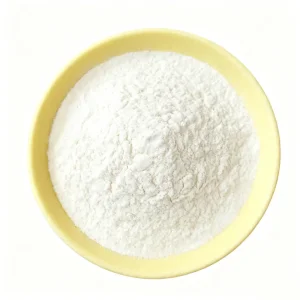
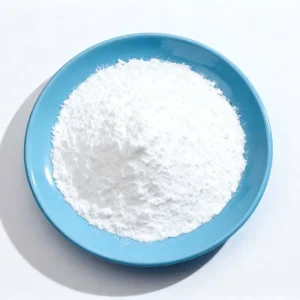
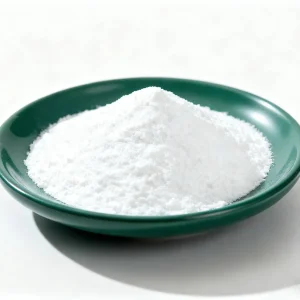
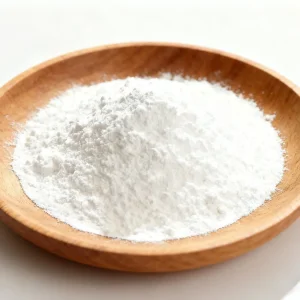
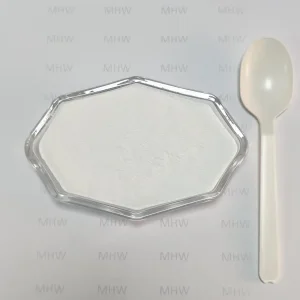
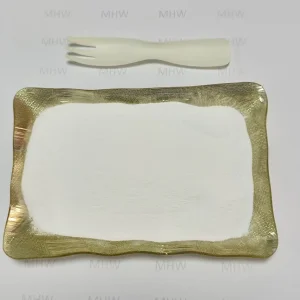
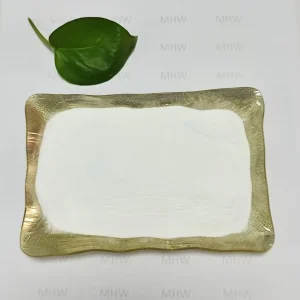
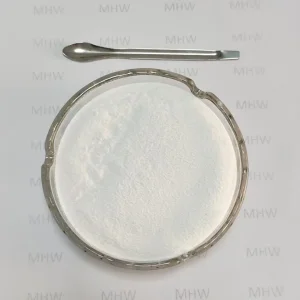
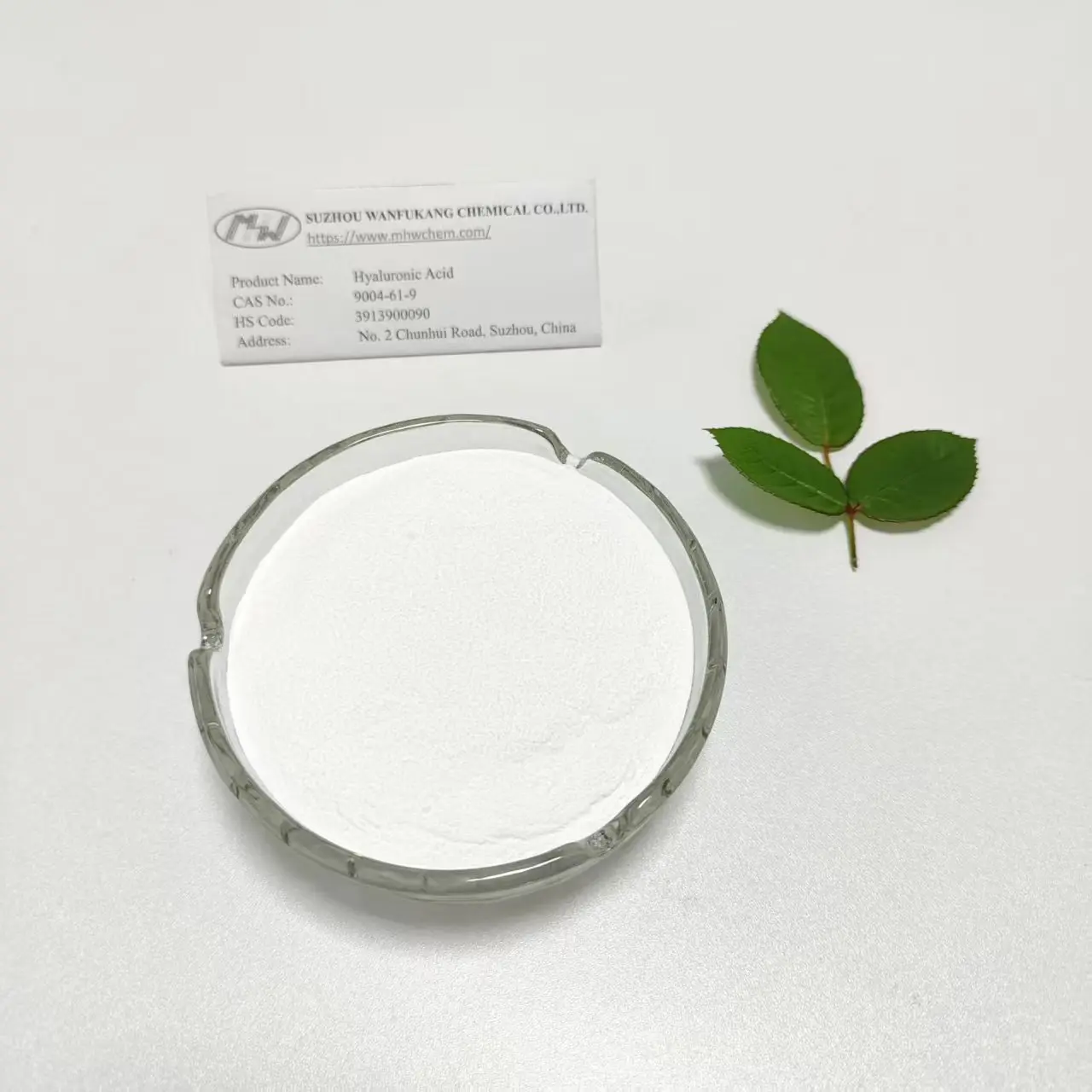
| Appearance | White, fine powder |
| Assay | ≥95% |
| Molecular Weight | 3,000-10,000 Da |
| Solubility | Soluble in water |
| Source | Microbial fermentation |
Due to its extremely low molecular weight, oligomeric hyaluronic acid can penetrate the stratum corneum more easily. Compared to regular high-molecular-weight hyaluronic acid, it is a "deep-acting hydrating ingredient," not just remaining on the skin's surface.
Oligomeric hyaluronic acid can form a hydration network in the epidermis and superficial dermis, helping to increase the skin's internal moisture content and resulting in a more lasting hydrated state.
Oligomeric hyaluronic acid is believed to participate in the regulation of skin cell signals, helping to improve the skin barrier and accelerate the skin's self-repair process.
Oligomeric hyaluronic acid has strong solubility and does not easily thicken, making it suitable for transparent, refreshing formulations without affecting the product's feel. It is suitable for high-end serums and functional products.
Used in serums, ampoules, and pre-serums that emphasize "deep hydration" and "long-lasting moisturization" to enhance overall hydration.
Commonly found in barrier repair products, post-operative repair skincare products, and sensitive skin care products to improve skin's recovery ability.
Used in hydrogel masks, silk masks, and other similar systems to enhance penetration and immediate hydration.
Combined with ingredients such as peptides, vitamins, and niacinamide to improve skin condition and enhance overall skin texture.
The molecular weight of this Oligomeric Hyaluronic Acid (Oligo-HA) ranges between 3,000 to 10,000 Da, which allows for superior penetration into the skin compared to standard HA.
While High Molecular Weight HA (HMW-HA) forms a protective barrier on the skin surface to lock in moisture, Oligo-HA penetrates deeper into the stratum corneum and superficial dermis to build a deep hydration network.
This Hyaluronic Acid is sourced from microbial fermentation and has an assay purity of 95% or higher, ensuring high quality and safety for cosmetic applications.
Yes. Because of its small molecular size, it is highly soluble in water and does not easily thicken or alter the viscosity of the formulation. This makes it perfect for lightweight, transparent, and non-sticky serums or essence masks.
Absolutely. It has excellent compatibility and is frequently paired with peptides, vitamins, and niacinamide in functional skincare formulations to optimize skin repair and overall texture.