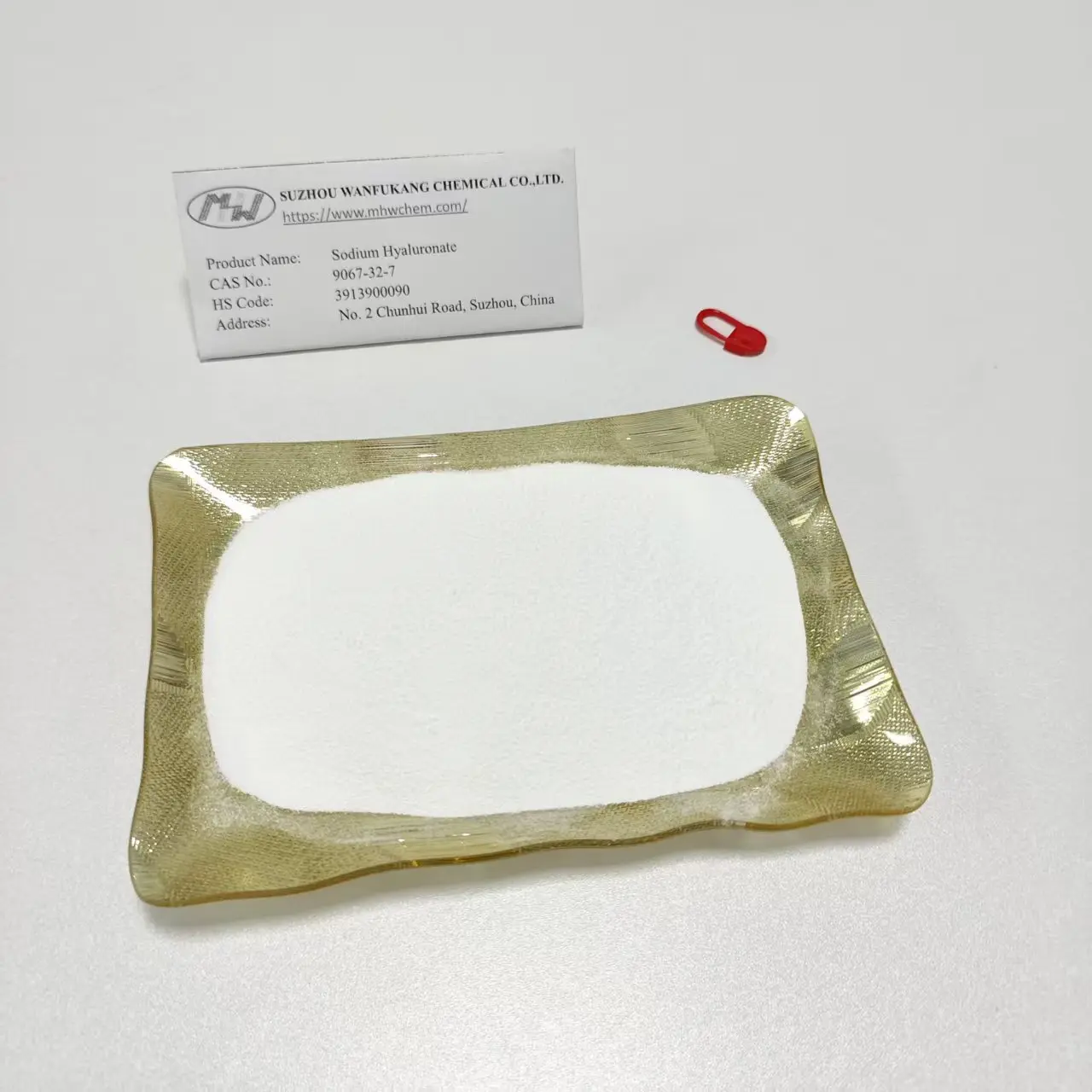

China Sodium Hyaluronate Raw Material for Skincare Products Supplier, Product

Sodium hyaluronate is the sodium salt of hyaluronic acid and is widely used in various skincare and personal care products. It possesses excellent moisturizing, biocompatibility, and film-forming properties, making it one of the core functional ingredients in modern cosmetic formulations.

Product Description

Product Specification

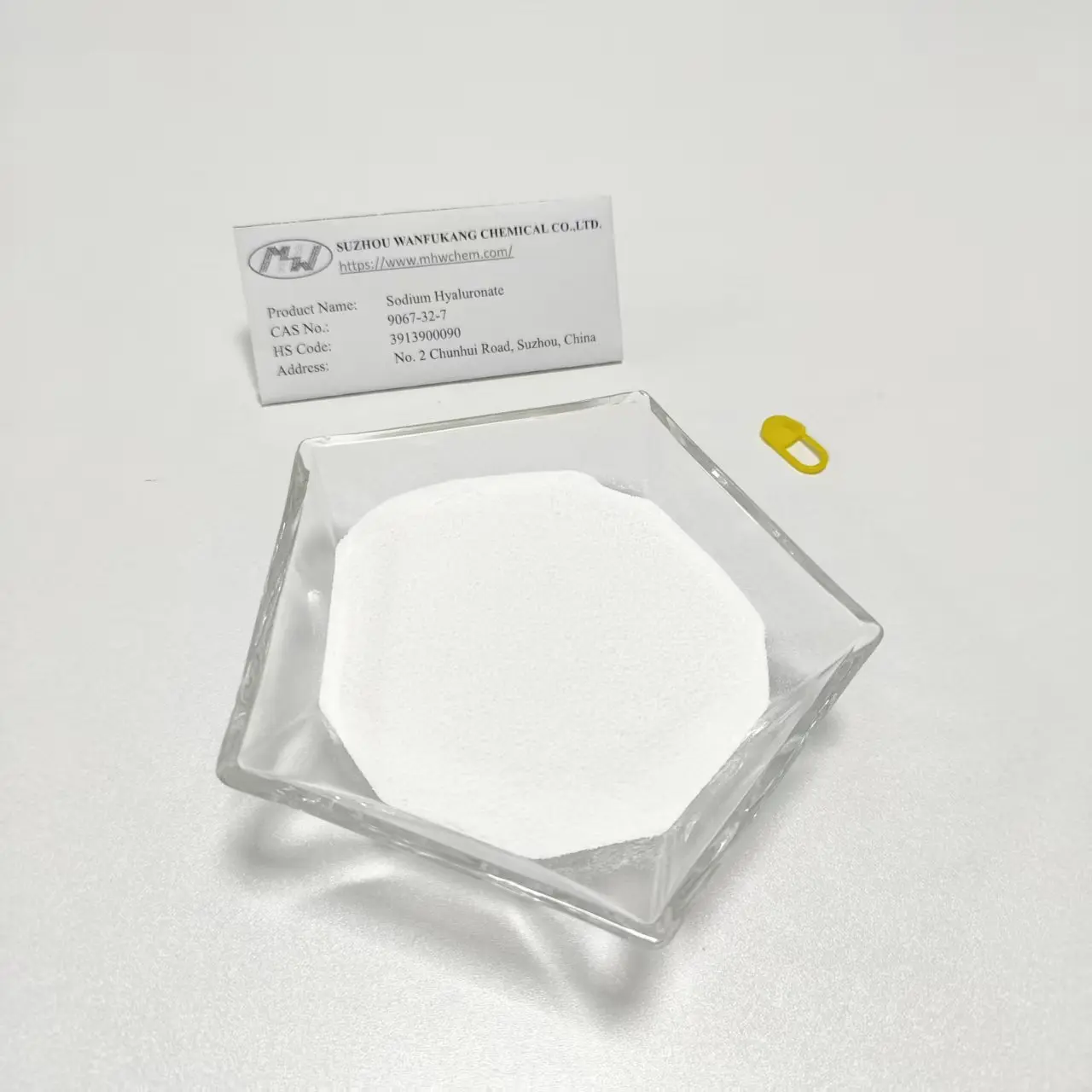
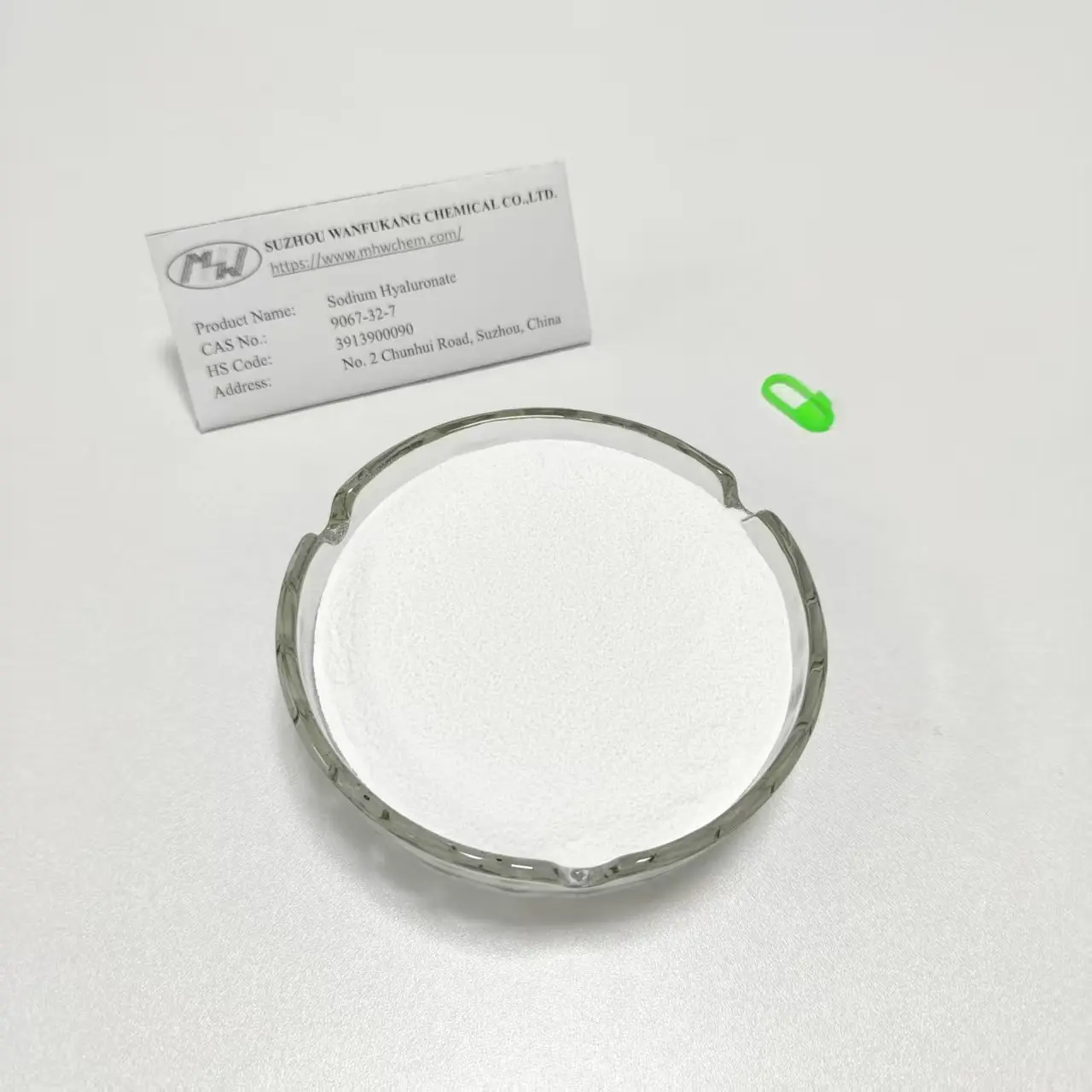
Product Name Sodium Hyaluronate
Chemical Formula (C14H20NNaO11)n
Chemical Structure
Chemical Structure of Sodium Hyaluronate
CAS No. 9067-32-7
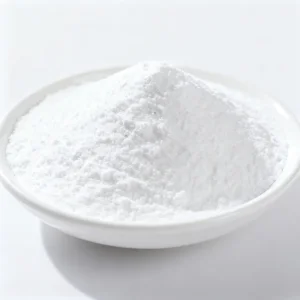
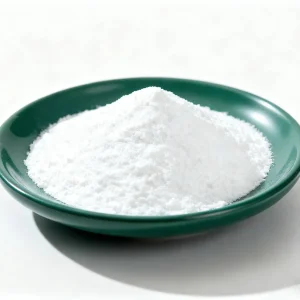
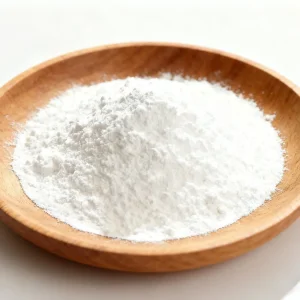
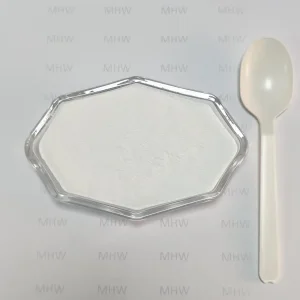
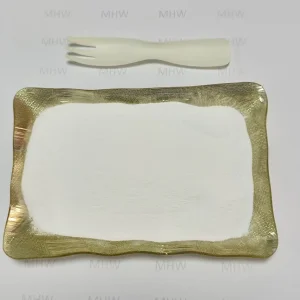
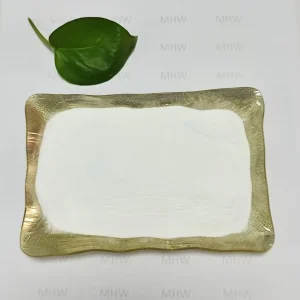
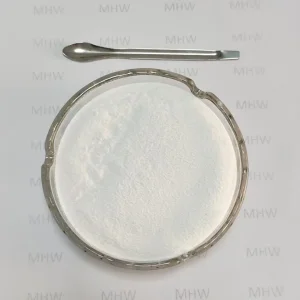
Appearance White, fine powder
Assay ≥95%
Molecular Weight 3,000Da – 2.0MDa
Solubility Soluble in water
Source Microbial fermentation

Mechanism of Action

1 Highly Efficient Water Absorption & Lock-in
The hydroxyl and carboxyl groups on the sodium hyaluronate molecular chain can form a stable hydrogen bond network with water molecules, thereby storing a large amount of water on the skin surface and in the stratum corneum, achieving the dual effects of immediate hydration and long-lasting moisturization.
2 Building a Skin Protective Barrier
Sodium hyaluronate forms a uniform hydration film on the surface of the stratum corneum, helping to repair damaged barrier structures, reducing the invasion of external irritants, and slowing down the rate of water evaporation.
3 Improving Skin Feel and Lubrication
The unique viscoelasticity of sodium hyaluronate makes the product smoother during application, significantly improving the user experience and making the skin feel softer, smoother, and more elastic.
4 Anti-Aging & Fine Line Improvement
By continuously maintaining skin moisture content, sodium hyaluronate reduces fine lines and roughness caused by dryness, thereby improving the overall appearance of the skin and making it look fuller and younger.

Molecular Weight & Applications

H High Molecular Weight
Primarily stays on the skin's surface, forming a dense hydrating film to achieve immediate moisturizing and water-locking effects. Particularly suitable for face creams, sleeping masks, and repair products.
M Medium Molecular Weight
Possesses both permeability and film-forming ability, improving skin feel while hydrating. Widely used in daily skincare products such as lotions and serums.
L Low Molecular Weight
With smaller molecules, it penetrates more easily into the stratum corneum, helping to deeply hydrate and improve dryness. Suitable for functional serums and highly effective hydrating products.
O Oligo Sodium Hyaluronate
With an even lower molecular weight, it has stronger permeability and is often used in high-end skincare formulations to enhance product functionality and differentiate its competitiveness.

Usage Recommendations

Recommended Dosage: Generally 0.05% – 0.5%, the specific dosage can be adjusted according to product positioning and target efficacy.
Addition Method: It is recommended to pre-disperse or dissolve in deionized water to form a uniform and transparent solution before adding to the system.
Processing Conditions: Avoid prolonged processing in high-temperature (>60°C) environments to prevent molecular structure degradation that could affect performance.
Formulation Suggestions: Sodium hyaluronate can be used in combination with moisturizers such as glycerin and propylene glycol to enhance the overall moisturizing effect.

Frequently Asked Questions

Q1: What is the source and purity of this Sodium Hyaluronate?
A1: Our Sodium Hyaluronate is produced through microbial fermentation, ensuring high purity with an assay specification of ≥95%.
Q2: What is the molecular weight range of your Sodium Hyaluronate?
A2: The molecular weight ranges widely from 3,000Da up to 2.0MDa, categorized into High, Medium, Low, and Oligo molecular weights to suit various formulation needs.
Q3: How does Sodium Hyaluronate hydrate and benefit the skin?
A3: The hydroxyl and carboxyl groups form a stable hydrogen bond network with water. This enables highly efficient water lock-in, forms a protective skin barrier, improves lubrication, and visibly reduces fine lines caused by dryness.
Q4: What is the recommended usage dosage in cosmetic formulations?
A4: The recommended dosage generally ranges from 0.05% to 0.5%, which can be adjusted depending on your final product's target efficacy and positioning.
Q5: Are there any special temperature guidelines during formulation manufacturing?
A5: Yes. It is recommended to avoid prolonged processing in high-temperature environments exceeding 60°C. High heat can degrade the molecular structure and compromise the moisturizing performance.

Related Products