1 / 3

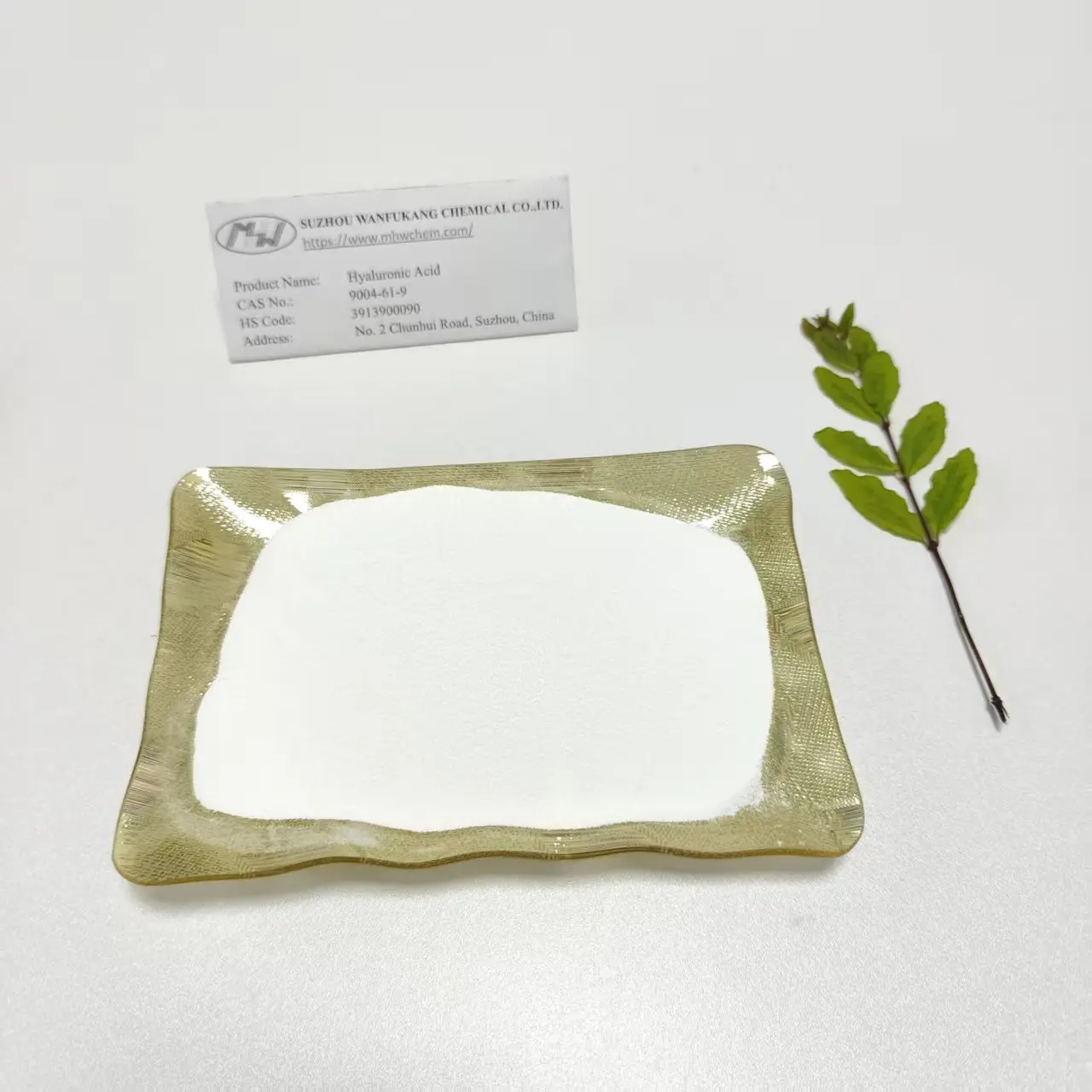
| Product Name | Hyaluronic Acid |
| Chemical Formula | (C14H21NO11)n |
| Chemical Structure |

|
| CAS No. | 9004-61-9 |
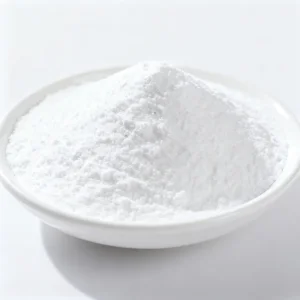
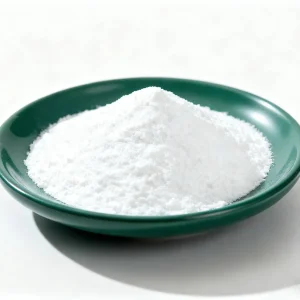
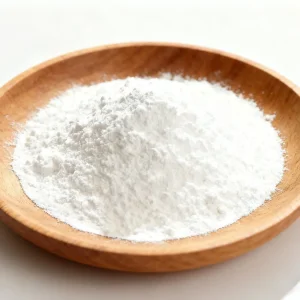
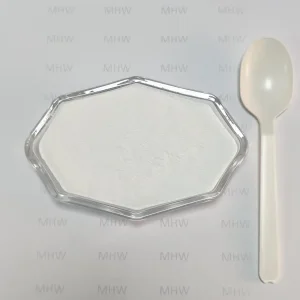
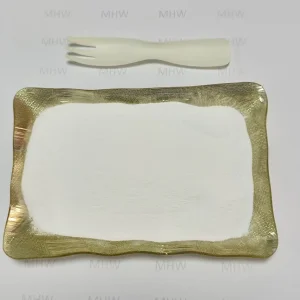
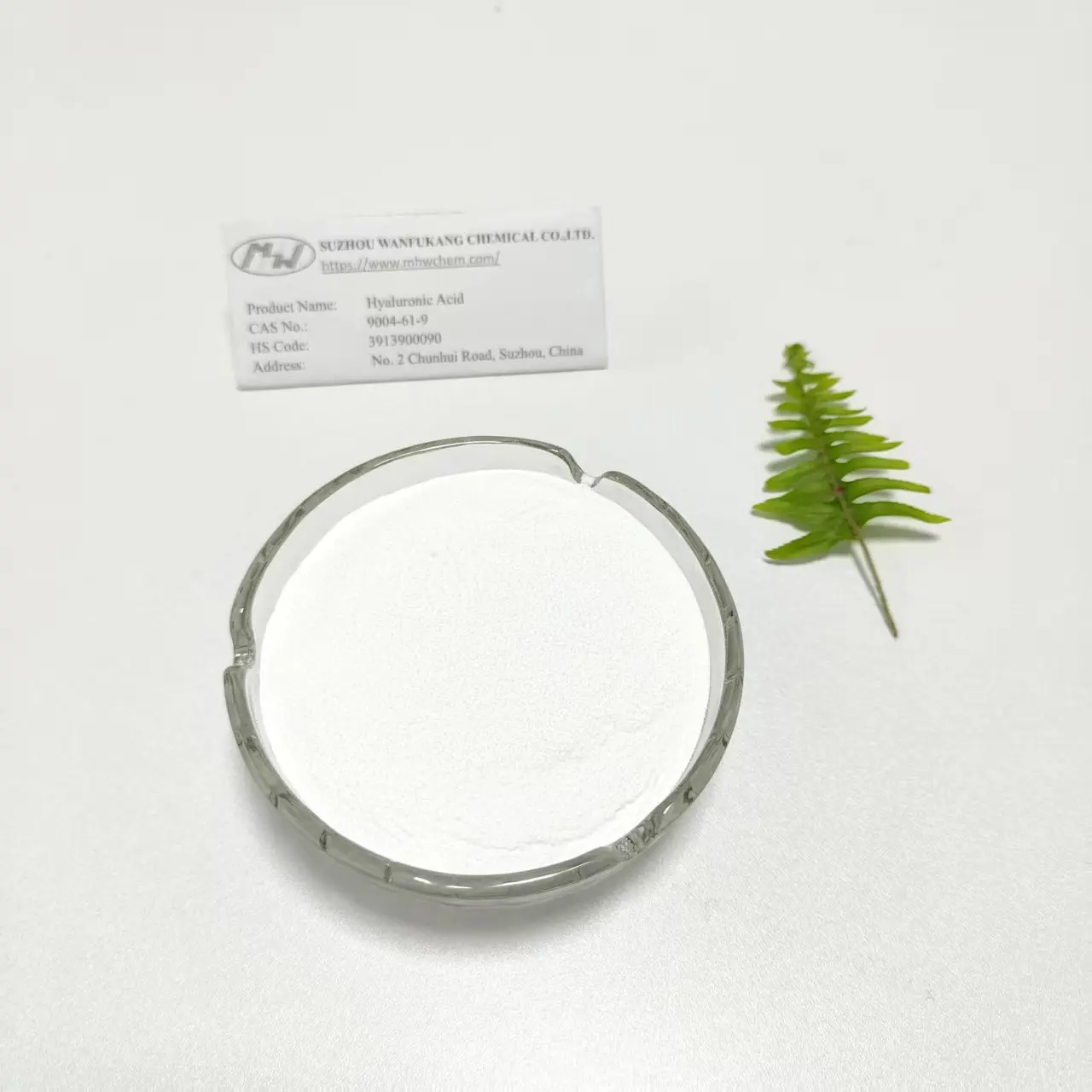
| Appearance | White, fine powder |
| Assay | ≥95% |
| Molecular Weight | 3,000Da - 2.0MDa |
| Solubility | Soluble in water |
| Source | Microbial fermentation |
Not all hyaluronic acid can penetrate deep into the skin. We offer a full molecular weight coverage solution:
Our hyaluronic acid powder has excellent formula compatibility. It smooths lotion textures, reduces the stickiness of certain active ingredients, and acts as a thickener and foam stabilizer in hair care products.
Each batch of hyaluronic acid undergoes rigorous microbial testing and heavy metal analysis to ensure no impurities interfere with the final product, guaranteeing stable performance of the formula.
Utilizing the penetrating power of small-molecule HA, it diminishes fine lines caused by dryness.
Hyaluronic acid is suitable for post-operative repair masks, relieving dryness and tightness, and accelerating the rebuilding of the skin barrier.
Adding hyaluronic acid to shampoo or body scrub counteracts the dryness caused by surfactants, giving hair and skin a silky feel.
Improves the adherence of foundation and lipstick, preventing makeup from fading and creasing.
A pre-dispersion method is recommended. First, evenly disperse the powder in a polyol (such as glycerin or propylene glycol), then add the aqueous phase and stir. This significantly shortens dissolution time and prevents agglomeration.
For serums, 0.5% - 1.0% is recommended; for creams and makeup, 0.1% - 0.5% is recommended.
It is recommended to add the powder later in the production process, after the system has cooled to below 45°C, to maintain biological activity.