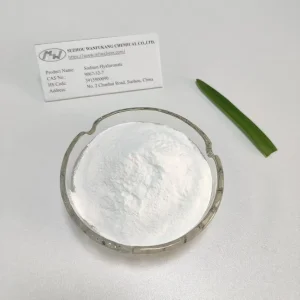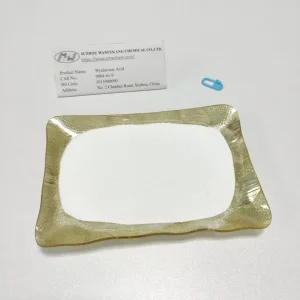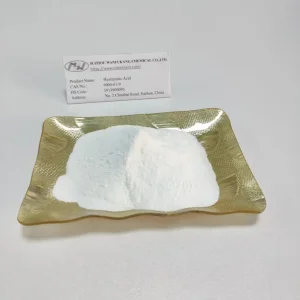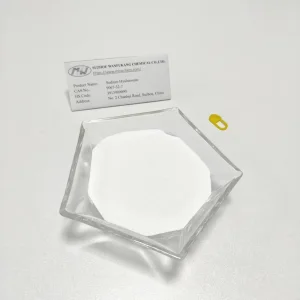
Best Hyaluronic Acid And Retinol Cream Manufacturer & Factory

Pioneering Clinical-Grade Anti-Aging Formulations & Synergistic Bio-Active Ingredient Engineering for Global Skincare Brands

Top Bio-Active Raw Materials & Injections

Premium grade Sodium Hyaluronate solutions, hydrolyzed variants, and dermal fillers manufactured under strict ISO & GMP conditions.
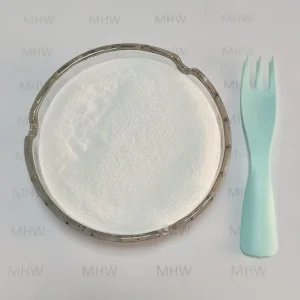
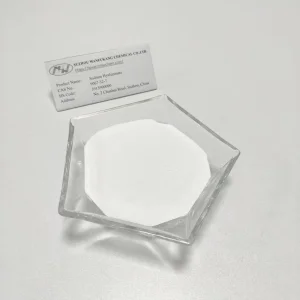
Hydrolyzed Sodium Hyaluronate

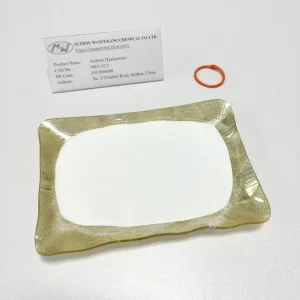
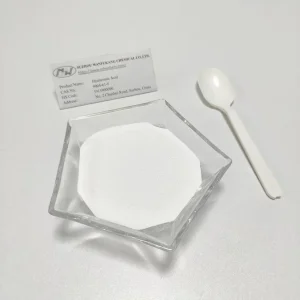
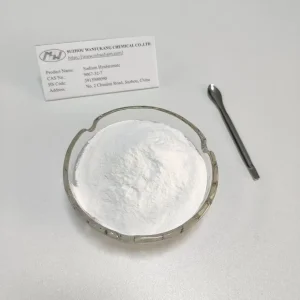
Cosmetic Grade Hydrolyzed Sodium Hyaluronate CAS No 9067-32-7

View Specifications →
Food Grade Sodium Hyaluronate

Food Grade Sodium Hyaluronate With Good Stability

View Specifications →
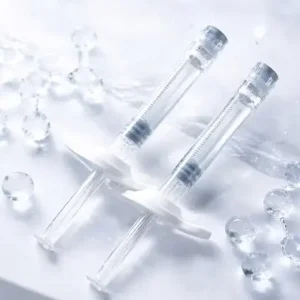
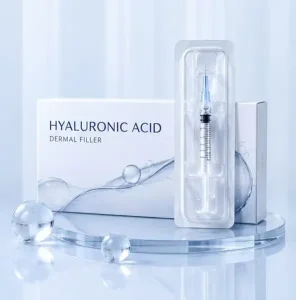
Hyaluronic Acid Dermal Filler

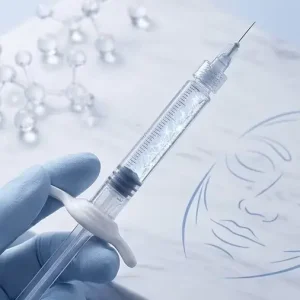
Natural Beauty Injectable Hyaluronic Acid Dermal Filler

View Specifications →
Sodium Hyaluronate Food Supplement

Sodium Hyaluronate Food Supplement Ingredient CAS 9067-32-7

View Specifications →
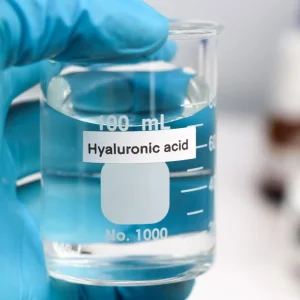
1% Hyaluronic Acid Solution

High Stability 1% Cosmetic Grade Hyaluronic Acid Solution

View Specifications →
Injectable Hyaluronic Acid Raw Material

Injectable Grade Hyaluronic Acid High Purity Raw Material

View Specifications →
Water Soluble Sodium Hyaluronate

Water Soluble Food Grade Sodium Hyaluronate CAS 9067-32-7

View Specifications →
Food Grade Hyaluronic Acid Supplement

Food Grade Hyaluronic Acid for Skin Health Supplement

View Specifications →

Global Industrial Status of Hyaluronic Acid & Retinol Formulations

An in-depth whitepaper on the chemical synergy, industrialization, manufacturing standards, and market dynamics of HA and Retinoids.

1. The Global Commercial & B2B Industry Landscapes

The cosmetic and dermatological industries are experiencing an unprecedented surge in demand for high-performance clinical formulations. Among anti-aging active ingredients, the combination of Hyaluronic Acid (HA) and Retinol (Vitamin A) represents the gold standard in cosmetic formulation science. Globally, the anti-aging cosmetics market size was valued at over USD 60 billion in 2023 and is projected to expand at a compound annual growth rate (CAGR) of 6.8% through 2030.

Within this vertical, the B2B supply chain of raw materials has shifted from basic ingredient procurement to demanding complex, bio-stable, and synergistic delivery systems. As a leading manufacturer, Suzhou Wanfukang Chemical Co., Ltd bridges this gap by offering customized raw material synthesis and ready-to-fill bulk emulsions designed for optimal cellular efficacy and maximum chemical stability.

Market Demand Drivers:

  • Demographic Shift: Increasing global consumer awareness regarding preventive skincare across both mature and emerging markets.
  • Dermatologist-Backed Formulations: B2C brands require high-potency ingredients backed by clinical assay reports and chemical documentation.
  • Clean & Bio-Fermented Sourcing: The transition from animal-derived raw materials to bio-fermented Sodium Hyaluronate (Streptococcus zooepidemicus fermentation) is now an industry standard.

2. Synergistic Chemistry: Retinol and Hyaluronic Acid

The combination of Retinol and Hyaluronic Acid in a single formula requires deep understanding of physical chemistry and cosmetic rheology. Retinol, a lipophilic molecule, is renowned for its ability to bind to nuclear receptors, stimulating cellular turnover, collagen synthesis, and epidermal thickening. However, this process often induces trans-epidermal water loss (TEWL) and barrier disruption, leading to redness and peeling (retinization phase).

"By pairing Retinol with Hydrophilic Sodium Hyaluronate (HA) of varying molecular weights, manufacturers offset the irritant properties of retinoids. HA acts as an immediate moisture reservoir, drawing atmospheric water into the stratum corneum and buffering the skin barrier while Retinol performs cellular remodelation in the deeper dermal layers."

Our factory utilizes advanced emulsification techniques to encapsulate Retinol in lipid membranes (microencapsulation), shielding it from rapid thermal and photo-oxidation. Simultaneously, we implement multi-molecular weight Hyaluronic Acid (ranging from ultra-low molecular weight Hydrolyzed Sodium Hyaluronate for deep penetration to high molecular weight HA for surface barrier film-formation).

Molecular Component Molecular Weight Range Primary Biological Action Formulation Utility in Creams
High Molecular Weight HA 1.5M - 2.2M Da Surface hydration & barrier film formation Mitigates superficial TEWL caused by retinol activation
Medium Molecular Weight HA 800K - 1.2M Da Stratum corneum deep hydration & cell cohesion Improves overall cream spreadability and texture
Hydrolyzed HA (Oligo) < 10K Da Transdermal penetration, deep collagen repair Synergizes with retinol to maximize dermal remodeling
Encapsulated Retinol N/A (Lipid-Coated) Accelerates cell turnover, boosts elastin Controlled release mechanism reduces irritation profiles

3. Global Formulation & Technological Trends

Moving forward, the global cosmetic market is focused heavily on biocompatible stability. Traditional Retinol formulations are notoriously unstable, degrading quickly upon exposure to light, heat, and air. Our R&D department at Wanfukang is focusing on three key technology pathways:

  • Microencapsulation & Liposomal Delivery: Active Retinol molecules are trapped inside lipid bilayers. This prevents degradation during the product's shelf-life and ensures a slow-release mechanism when applied to the skin.
  • Dual-Chamber Packaging Optimization: Offering specialized packaging systems that keep the hydrophilic phase (HA gel) separate from the lipophilic phase (Retinol emulsion) until the moment of application.
  • Synergistic Botanical Additives: Integrating natural anti-inflammatory agents like Niacinamide, Coenzyme Q10, and Arbutin to address post-inflammatory hyperpigmentation while improving tolerability.

Industrial Capabilities & Factory Credentials

Suzhou Wanfukang Chemical Co., Ltd. combines years of chemical expertise with state-of-the-art production infrastructure.

9Years+
Deep Industry Experience
500Tons
Annual Sales & Capacity
20+
Export Destination Countries
600+
Raw Material Portfolio

Our Core Product Series

We specialize in the development and export of cosmetic, food, and pharmaceutical grade ingredients.
All Ingredients
Cosmetic Ingredients
Food Ingredients
Functional Ingredients
Customized Ingredients
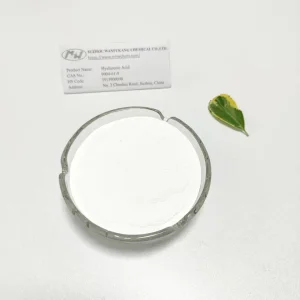
Cosmetic Grade Hyaluronic Acid 98%

Cosmetic Grade Hyaluronic Acid Assay 98% Intense Moisturizing

Product Details →
High Assay Niacinamide Powder

High Assay Niacinamide Powder Skin Whitening

Product Details →
High Quality Arbutin

High Quality Arbutin Whitening Active Ingredient

Product Details →
Coenzyme Q10

Coenzyme Q10 Maintain Heart Health

Product Details →
Citric Acid Assay 99%

Food Acidulant Citric Acid Assay 99%

Product Details →
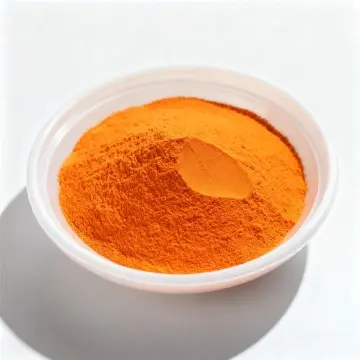
Vitamin A Powder

Vitamin A Powder Maintain Vision Health

Product Details →
Chondroitin Sulfate

Chondroitin Sulfate Food Supplement Ingredient Joint Health

Product Details →
Vitamin C Food Additive

Vitamin C Food Additive Assay Above 99%

Product Details →

Technical Roadmap & Regional Application Scenarios

How global brands optimize Hyaluronic Acid & Retinol ratios for varying climates and regional regulations.

Dry / Temperate Regions (North America & Europe)

Brands in dry climates require high humectant-to-emollient ratios. Formulations incorporate up to 2% medium-molecular-weight Sodium Hyaluronate combined with 0.5% pure microencapsulated retinol to provide strong, sustained skin hydration.

Humid / Tropical Regions (East & Southeast Asia)

In humid conditions, heavy creams cause occlusion and breakouts. Formulation adjustments utilize low-viscosity Hydrolyzed Hyaluronic Acid (Oligo-HA) and Retinyl Palmitate or Granactive Retinoid to deliver high-performance anti-aging benefits in lightweight gel-creams.

Emerging High-Growth Markets (India & South Asia)

Rapidly expanding skincare consumer base in India actively seeks solutions addressing pollution-induced aging. Here, the synergistic use of Sodium Hyaluronate with antioxidant boosters (such as Vitamin C, Niacinamide, and botanical skin barriers) protects against environmental stressors.

Industrial OEM/ODM Manufacturing & Custom Ingredient Solutions

Suzhou Wanfukang Chemical Co., Ltd. provides turn-key manufacturing solutions (OEM/ODM) to ensure your brand meets strict safety and regulatory guidelines. Our factory operations feature:

  1. ISO Certified Cleanrooms (Class 100,000 / Class 7): Essential for compounding high-grade cosmetological and medical-use sodium hyaluronate dermal fillers.
  2. Advanced Rheology Equipment: Standardized measuring of formulation viscosity, yield stress, and shear rate to guarantee smooth packaging dispensing and skin application feel.
  3. Accelerated Stability Testing Chambers: Pre-verifying emulsion shelf life under varying temperature ranges (4°C to 45°C) and UV exposure levels, ensuring your creams remain discoloration-free and fully active.

Latest Industrial News & Regional Insights

Keep up with the global trends, supply chain dynamics, and regulatory updates within the cosmetic active ingredient industry.

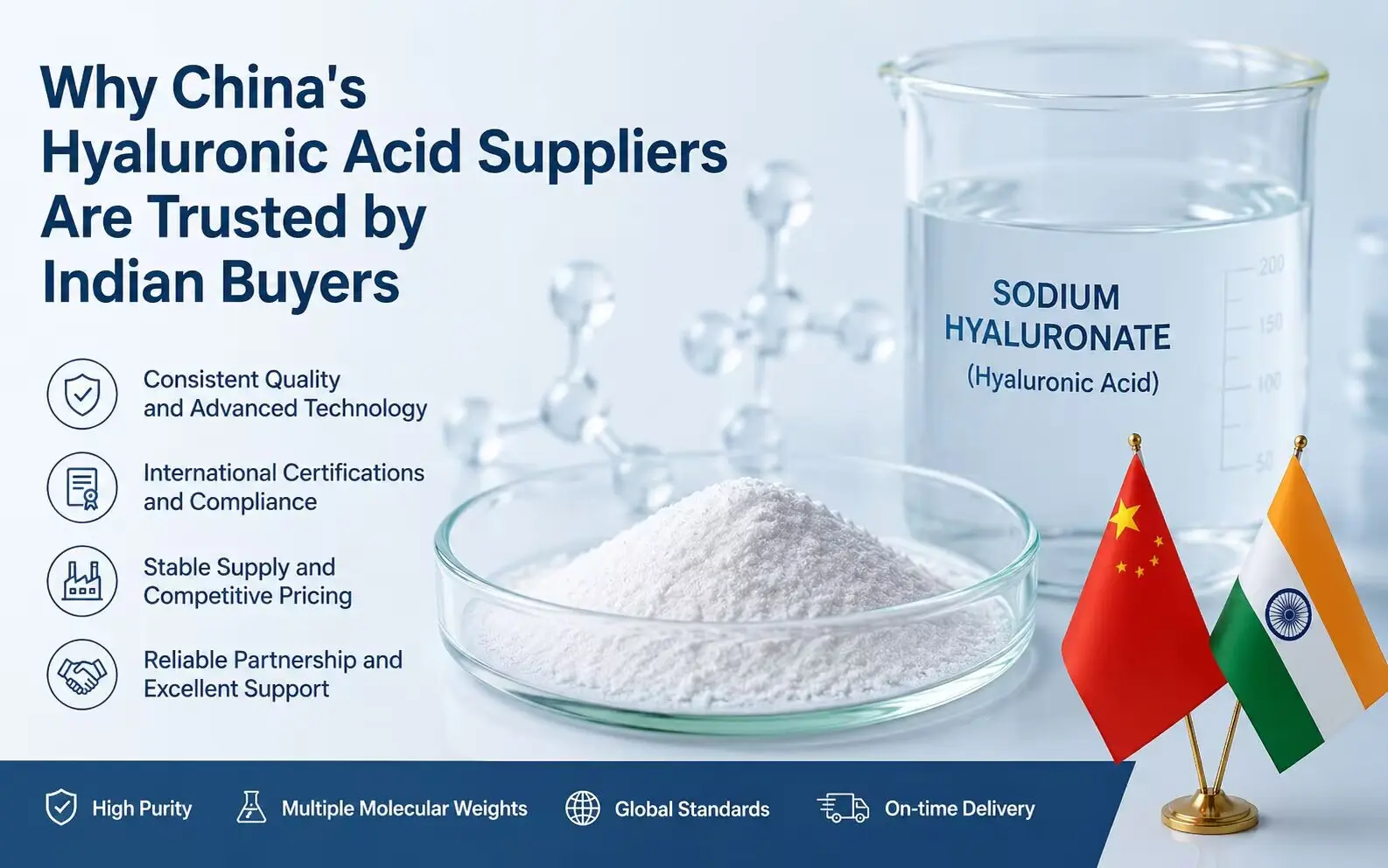
Chinese Hyaluronic Acid Suppliers Indian Buyers

Why Chinese Hyaluronic Acid Suppliers Are Trusted by Indian Buyers

In recent years, with the rapid development of India's cosmetics, pharmaceutical, and food health sectors, Chinese raw material suppliers have gained substantial trust through advanced manufacturing technology, high purity compliance, and highly stable supply logistics.

Read Full Article →
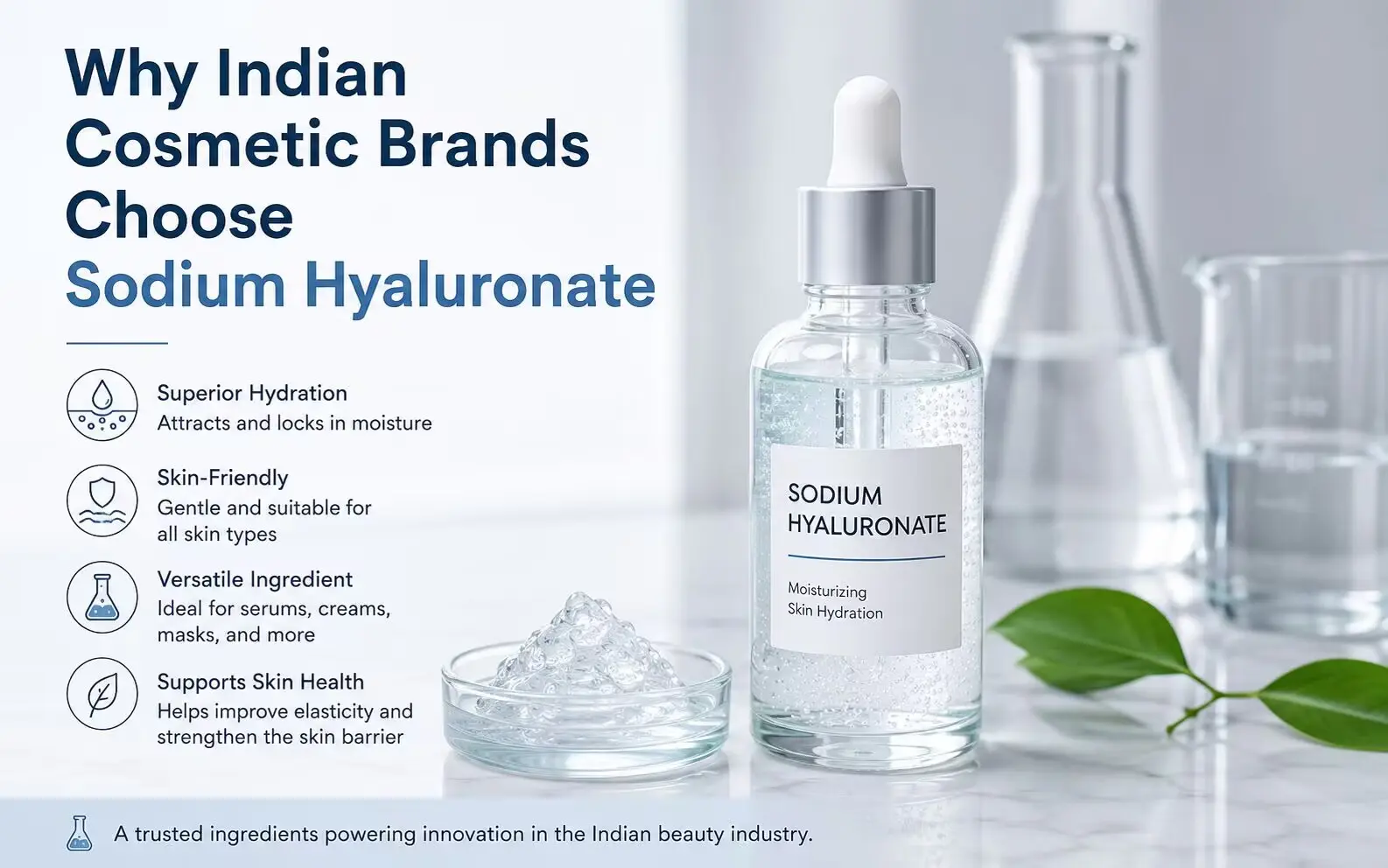
Indian Cosmetic Brands Sodium Hyaluronate

Why Indian Cosmetic Brands Choose Sodium Hyaluronate

Indian consumer markets demand high-efficiency formulas. Sodium Hyaluronate offers unmatched dermal cellular hydration, serving as the essential base for creams, anti-wrinkle serums, sunscreens, and medical-aesthetic skin rejuvenators.

Read Full Article →
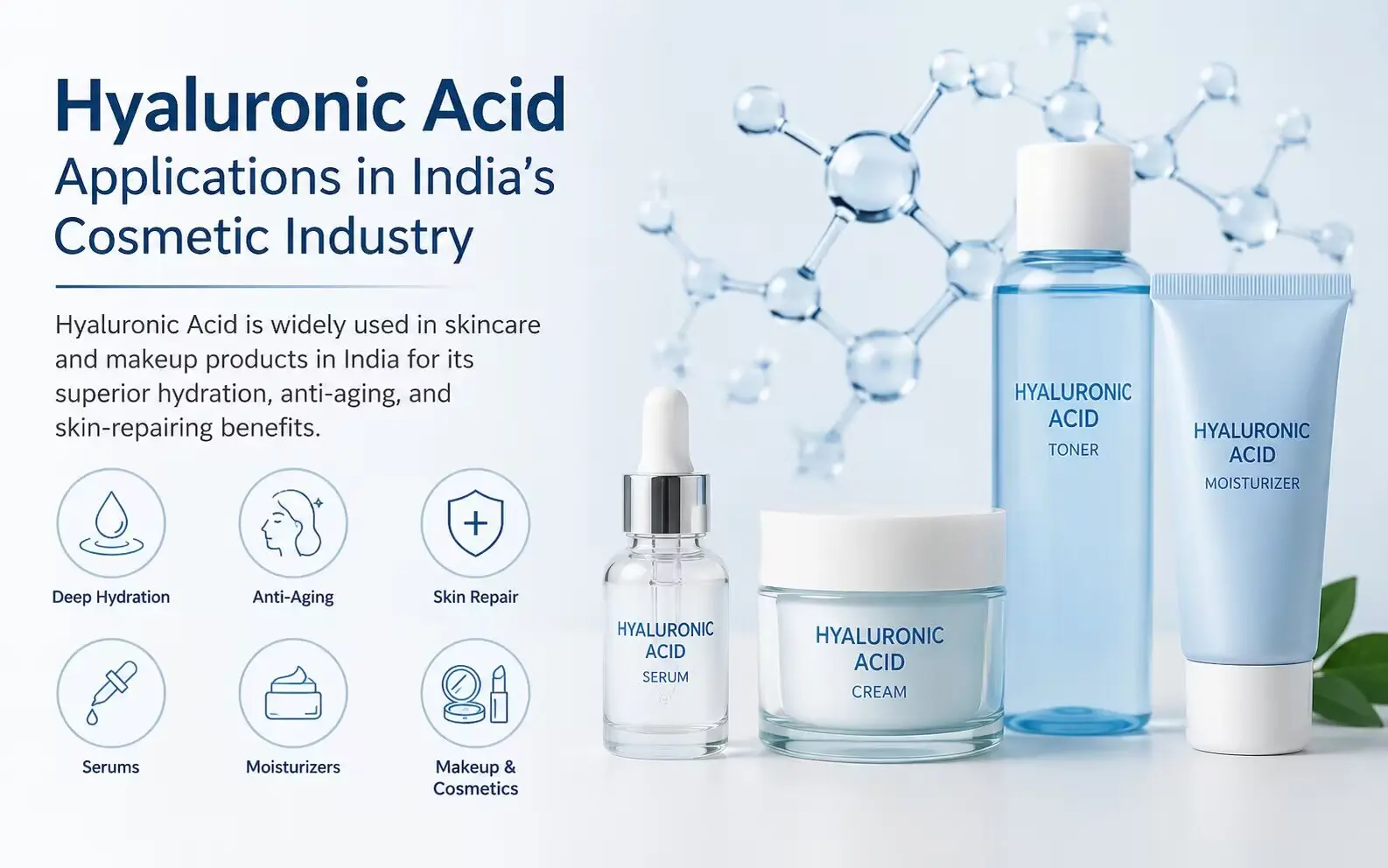
Hyaluronic Acid Applications India Cosmetic

Hyaluronic Acid Applications in India's Cosmetic Industry

Exploring the rise of hybrid functional cosmetics. Brands are combining Sodium Hyaluronate with active complexes like micro-dose retinoids to meet the surging consumer demands for brightening, age-prevention, and skin barrier shield protection.

Read Full Article →

Expert FAQ: Formulation Science, B2B Supply & OEM Operations

In-depth technical answers addressing regulatory compliance, molecule stability, and manufacturing options.

Q1: Can Hyaluronic Acid and Retinol be formulated in the same emulsion container?

Yes. Although they have different chemical properties, they can co-exist inside a single emulsion. Standard Retinol requires a pH level between 5.5 and 6.5 for maximum stability, which is also compatible with Sodium Hyaluronate stability profiles. Manufacturers must use encapsulated or stabilized forms of Retinol to prevent chemical degradation upon contact with the water phase containing dissolved Hyaluronic Acid.

Q2: What bio-fermentation methods are used in your factory for Sodium Hyaluronate production?

Our factory processes are non-animal sourced. We utilize biological fermentation using selected strains of Streptococcus zooepidemicus grown on clean, vegetable-based peptone and glucose media. The resulting fermentation broth goes through rigorous filtration and purification processes to yield premium pharmaceutical and cosmetic-grade Sodium Hyaluronate with minimal protein and nucleic acid impurities.

Q3: How does your factory handle OEM/ODM customization requests for specific brand needs?

We provide full-service customization. Brands can specify viscosity values, targeted molecular weights (e.g., combining Oligo-HA with cross-linked variants), and additional active compounds like Niacinamide, Coenzyme Q10, or Vitamin C. Our R&D department provides lab-scale test samples, conducts preliminary stability analysis, and assists with localized regulatory documentation support.

Q4: What parameters ensure the stability of Retinol in a bulk supply format?

To secure raw material shipments, we recommend and utilize nitrogen-blanketing during packaging to eliminate head-space oxygen. High-potency retinol orders are shipped in light-proof aluminum drums. For cream formulations, chelating agents (like Disodium EDTA) and lipid-soluble antioxidants (like Tocopherol or BHT) are integrated to neutralize metallic ions that act as catalysts for retinoid breakdown.

Premium Hyaluronic Acid & Dermal Filler Portfolio

Explore our targeted product range optimized for professional cosmetic laboratories and health brands globally.
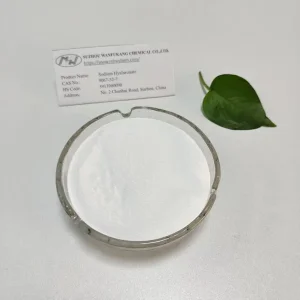
Non-animal Origin Sodium Hyaluronate

Best Non-animal Origin Food Grade Sodium Hyaluronate

View Specifications →
Anti-Wrinkle Hyaluronic Acid Filler

Anti-Wrinkle Hyaluronic Acid Dermal Filler for Forehead Lines

View Specifications →
Premium Cosmetic Grade Sodium Hyaluronate

Premium Cosmetic Grade Sodium Hyaluronate Raw Material

View Specifications →
Food Grade Hyaluronic Acid Joint Health

Food Grade Hyaluronic Acid White Powder for Joint Health

View Specifications →
Water Soluble Hyaluronic Acid Powder

Best High Quality Water Soluble Hyaluronic Acid Powder

View Specifications →
Sodium Hyaluronate Raw Material Skincare

Sodium Hyaluronate Raw Material for Skincare Products

View Specifications →
Lip Augmentation Filler

Lip Augmentation Filler Based on Hyaluronic Acid Gel

View Specifications →
Medical Grade Sodium Hyaluronate

China Medical Grade Sodium Hyaluronate for Skin Filling

View Specifications →

Global Partnership & Supply network

Collaborating with leading cosmetic labs, pharmaceutical factories, and health supplement brand distributors worldwide.
Partner Logo
Partner Logo
Partner Logo
Partner Logo
Partner Logo