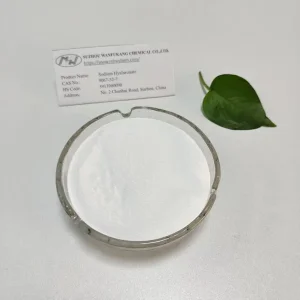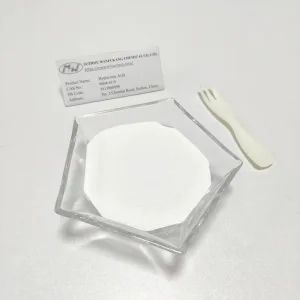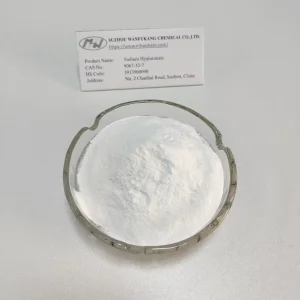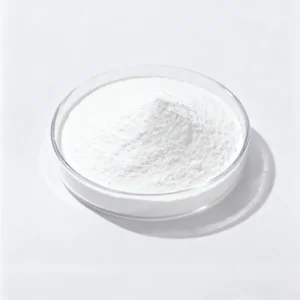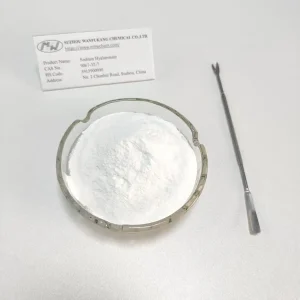
Explore our catalog of premium, sterile injection, and high-purity cosmetic grade sodium hyaluronate products ready for global distribution.
Sodium Hyaluronate (HA) has revolutionized ophthalmic therapeutics due to its unique viscoelastic properties, unmatched water-binding capacity, and exceptional biocompatibility. In eye drop formulations, it acts as a dynamic lubricant that mimics natural mucin within the precorneal tear film. By retaining water molecules up to 1,000 times its own molecular weight, HA maintains a stable, continuous lubrication layer across the corneal epithelium, mitigating the friction induced by blinking.
For global pharmaceutical developers and procurement teams, sourcing ophthalmic-grade Sodium Hyaluronate requires strict differentiation from cosmetic or food-grade variants. Eye drop formulations mandate an exceptionally low level of bacterial endotoxins (typically <0.05 IU/mg), absolute clarity of the reconstituted solution, and rigorous control over molecular weight distribution. A slight variance in molecular weight can alter the viscosity and shear-thinning index of the final ophthalmic solution, affecting patient compliance and therapeutic efficacy in treating Dry Eye Disease (DED) and Sjogren’s Syndrome.
As a leading supplier, Suzhou Wanfukang Chemical Co., Ltd bridges the gap between state-of-the-art bio-fermentation processes and regulatory compliance, offering specialized non-animal derived, low-endotoxin Hyaluronic Acid designed for premium ophthalmic formulations worldwide.
Pioneering the next generation of ophthalmic viscosupplementation through bio-engineered polymers and cross-linking advances.
Developing ultra-precise enzymatic cleavage techniques to yield HA polymers with tight molecular weight fractions. This allows the synthesis of customized blends combining high-molecular-weight HA (for immediate surface cushioning) with low-molecular-weight HA (for cell repair and corneal healing).
Advancing our fermentation platform beyond traditional Streptococcus zooepidemicus strains. By utilizing recombinant Bacillus subtilis expression systems, we eliminate potential risks from bacterial endotoxins and streptococcal toxins, raising the safety margin for intraocular applications.
Moving toward novel, chemically cross-linked HA solutions (using biocompatible crosslinkers) that exhibit shear-thinning characteristics. These next-generation eye drops resist rapid mechanical washout by blinking, extending residency time on the ocular surface from minutes to hours.
At our Suzhou production facilities, we have pioneered the integration of Factory 4.0 concepts to ensure unparalleled consistency in every batch of Sodium Hyaluronate. Our closed-loop bioreactors automatically control oxygen levels, nutrients, and temperature curves, preventing variance in molecular weights during microbial fermentation.
The purification system utilizes advanced multi-stage membrane filtration, alcohol precipitation, and cleanroom vacuum drying (Class 100/ISO Class 5 sterile zones). Continuous digital monitoring ensures that potential impurities—such as heavy metals, nucleic acids, and proteins—are kept at fractions of a percentage point below pharmacopeial thresholds.
Through vertically integrated logistics and real-time raw material tracking, we guard against macroeconomic shocks, ensuring a steady, uninterrupted raw material supply pipeline for pharmaceutical and cosmetic manufacturers on every continent.
Aligning with dynamic pharmacopeial demands and providing localized regulatory consulting across the US, Europe, India, and APAC.
Our raw materials comply fully with the European Pharmacopoeia (EP), United States Pharmacopeia (USP), and Japanese Pharmacopoeia (JP). Analytical results are supported by validation documentation, including SEC-MALLS molecular weight determination.
We provide comprehensive support for regulatory submissions, offering Drug Master Files (DMF) details, Certificate of Suitability (CEP) documentation, and complete toxicological evaluation profiles to expedite target formulation clearance.
Offering prompt technical support and application consulting globally. Our localized partners facilitate clearance, storage optimization, and formulation adjustments to meet regional drug authority requirements.
For supply chain directors and formulation chemists, evaluating a Hyaluronic Acid supplier involves balancing capacity with high compliance requirements. When importing active pharmaceutical ingredients or excipients for eye drop manufacturing, we suggest verifying the following criteria:
Wanfukang addresses these procurement needs by providing comprehensive documentation, custom packaging configurations, and open access for client audits, establishing a stable supply chain from pilot-scale batches to full production runs.
Suzhou Wanfukang Chemical Co., Ltd. has established itself as an international supplier of high-purity Sodium Hyaluronate and Hyaluronic Acid derivatives. Over the years, we have expanded our capacity to offer cosmetic-grade, food-grade, and pharmaceutical-grade ingredients.
Our products serve as critical active ingredients in cosmetic formulations, joint health supplements, and medical devices. Guided by our focus on reliability and quality control, we build lasting partnerships with international brands, helping them deliver safe, high-efficacy products to global consumers.
Stay informed with current market trends and clinical research updates regarding Hyaluronic Acid applications.
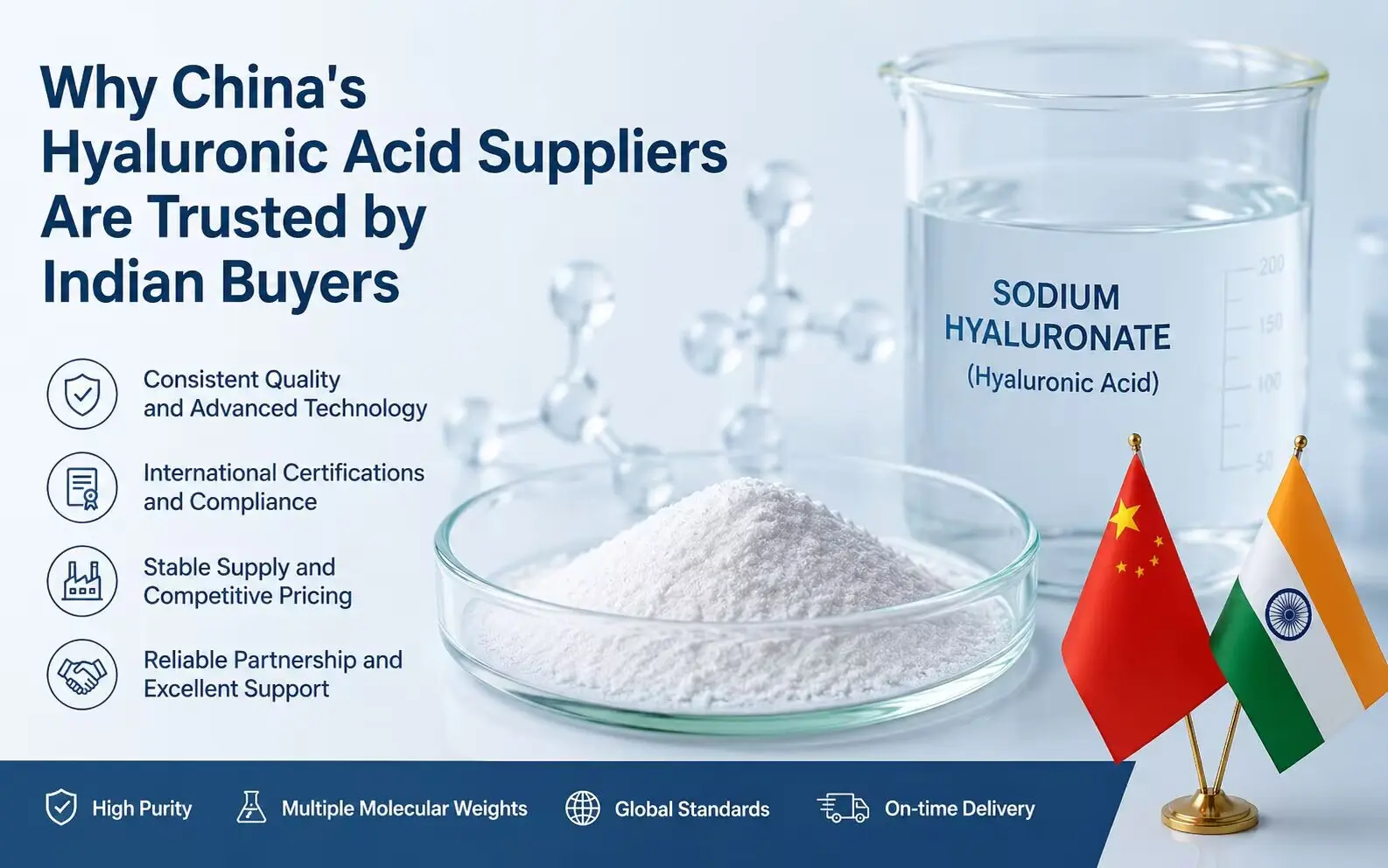
With rapid development of India's cosmetics and pharmaceutical sectors, buyers turn to Chinese manufacturers for consistent compliance and supply scale.
Read Article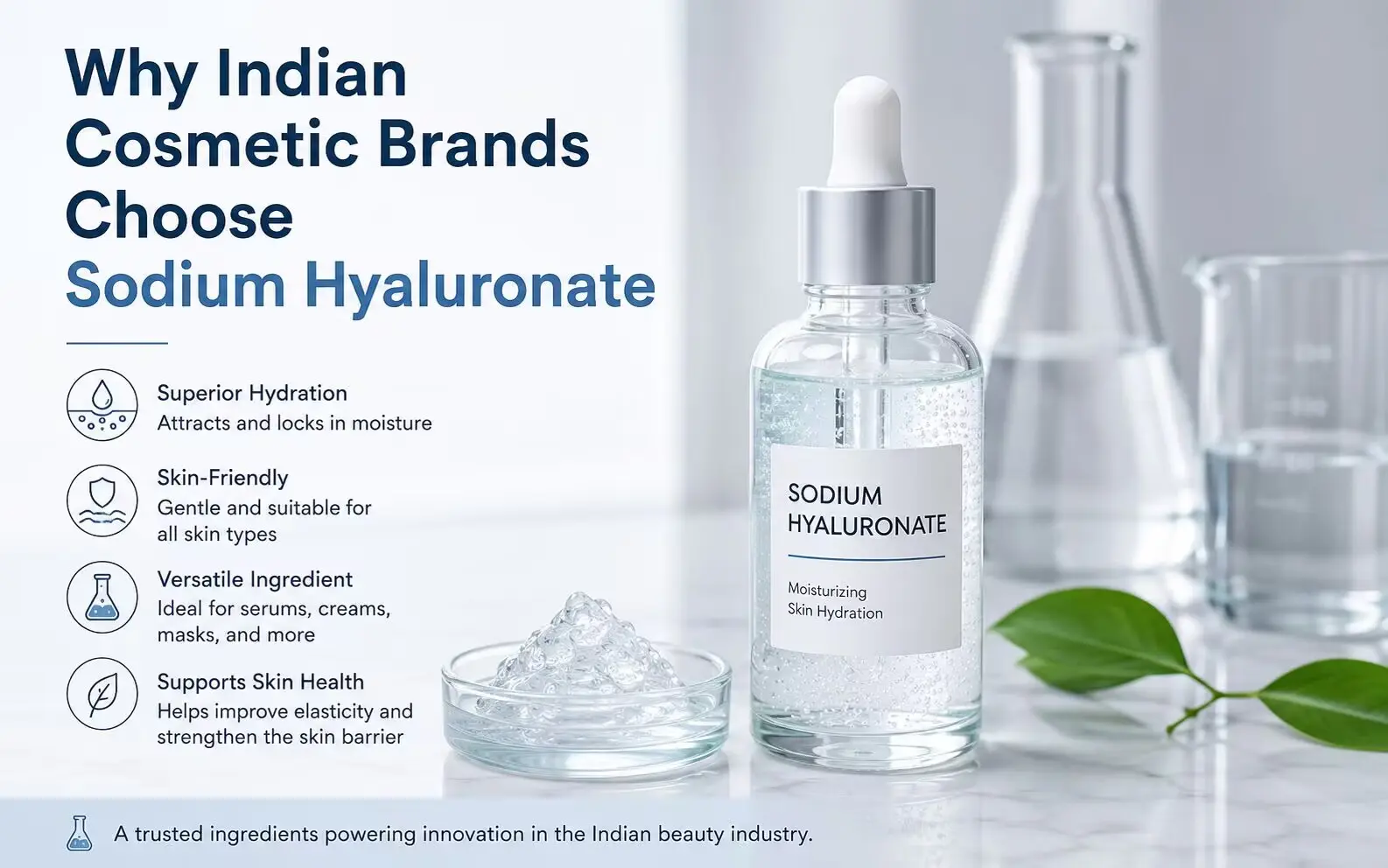
Examining the growth of Sodium Hyaluronate in Indian personal care brands to deliver high hydration performance across diverse skincare ranges.
Read Article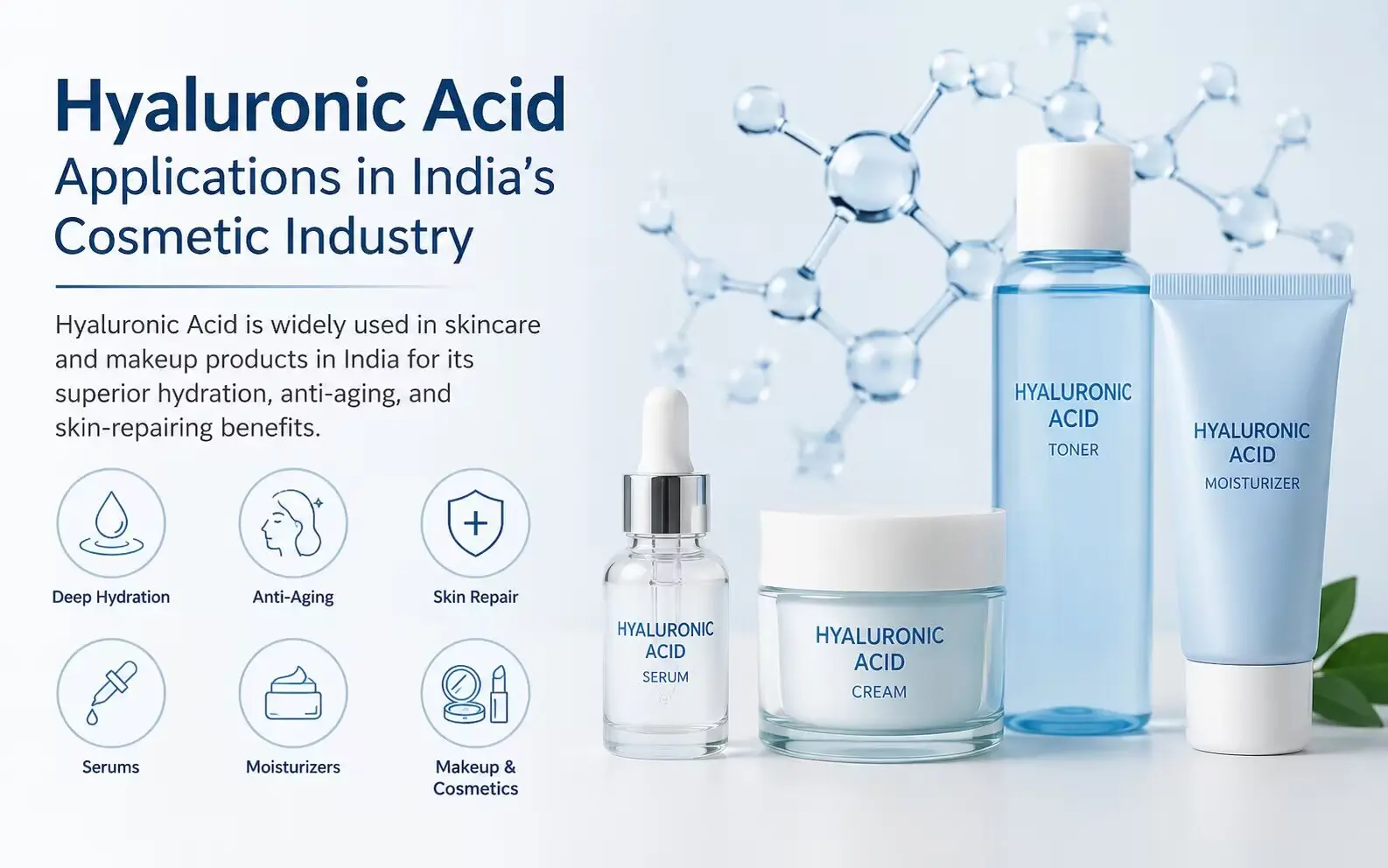
Exploring the expanding formulation possibilities of HA in serums, moisturizers, and custom personal care treatments.
Read ArticleDetailed technical answers for procurement officers and formulation chemists.
Premium functional ingredients and customized dermal/cosmetic solutions manufactured at our modern facility.