Providing high stability, low protein content, and certified non-animal origin sodium hyaluronate formulations.
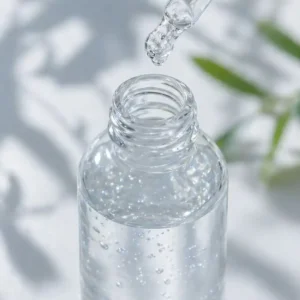
Ready-to-use stable liquid carrier optimized for instant hydration and fast-absorbing cosmetic formulations.
View Details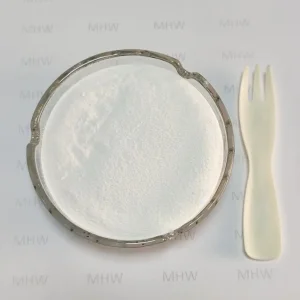
Ophthalmic grade with low endotoxin levels, engineered for artificial tears and advanced optical preparations.
View Details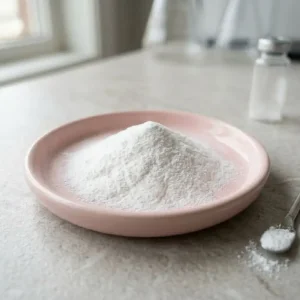
High viscosity retention properties, providing long-lasting corneal surface lubrication and relief.
View Details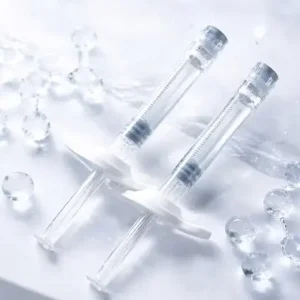
Cross-linked monophasic/biphasic HA fillers for deep dermis injection, ensuring natural volume restoration.
View Details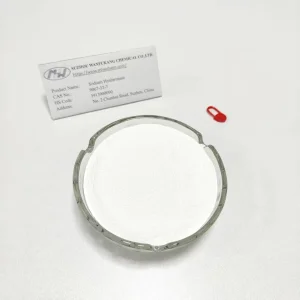
High-purity crystalline powder produced via advanced bio-fermentation for clinical dry eye therapy.
View Details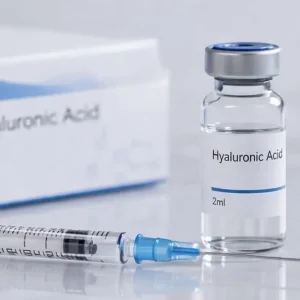
Highly purified sodium hyaluronate with optimal G-prime value for long lasting facial contouring.
View Details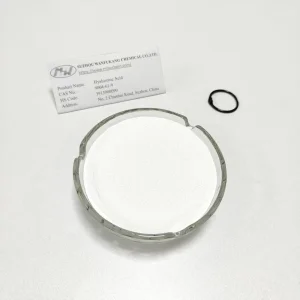
Nutricosmetic raw material enhancing joint health, skin moisture retention, and oral dietary efficacy.
View Details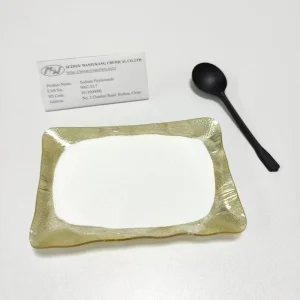
Strictly compliant with EP and USP guidelines, suitable for surgical viscoelastics and eye lubricants.
View DetailsHyaluronic Acid (HA), chemically categorized as a linear high-molecular-weight glycosaminoglycan, serves as a cornerstone molecule in dermatological science, corrective aesthetics, and advanced ophthalmology. From its inception as an extract derived from animal sources (such as rooster combs), the global market has fully transitioned to Streptococcus zooepidemicus microbial fermentation. This shift has eliminated risks associated with zoonotic viral transmission, increased batch consistency, and lowered molecular weight thresholds to serve diverse biological functions.
As cosmetic brands and medical manufacturers search for the *best hyaluronic acid facial suppliers*, they face a complex landscape. Factors like molecular weight distribution, cross-linking density, protein residue, and compliance with global regulatory standards (FDA, CEP, GMP) dictate procurement decisions. Finding a supplier with the right balance of these technical parameters is essential for high-performance product development.
Information Gain Key Metric: Traditional cosmetic formulations utilize High Molecular Weight (HMW) HA to form a physical protective barrier on the skin's surface. However, modern clinical solutions require multi-stage molecular distribution (Oligo HA, LMW, MMW, and HMW) to simultaneously achieve deep dermal penetration and surface moisture lock.
Procurement managers at multinational beauty houses and medical device firms evaluate supplier partners on strict technological criteria. The standard requirement is no longer just "98% assay purity," but rather the precise physical-chemical profile of the raw powder:
Solid manufacturing credentials backing our global distribution network.
Different molecular weights of Sodium Hyaluronate have distinct mechanisms of action on the human skin and physiological tissues. Understanding these differences allows formulators to optimize ingredient synergy:
| Classification | Molecular Weight Range | Primary Function | Ideal Application |
|---|---|---|---|
| Super High (HMW) | > 2.0 MDa | Moisture-lock film formation, friction reduction | Ophthalmic lubricants, protective facial creams |
| Standard High (HMW) | 1.0 - 1.8 MDa | Surface hydration, viscosity enhancement | Hydrating serums, essence masks |
| Medium (MMW) | 200 - 600 kDa | Skin barrier repair, cellular migration support | Anti-aging lotions, daily skin care |
| Low (LMW) | 10 - 100 kDa | Deep epidermal hydration, collagen synthesis support | Plumping serums, regenerative treatments |
| Oligo HA / Hydrolyzed | < 10 kDa | Transdermal penetration, radical scavenging | Clinical repair serums, targeted wrinkle therapies |
High molecular weight sodium hyaluronate forms a non-occlusive, breathable film on the stratum corneum. This mesh-like structure traps moisture, reduces transepidermal water loss (TEWL), and shields the skin from environmental stressors such as fine particulate matter and dry climate conditions.
Oligo-HA, with its low molecular weight, bypasses the lipid barrier of the stratum corneum. It enters the deep epidermal layers, where it binds with water molecules in the intercellular matrix and interacts with CD44 receptors to promote wound healing, reduce inflammation, and support tissue regeneration.
Select a category to view high-performance functional raw materials for cosmetics, food, and medical applications.

Pure raw material with optimal water-binding capacity, suited for premium hydrating skincare formulations.

99% pure Vitamin B3 powder. Synergizes with HA to boost ceramide synthesis and brighten skin tone.

Highly effective skin brightening agent that targets melanin pathways. Stable and non-irritating.

Ideal for clean-beauty brands, manufactured under strict eco-friendly fermentation guidelines.

Food grade active antioxidant supporting cellular energy production and cardiovascular health.

High purity acidulant used to adjust pH and extend shelf-life in functional food products.

Stable food supplement ingredient supporting ocular function and mucosal membrane integrity.

Highly bioavailable oral HA designed to support joint lubrication and skin moisture from within.

High-purity raw material supporting joint cartilage health and reducing inflammation.

High-grade ascorbic acid powder used for stabilization and antioxidant fortification.

Strictly controlled injection-grade raw material with low heavy metal and endotoxin levels.

Pharmaceutical grade material offering shear-thinning behavior for ophthalmic solutions.
High-performance cosmetic and pharmaceutical raw materials require strict quality documentation to comply with global regulatory frameworks. Purchasing departments must verify several certifications before approving a supplier for trial runs:
A common challenge with topical HA is its low penetration through the lipophilic skin barrier due to its large molecular size. To address this, leading formulators are moving away from single-ingredient formulations. Instead, they combine different grades of HA with other active ingredients to enhance delivery and efficacy:
For instance, combining Sodium Hyaluronate with Niacinamide (Vitamin B3) helps repair the skin barrier. The niacinamide stimulates natural ceramide production, which seals in the hydration provided by the HA. When formulating anti-aging serums, adding Arbutin or Vitamin C along with low-molecular-weight HA helps stabilize these active compounds, protecting them from oxidation while ensuring they penetrate deeper into the skin layers.
Suzhou Wanfukang Chemical Co., Ltd. has established itself as a professional supplier of Sodium Hyaluronate and Hyaluronic Acid over years of operation. Our business covers all major grades of sodium hyaluronate, including food grade, cosmetic grade, and pharmaceutical grade.
As we have grown, we have expanded our product portfolio to include cosmetic ingredients, health food raw materials, and pharmaceutical active ingredients. These materials are widely used in skincare, joint health supplements, and medical devices. Backed by solid research, strict quality control, and dedicated customer support, we continue to supply reliable raw materials to brands and manufacturers worldwide.
Stay informed with the latest updates on supply chains, regional market shifts, and emerging formulation trends.
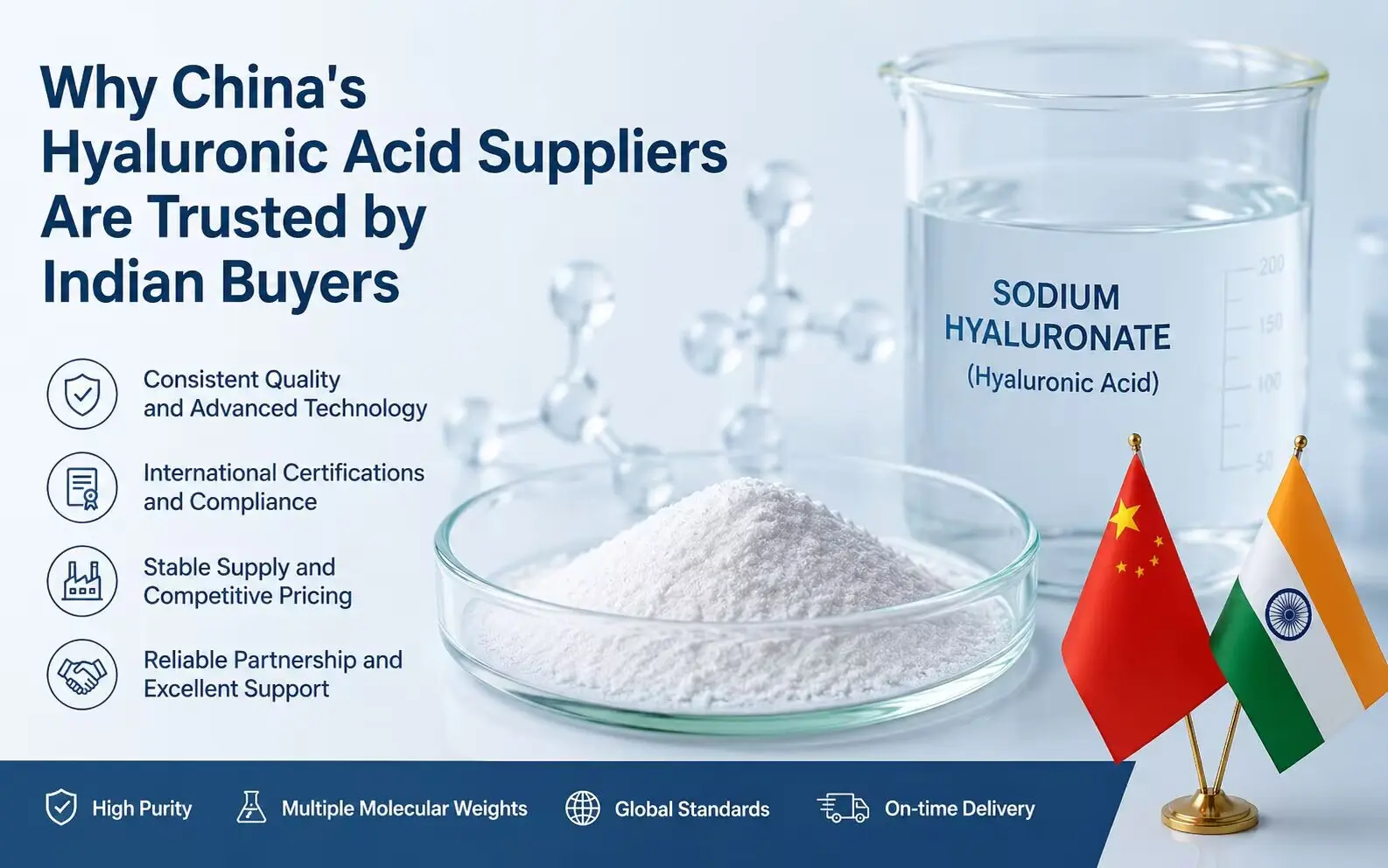
India's beauty, health, and pharmaceutical industries are growing rapidly, driving up demand for high-quality hyaluronic acid. Chinese suppliers have become key partners by providing reliable supply chains, consistent batch quality, and cost advantages that support local manufacturing growth.
Read Full Report →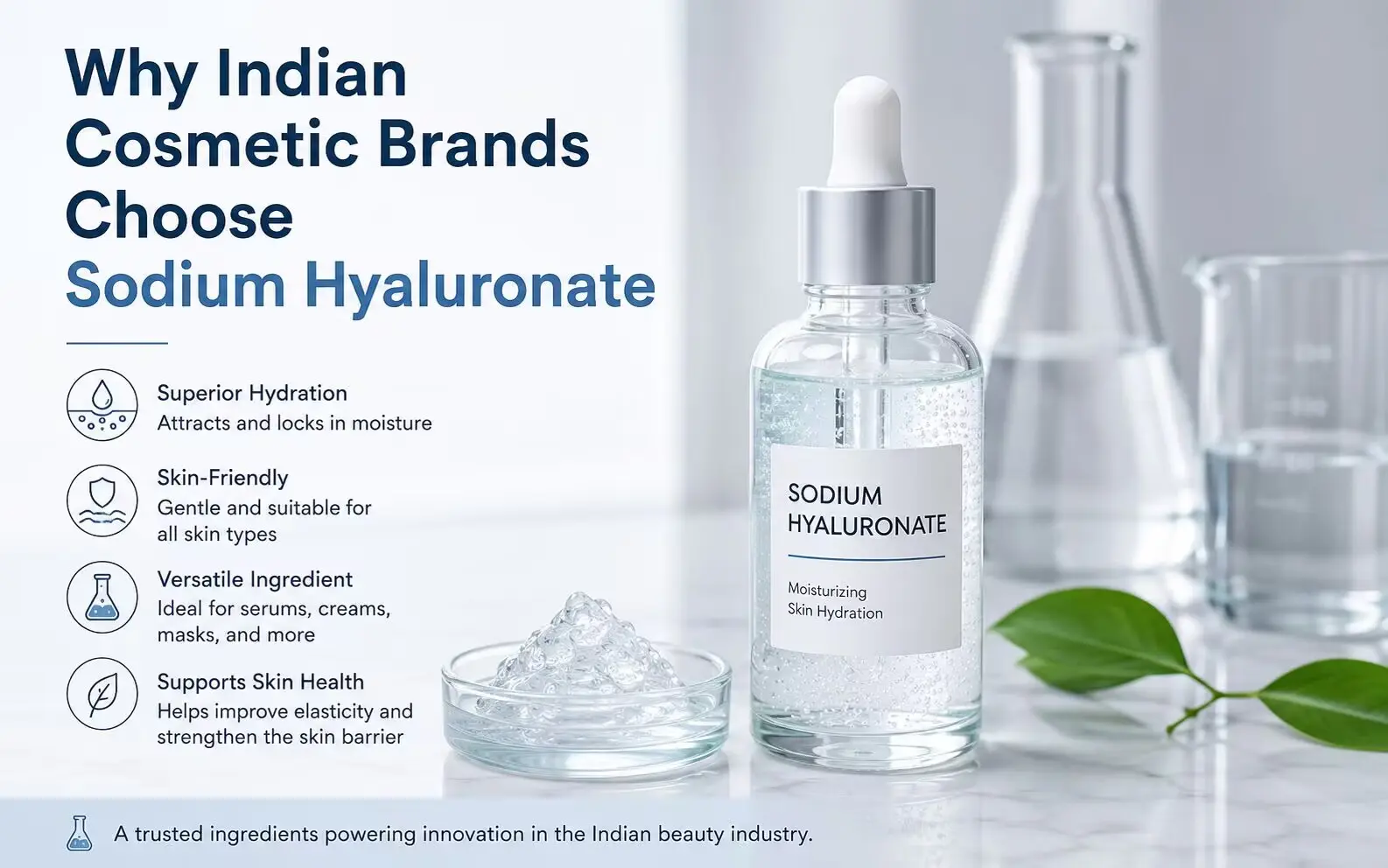
As Indian consumers seek out high-performance skincare, local brands are updating their formulas. Sodium hyaluronate is now widely used in serums, creams, and sunscreens because of its stability in warm climates and its proven hydration benefits.
Read Full Report →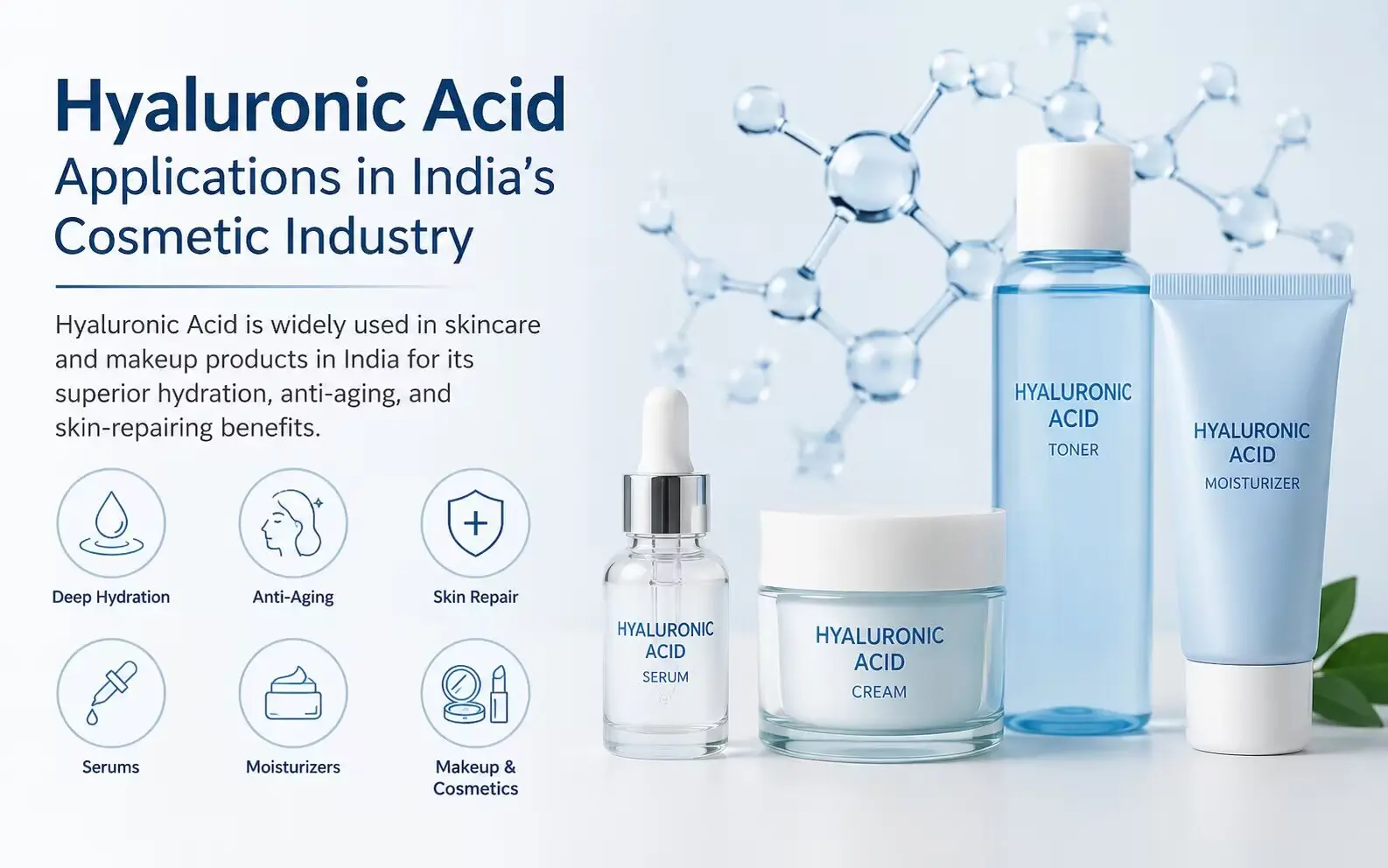
The rise of active-ingredient skin care has made hyaluronic acid a popular choice for formulators. Its versatile molecular weights make it suitable for a variety of products, from lightweight facial drops to rich protective creams.
Read Full Report →Explore our selection of specialized dermal fillers, custom packaging grades, and microbial-fermented powders.
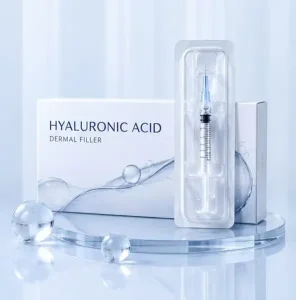
Targeted filler with optimal elasticity, designed to smooth forehead wrinkles and restore facial volume.
View Details
Non-animal origin raw material with high batch purity, ideal for ophthalmic solutions and dry eye drops.
View Details
Medium molecular weight powder offering balanced skin barrier support and long-lasting hydration.
View Details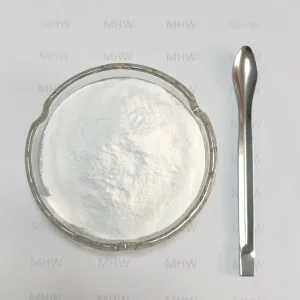
Food-grade active ingredient designed for joint health supplements, skin drinks, and wellness products.
View Details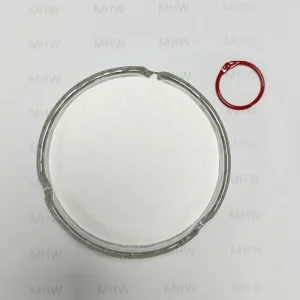
Ultra-pure, low-protein HA powder for injectable medical formulations and dermal fillers.
View Details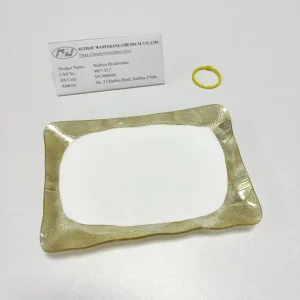
Low molecular weight food-grade HA, optimized for fast absorption in oral supplements.
View Details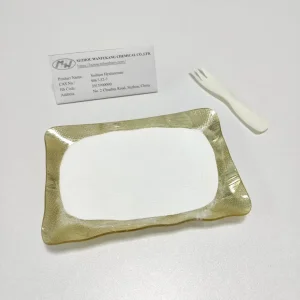
Highly purified HA powder with a neutral pH range, designed for clinical aesthetic fillers.
View Details
Premium eye drops raw material, offering high safety and reliable lubrication for optical applications.
View DetailsExpert answers to common questions about molecular weight selection, stability, and formulation compatibility.
A: The choice depends on the target function of your product. High molecular weight (>1.5 MDa) forms a protective film on the surface and is excellent for hydration in creams. Medium molecular weight (200-600 kDa) supports barrier repair, while low molecular weight (<100 kDa) or Oligo-HA is ideal for anti-aging serums because it can penetrate deeper into the skin.
A: High levels of protein residues or endotoxins in injectable or ophthalmic products can trigger immune reactions, inflammation, or postoperative complications. Ophthalmic and injection-grade HA must maintain endotoxin levels below 0.05 IU/mg to ensure biocompatibility and patient safety.
A: Microbial fermentation using Streptococcus strains ensures a non-animal origin product, which eliminates the risk of viral transmission. It also provides better batch-to-batch consistency, higher purity, and allows manufacturers to customize the molecular weight range for different applications.
A: Sodium Hyaluronate is highly hygroscopic. To prevent degradation, it should be stored in tightly sealed containers in a cool, dry place, shielded from light. Ophthalmic and injection grades are often kept under refrigeration (2–8°C) to protect their molecular structure long-term.
Collaborating with leading cosmetic and pharmaceutical brands across 20+ countries.