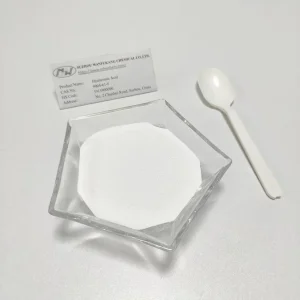
High-purity sodium hyaluronate and cross-linked formulations designed for structural integrity and high performance.
Scientific perspectives on non-surgical rhinoplasty raw material procurement and B2B requirements.
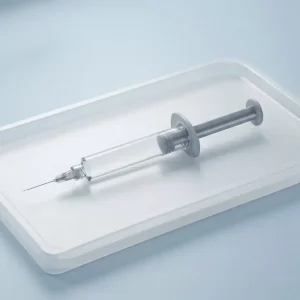
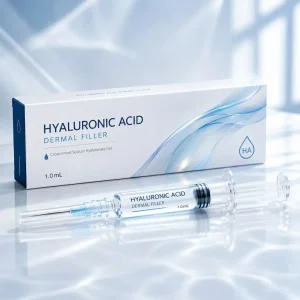
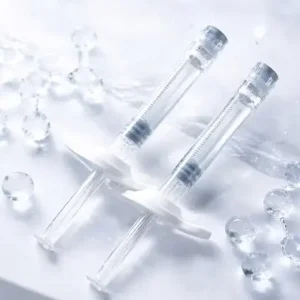
Non-surgical rhinoplasty (commonly referred to as the "liquid nose job" or hyaluronic acid nose augmentation) has emerged as one of the fastest-growing minimally invasive aesthetic procedures globally. Unlike traditional surgical rhinoplasty, which involves osteotomy and cartilage manipulation, liquid rhinoplasty demands an extremely specialized biomaterial. The ideal Hyaluronic Acid (HA) formulation for nasal tissue must possess high viscoelasticity (high G' or storage modulus) to withstand the significant mechanical stress and skin tension present over the nasal bridge and tip.
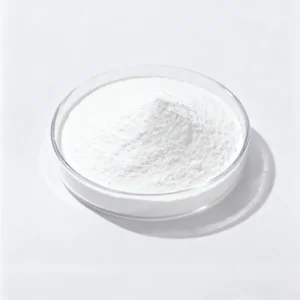
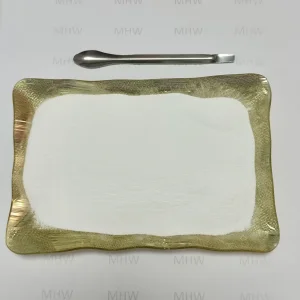
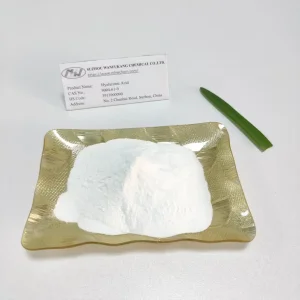
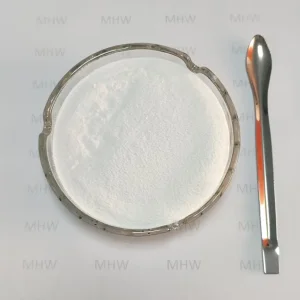
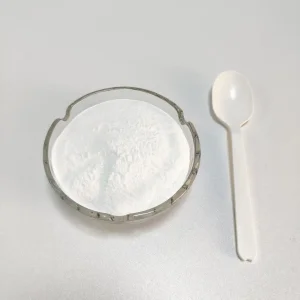
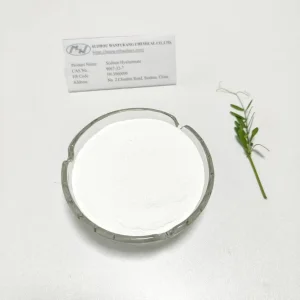
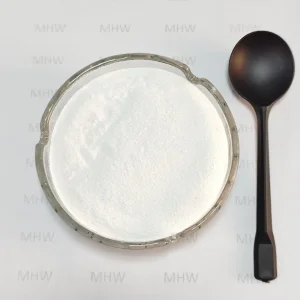
As a leading B2B supplier, Suzhou Wanfukang Chemical Co., Ltd. (Wanfukang) has established a globally recognized standard for supplying both raw sodium hyaluronate and finished cross-linked dermal fillers. Our pharmaceutical-grade HA is manufactured via advanced bio-fermentation processes, yielding ultra-high molecular weight profiles that act as the structural foundation for premium nasal fillers. We cater to global medical device manufacturers, clinical networks, and pharmaceutical distributors requiring absolute batch consistency, low endotoxin levels, and superior rheological characteristics.
Our raw materials achieve an assay purity exceeding 98% with minimal protein contamination, ensuring biocompatibility and reducing post-injection inflammatory risks.
Designed specifically for structural support. High G' formulations prevent migration and flattening, maintaining nasal bridge projection over extended periods.
Manufactured under strict GMP regulations, aligning with international standards required for MDD/MDR CE marks and FDA regulatory pathways.
How we engineer cross-linked matrices to meet the demands of liquid rhinoplasty applications.
We tailor the starting molecular weight of sodium hyaluronate from low molecular weight (LMW) for topical absorption to ultra-high molecular weight (HMW > 2.0 MDa) for injectable hydrogels, creating a highly cohesive structure.
Utilizing proprietary cross-linking technology to link HA chains with minimal BDDE residual. This maximizes duration while maintaining the safety profile, reducing free chemical agents in the final product.
Optimizing the ratio of cross-linked HA to free HA. For nasal augmentation, we formulate gels with high elasticity (G' ~ 400-600 Pa) and medium cohesivity to ensure the material stays exactly where it is placed.
Employing multi-stage membrane filtration and terminal sterilization protocols to achieve endotoxin limits far below USP standards (<0.05 IU/mg), guaranteeing excellent clinical tolerability.
Leveraging scale, precision engineering, and robust supply chains to power international brands.
As a leading supplier of sodium hyaluronate based in Suzhou, China, Suzhou Wanfukang Chemical Co., Ltd. integrates advanced bio-fermentation tech with efficient logistics. Our facilities are designed to adapt to rapid changes in global demand, ensuring constant raw material availability and uninterrupted shipping routes.
Tailored supply options meeting regional pharmacopeia and regulatory requirements.
For US and Canadian medical device brands, we provide full DMF (Drug Master File) documentation, ensuring our sodium hyaluronate raw material facilitates a smooth FDA 510(k) or PMA approval process for finished injectable gels.
Adapting to the strict requirements of EU MDR 2017/745, we supply raw materials with comprehensive traceability, detailed biocompatibility reports, and validation records for viral clearance and endotoxin controls.
Responding to growing demand in the Indian and Southeast Asian beauty sectors, we offer flexible packing options, reliable stability studies, and rapid custom clearance documentation for local cosmetics registrations.
Stay informed about global trade and technical developments in the sodium hyaluronate sector.
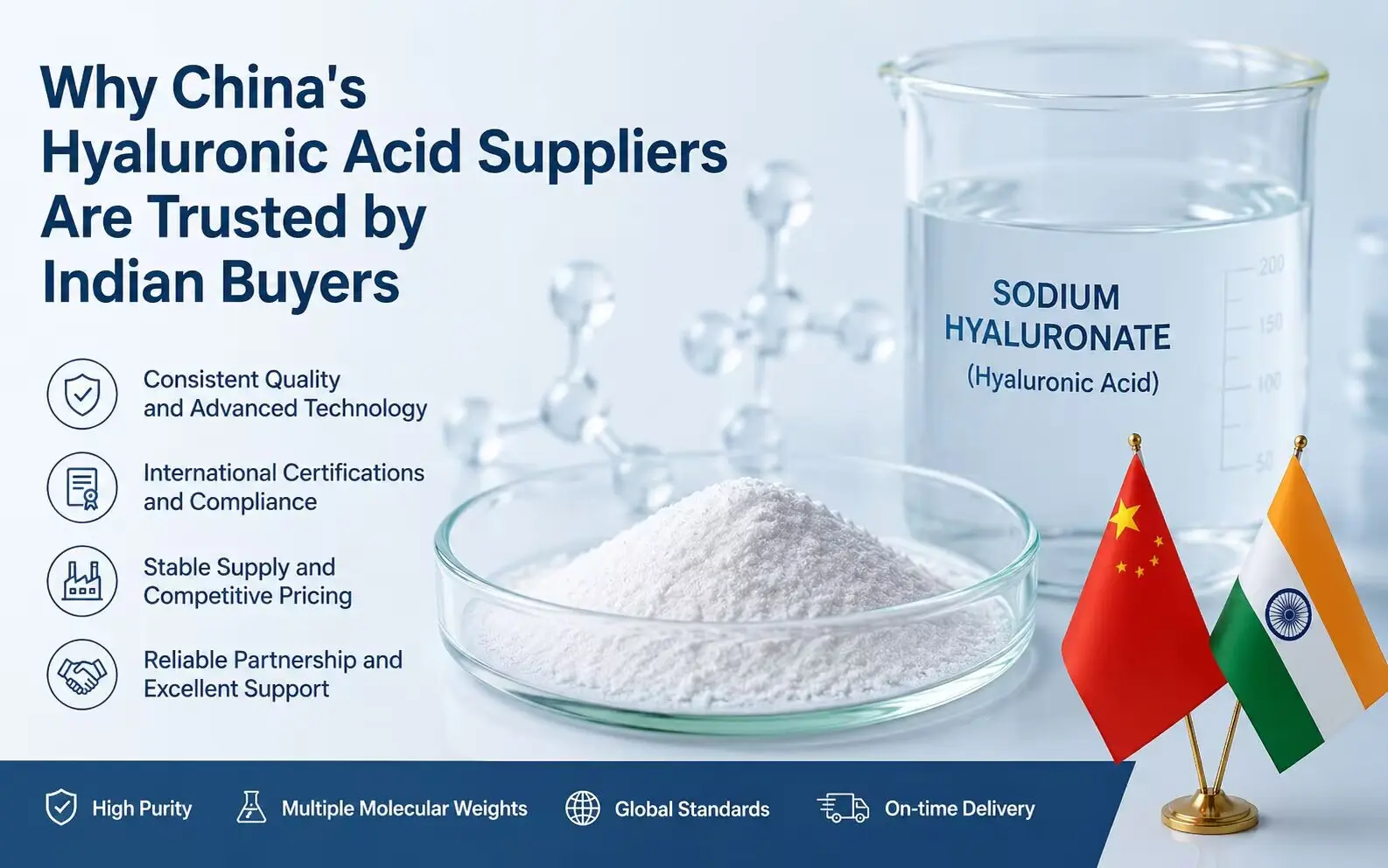
With India's cosmetic and pharmaceutical industries expanding, B2B buyers increasingly rely on Chinese raw material suppliers due to their process stability, purity standards, and reliable logistics.
Read Full Report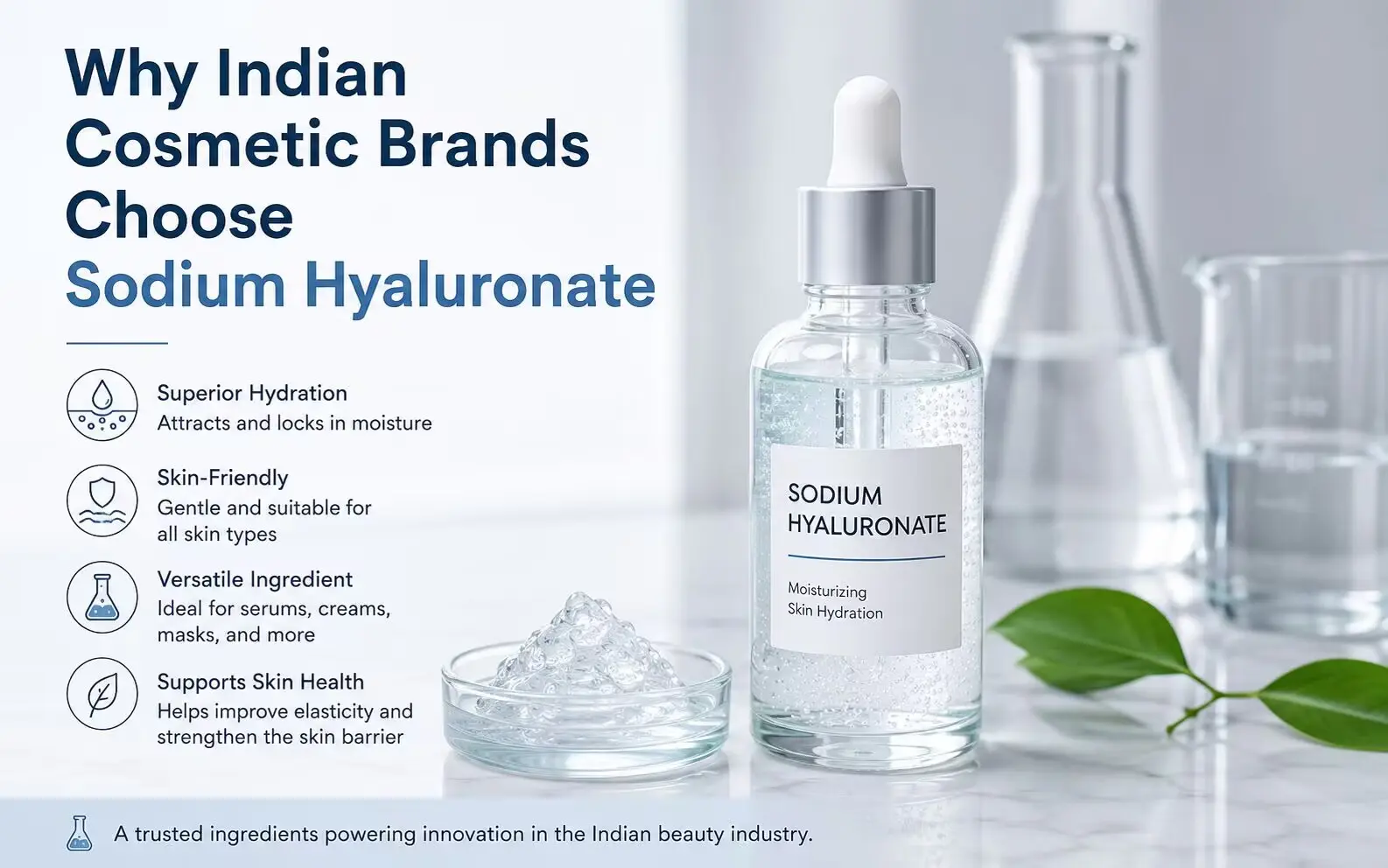
The rise of active-ingredient skin care in India has accelerated the adoption of sodium hyaluronate across diverse skincare categories, from hydrating serums to protective sunscreen creams.
Read Full Report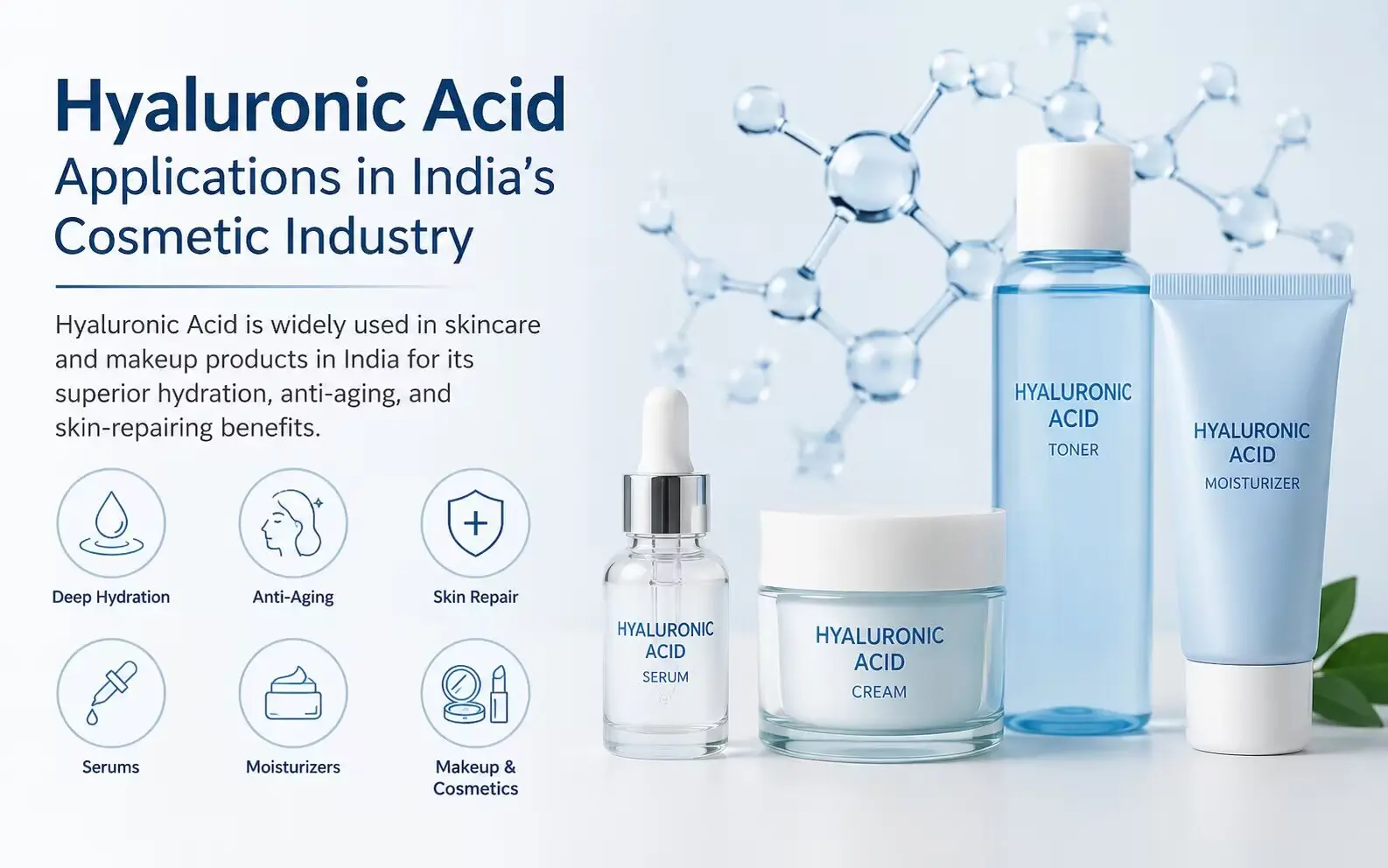
A closer look at how local and international brands formulate and market functional skincare products utilizing variable molecular weights to target regional climatic conditions.
Read Full ReportAnswers to common technical, regulatory, and logistics questions from professional medical buyers.
Nasal tissue is highly fibrous and exerts mechanical pressure on dermal implants. A suitable HA nasal filler must feature a high G' (elastic modulus) and high cohesiveness. This ensures the gel resists spreading or migration, providing structure and projection over time.
We utilize a proprietary washing and dialysis purification process. This step removes unreacted, free BDDE molecules from the cross-linked matrix, keeping the residual BDDE level below the detection limit (<2 ppm), reducing the risk of hypersensitivity reactions.
Suzhou Wanfukang Chemical Co., Ltd. operates under ISO 9001 and GMP-compliant conditions. Our injection-grade raw materials are supported by stability study profiles, validation files, and comprehensive COAs (Certificate of Analysis) detailing bioburden, endotoxins, heavy metals, and assays.
Under sealed, cool (2–8°C), and dry conditions, our sodium hyaluronate powder has a verified shelf life of 24 months. Standard cosmetic grade materials can be stored at controlled room temperature, shielded from direct light and moisture.

Industrial, cosmetic, pharmaceutical, and dietary formulations available for worldwide dispatch.