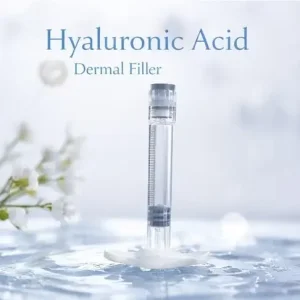
Premium active components designed for precise tear trough restoration, offering optimized rheological profiles and unmatched safety standards.
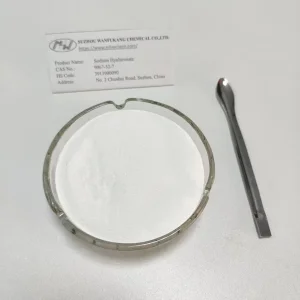
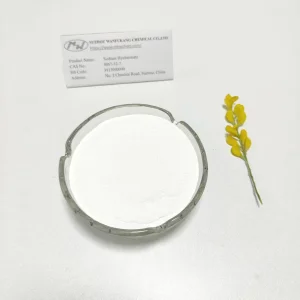

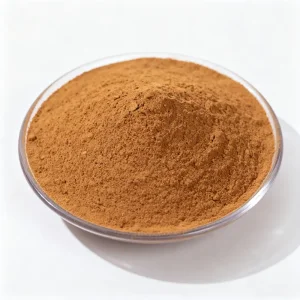
The periorbital area, particularly the tear trough deformity, represents one of the most anatomically challenging zones for aesthetic intervention. Thin epidermis, minimal subcutaneous fat, complex vascular networks, and continuous muscular activity make the selection of hyaluronic acid (HA) raw materials and finished fillers a highly critical decision for global medical device manufacturers and aesthetic clinics. As a leading Hyaluronic Acid Under Eye Filler Supplier, we understand that addressing dark circles, palpebral-malar grooves, and volume deficits requires an intricate balance of viscoelasticity, cohesivity, and biophysical safety.
Unlike cheek or jawline augmentation where high elastic modulus (G') is favored to lift heavy tissues, the under-eye region demands an HA formulation with moderate elastic modulus (G') and low viscous modulus (G''). An excessively stiff filler will create visible nodules or lumps under the delicate periorbital skin, while a filler with poor cohesivity will migrate into the orbicularis oculi muscle, yielding irregular results or exacerbating under-eye bags.
Additionally, the Tyndall Effect—a bluish discoloration caused by light scattering through transparent gel structures placed too superficially—must be prevented. This is achieved by adjusting the refractive index of the cross-linked matrix and minimizing the particle sizing using advanced sizing technologies. Global manufacturers rely on our raw materials to formulate hydrogels that blend seamlessly into the surrounding tissue matrix.
The global market for periorbital rejuvenation is rapidly shifting from conventional monophasic fillers toward biomimetic and multi-component hydrogels. Understanding these advancements allows B2B procurement officers and R&D formulation specialists to align their product roadmaps with upcoming patient demands.
Combining high-molecular-weight (HMW-HA) and low-molecular-weight (LMW-HA) chains in a targeted ratio generates a cohesive network that integrates with dermal tissues while sustaining long-term mechanical strength and enzyme resistance.
Leveraging specialized cross-linking procedures allows manufacturers to minimize chemical cross-linker usage while maximizing G' efficiency. This dramatically lowers the immune response and localized redness post-treatment.
Modern clinics demand formulations combining cross-linked HA with essential micronutrients (amino acids, trace minerals) and lidocaine. This dynamic blend hydrates, reduces injection pain, and promotes collagen synthesis simultaneously.
To help pharmaceutical companies choose the correct ingredient specifications, we provide an engineered reference matrix below:
| Application Area | Recommended HA Grade | Concentration (mg/mL) | Target Rheology (G') | Excretory Halflife |
|---|---|---|---|---|
| Tear Troughs (Fine Lines) | Superficial Cross-Linked + HA Powder | 15 - 20 mg/mL | Low-to-Medium (~80-120 Pa) | 6 - 9 Months |
| Deep Periorbital Hollowing | Deep Cross-Linked (Aesthetic Dermal Grade) | 20 - 24 mg/mL | Medium (~150-200 Pa) | 9 - 12 Months |
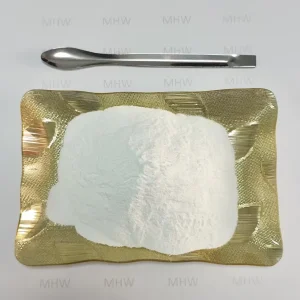
| Topical Recovery & Protection | Cosmetic/Eye Drop Grade HA Powder | 1% Liquid / 98% Assay Powder | N/A (Linear Lubrication) | N/A (Daily Topical) |
As a seasoned business partner, we recognize that cosmetic brand managers and pharmaceutical supply chain leads face complex purchasing environments. To mitigate regulatory bottlenecks and keep production lines humming, B2B procurement demands structured raw material guarantees:
To support global aesthetic brands from concept to shelf, we offer tailored contract manufacturing (OEM/ODM) services. Our cleanrooms feature automated aseptic filling systems capable of fabricating pre-filled syringes with precise viscosity adjustments. Our specialists assist in tailoring the degradation rates, viscosity indexes, and mechanical extrusion forces of hydrogels to fit specific micro-cannula gauges, providing medical practitioners with an optimal injection experience.
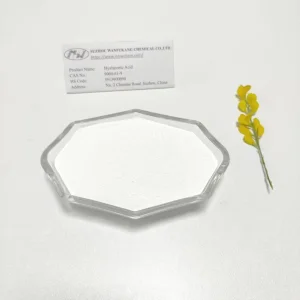
Suzhou Wanfukang Chemical Co., Ltd. has established itself as an authoritative supplier of high-purity Sodium Hyaluronate and Hyaluronic Acid derivatives, catering to global pharmaceutical, cosmetic, and functional food sectors.
Over nearly a decade of focused biopolymer research, our product range has expanded to support medical device injection matrices, ophthalmology preparations, functional health supplements, and premium cosmetic formulations.
By implementing strict QA/QC protocols across all manufacturing phases, we ensure every batch of raw materials provides outstanding biocompatibility, low immunogenicity, and exceptional clinical stability. Our experts provide customized raw material services to meet the specific requirements of worldwide buyers.
Global Quality Assurance & Standards Compliance:
As aesthetic medicine moves toward tissue integration and active regeneration, our R&D team is actively commercializing innovations that will define the future of under-eye fillers:
Traditional chemical agents (like BDDE) are being phased down in favor of enzymatic cross-linking using transglutaminase. This approach yields zero synthetic chemical chemical residues, reducing tissue swelling reactions and maximizing post-market safety profiles.
Integrating Sodium Hyaluronate matrices with Polynucleotides (PN/PDRN) offers dual-action rejuvenation. The HA matrix immediately restores hollow structural volumes, while the PN components stimulate fibroblasts, thickening the delicate under-eye dermis naturally.
By blending multiple distinct ranges of molecular weights, our laboratories are engineering "bimodal" polymers. These materials present a low extrusion force through fine needles, while achieving stable tissue projection and high resistance to endogenous hyaluronidase.
Utilizing high-performance liquid chromatography (HPLC) and nuclear magnetic resonance (NMR) spectroscopy, we screen every batch to confirm complete purity profile analysis. Global regulators can confidently audit our production protocols at any stage.
Expert insights covering the biochemical properties and clinical integration of periorbital hyaluronic acid fillers.
For injection purposes, a high molecular weight raw material (ranging from 1.5 to 2.2 MDa) is typically preferred before cross-linking. This provides strong structural integrity post-cross-linking. For topical serums or recovery drops, hydrolyzed sodium hyaluronate with an ultra-low molecular weight (< 10 kDa) is ideal for deep dermal hydration.
Our facilities utilize a proprietary dialysis purification sequence. After the cross-linking reaction completes, the gel slurry is dialyzed against purified water for 72 hours, extracting residual unreacted BDDE. High-resolution gas chromatography verifies that levels stay below 1 ppm, preventing delayed-onset hypersensitivity.
No. Injectable formulations strictly require Pharmaceutical Grade/Injection Grade Sodium Hyaluronate. Cosmetic-grade ingredients are optimized for topical creams, lotions, and serums. They do not undergo the extreme pyrogen, endotoxin, and sterile validation processes required for injectable medical devices.
A typical cross-linked under-eye formulation degrades gradually via enzymatic pathways (hyaluronidase) and free radical oxidation. Depending on cross-linking density and G' parameters, the volume persistence averages 9 to 12 months in the tear trough region before being metabolized into water and carbon dioxide.
The swelling index defines how much water the hydrogel absorbs after injection. Under-eye dermal fillers need a low swelling index (approx. 2-3x weight volume) to prevent local lymphatic congestion, which can present as persistent morning edema under the eyes.
Stay updated with our technical analysis of global hyaluronic acid trends, purchasing habits, and cosmetic markets.
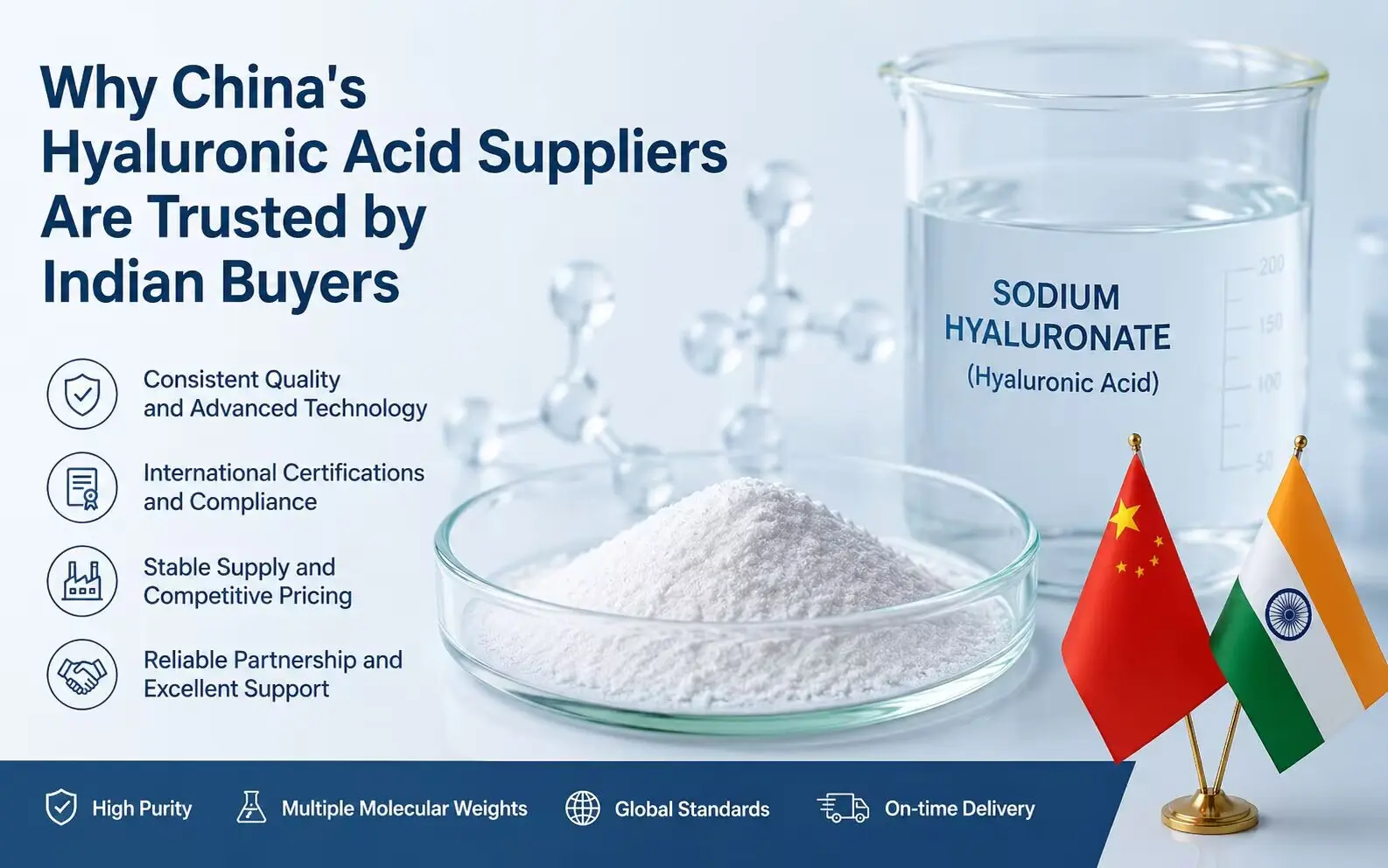
In recent years, with the rapid development of India's cosmetics, pharmaceutical, and health product industries, the market demand for hyaluronic acid (HA) has continued to grow. More and more Indian buyers trust Chinese suppliers due to strict regulatory compliance and stable logistics.
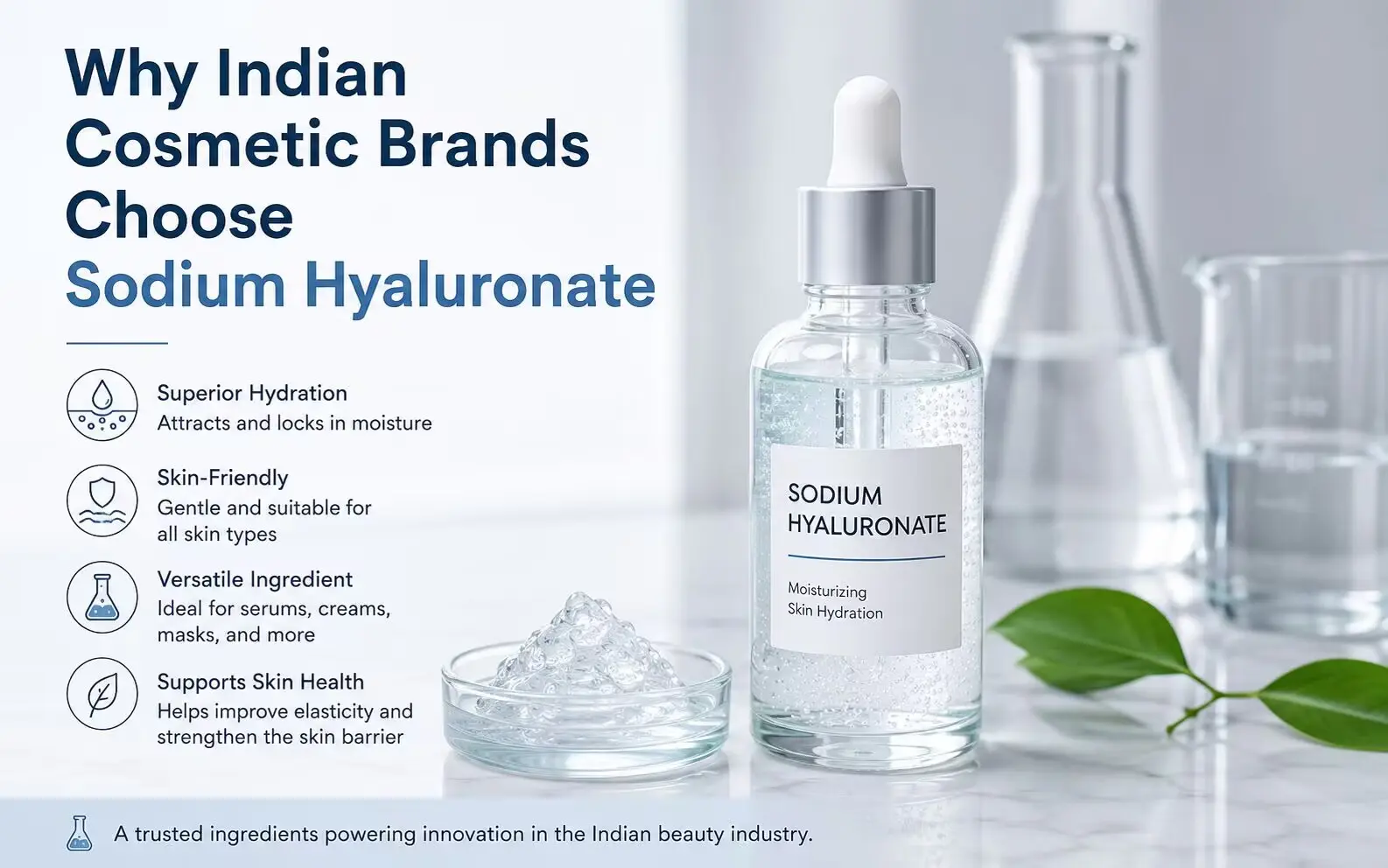
With the expansion of the beauty and personal care market, consumers' demand for highly effective skincare products has increased. Sodium Hyaluronate has become the primary moisturizing choice for formulations ranging from serums to makeup products.
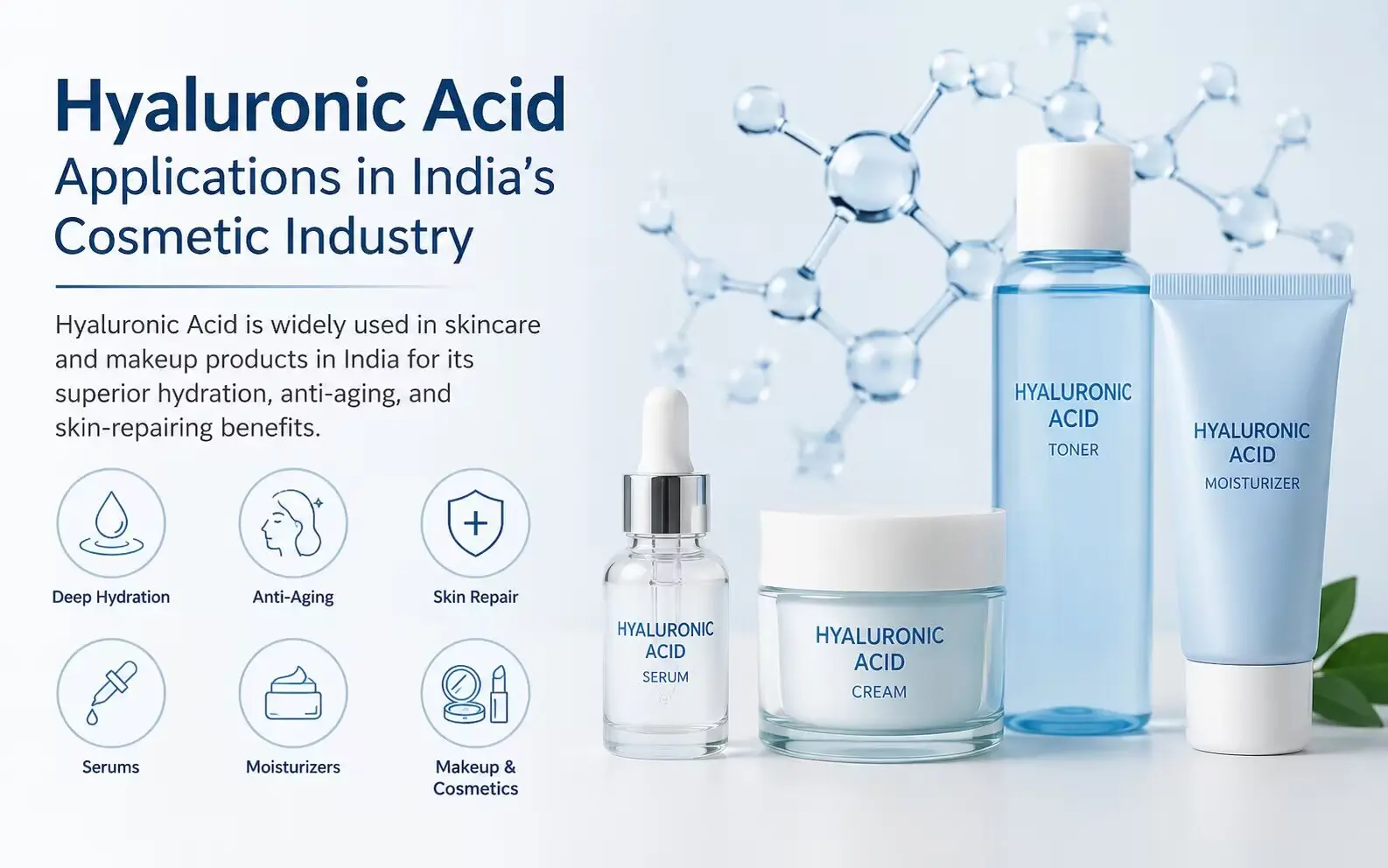
Driven by scientific formulation trends, the integration of HA in periorbital topical care and microneedling has expanded. Buyers prioritize suppliers providing complete technical and toxicity validation files.
From high-assay powders to cross-linked dermal matrix fillers, explore our certified bulk solutions.