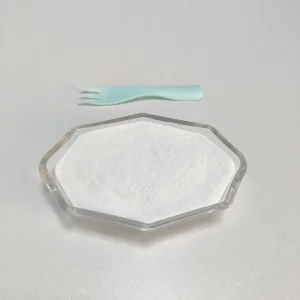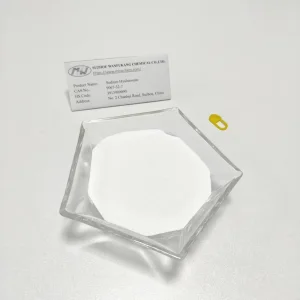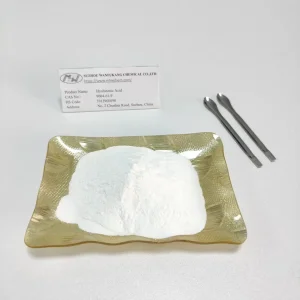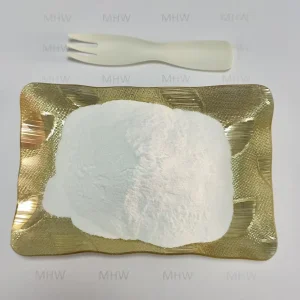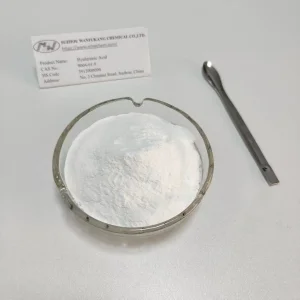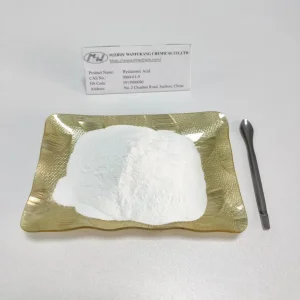
Direct supply from state-of-the-art biological synthesis lines. Designed for pharmaceutical, cosmetic, and nutraceutical applications.
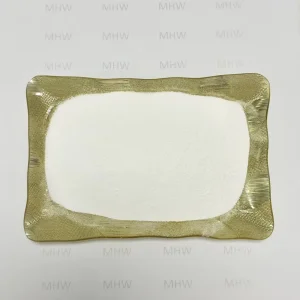
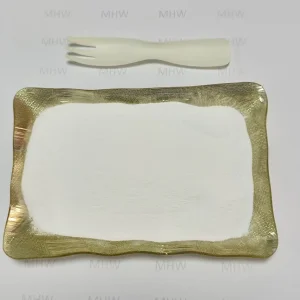
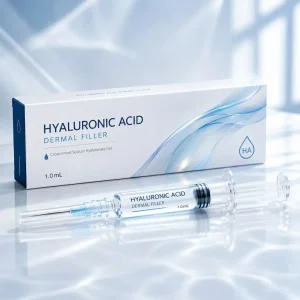
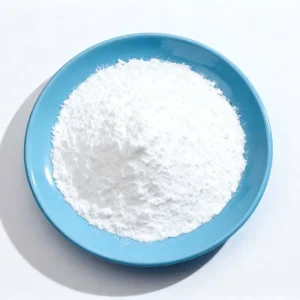
Understanding transdermal kinetics, molecular weight classification, and enzymatic bio-synthesis pipelines.
Hyaluronic Acid (HA), a natural glycosaminoglycan, serves as a vital component of the extracellular matrix. However, its high molecular weight (typically exceeding 1.5 million Daltons, or 1,500 kDa) creates a fundamental mechanical bottleneck: it cannot penetrate the stratum corneum. In contrast, Low Molecular Weight Hyaluronic Acid (LMW-HA), typically defined in ranges from 10 kDa to 150 kDa, and Oligomeric Hyaluronic Acid (Oligo-HA) (under 10 kDa), display vastly different biophysical properties.
Research confirms that molecules below 500 Daltons easily cross the skin barrier. For macromolecules like Hyaluronic Acid, cross-cellular or intercellular penetration occurs effectively only when the molecular weight is broken down below 100 kDa. Standard factories use either acid hydrolysis or enzymatic degradation. Advanced factories utilize enzymatic degradation, preserving the molecular ring structure of the HA, leading to zero skin irritation and high stability.
When formulating high-performance anti-aging serums, dermal delivery kinetics are vital. Oligo-HA penetrates directly into the spinous layer of the epidermis, activating CD44 receptors. This action triggers the natural synthesis of type I collagen in the dermis, providing skin plumping effects from the inside out, whereas high-molecular-weight HA remains on the surface to establish a non-occlusive moisturizing film.
How modern fermentation, automation, and industrial clusters are optimizing raw material supply chains.
The production of Hyaluronic Acid has shifted from animal-derived sources (such as rooster combs) to eco-friendly, non-animal microbial fermentation. This shift, pioneered by advanced biotechnology hubs in China, has democratized the availability of high-purity cosmetic, food, and pharmaceutical grade Sodium Hyaluronate globally.
Utilizing high-yield strains of Streptococcus zooepidemicus or genetically modified Bacillus subtilis inside computer-monitored bio-reactors, ensuring batch-to-batch consistency and high yields.
Transitioning from chemical acid hydrolysis to green enzyme-cleavage technology. This preserves the molecule's structural stability, prevents carbonization, and produces ultra-low endotoxin values.
High-tier factories adhere to GMP standards. Our pharmaceutical-grade Sodium Hyaluronate is suitable for ophthalmic solutions and intra-articular injections, meeting EP, USP, and ChP standards.
Today, cosmetic brands and ingredient distributors prioritize security of supply, scale economics, and regulatory compliance. Evaluating factories involves examining purification systems, heavy metal control (<10ppm), protein residue content (<0.05%), and specialized certifications such as Halal, Kosher, and ECOCERT/COSMOS.
Suzhou Wanfukang Chemical Co., Ltd is an established, professional supplier of Sodium Hyaluronate and Hyaluronic Acid raw materials with years of manufacturing expertise.
We offer full-spectrum molecular weight grades, including food, cosmetic, and pharmaceutical grades. Our portfolio has expanded into cosmetic active ingredients, health food supplements, and functional pharmaceutical compounds. Our high-purity ingredients are widely integrated into top-tier cosmetics, joint-health formulations, eye-care products, and sterile medical devices.
Comprehensive biological solutions engineered for global manufacturing, consumer care products, and health supplements.

Offers intense hydration and anti-wrinkle properties.

Skin whitening and sebum regulation active ingredient.

Direct tyrosinase inhibitor for spots reduction.

Cellular anti-oxidant designed for optimal heart health.
Exploring enzymatic hydrolysis mechanisms, cross-linked variants, and molecular stability pathways.
The major challenge in utilizing LMW-HA in aqueous formulas is its susceptibility to thermal and chemical degradation. Under heat or high shear rates, glycosidic bonds can break, altering the molecular weight profile and lowering product efficacy.
Innovations in bio-catalysis have introduced cross-linked low-molecular-weight HA. Unlike traditional polymer cross-linking (which forms high-viscosity dermal fillers), these oligomers create a stable, micro-mesh structure. They remain highly resistant to biological hyaluronidase degradation while maintaining transdermal absorption, offering sustained release on the target tissue.
We are also scaling production of Acetylated Sodium Hyaluronate (AcHA). By acetylating some of the hydroxyl groups in LMW-HA, the compound exhibits amphiphilic properties. This increases sebum affinity and skin adhesion, boosting hydration and reducing formulation tackiness.
LMW-HA acts as a penetration enhancer for other active compounds. When paired with niacinamide or arbutin, it opens microscopic paracellular channels in the stratum corneum, helping active molecules reach melanocytes and accelerating skin whitening and dark-spot reduction.
Ensuring compliance with FDA, REACH, Halal, Kosher, and Pharmacopoeial standards.
For global pharmaceutical and cosmetic companies, regulatory compliance is non-negotiable. Importing raw materials like Sodium Hyaluronate requires document transparency and rigorous testing verification.
Selecting a certified manufacturer mitigates supply-chain risks. Our advanced testing facility utilizes high-performance liquid chromatography (HPLC) to verify molecular weight distribution for every production batch.
Analyzing cosmetic formulation patterns in India, Europe, and North America.
Consumer preferences and formulation environments vary widely by region. Understanding these localized trends is essential when selecting the appropriate molecular weight of Hyaluronic Acid.
In recent years, India's cosmetic and pharmaceutical sectors have experienced rapid growth. This has driven high demand for reliable, high-purity active ingredients. In hot, humid climates, cosmetic formulators require non-sticky, quick-absorbing raw materials.
LMW-HA (10 kDa - 50 kDa) is the ideal choice for these formulations, offering deep hydration without leaving a greasy residue. Modern Indian personal care brands are using Chinese Sodium Hyaluronate suppliers due to their consistent batch quality, reliable logistics support, and favorable price-to-performance ratio.
In Europe and North America, the clean beauty movement has driven demand for sustainable raw materials. ECOCERT and COSMOS-compliant Hyaluronic Acid powders, produced through eco-friendly bacterial fermentation, are the industry standard. Brands focus on clinical data, seeking raw materials that show measured improvements in hydration depth, skin elasticity, and wrinkle reduction.
Answers to technical, regulatory, and chemical questions for product developers and procurement managers.
In-demand ingredients for international cosmetics, dietary supplements, and therapeutic formulations.
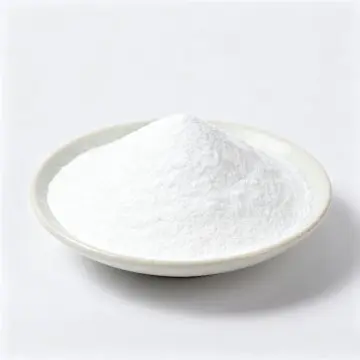
Food Supplement for Joint Health Support.
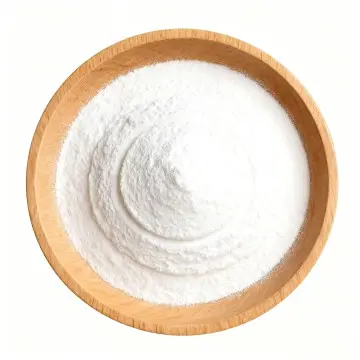
Food Additive Assay Above 99%.
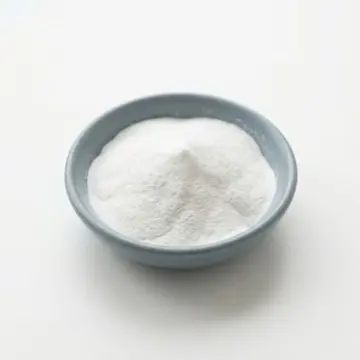
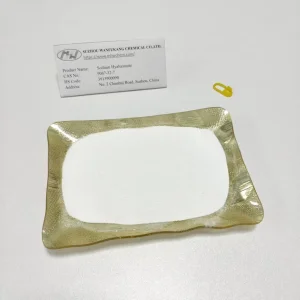
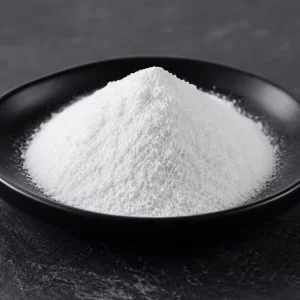
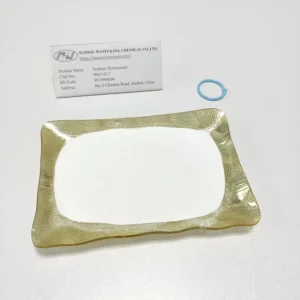
High Purity White Powder for Injection Use.
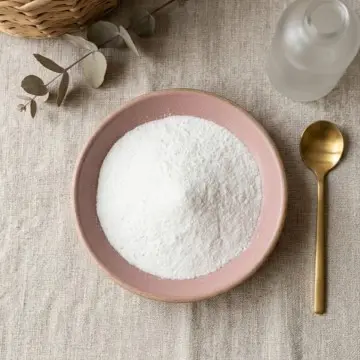
Food Grade for Joint Health Supplements.
Market studies, formulation guides, and distribution updates from our global trade department.
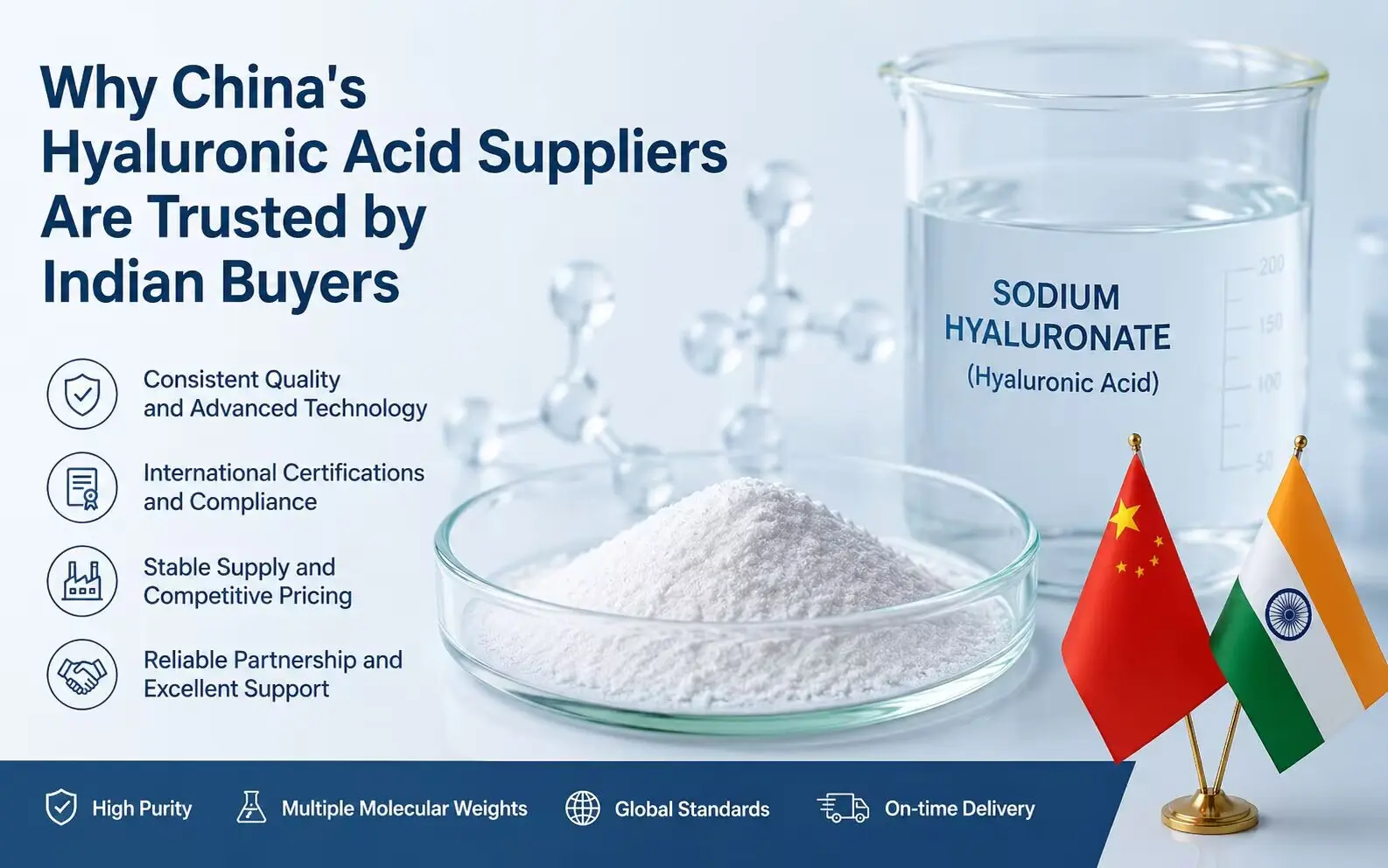
Analyzing key factors driving the growing trade relationship between Chinese bio-tech hubs and Indian pharmaceutical and personal care manufacturers.
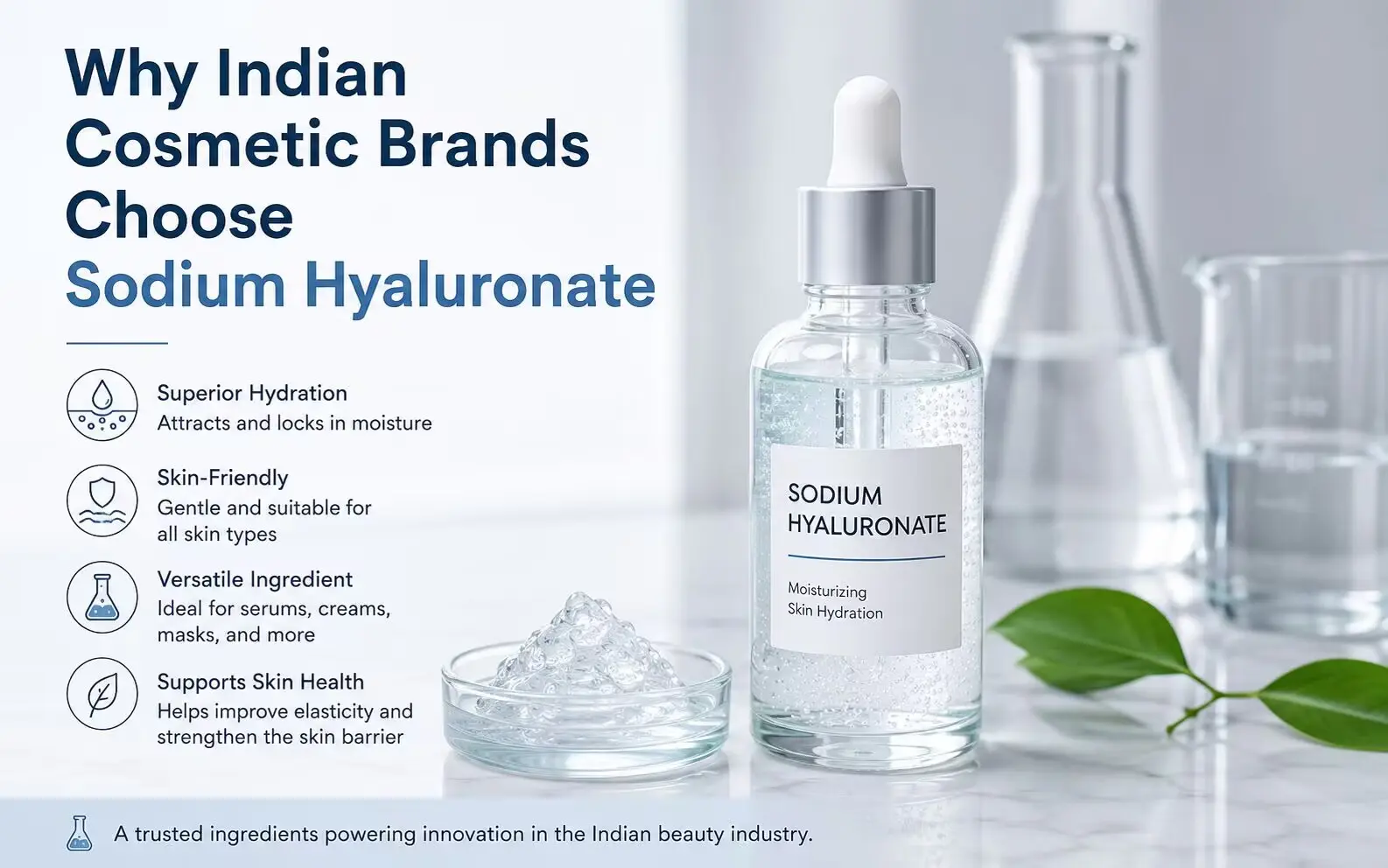
Exploring the shift toward clean, dermatologically tested active ingredients in the Indian beauty and personal care sector.
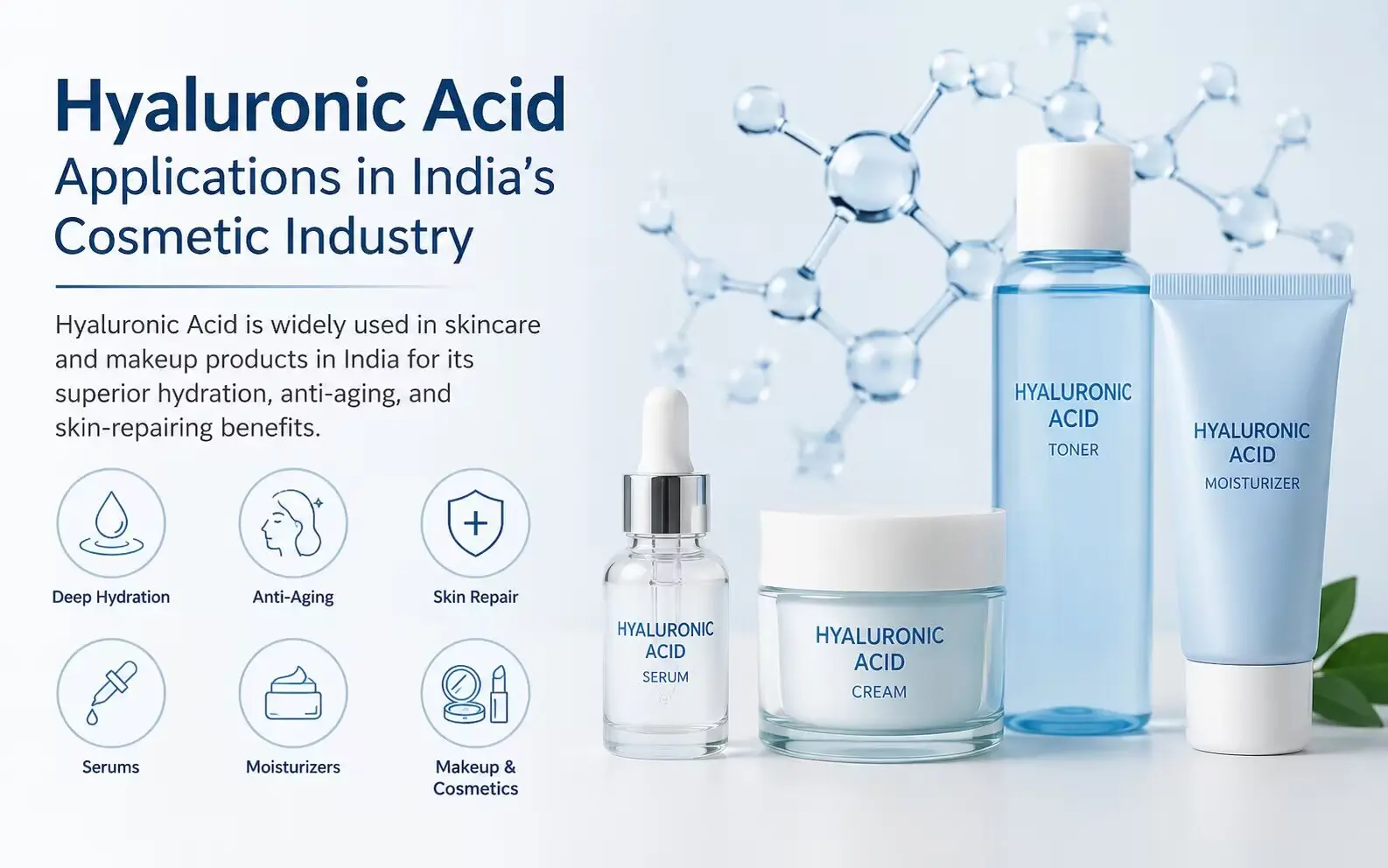
A technical guide to formulating stable serums, skin-plumping creams, and sun protection products for warm climates.
Our raw materials are integrated into products across Europe, the Americas, and the Asia-Pacific region.

High-purity sodium hyaluronate formulations and powder variants for target industries.