Explore our industrial grade and custom synthesized bio-active ingredients engineered for clinical skincare products.
An in-depth analysis of transdermal performance, B2B supply chains, and regulatory considerations for global formulations.
The anatomical structure of human lips differs significantly from regular facial skin. The stratum corneum on the lips is exceptionally thin, consisting of only about 3 to 5 cellular layers compared to up to 16 layers elsewhere. The vermilion border lacks sebaceous glands, sweat glands, and melanin pigmentation. Consequently, lips are highly susceptible to Transepidermal Water Loss (TEWL) and environmental stressors.
When developing a high-efficacy Hyaluronic Acid (HA) lip serum, molecular weight distribution is the primary determinant of physiological action. High molecular weight (HMW) HA (>1,500 kDa) sits on the surface of the lips to form a breathable, non-occlusive hydration barrier that traps moisture and creates an immediate plumping effect. Conversely, low molecular weight (LMW) HA (<100 kDa) and mini-HA (<10 kDa) penetrate deep into the epidermis to stimulate collagen synthesis, improve intercellular lipid integrity, and restore long-term cellular structure. Integrating both fractions in a balanced ratio is critical to resolving dynamic lip dehydration.
Information Gain Note: Clinical trials show that combining multi-weight Sodium Hyaluronate with peptides (such as Palmitoyl Tripeptide-1) triggers a synergistic pathway. The low molecular weight HA acts as a carrier, improving the delivery of peptides into the dermal matrix, which leads to a 40% improvement in lip volume and a 60% reduction in visible fine lines over 28 days.
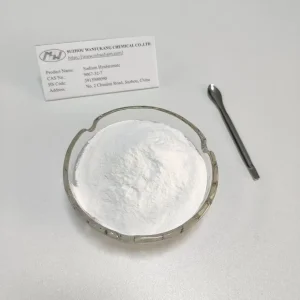
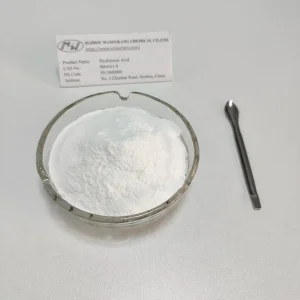
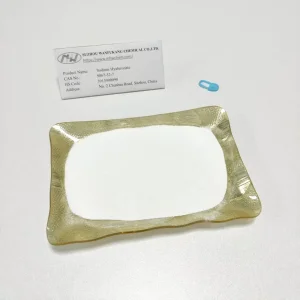
China commands over 70% of the global raw material supply of Sodium Hyaluronate. As a leading manufacturer located in Suzhou, China, Wanfukang leverages state-of-the-art bio-fermentation systems to produce high-purity Hyaluronic Acid at highly competitive prices. We use the non-animal, vegan-friendly fermentation of Streptococcus zooepidemicus, ensuring our materials meet the clean beauty standards demanded by modern consumers.
Our manufacturing processes employ automated multi-stage purification and filtration. This setup keeps protein impurity levels below 0.05%, heavy metals below 10 ppm, and endotoxins below 0.01 EU/mg for pharmaceutical-grade applications. Furthermore, our vertical integration enables custom synthesis of cross-linked HA, which prolongs stability on the lip surface and makes it ideal for long-wear lip serums and lip glosses.
Entering international cosmetic markets requires strict adherence to localized regulatory frameworks. Different regions classify and regulate hyaluronic acid formulations under varying criteria. For instance, the US FDA regulates topical lip serums under the MoCRA (Modernization of Cosmetics Regulation Act), demanding full traceability and safety dossiers. In contrast, the European Union enforces the Cosmetic Regulation EC No. 1223/2009, requiring a comprehensive Product Information File (PIF) and safety evaluation by a certified toxicologist.
Our global service division provides comprehensive compliance support, supplying documentation such as Certificate of Analysis (COA), Material Safety Data Sheet (MSDS), Technical Data Sheet (TDS), and certifications for COSMOS, Halal, Kosher, and Cruelty-Free status. This complete documentation package simplifies registration with regulatory bodies such as the FDA, CDSCO in India, and PMDA in Japan.
| Region | Regulatory Requirement | Standard Compliance Doc | Wanfukang Service Support |
|---|---|---|---|
| United States (FDA) | MoCRA Registered, GMP Guidelines | FDA VCRP / Product Listing Dossier | Full Batch Traceability & Safety Studies |
| European Union | Regulation EC 1223/2009, CPNP Portal | PIF (Product Information File) & CPSR | Toxicological Profiles & Raw Material Cleared |
| India (CDSCO) | Form COS-2 Import Registration | GMP Certificate & Free Sale Certificate | Fast-track Documentation & Agent Support |
| Global Brands | Clean Beauty & Sustainability Codes | ECOCERT / COSMOS / Non-GMO Declarations | 100% Plant-Derived, Cruelty-free Testing |
The global market for lip care products has moved beyond simple petrolatum-based balms toward target-specific cosmetic formulas. B2B buyers now seek advanced technologies to differentiate their product lines. Currently, the most significant trend is the use of *acetylated sodium hyaluronate*, which is both lipophilic and hydrophilic. This structural modification enhances skin affinity and absorption, resulting in a silkier feel and longer-lasting hydration compared to standard hyaluronic acid.
Another emerging trend is the development of *micro-emulsified liposomes*. In these systems, sodium hyaluronate is encapsulated inside lipid bilayers, which allows it to pass through the lipid-rich layers of the lips more easily. Additionally, demand is growing for oil-dispersed sodium hyaluronate. This form can be seamlessly suspended in anhydrous lipsticks, lip oils, and lip glosses without requiring surfactants, opening up new formulation possibilities.
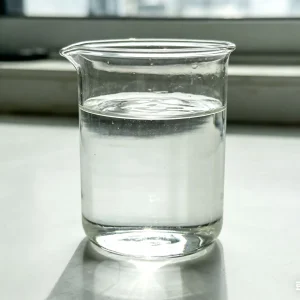
Enables the suspension of hydrophilic HA molecules in pure oil-based formulations without phase separation, ideal for clear lip oils and glosses.
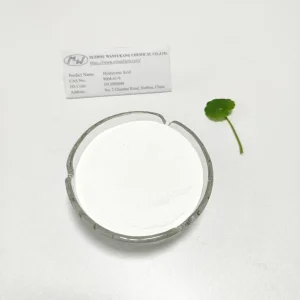
Features high lipophilic affinity, keeping the active ingredient bonded to the lips longer and offering outstanding resistance to wash-off.
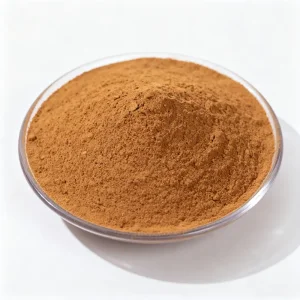
Positively charged HA that binds electrostatically to negatively charged skin surfaces, providing superior moisture retention under dry climates.
A single raw material specification rarely fits every product type. Instead, successful brands tailor their hyaluronic acid selections to match the specific environment and target application:
* Arid and Cold Climates: Lip serums designed for regions like Northern Europe or the Midwestern US need a high concentration of cross-linked HA and high molecular weight sodium hyaluronate. This combination forms a robust barrier against biting winds and sub-zero temperatures.
* Humid and Tropical Climates: For Southeast Asia or Central America, formulations should feel weightless. A blend of ultra-low molecular weight HA (mini-HA) is ideal here, delivering deep hydration without leaving a sticky residue.
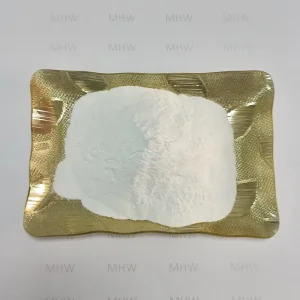
* Post-Procedure & Medical Aesthetics: For recovery after dermal filler injections or lip blushing, we recommend sterile, preservative-free pharmaceutical-grade sodium hyaluronate. This grade accelerates tissue repair and reduces irritation, ensuring a smoother recovery.
Wanfukang has specialized in the development, manufacture, and export of premium sodium hyaluronate and specialty chemical ingredients for nearly a decade. Our expertise spans food-grade, cosmetic-grade, and pharmaceutical-grade HA, allowing us to serve diverse industries including personal care, joint health supplements, and medical devices.
Headquartered in the high-tech bio-manufacturing hub of Suzhou, China, we operate with a global perspective. Our products are exported to over 20 countries, where we maintain strategic partnerships with cosmetic brands, contract manufacturers, and pharmaceutical companies. We are committed to supplying high-purity, fully traceable raw materials that meet strict quality standards.




Stay informed with our technical articles and market analysis covering global cosmetic ingredients and raw material trends.
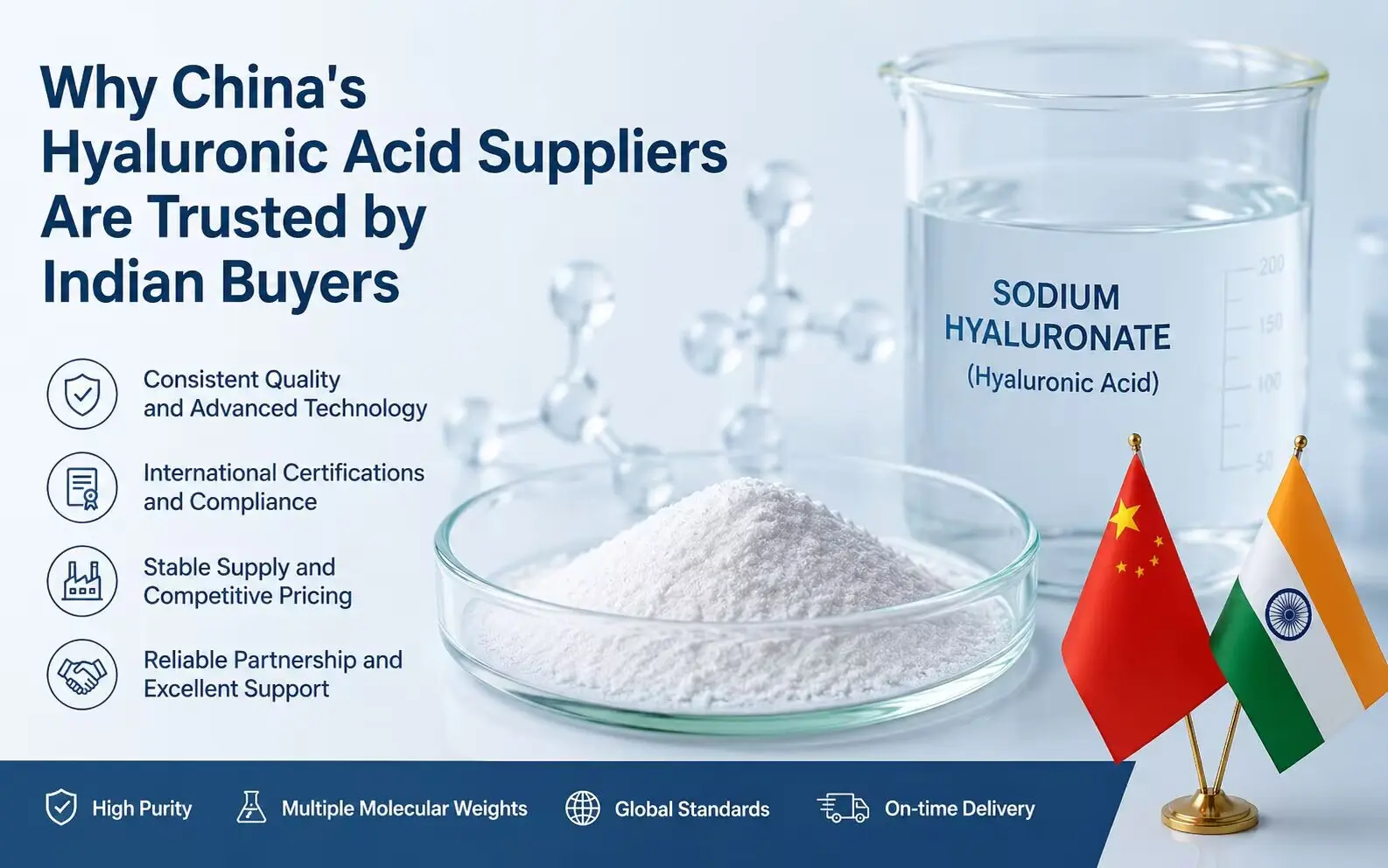
In recent years, with the rapid development of India's cosmetics, pharmaceutical, and food and health product industries, the market demand for hyaluronic acid (HA) and sodium hyaluronate has continued to grow. Against this backdrop, more and more Indian buyers are turning their attention to Chinese suppliers. So, why have Chinese hyaluronic acid suppliers won the long-term trust of Indian buyers?
Read Article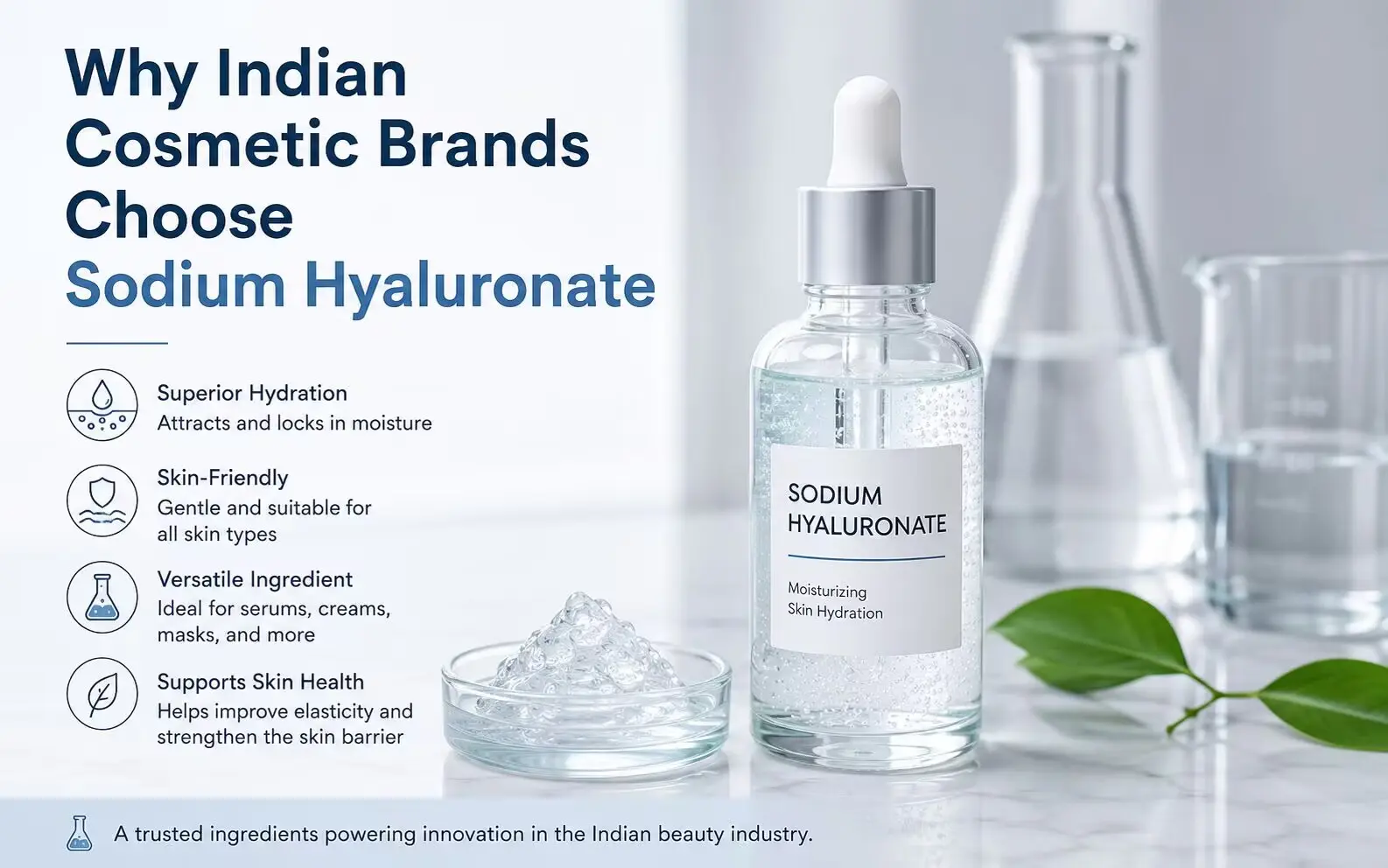
In recent years, with the continued growth of the Indian beauty and personal care market, consumers' demand for highly effective and safe skincare products has been constantly increasing. As a widely used moisturizing ingredient in the international market, sodium hyaluronate is becoming an important choice for more and more Indian cosmetic brands, and is widely used in serums, creams, masks, sunscreens, and makeup.
Read Article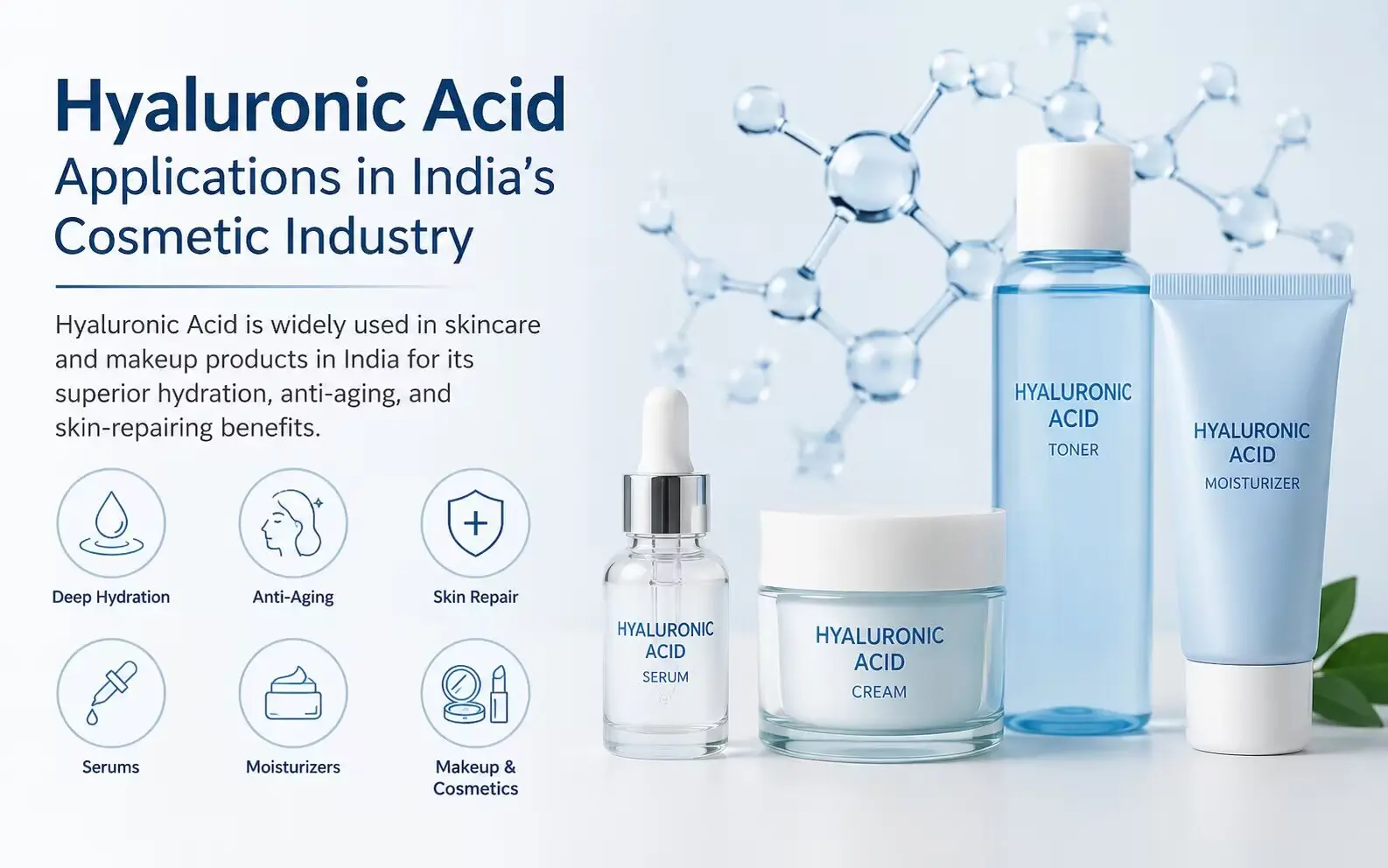
With the continued expansion of the Indian cosmetics market and the growing consumer demand for high-quality skincare products, hyaluronic acid (HA) is gradually becoming one of the most watched functional ingredients in the Indian cosmetics industry.
Read ArticleTechnical guidance and answers to common B2B procurement questions regarding our Hyaluronic Acid services.
Explore our industrial range of sodium hyaluronate grades and active complexes designed for high-performance applications.