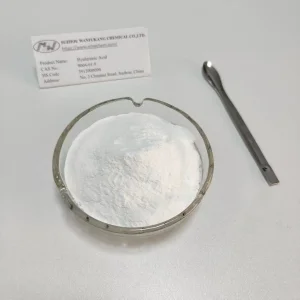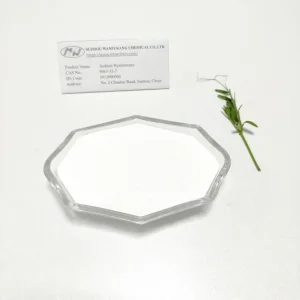
Direct supply of high-performance raw materials engineered for cosmetic, medical, and nutritional application matrices.
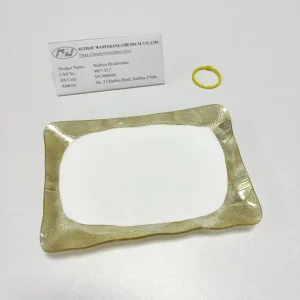
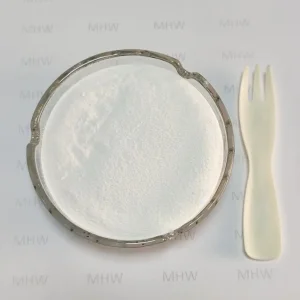
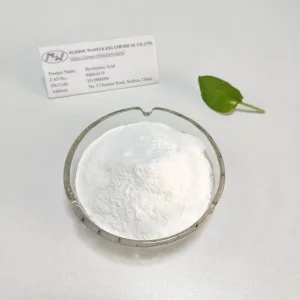
Understanding how Chinese manufacturers lead the bio-chemical transition from rooster comb extraction to hyper-controlled Streptococcus bio-fermentation.
Utilized primarily as a topical film-forming hydration agent. High molecular weight Sodium Hyaluronate forms a non-occlusive hygroscopic barrier on the stratum corneum, locking in trans-epidermal moisture and stabilizing cosmetic emulsions.
Deep-penetration variants optimized for skin-barrier healing and biological activity. By utilizing precise enzyme cleavage techniques, low molecular weights pass through cellular spaces, encouraging collagen synthesis and tissue regeneration.
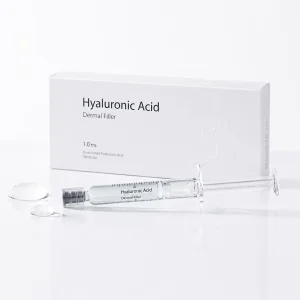
Engineered under ultra-sterile cleanrooms (Class 100/A zones) with strict limits on endotoxins (<0.05 IU/mg) and heavy metals. Ideal for intraocular lenses, viscoelastic solutions, and cross-linked subcutaneous dermal fillers.
The global beauty and wellness industries are witnessing a paradigm shift from basic, single-molecule formulations to sophisticated multivalent complexes. The physiological impact of Hyaluronic Acid (HA) is inextricably linked to its molecular weight (MW). Historically, high MW HA dominated the marketplace due to its viscosity-building properties. However, modern clinical research indicates that single-strata hydration is insufficient for long-term anti-aging and deep skin restructuring.
By leveraging advanced enzymolysis processes, modern Chinese bio-factories produce Oligo-HA, which features a molecular weight of less than 10,000 Daltons (10 kDa). These ultra-small fragments penetrate the epidermis to interact directly with CD44 receptors on keratinocytes and fibroblasts, triggering endogenous production of hyaluronic acid and activating tissue repair. Conversely, medium molecular weight (MW: 500 kDa to 1200 kDa) and high molecular weight (MW: >1.5 MDa) fractions remain on the skin’s surface, performing essential barrier repairs and establishing a dynamic humidity-resistant shield against environmental stressors.
The synergy of these distinct fractions has given rise to multi-dimensional complex raw materials, such as 4D Sodium Hyaluronate. This compound blends four different molecular weights of HA, targeted specifically to cover all levels of the skin, from the outer surface down to the deep layers of the dermis. This ensures that hydration is multi-tiered, optimizing moisture preservation, restoration, and active biological rejuvenation.
| Hyaluronic Acid Grade | Molecular Weight Range | Primary Industrial Application | Critical Quality Indicator |
|---|---|---|---|
| Ophthalmic Grade | 1.8 – 2.5 Million Da | Eye drops, intraocular injections, artificial tears | Endotoxin level < 0.05 IU/mg; extreme purity |
| Injection/Dermal Grade | 1.0 – 2.0 Million Da | Cross-linked dermal fillers, anti-adhesive gels | Low heavy metals; strict biological stability |
| Cosmetic Grade (High MW) | 1.5 – 2.0 Million Da | Moisturizing serums, body lotions, face creams | Excellent film-forming and high viscosity |
| Cosmetic Grade (Low MW) | 10 – 100 Thousand Da | Anti-wrinkle serums, biological skin toners | Transdermal penetration efficiency |
| Food Grade | 200 – 1000 Thousand Da | Nutraceutical tablets, functional drinks | Oral absorption capability; gastrointestinal stability |
How robust manufacturing infrastructure, scale economies, and strict regulatory alignments satisfy high-volume global demand.
China produces over 80% of the world's commercial hyaluronic acid, driven by deep industrial clusters, automated fermentation systems, and optimized microbial strains. By utilizing precise nitrogen and carbon feeding programs during the fermentation of Streptococcus zooepidemicus, Chinese facilities maximize batch yields while lowering production energy consumption.
This raw throughput means global cosmetic brands, pharmaceutical manufacturers, and nutraceutical companies can secure consistent, high-volume batches with uniform specifications. Additionally, Suzhou Wanfukang Chemical Co., Ltd. (WFK Chem) leverages advanced purifications systems to ensure zero animal-derived risk across all food and cosmetic matrices.
Raw materials are highly sensitive to temperature fluctuations and humidity during long-range transport. Chinese exporters have refined clean packaging methodologies (including double-layer vacuum heat-sealed bags and moisture-resistant fiber drums) to guarantee stability under diverse climate routes.
Combined with rapid air freight options and maritime access from ports like Shanghai, Ningbo, and Qingdao, overseas buyers enjoy shortened lead times, robust buffer-stock guarantees, and end-to-end trace documentation.


Aligning raw materials with international regulatory standards for cosmetics, pharmaceuticals, and dietary supplements.
Compliance with European Chemical Agency directives ensuring trace tracking, safety evaluation, and organic verification for green beauty cosmetic formulations.
Active preparation and submission of Drug Master Files (DMF) for pharmaceutical grades, supporting rapid approval of ophthalmic and medical device packaging.
Strict verification of non-animal fermentation methods, verifying that no animal ingredients are involved in any stage of cultivation, isolation, or crystallization.
Advanced production sites validated under Good Manufacturing Practices (GMP) and ISO 9001:2015/ISO 22716, certifying uniform batch quality and complete trace analysis.
When evaluating a potential supplier of cosmetic or food ingredients, global enterprise procurement departments analyze more than just the base price per kilogram. Key factors in their assessments include regulatory compliance, supply reliability, and biological purity. For cosmetic applications, specifications like Cosmetic Grade Hyaluronic Acid Assay 98% require precise verification of purity levels, heavy metal limits (<10ppm), and aerobic plate counts (<100 CFU/g).
In the pharmaceutical and nutraceutical sectors, raw material characteristics directly impact formulation safety and efficiency. For example, joint health supplements frequently combine Chondroitin Sulfate with Food Grade Hyaluronic Acid to create a synergistic effect that promotes joint lubrication and cartilage repair. Meeting these complex quality requirements requires that exporters like WFK Chem maintain robust in-house quality control testing laboratories equipped with High-Performance Liquid Chromatography (HPLC) systems and Gel Permeation Chromatography (GPC) to measure precise molecular weight distributions.



Suzhou Wanfukang Chemical Co., Ltd. (WFK Chem) has operated as a dedicated supplier of Sodium Hyaluronate and Hyaluronic Acid raw materials for many years. We supply high-quality cosmetic, food, and pharmaceutical grade ingredients to manufacturers globally.
Over time, we have expanded our portfolio to meet the changing needs of the global health and beauty industries. Today, we supply cosmetic ingredients, health food raw materials, and pharmaceutical ingredients to clients in over 20 destination countries. Our products are widely utilized in topical cosmetics, dietary joint formulations, and specialized medical applications.
Contact Our Technical Sales TeamIn-depth insights into regional demand, focusing on the rapid adoption of Sodium Hyaluronate within the Indian cosmetic and wellness sectors.
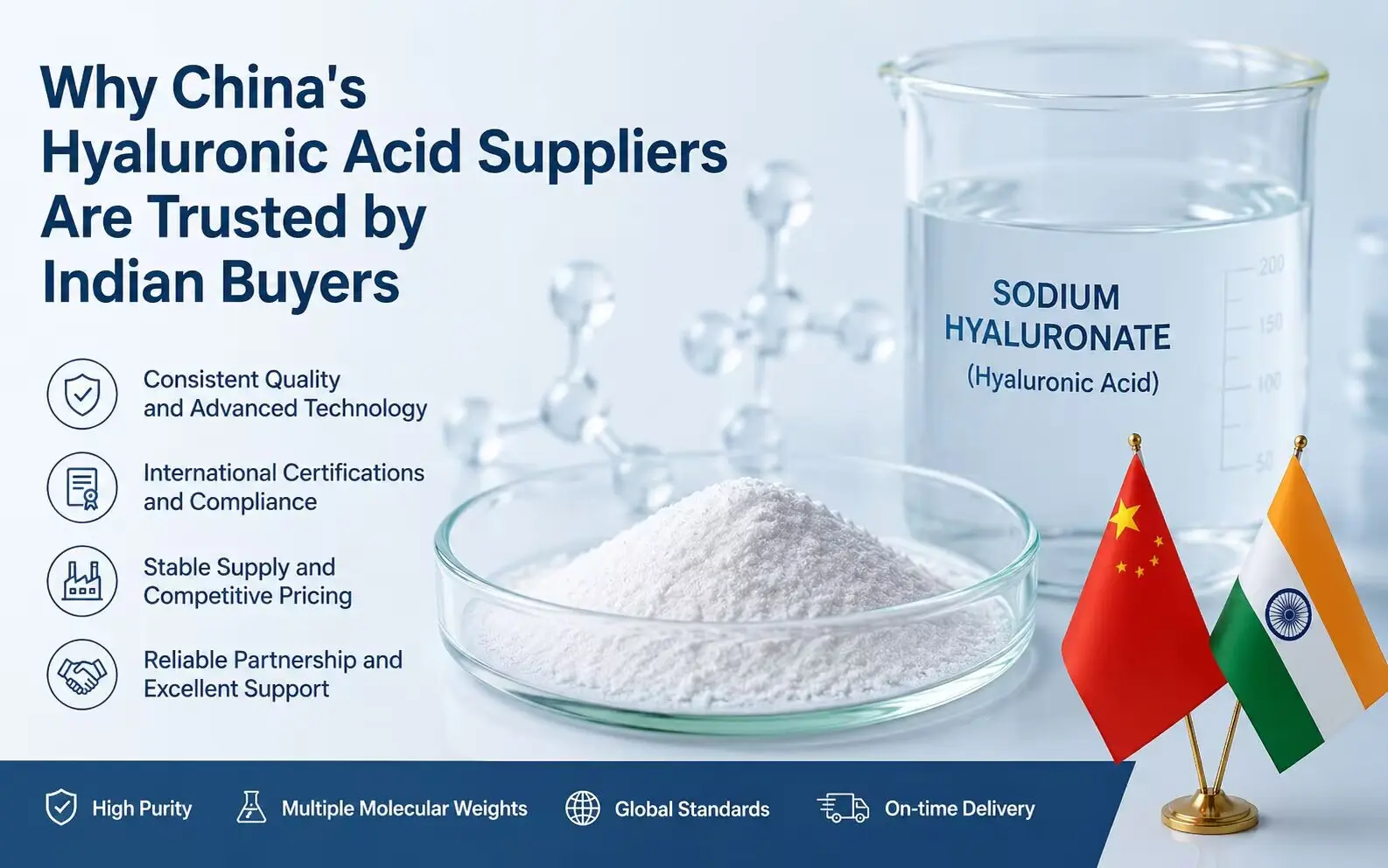
India’s pharmaceutical and personal care sectors are expanding rapidly, driving up local demand for consistent, high-purity Sodium Hyaluronate. Learn how Chinese exporters provide the scale, quality certificates, and transport logistics required to support Indian formulation facilities.
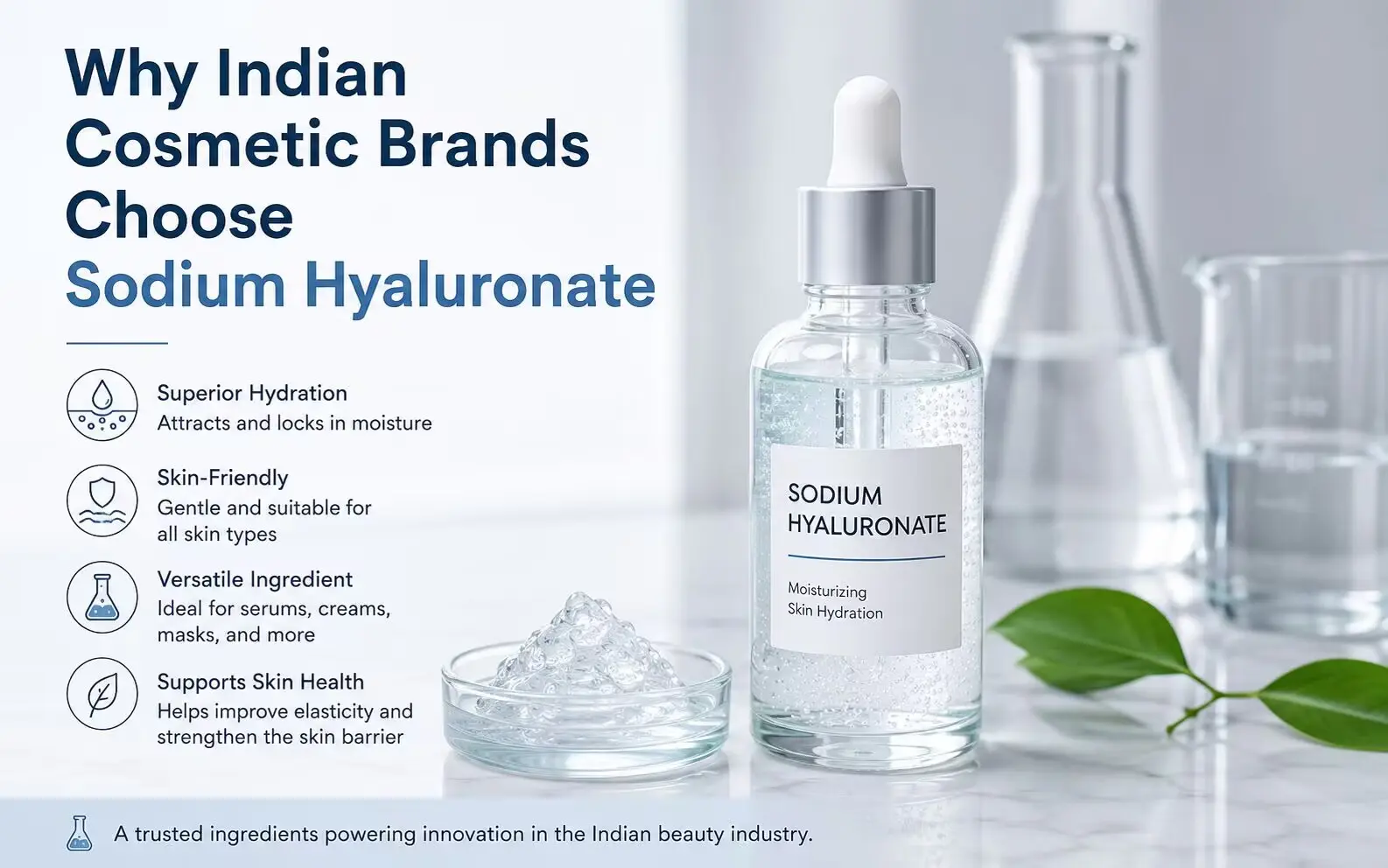
Rising consumer awareness of hydration science and anti-pollution formulations has led Indian personal care brands to prioritize Sodium Hyaluronate in their daily serums, sunscreens, and moisturizing creams. High stability in warm climates makes this ingredient a popular formulation choice.
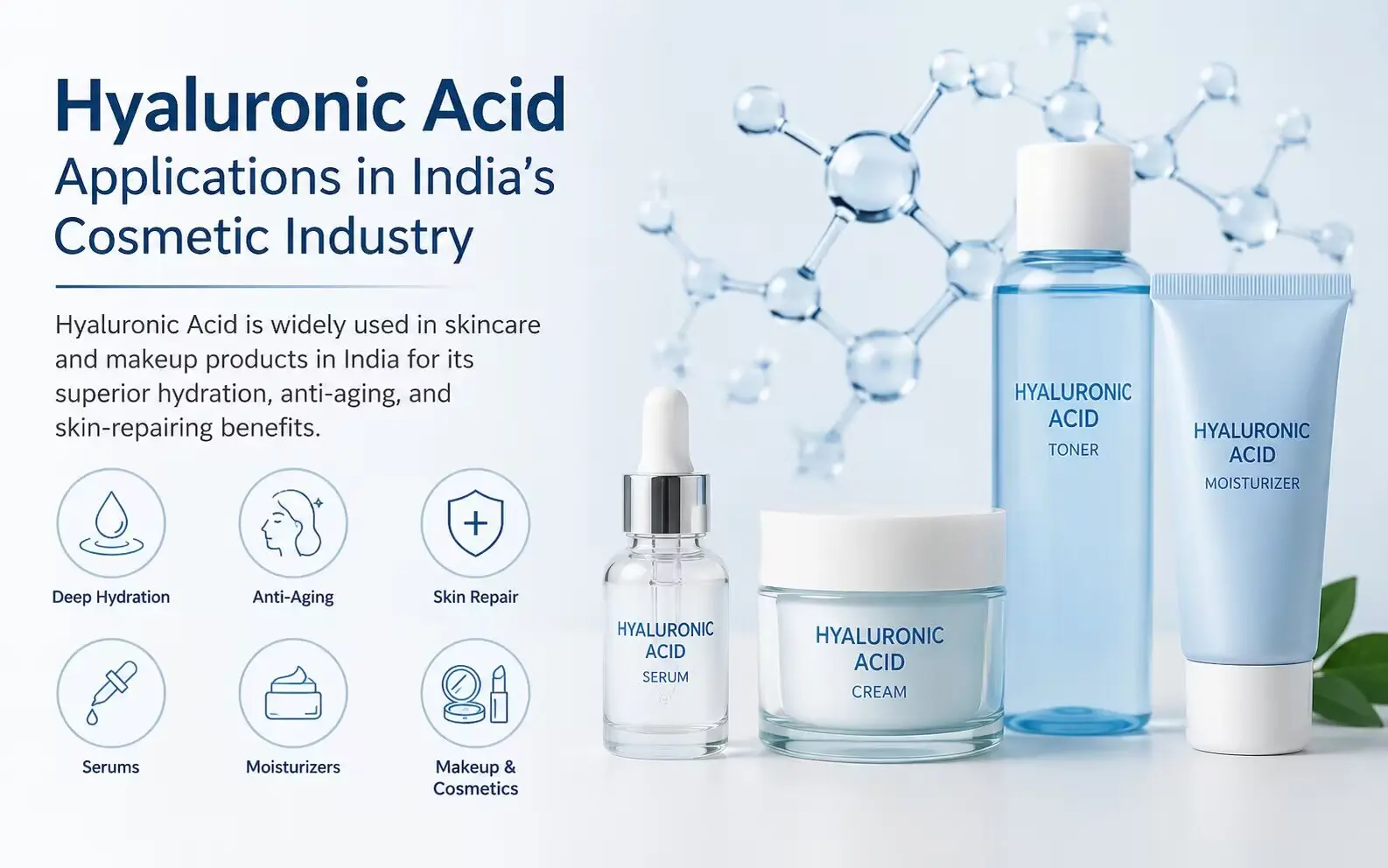
From traditional creams to innovative multi-weight skin boosters, this analysis tracks how Indian beauty and wellness brands integrate different molecular weights of Hyaluronic Acid to meet local consumer preferences for light, fast-absorbing skincare products.
Answers to common formulating, shipping, and quality assurance questions for Sodium Hyaluronate.
Hyaluronic Acid (HA) in its free acid form is relatively unstable and insoluble in water, making it difficult to formulate. Sodium Hyaluronate (HA-Na) is the sodium salt form of HA. It is highly water-soluble, chemically stable, and resistant to oxidation. This makes it the preferred form for cosmetic, medical, and dietary supplement formulations.
Injectable and ophthalmic grades require strict control of endotoxins, which are bacterial cell wall remnants that can trigger inflammatory reactions. We use a combination of automated bio-reactor control, high-efficiency membrane ultrafiltration, and multi-stage purification in certified Class 100 cleanrooms to keep endotoxins below 0.05 IU/mg.
Sodium Hyaluronate is most stable in aqueous solutions with a pH range between 5.0 and 8.5. Exposure to highly acidic (pH < 4.0) or alkaline (pH > 9.0) environments can accelerate the hydrolysis of the glycosidic bonds, reducing the molecular weight and viscosity of the formulation. Adding buffers like sodium phosphate can help maintain pH stability in water-based serums.
4D Sodium Hyaluronate is a physical blend of four distinct molecular weights: Sodium Hyaluronate Crosspolymer (delivering long-lasting surface moisture), standard Sodium Hyaluronate (forming a protective barrier), Sodium Acetylated Hyaluronate (firmly adhering to the stratum corneum), and Hydrolyzed Sodium Hyaluronate (penetrating deep into the epidermis). This combination provides multi-level skin hydration and barrier support.
Sodium Hyaluronate powder is highly hygroscopic and should be stored in its original sealed packaging in a cool, dry area (ideally between 2°C and 10°C for high-purity or sterile grades, and below 25°C for cosmetic grades). It must be protected from direct sunlight, moisture, and heat to preserve its molecular structure and viscosity.
Explore our broader raw material portfolio, featuring specialized grades and co-active ingredients for synergistic formulations.