Explore our premium grade active cosmetic and pharmaceutical ingredients engineered for maximal efficacy and stability.
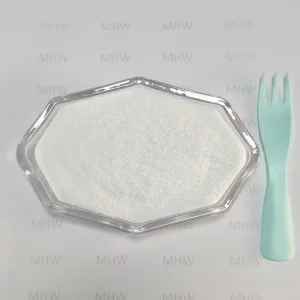
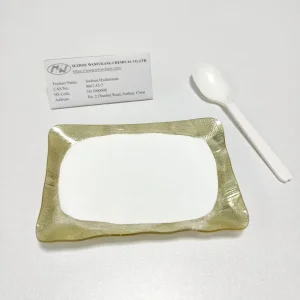
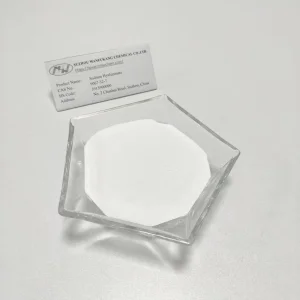
An Industrial and Clinical Perspective on Modern Dermatological Formulation
In modern clinical dermatology, the simultaneous formulation or sequential application of Hyaluronic Acid (HA) and Tretinoin (Retinoids) has emerged as the gold standard for anti-aging and acne therapy. While Tretinoin accelerates epidermal cell turnover and downregulates collagen-degrading enzymes, it frequently induces "retinoid dermatitis," characterized by erythema and severe dryness. Sodium Hyaluronate acts as the ultimate counter-balancing agent, replenishing the intercellular matrix and restoring the skin barrier without interfering with Tretinoin's transdermal absorption pathway.
The global market for active pharmaceutical ingredients (APIs) and cosmetic-grade biomaterials has seen a massive surge. Research indicates that the compound annual growth rate (CAGR) for high-purity Hyaluronic Acid is projected to exceed 7.2% through 2030, driven by the expanding clinical aesthetic market and clean-label cosmetic formulations. B2B buyers from North America, Europe, and the APAC region are increasingly prioritizing manufacturers that can guarantee raw materials of non-animal origin, produced through optimized streptococcal bio-fermentation.
Meeting international quality guidelines such as USP (United States Pharmacopeia), EP (European Pharmacopoeia), and JP (Japanese Pharmacopoeia) is critical for medical-grade active raw materials. High safety parameters, extremely low heavy metal profiles, and minimal bacterial endotoxins are non-negotiable for ophthalmic, injection, and high-end topical applications. Chinese factories have transitioned from bulk industrial-grade processors to state-of-the-art biological synthesis facilities that meet these international standards.
Unmatched Manufacturing Capabilities, Supply Chain Stability, and Cost-Efficiency Parameters
China is the world's largest producer of Hyaluronic Acid, accounting for over 75% of global market share. This dominance is not merely based on volume, but on the consolidation of raw material ecosystems, specialized R&D talent, and efficient transport hubs like the Shanghai and Suzhou industrial corridors. The clustering effect enables factories to minimize raw material procurement latency and scale production rapidly according to global contract demands.
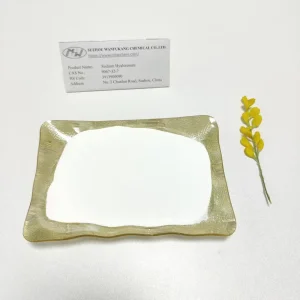
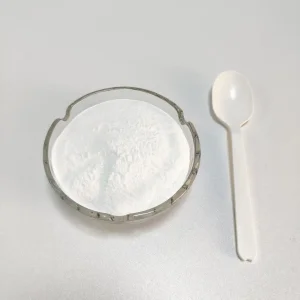
Suzhou Wanfukang Chemical Co., Ltd utilizes advanced microbial fermentation techniques using glucose and yeast extract substrates. This ensures that the generated Sodium Hyaluronate exhibits high purity, excellent sensory performance, and consistent molecular weight distribution. Our capacity guarantees stable, year-round pricing that shields international buyers from market volatility.
Different cosmetic and clinical formulations require precise molecular weight profiles. High molecular weight (HMW) HA (>1.8 MDa) provides film-forming humectant layers to prevent transepidermal water loss (TEWL). Medium molecular weight (MMW) HA (1.0 - 1.6 MDa) offers immediate hydration, while Ultra-low Molecular Weight HA (<10 kDa) penetrates the stratum corneum to stimulate endogenous production of glycosaminoglycans. Our facility is equipped with automated enzymatic degradation equipment that can customize precise molecular configurations for high-end serums.
Unlocking the Multi-Functional Potentials of Hyaluronic Acid and Synergistic Compounds
Perfect for anti-aging serums, spot treatments, and protective creams. Combining Cosmetic Grade Hyaluronic Acid with skin-whitening actives like Arbutin, Niacinamide, and Glabridin allows formulation engineers to create products that brighten the complexion while providing intense, long-lasting hydration. The combination helps to minimize the dry, peeling skin barriers associated with prescription Tretinoin creams.
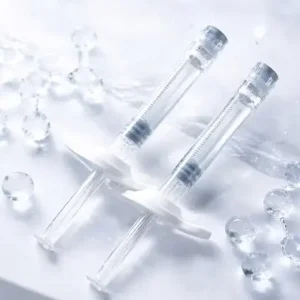
Highly purified, injection-grade Sodium Hyaluronate is formulated into cross-linked dermal fillers. These fillers act as mechanical scaffolds to correct deep facial rhytids, restore volume, and enhance facial contouring. The molecular design guarantees controlled degradation, ensuring natural aesthetic outcomes with minimal swelling or immunogenic response.
Nutritional science now confirms that oral ingestion of food-grade Sodium Hyaluronate effectively targets dry skin and supports joint lubrication. By absorbing across the intestinal epithelium, it helps trigger synovial tissue cells to synthesize endogenous high-molecular-weight HA, offering relief from joint stiffness and osteoarthritis symptoms.


Professional Supplier of Sodium Hyaluronate & Hyaluronic Acid
Suzhou Wanfukang Chemical Co., Ltd, as a professional supplier of Sodium Hyaluronate and Hyaluronic Acid for many years. As a professional company, we provide every grade of sodium hyaluronate, including food grade, cosmetic grade and pharm grade. With the development of our business, our business has extended to many areas, such as cosmetic ingredients, health food materials and pharm ingredients. Many products are widely applied for cosmetics, joint health products and medical application.
By leveraging advanced analytical instruments, we guarantee full transparency and traceability of every batch. From starting material evaluation to final packaging under cleanroom environments (Class 100,000 GMP compliant), our processes are optimized for maximum reproducibility and safety. Our technical support team works closely with global formulary chemists to select the ideal molecular weights, helping minimize developmental timelines for new skin care lines.
The Evolution of Clean Beauty, Bio-identical Molecules, and Supply-Chain Compliance
The global pharmaceutical and cosmetic industries are undergoing a major shift toward ecological responsibility and product transparency. B2B buyers, cosmetic manufacturers, and compounding pharmacies are seeking raw materials produced via sustainable green chemistry principles. This trend has driven manufacturers to move away from animal-derived sources (such as rooster combs) toward advanced microbial fermentation processes that require fewer resources and produce zero chemical by-products.
For buyers, securing a reliable supply chain partner is key. Product recalls due to molecular weight variation or impurity contamination can result in significant financial losses. Modern procurement strategies prioritize partners with robust testing capabilities, including high-performance liquid chromatography (HPLC) for purity assessment, gel permeation chromatography (GPC) for molecular weight distribution, and inductively coupled plasma mass spectrometry (ICP-MS) for heavy metal profiling.
Addressing Crucial Product, Quality, and Procurement Questions for Professional Buyers
Engineered to meet international monograph standards for high-stakes medical, cosmetic, and nutritional applications.
Insights into regional growth, B2B purchasing trends, and raw material integration strategies.
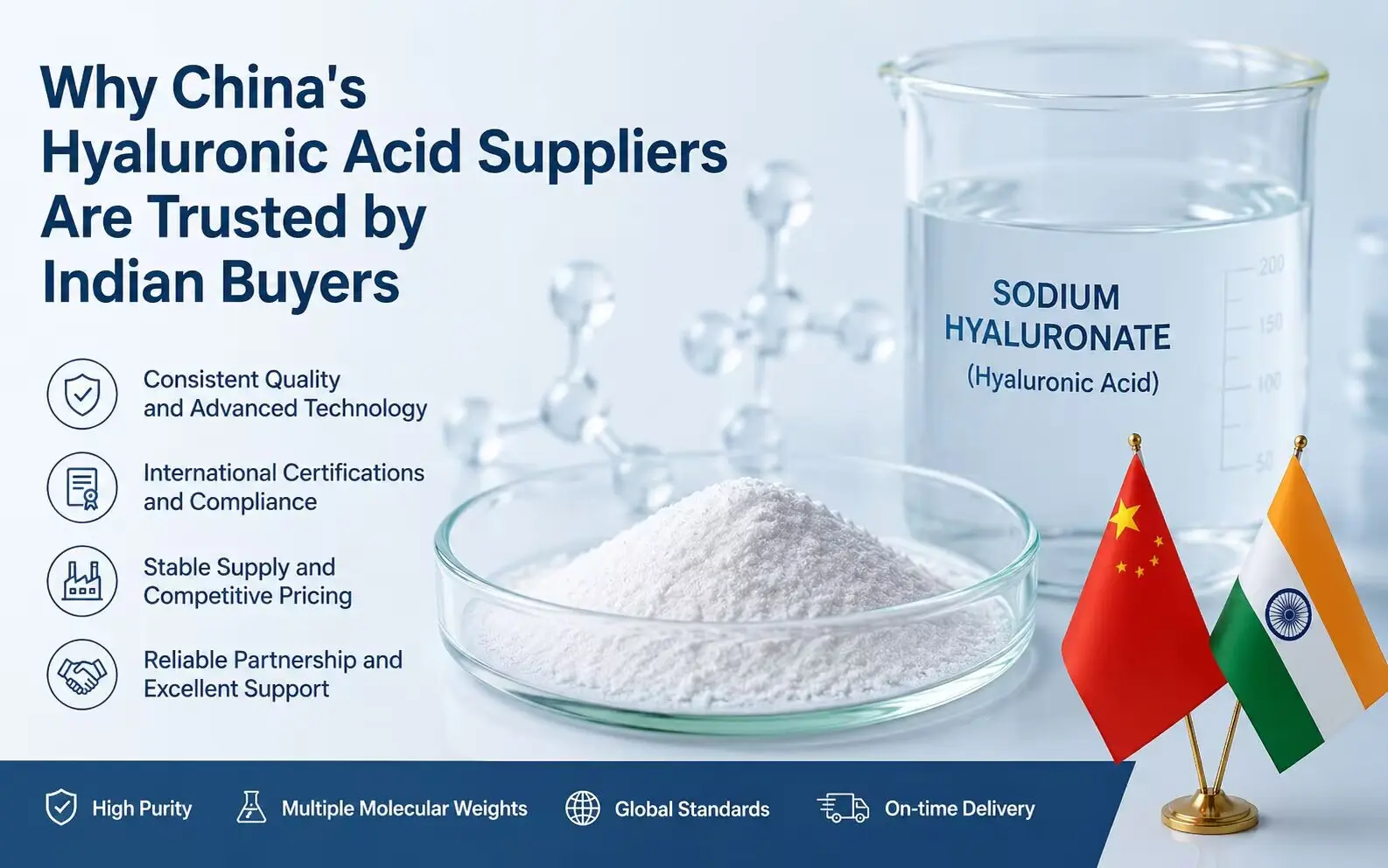
In recent years, with the rapid development of India's cosmetics, pharmaceutical, and food and health product industries, the market demand for hyaluronic acid (HA) and sodium hyaluronate has continued to grow. Against this backdrop, more and more Indian buyers are turning their attention to Chinese suppliers.
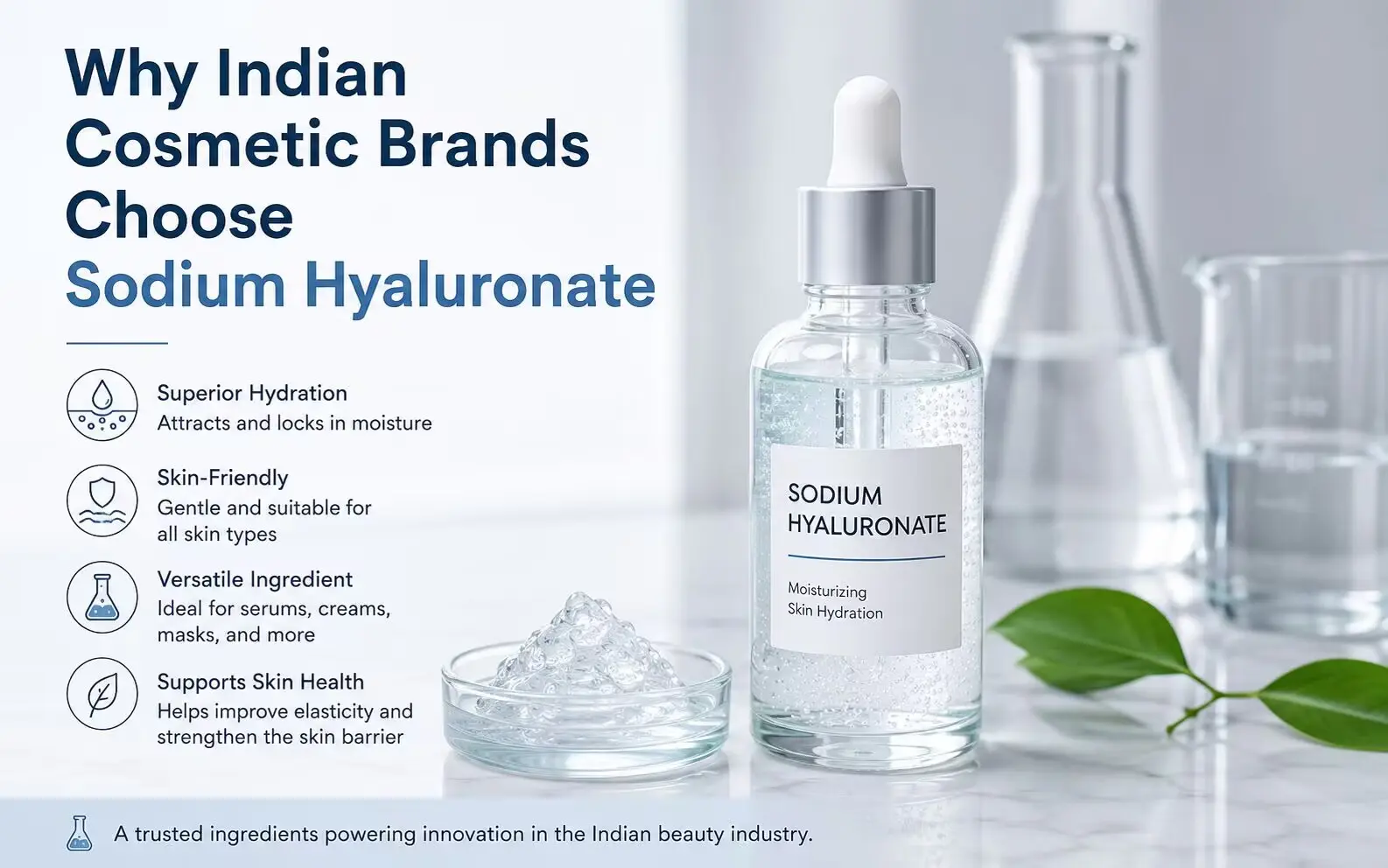
In recent years, with the continued growth of the Indian beauty and personal care market, consumers' demand for highly effective and safe skincare products has been constantly increasing. As a widely used moisturizing ingredient in the international market, sodium hyaluronate is becoming an important choice for more and more Indian cosmetic brands.
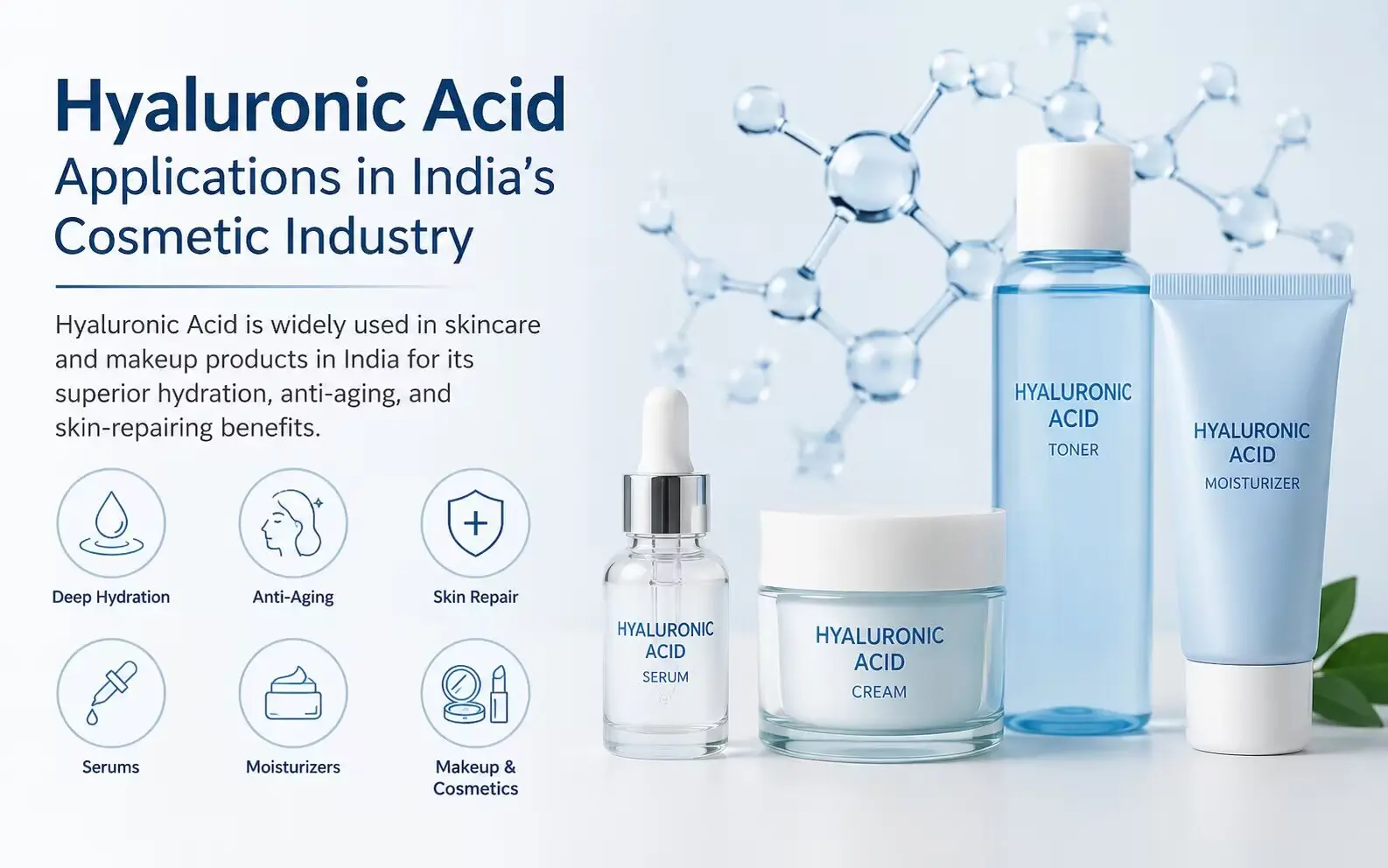
With the continued expansion of the Indian cosmetics market and the growing consumer demand for high-quality skincare products, hyaluronic acid (HA) is gradually becoming one of the most watched functional ingredients in the Indian cosmetics industry.
Delivering high-purity biomaterials to industry leaders and research laboratories worldwide.