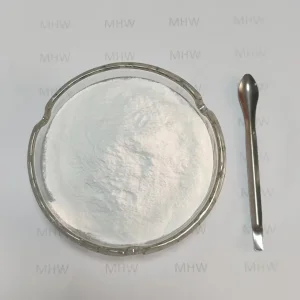
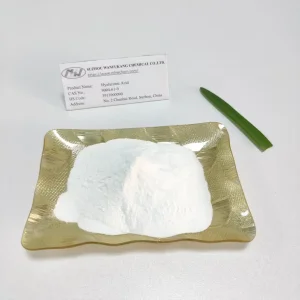
Global Standard Bio-fermented Sodium Hyaluronate Raw Materials. Custom Molecular Weight Distribution for Pharmaceutical, Medical, Cosmetic, and Food Formulations.
Portfolio
Primary Bio-Active Sodium Hyaluronate Solutions
Explore our elite grade classifications. Manufactured via high-density Streptococcus fermentation meeting global regulatory standards.
A technical whitepaper analyzing the structural changes, biopolymer characteristics, and localization metrics of Sodium Hyaluronate production in China.
The Shift to Microbially Fermented Biopolymers
Over the last decade, the global market for raw Sodium Hyaluronate (HA) has transformed. The extraction method using rooster combs has been phased out due to virus transmission risks, low extraction yield (approx. 1-2%), and high manufacturing costs. Traditional extraction also caused cross-species protein contamination, making it unfeasible for modern pharmaceuticals and vegan cosmetics.
China's specialized manufacturers led the industrial transition to microbial fermentation, primarily using mutant strains of Streptococcus zooepidemicus. Through carbon source cultivation, precise pH adjustments, and micro-aerated environments, Chinese facilities produce highly purified Sodium Hyaluronate with zero animal-derived risk. This method offers scalable molecular weight ranges (from <10 kDa to >3.0 MDa), establishing China as a reliable global partner for bulk biopolymer supply chains.
Information Gain Concept: High-density microbial fermentation yields have optimized production efficiency, reducing impurity levels. Heavy metal indicators are now kept below 10 ppm, and endotoxin levels are capped at ≤ 0.001 EU/mg for medical injection materials.
Grade Categorization and Structural Properties
The applicability of Sodium Hyaluronate depends on its molecular weight (Mw) and purity profile. Our manufacturing lines categorize products based on their targeted application:
We meet global quality regulations through complete transparency, active documentation, and rigorous testing protocols.
Pharmacopoeia Conformity
Our pharmaceutical batches are tested to confirm compliance with EP (European Pharmacopoeia) and USP (United States Pharmacopeia) standards. We monitor parameters including glucuronic acid concentration, molecular weight dispersion, and bacterial endotoxin levels.
Certifications & Audits
Our facilities operate under ISO 9001, ISO 22000, and GMP standards. Additionally, our food-grade and cosmetic-grade product lines carry Halal and Kosher certifications, meeting requirements for clean-label international formulations.
Documentation Support
We assist global distributors and formulation labs with regulatory documentation, providing DMF registration files, CEP applications, stability reports, and safety data sheets (SDS) to ease regional approvals.
R&D Roadmap
Technological Innovations in Hyaluronic Acid Polymers
How our team designs customized structural matrices using precision molecular digestion and cross-linking technologies.
Advanced Enzymatic Digestion
Traditional methods of degrading Sodium Hyaluronate polymers rely on acid-base chemical hydrolysis. This approach can degrade the molecular chain, resulting in wide dispersion and uneven performance in topical skin creams.
To improve consistency, we employ enzymatic degradation using specialized hyaluronidase enzymes. This process gently cleaves the HA polymer chains at specific points, producing highly consistent molecular weight distributions. The resulting Oligo-HA (under 10 kDa) penetrates the skin barrier quickly to hydrate the deeper dermal layers.
BDDE Cross-linking Technology
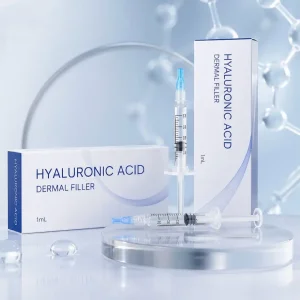
For medical devices and dermal fillers, long-term stability is critical. Natural HA degrades in the body within 24 to 48 hours. By utilizing BDDE (1,4-butanediol diglycidyl ether) cross-linking, we create a stable three-dimensional gel structure. This modification retards enzymatic degradation, extending the persistence of our dermal filler solutions.
Corporate Overview
About Suzhou Wanfukang Chemical Co., Ltd
For nearly a decade, Suzhou Wanfukang Chemical has developed and exported highly purified Sodium Hyaluronate and specialty chemical active ingredients. We support cosmetic chemists, pharmaceutical manufacturers, and food supplement brands globally.
Our facilities manufacture pharmaceutical, cosmetic, and food grade ingredients. To meet the evolving needs of the health and beauty industries, our catalog has grown to include active compounds such as Niacinamide, Arbutin, Coenzyme Q10, and Chondroitin Sulfate, providing reliable raw materials for global supply chains.
Updates on international raw material supply lines, import-export compliance, and application research.
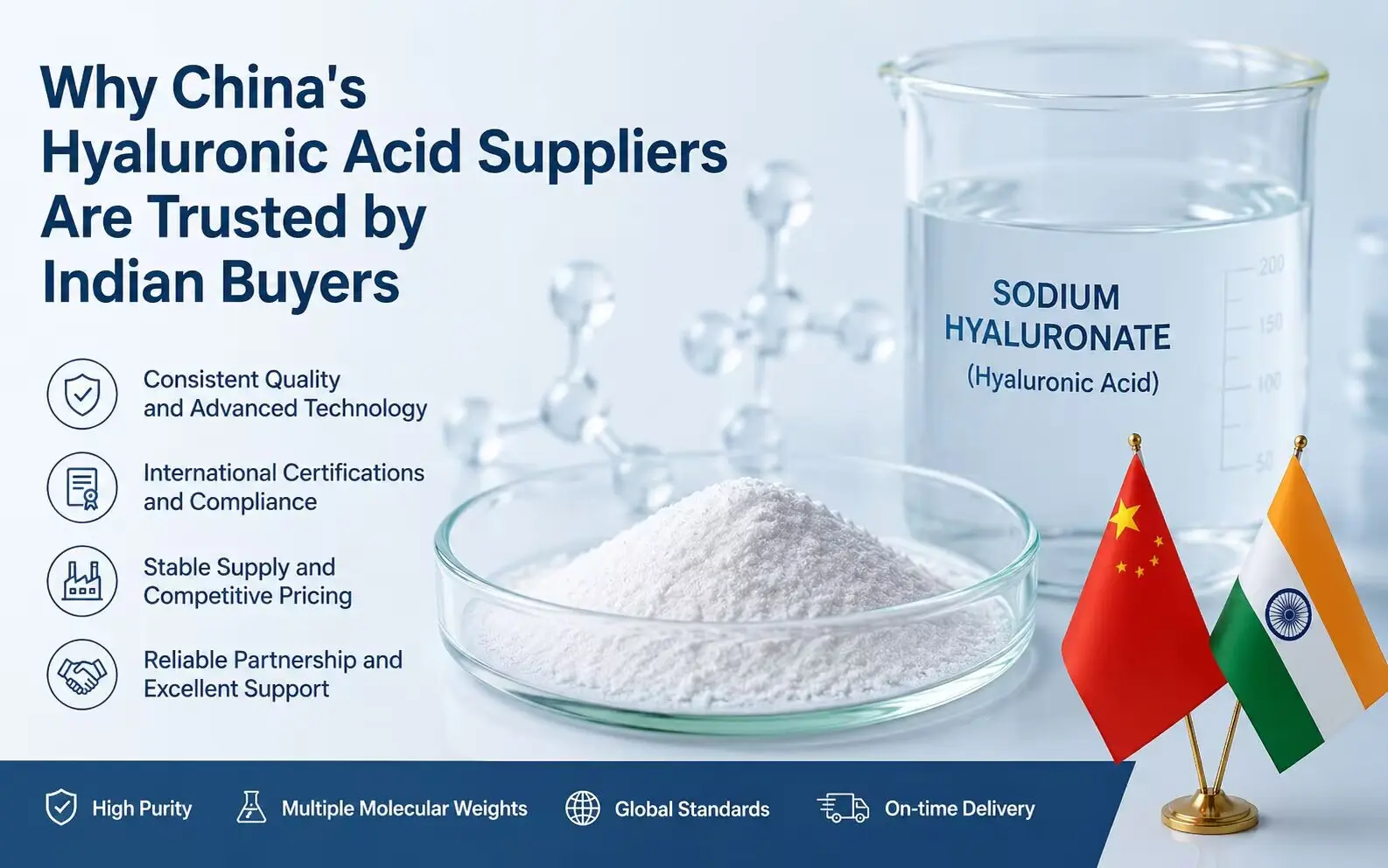
Why Chinese Hyaluronic Acid Suppliers Are Trusted by Indian Buyers
Demand for high-purity HA raw material in India continues to expand. Chinese suppliers help fill the supply gap by offering cost-efficient bulk fermentation and comprehensive compliance documentation.
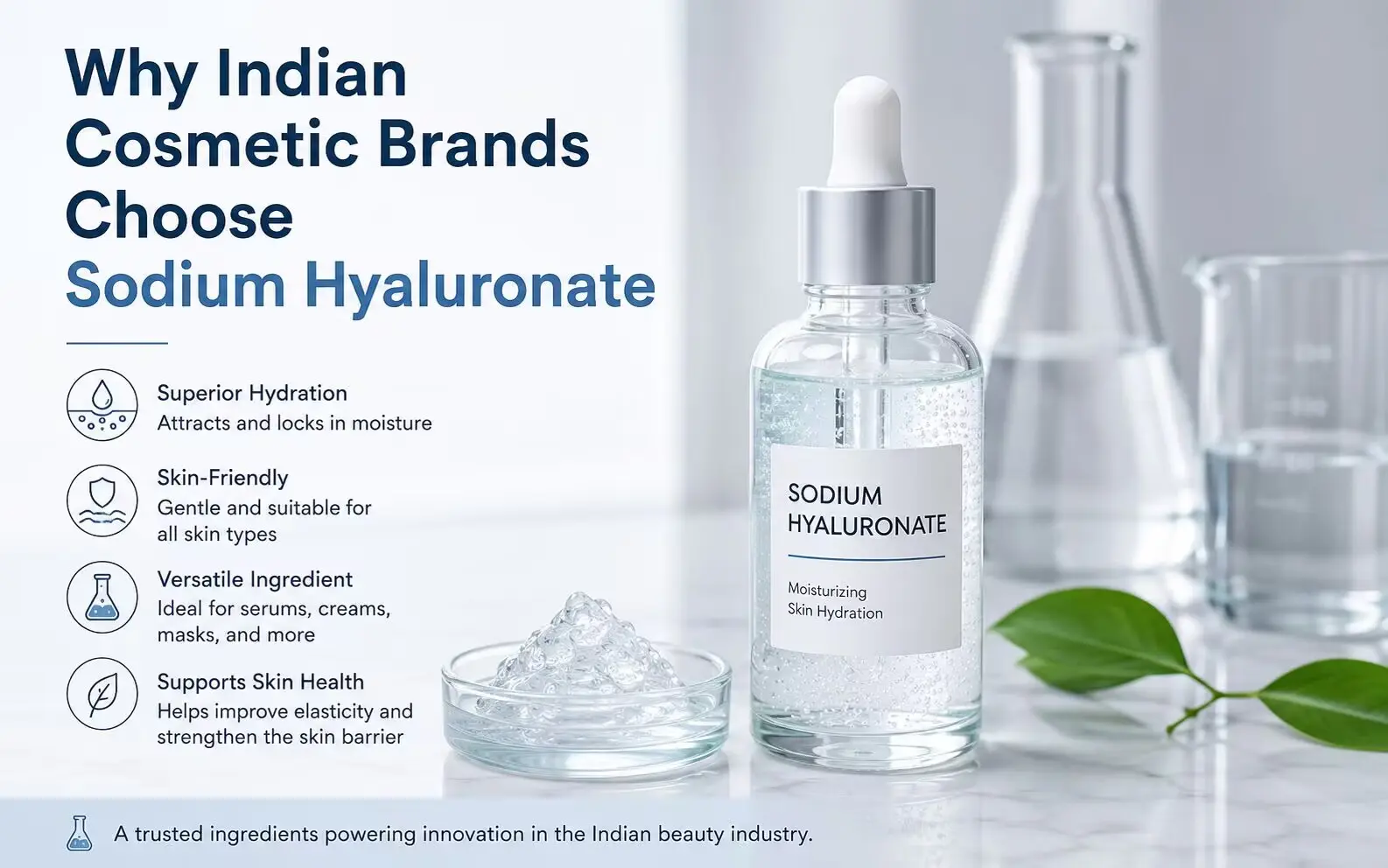
Why Indian Cosmetic Brands Choose Sodium Hyaluronate
Personal care brands in India are increasingly formulating with biopolymer moisturizers. Sodium Hyaluronate remains a preferred option for serums and light-feel hydrators due to its stability across varied temperatures.
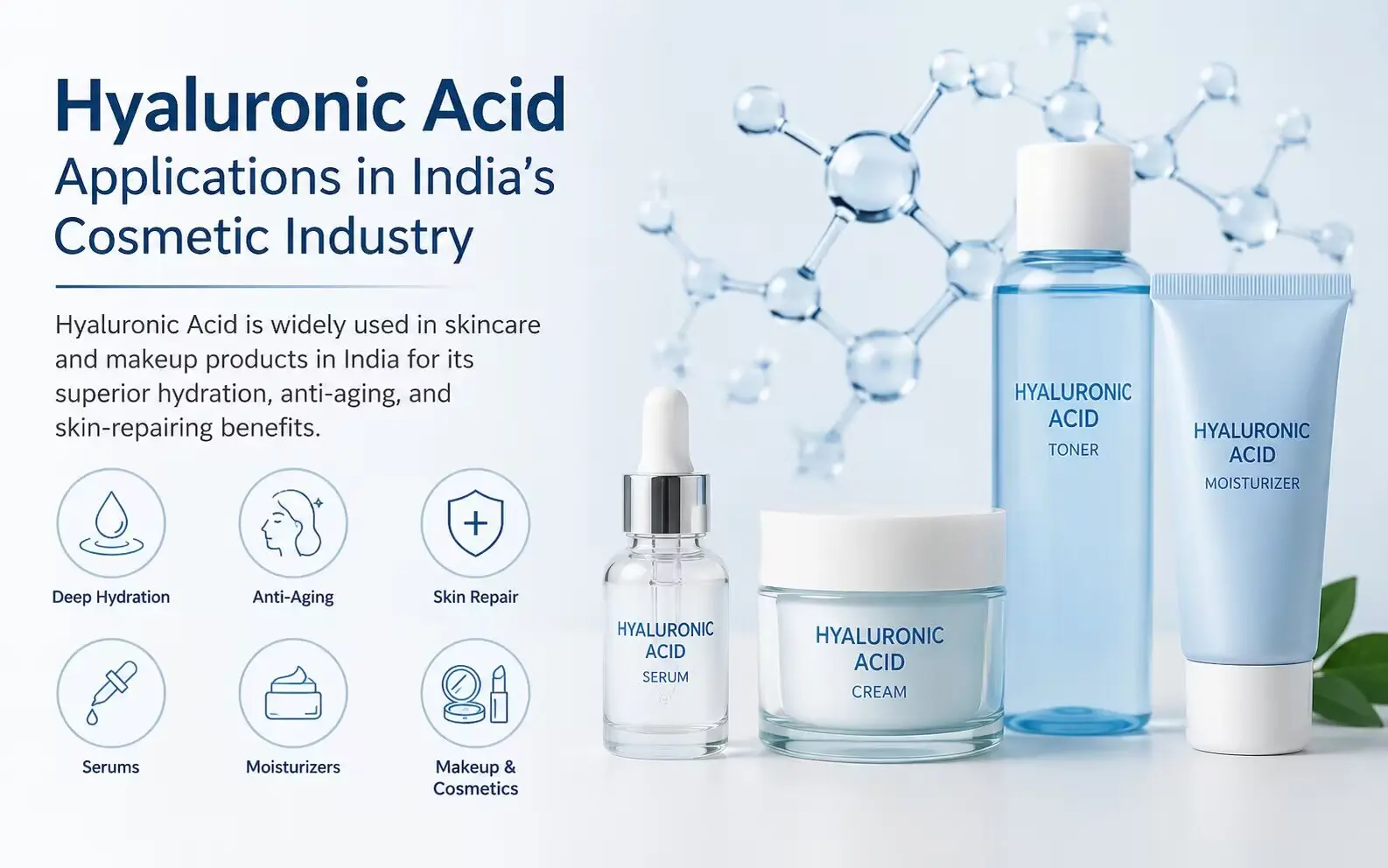
Hyaluronic Acid Applications in India's Cosmetic Industry
An analysis of current cosmetics trends in India, focusing on multi-molecular weight combinations (4D hyaluronic acid solutions) to target multiple layers of the epidermis.
Answers to common technical, formulation, and regulatory questions from cosmetic formulators and purchasing officers.
What defines the stability of 1% Sodium Hyaluronate Aqueous Solutions?
Liquid formulations are sensitive to microbial contamination and degradation. Our 1% solutions utilize sterilized production lines and high-quality packaging to extend shelf life. We also offer customization for preservative options to align with organic and clean-label standards.
How does the molecular weight distribution impact absorption rates?
High molecular weight Sodium Hyaluronate (>1.5 MDa) forms a protective film on the skin surface to prevent moisture loss. Low molecular weight HA (<100 kDa) penetrates the outer skin layers to support dermal hydration. Using multi-molecular weight (3D/4D) combinations helps hydrate across different levels of the epidermis.
How is compliance managed for vegan and Halal cosmetic products?
All our raw Sodium Hyaluronate is produced through microbial fermentation using plant-based media (no bovine peptone or animal extracts). This allows our products to meet strict Vegan and Halal standards, supported by full traceability certificates.
What are the key endotoxin limits for injection-grade hyaluronate?
For medical applications (intra-articular injections and ophthalmic surgery), we maintain strict controls on endotoxin levels. Our injection-grade powder features endotoxin levels below 0.05 IU/mg, minimizing the risk of inflammatory reactions when formulated.
How does Chondroitin Sulfate work alongside Sodium Hyaluronate in joint supplements?
The two compounds function synergistically in joint care products. Sodium Hyaluronate helps restore visco-elastic properties to joint fluid, while Chondroitin Sulfate provides structural support to cartilage tissue, helping to protect it from mechanical wear.
Product Catalog
Pharmaceutical & Medical Grade Hyaluronic Acids
High-purity sodium hyaluronate grades manufactured under cleanroom conditions, optimized for clinical applications.
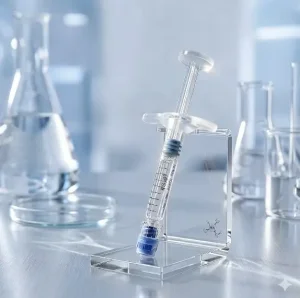
China Smooth Under Eye Area with HA Tear Trough Filler Company, Exporters

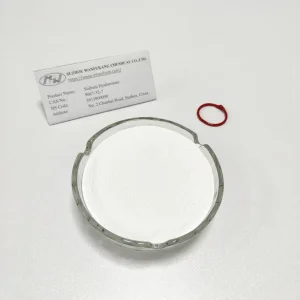
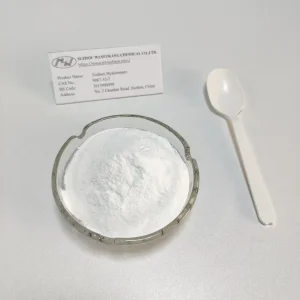

 Cosmetic Grade HA Assay 98%
 High Assay Niacinamide Powder
 High Quality Arbutin Active
 Coenzyme Q10 Health Grade
 Food Acidulant Citric Acid
 Food Grade HA Powder
 Chondroitin Sulfate Powder
 High Purity HA for Injection Use
 Eye Lubricant HA Raw Material