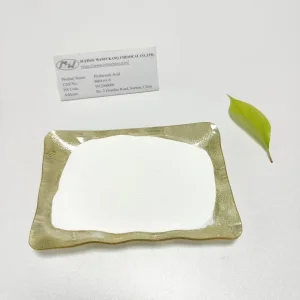
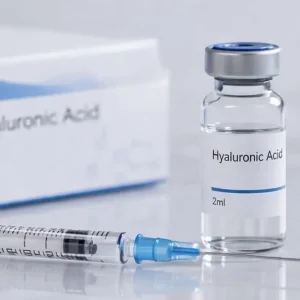
In modern cosmeceuticals, Hyaluronic Acid (HA) has transitionally shifted from a basic humectant to a precisely engineered molecular matrix. Among the most popular configurations sought by global buyers is the 2% Hyaluronic Acid Serum. In formulation chemistry, a 2% concentration represents the scientific threshold for optimal moisture delivery without compromising skin barrier dynamics.
Concentrations exceeding 2% in topical applications can trigger a reverse osmotic effect under low ambient humidity, drawing moisture outward from deep epidermal layers and leading to dry skin structures. Therefore, professional manufacturers and exporters optimize the 2% formulation using multi-molecular weights—combining High Molecular Weight (HMW) HA to form an invisible, breathable moisture-locking film on the surface, and Oligo or Low Molecular Weight (LMW) HA to penetrate the stratum corneum for cellular hydration.
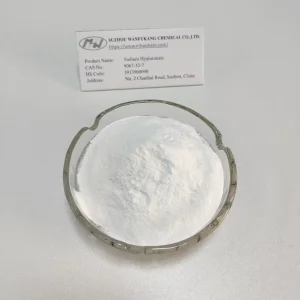
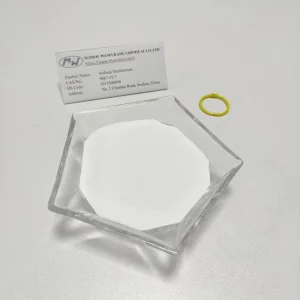
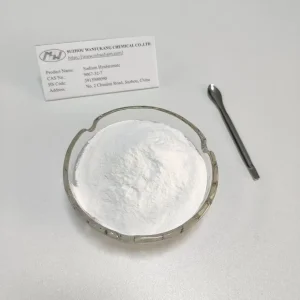
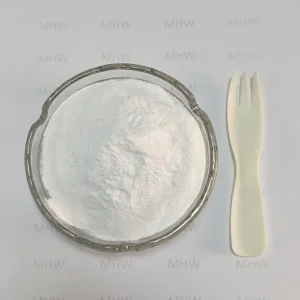
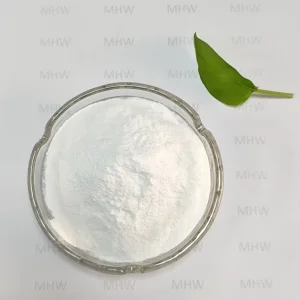
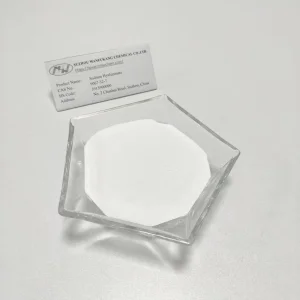
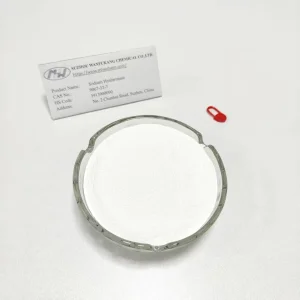
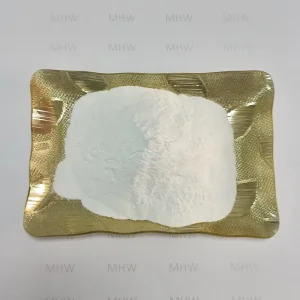
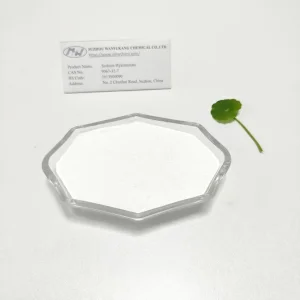
Sodium Hyaluronate (CAS No. 9067-32-7) is the water-soluble sodium salt of Hyaluronic Acid, valued for its superior chemical stability and formulation compatibility. It is processed into multiple distinct grades based on end-market applications:
China accounts for more than 75% of the world's raw material supply of Sodium Hyaluronate. This dominance is not simply a matter of volume; it is driven by cutting-edge industrial biotechnology and fermentation efficiency. Chinese chemical manufacturing hubs utilize advanced strains of Streptococcus equi subsp. zooepidemicus on vegan, non-animal-derived growth media (such as wheat peptone and glucose).
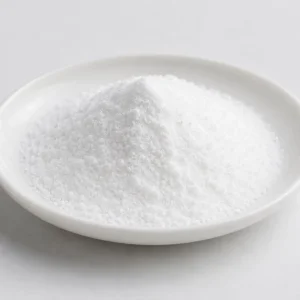
Through computerized, closed-loop fermentation tanks, Chinese factories achieve exceptionally high conversion rates and yields. Automated purification systems remove bacterial proteins, nucleic acids, and heavy metals, yielding raw white powders that meet European Pharmacopoeia (EP), United States Pharmacopeia (USP), and COSMOS eco-standards. Consequently, global cosmetic giants and medical laboratories source these raw materials to ensure cost-efficiency, continuous supply, and batch-to-batch consistency.
The global demand for 2% Hyaluronic Acid formulas shows regional variations based on consumer behaviors and regulatory structures:
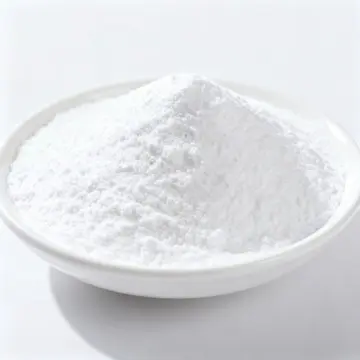
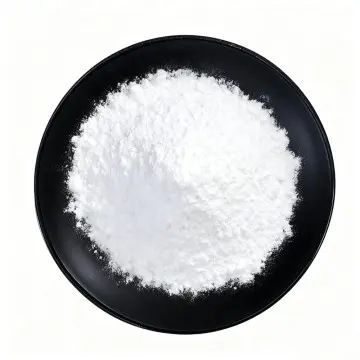
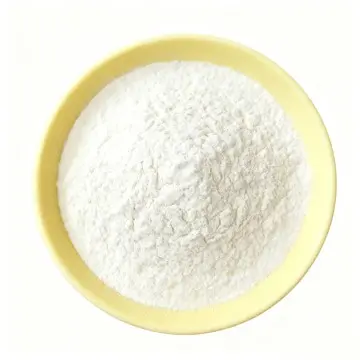
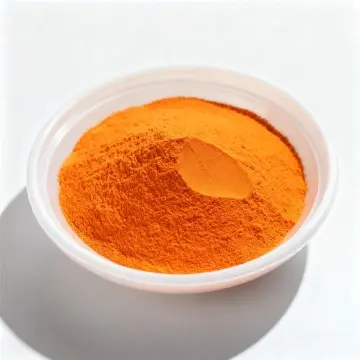
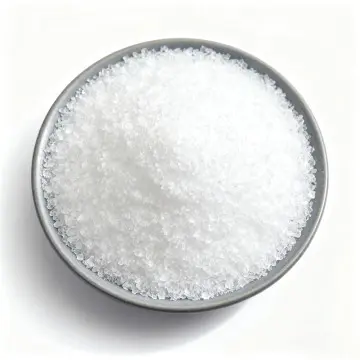
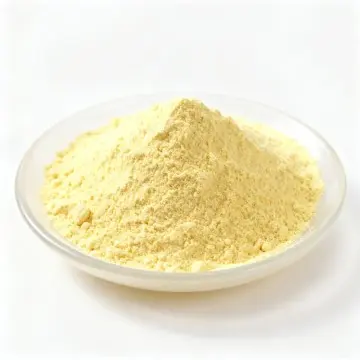
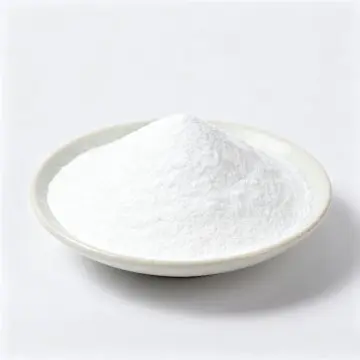
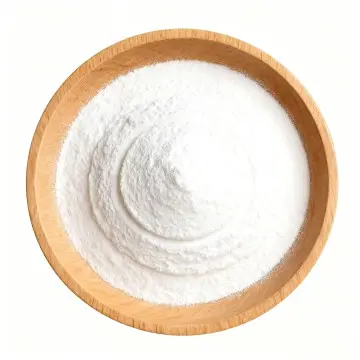



Suzhou Wanfukang Chemical Co., Ltd. has established itself as a professional supplier of Sodium Hyaluronate and Hyaluronic Acid for many years.
As a specialized company, we provide every grade of sodium hyaluronate, including food grade, cosmetic grade, and pharmaceutical grade. With the steady growth of our operation, our business has extended to many areas, such as cosmetic ingredients, health food materials, and pharmaceutical ingredients. Many of our core products are widely applied in cosmetics, joint health products, and advanced medical applications worldwide.
Learn More About Us


The hyaluronic acid landscape is evolving rapidly. Future market growth lies in advanced chemical modifications:
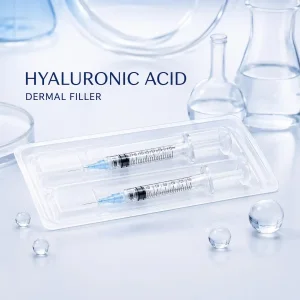
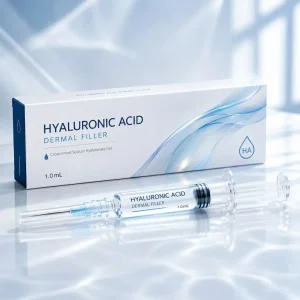
Cross-Linking Technology: Non-cross-linked HA has a short half-life in the human body, metabolizing in 24 to 48 hours. By utilizing agents such as 1,4-butanediol diglycidyl ether (BDDE) under alkaline conditions, manufacturers create three-dimensional networks (cross-linked sodium hyaluronate) that resist enzymatic degradation. This technology is critical for dermal fillers and synovial fluid substitutes, extending product longevity to 6–18 months.
Acetylated Sodium Hyaluronate (AcHA): By esterifying part of the hydroxyl groups of sodium hyaluronate with acetyl groups, formulators gain an ingredient with both hydrophilic and lipophilic properties. AcHA exhibits higher affinity for the skin's lipid barrier, reducing trans-epidermal water loss and yielding higher substantive hydration than standard HA.
Sustainably Sourced Biomaterials: Compliance with ethical standards requires a shift away from traditional rooster-comb extraction toward precise microbial fermentation. Meeting requirements like Halal, Kosher, and Cruelty-Free is now a baseline standard for entering the European and North American retail markets.
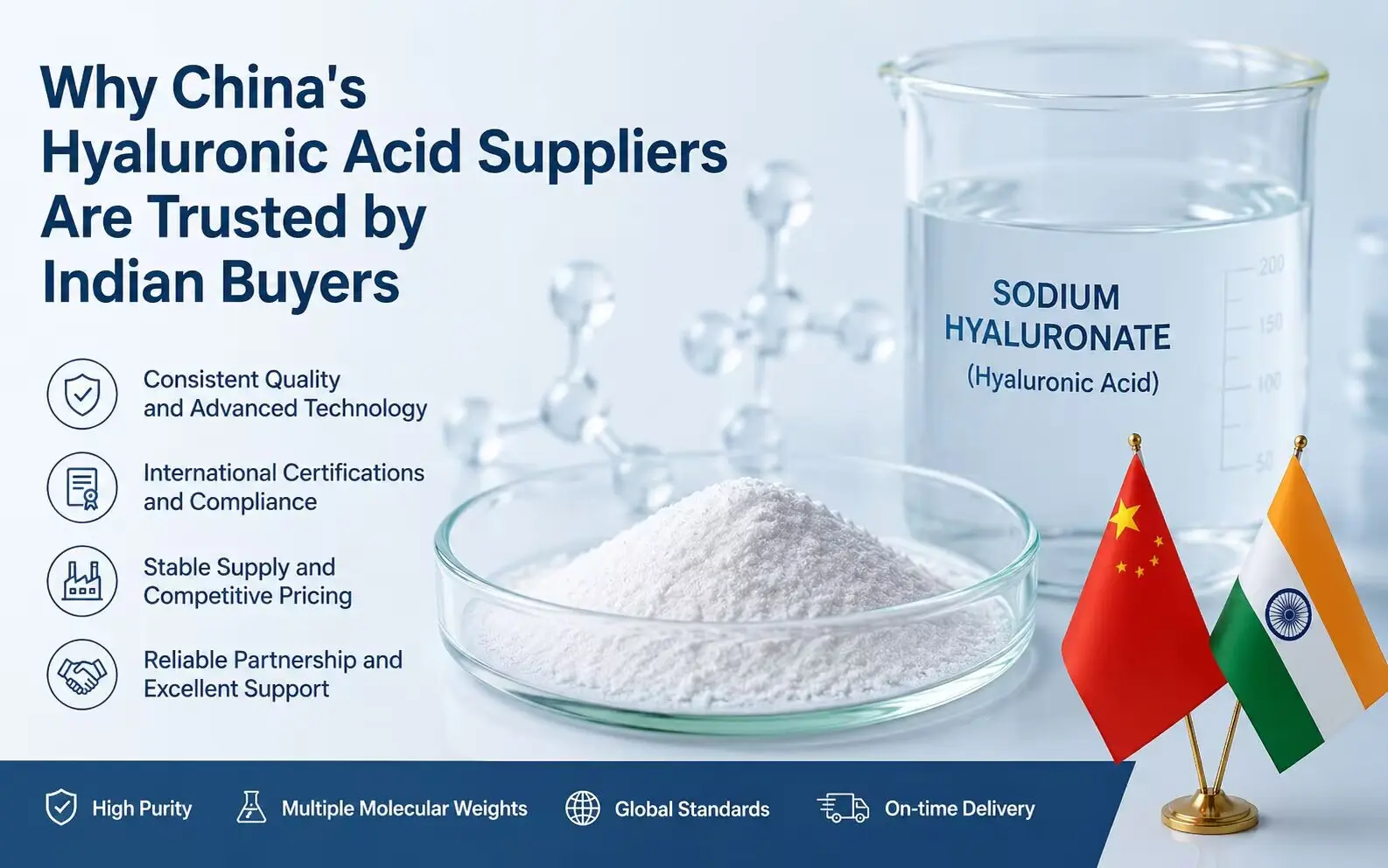
With the rapid development of India's cosmetics, pharmaceutical, and health supplement sectors, demand for high-quality HA continues to surge. We analyze why Chinese suppliers are key partners in this expansion.
Read Full Article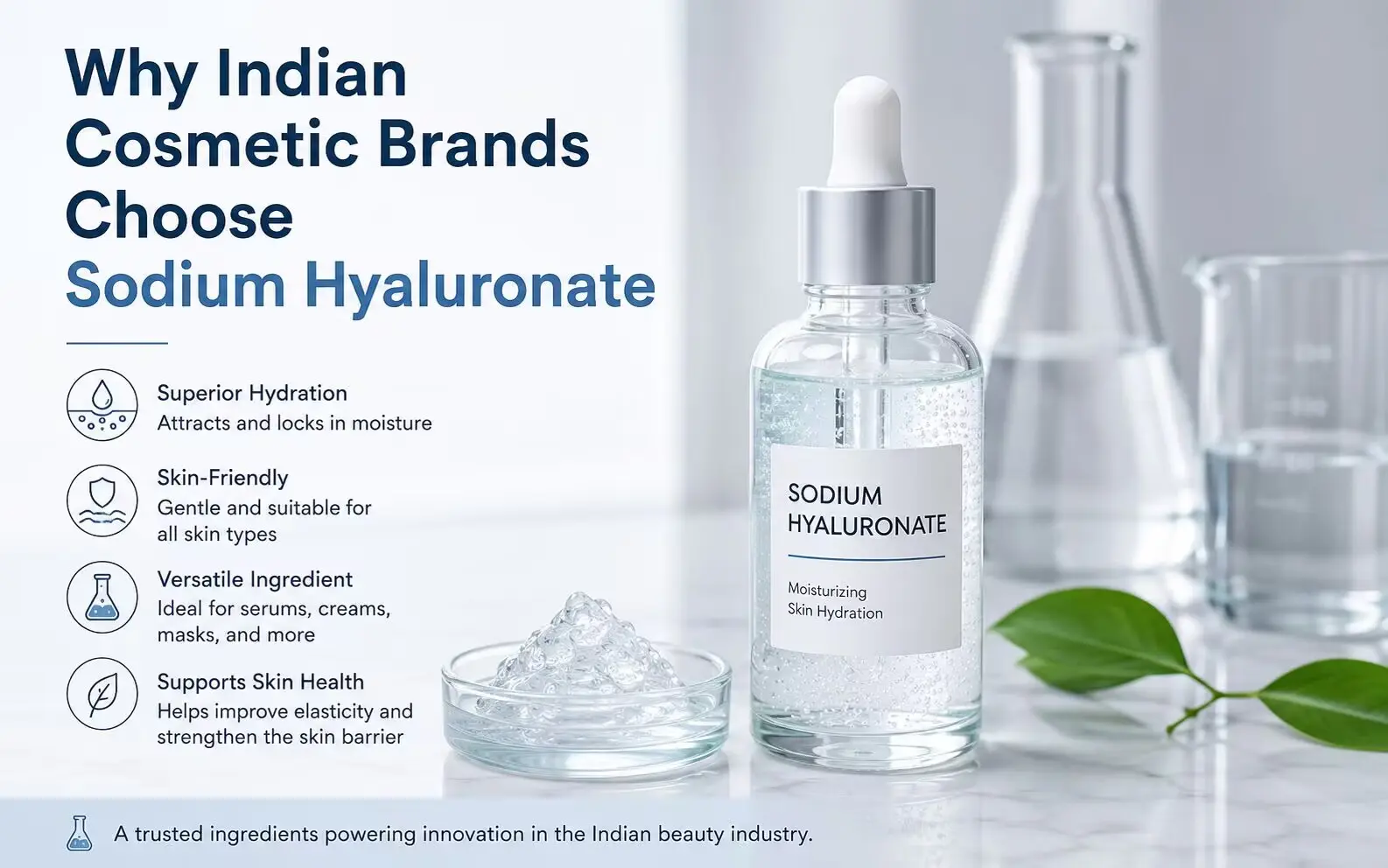
As consumers demand high-efficacy hydration solutions, sodium hyaluronate has become a must-have ingredient in Indian facial serums, moisturizers, sunscreens, and color cosmetics.
Read Full Article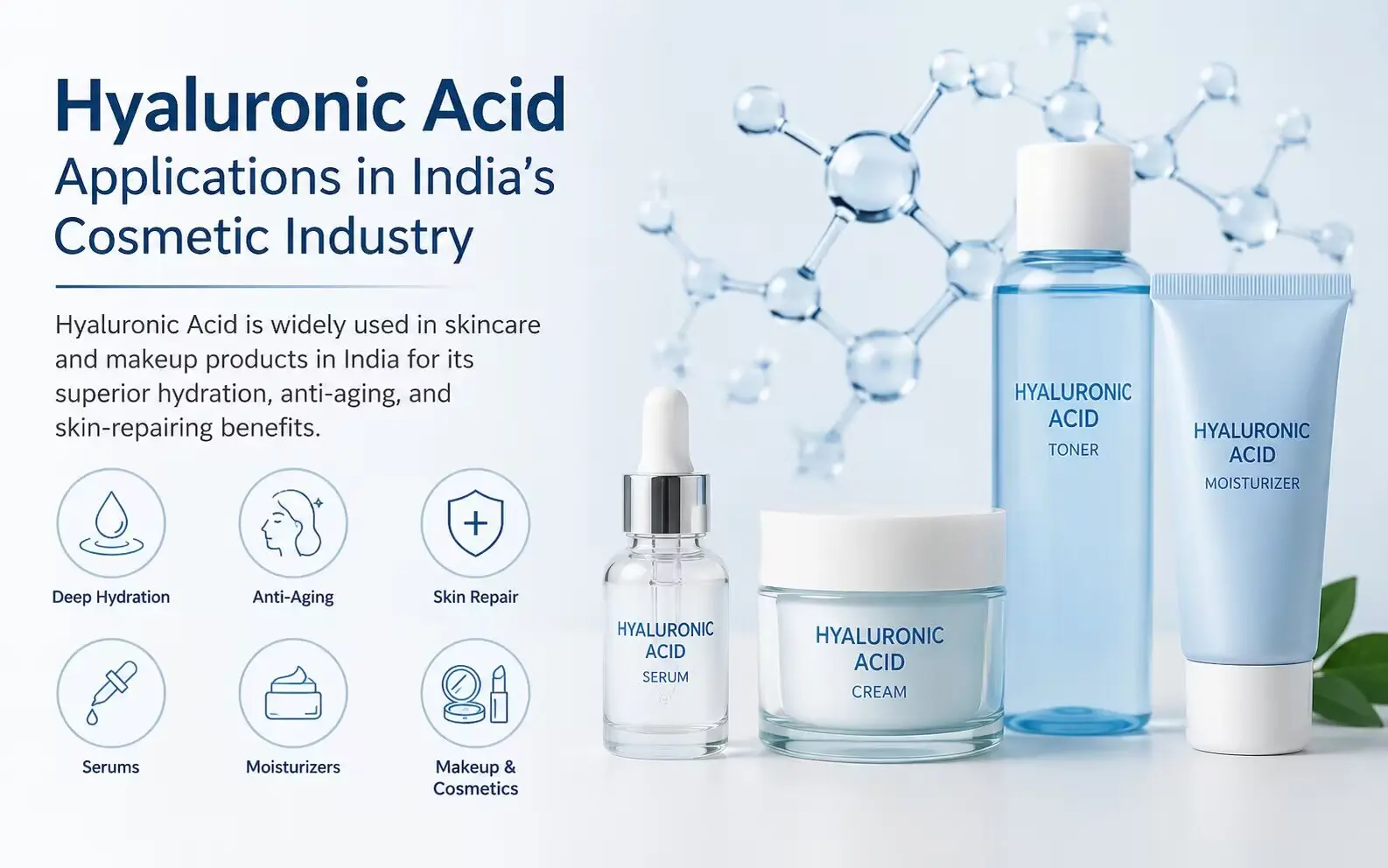
Exploring how climate-specific formulation strategies dictate the molecular weight selection of sodium hyaluronate in South Asian personal care formulations.
Read Full Article