
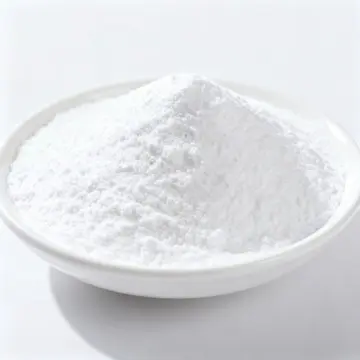
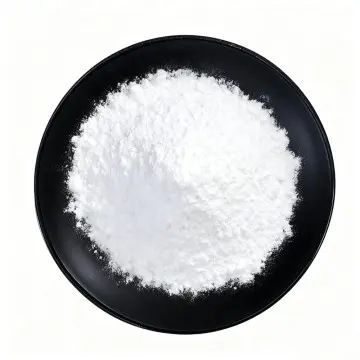
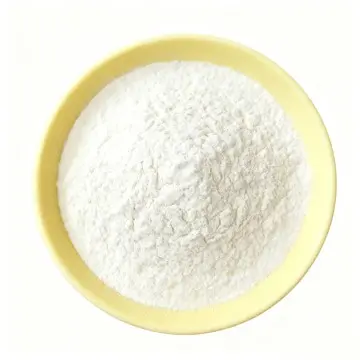
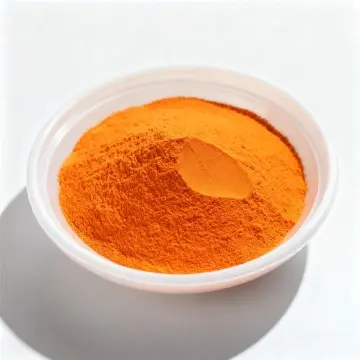
Explore our key bio-fermented Sodium Hyaluronate powders and specialized synergy additives manufactured under stringent GMP facilities.
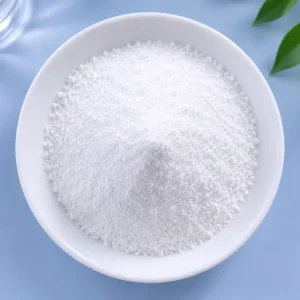
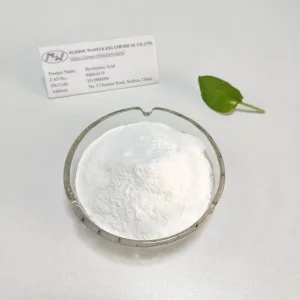
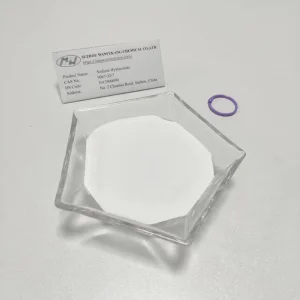
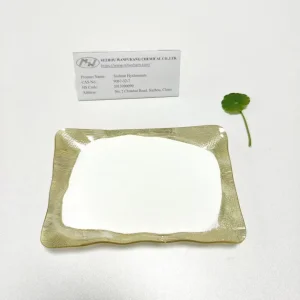
Modern clinical dermatology and advanced cosmetology are increasingly relying on molecular pairings that offer mutual stability enhancements and accelerated physiological pathways. The pairing of Hyaluronic Acid (HA) and Vitamin C (L-Ascorbic Acid or its stable derivatives) stands as the industry gold standard for addressing age-related skin structural decline, hyperpigmentation, and transepidermal water loss (TEWL).
B2B formulators must, however, design these systems keeping in mind the pH Paradox. Pure Vitamin C (L-Ascorbic Acid) is only active and capable of transdermal penetration at an acidic pH below 3.5. Standard high-molecular-weight Hyaluronic Acid (HMW-HA), on the other hand, risks viscosity breakdown and chemical denaturation over extended storage in highly acidic environments. This is why famous manufacturers leverage stabilized esters such as Sodium Ascorbyl Phosphate (SAP), Magnesium Ascorbyl Phosphate (MAP), and Ascorbyl Glucoside (AA2G), which remain structurally resilient at pH levels between 5.5 and 7.0, aligning seamlessly with the physiological stability window of industrial Sodium Hyaluronate solutions.
The global demand for clean-label, bio-fermented cosmetics has positioned the combination of Hyaluronic Acid and Vitamin C as a prerequisite for mass-market skincare, clinical dermatology lines, and wellness nutraceutical formulations. According to chemical registry databases and market analysis reports, cross-border sourcing requests for these paired components have grown by approximately 14.5% year-on-year.
| Sourcing Region | Dominant Application Segment | Key Specifications Preferred | Compliance Requirements |
|---|---|---|---|
| North America | Medical Aesthetics & Clean Clinical Serums | Oligo HA (<10 kDa) + Tetrahexyldecyl Ascorbate | FDA OTC Drug Status, Cruelty-free Certification |
| European Union | Ecocert Natural/Organic Cosmetics | Cosmetic Grade HA 800-1200 kDa + Ascorbyl Glucoside | REACH Registration, COSMOS Standard Approval |
| Asia-Pacific | Functional Food, Oral Supplements & Tone Brightening | Food Grade HA (Assay >95%) + Sodium Ascorbate | HALAL, KOSHER, ISO 22000, Local Food Additive Standards |
Commercial formulation development managers must systematically assess suppliers not just on initial pricing, but on assay consistency, heavy metal profiles, and pesticide residues. Raw material instability within supply channels causes discoloration, viscosity loss, and active ingredient decay in finished packaging, severely impacting brand equity.


As global sourcing strategies face geopolitical changes and inflationary pressures, China's biochemical industrial clusters offer unmatched stability. Companies like Suzhou Wanfukang Chemical Co., Ltd. represent the apex of this resilience, utilizing local industrial scale to secure high-quality ingredients at competitive prices.
Historically, Hyaluronic Acid was extracted from animal tissues (such as rooster combs), creating high costs and potential pathogen transmission risks. Chinese biotechnology leaders revolutionized this by using non-pathogenic bacterial strains, specifically Streptococcus zooepidemicus, grown on plant-derived carbohydrate substrates (such as corn starch). This vegan, cruelty-free approach yields highly pure Sodium Hyaluronate (Assay >98.0%) with minimal nucleic acid, protein, and heavy metal impurities.
Sourcing both Hyaluronic Acid and Vitamin C together from a consolidated supplier minimizes logistics risks and regulatory complexities. This vertical integration allows factories to run strict batch-testing protocols on mutual compatibility. Our lab facilities confirm molecular weight ranges and verify assay values using High-Performance Liquid Chromatography (HPLC) before dispatching materials, ensuring that ingredients perform reliably once integrated into your production line.
Wanfukang specializes in the development, quality assurance, and export of premium cosmetic and food ingredients. We supply high-potency ingredients designed to meet the demands of global manufacturers.
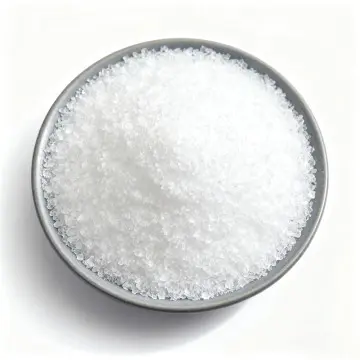
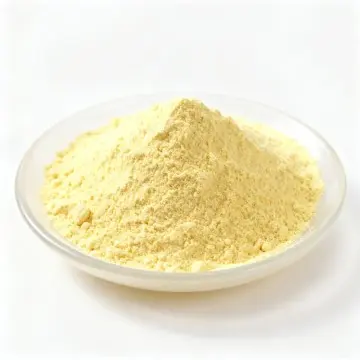
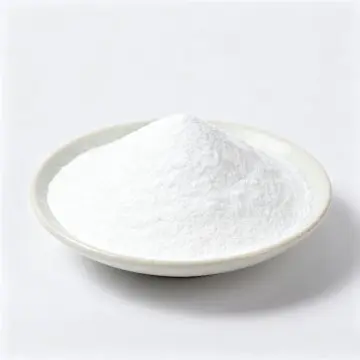
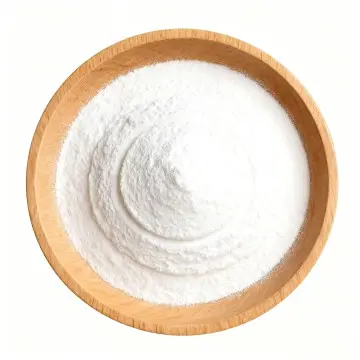
Skincare needs vary significantly by geographical region, climate, and local demographic preferences. As global B2B suppliers, we provide raw material guidelines tailored for localized product developments:
In dry, cold environments, the skin barrier is constantly compromised, accelerating TEWL. Here, formulations benefit from a higher ratio of High Molecular Weight Hyaluronic Acid (1.5M - 2.0M Da) to form an outer protective film, paired with oil-soluble Vitamin C derivatives like Ascorbyl Tetraisopalmitate to support lipid protection.
In warm, humid regions, heavy or oily formulations can clog pores. We recommend combining low-molecular-weight HA (10k - 100k Da) with Sodium Ascorbyl Phosphate (SAP). SAP acts as a gentle, water-soluble active that helps balance sebum production, while low-molecular-weight HA hydrates without leaving a heavy residue.
Post-procedural skin requires fast cell renewal and minimal irritation. The optimal formulation combines sterile, injection-grade Hyaluronic Acid with Magnesium Ascorbyl Phosphate (MAP) at neutral pH levels, which supports tissue recovery and reduces post-inflammatory hyperpigmentation (PIH).
Research and development in raw material technology continues to advance, bringing new delivery methods and enhanced stability profiles to the market. The industry is moving from simple ingredient mixing toward advanced molecular conjugation.
1. Conjugated HA-Vitamin C Molecules (Ascorbyl Hyaluronate): Through targeted esterification, chemists have chemically bonded Ascorbic Acid directly to the backbones of Hyaluronic Acid polymers. This creates single-molecule conjugate complexes that prevent premature oxidation and only break down into active HA and Vitamin C once they reach the deeper layers of the epidermis via skin esterases.
2. Engineered Bacillus subtilis Hosts: In bio-fermentation, the industry is transitioning from Streptococcus strains to genetically engineered, endotoxin-free Bacillus subtilis. This produces highly consistent batches with low immunogenicity, ideal for medical devices and eye drop formulations.
3. Nano-Liposomal Encapsulations: Using lipid nanoparticles to encase both HA and Vitamin C protects the active ingredients from heat and enzymatic breakdown, extending their shelf life and ensuring sustained, time-release absorption.
Navigating global regulatory frameworks is critical for cross-border chemical shipping. Bulk materials must comply with local chemical inventory rules and quality certifications.
These high-purity ingredients are selected by global formulation brands for their stability, performance, and ease of formulation.
Key developments, buyer trends, and formulation strategies in the global cosmetic and supplement markets.
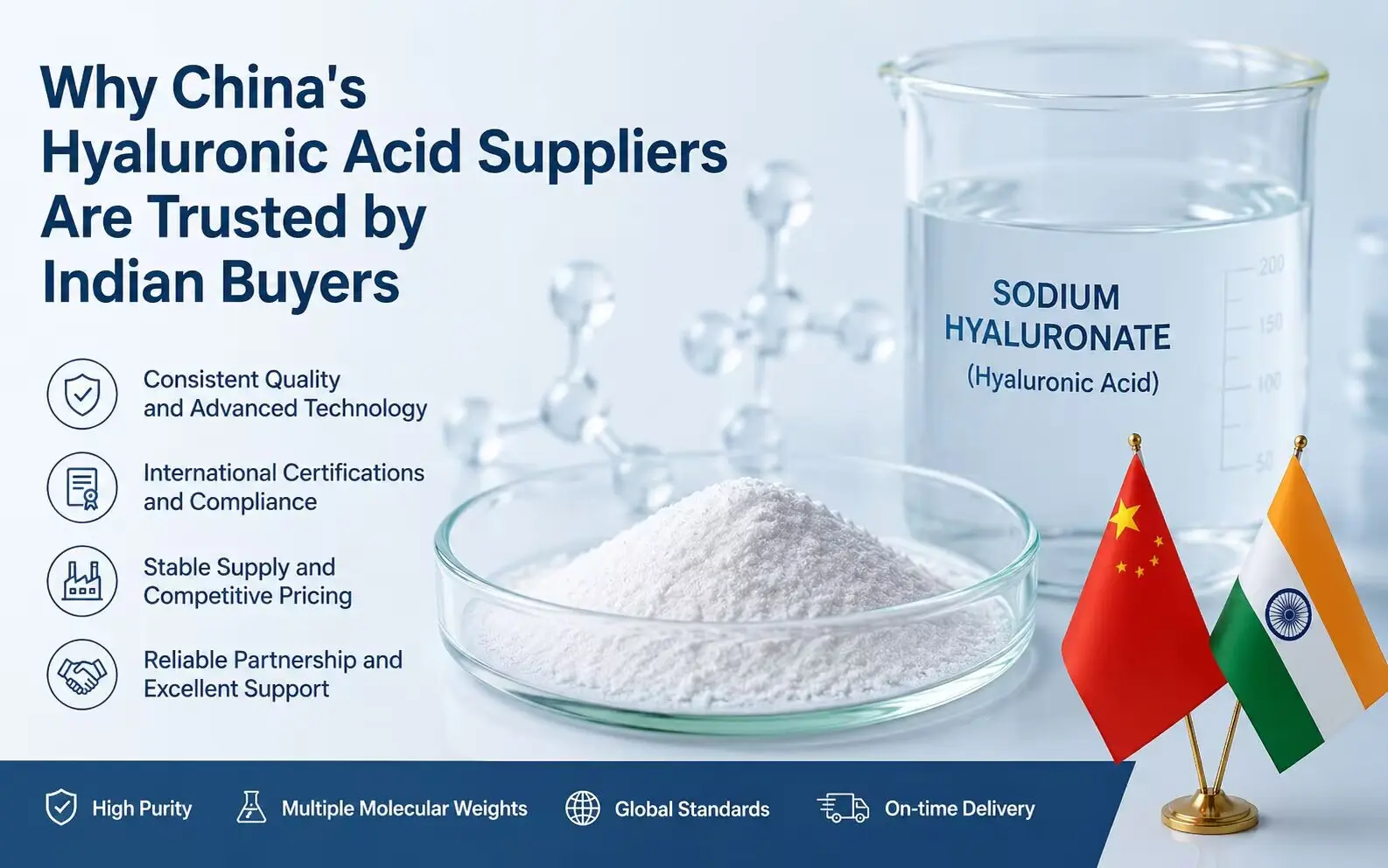
With the rapid growth of India's cosmetic and pharmaceutical sectors, buyers increasingly look to Chinese manufacturers for reliable, high-volume supply and consistent quality standards...
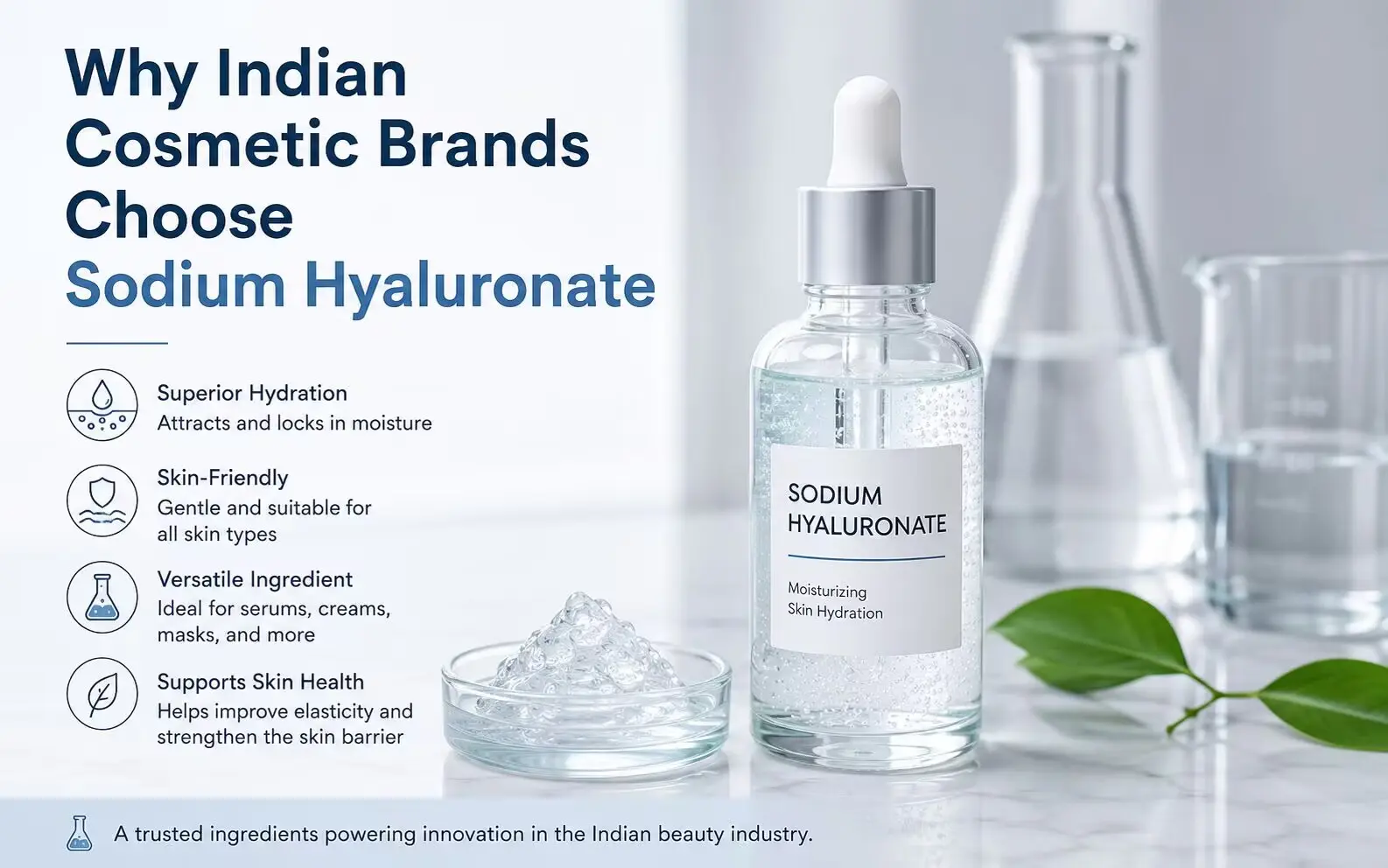
As the Indian personal care market expands, brands are turning to Sodium Hyaluronate to meet rising consumer demand for safe, highly effective moisturizing and anti-aging formulations...
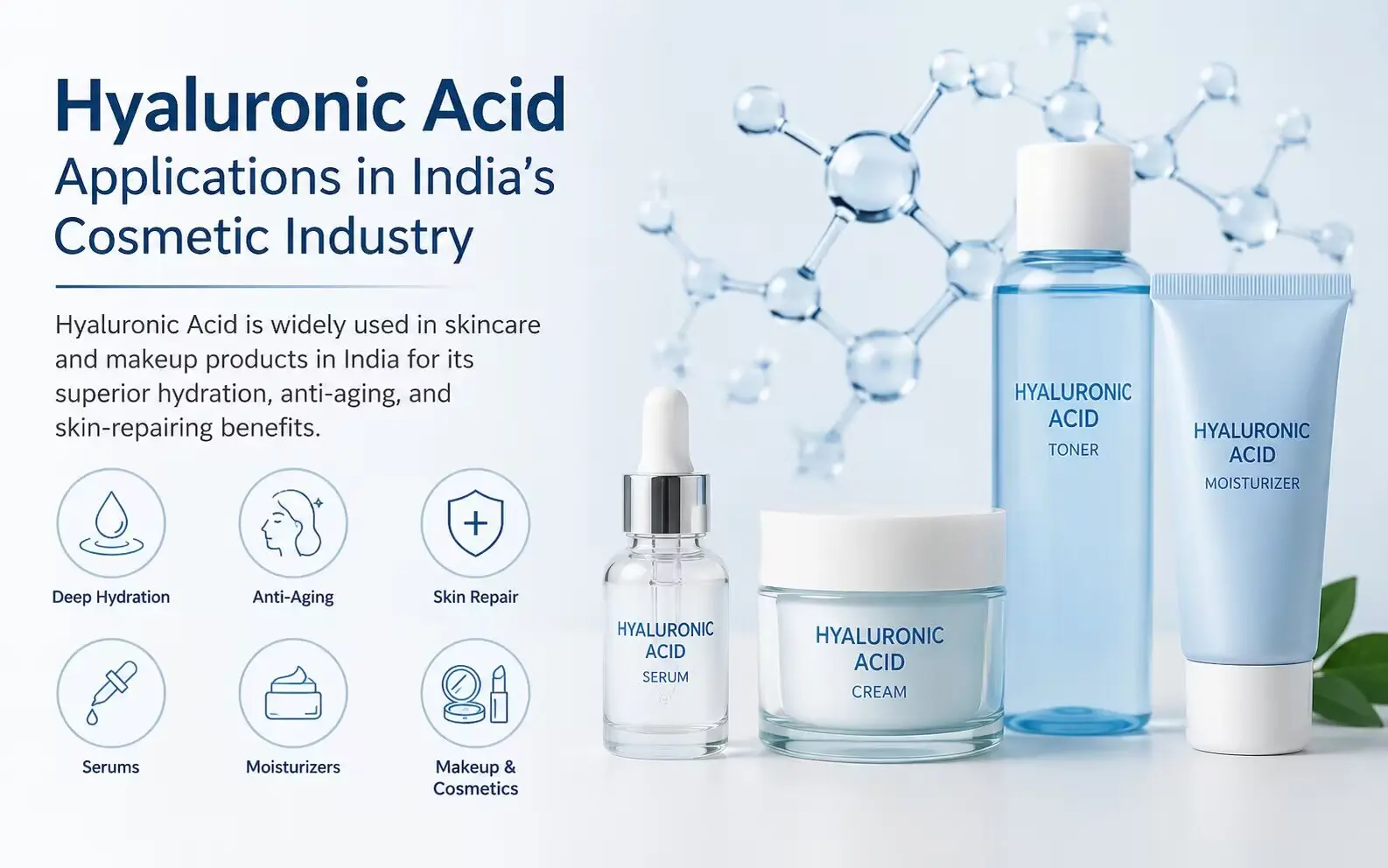
Hyaluronic Acid has become a staple active ingredient in the Indian cosmetics market, widely utilized in hydrating serums, light moisturizers, and post-procedure skincare...
Direct answers to common technical queries and formulation challenges for cosmetic and supplement manufacturers.
Yes. However, the formulation's stability depends heavily on the pH. Pure L-Ascorbic Acid requires an acidic pH below 3.5, which can degrade standard Hyaluronic Acid chains over time. To ensure a stable formulation, we recommend using stabilized Vitamin C derivatives like Sodium Ascorbyl Phosphate (SAP) or Ascorbyl Glucoside, which remain stable in a pH range of 5.5 to 7.0 alongside Sodium Hyaluronate.
The distinction lies in purity, molecular weight, and regulatory compliance. Injection grade HA requires ultra-low endotoxin levels and strict sterility validation, suitable for medical devices. Cosmetic grade HA focuses on cosmetic purity and skin feel, while Food Grade HA complies with dietary safety regulations, ensuring it is safe for oral supplements.
Both ingredients are highly sensitive to moisture and oxidation. Store bulk powders in their original, vacuum-sealed aluminum packaging in a cool (below 25°C), dry place, away from direct sunlight. Once opened, re-seal with desiccant packs or flush with nitrogen gas to prevent moisture uptake and oxidation.
For optimal hydration, we recommend a multi-weight strategy. High Molecular Weight HA (1.0M - 1.8M Da) creates a moisture-retaining layer on the skin surface to prevent TEWL. Low Molecular Weight HA (100k - 400k Da) hydrates the skin's middle layers, and Oligo-HA (<10k Da) penetrates deeper to support natural collagen synthesis.
Explore our selection of injection-grade, pharmaceutical-grade, and customized active ingredients designed for high-performance applications.
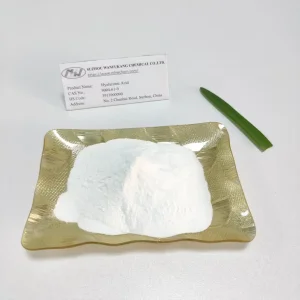
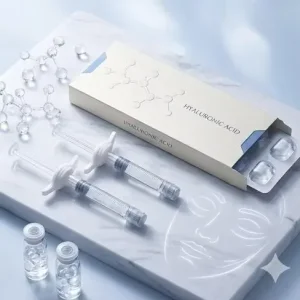
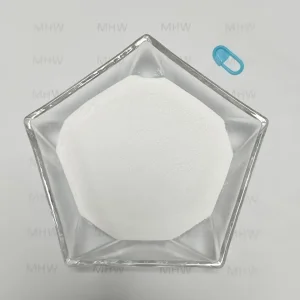
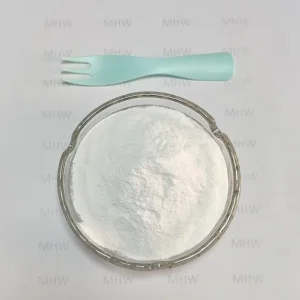
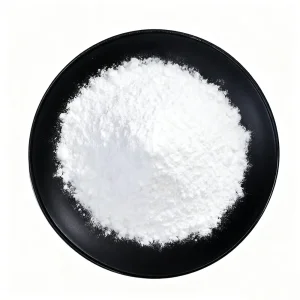
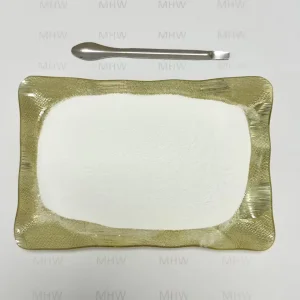

Suzhou Wanfukang Chemical Co., Ltd. has established itself as a professional supplier of Sodium Hyaluronate and Hyaluronic Acid over years of global trading operations. We supply various grades of Sodium Hyaluronate, including cosmetic, food, and pharmaceutical grades. Our product range has expanded to support multiple applications, including joint health supplements, functional food additions, and clinical aesthetics.
With an annual sales volume exceeding 500 tons and an active client base spanning 20+ countries, we combine technical expertise with robust logistics to deliver consistent product quality and reliable shipping timelines for our partners worldwide.