Explore our certified pharmaceutical, food, and cosmetic grade biopolymer ingredients engineered for global distribution.
Analysing the macroeconomic drivers of organic acids and biopolymer matrices in B2B markets.
In the modern biochemical landscape, Lactic Acid (LA) and Hyaluronic Acid (HA) stand as two of the most critical structural components driving evolution in personal care, pharmaceuticals, clinical therapeutics, and performance foods. Lactic Acid, historically positioned as a core acidulant and precursor to biodegradable Poly-Lactic Acid (PLA) polymers, has expanded its utility. Today, high-purity L-lactic acid and its salt derivatives (such as sodium lactate) act as key moisturizing and pH-regulating agents in skincare formulations.
Concurrently, Hyaluronic Acid (HA) and its salt, Sodium Hyaluronate, command the premium hydration segment. By retaining up to 1000 times its molecular weight in water, HA is a vital molecule across dermal fillers, ophthalmic drops, clinical joint supplements, and advanced topical cosmetics. The industrial synergy between these two components is substantial: Lactic Acid provides chemical exfoliation and adjusts the physiological microenvironment, allowing varying molecular weights of Hyaluronic Acid to hydrate deeper skin layers effectively.
Recent supply chain re-alignments have highlighted the dominance of Chinese manufacturing clusters. Integrated fermentation facilities reduce production costs by leveraging local agricultural feedstocks (corn, starch, and sugarcane) and optimized microbial strains.
Modern cosmetic developers require raw materials that maintain stability under varying pH ranges. Utilizing pure L-lactic acid alongside highly refined Sodium Hyaluronate ensures structural stability and prevents premature hydrolysis of the biopolymer chain.
Your Strategic B2B Partner for Premium Organic Acids and Biopolymers.
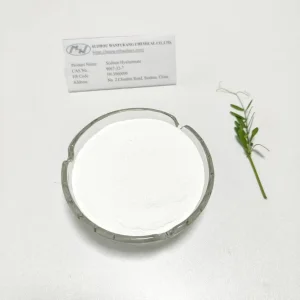
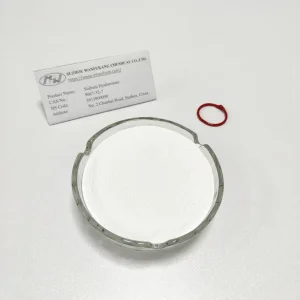
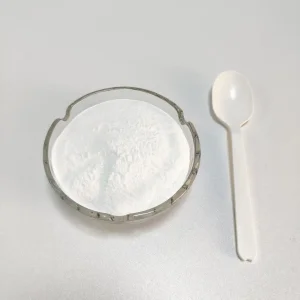
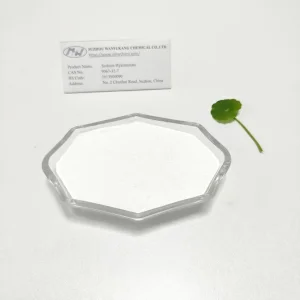
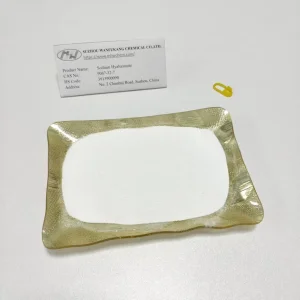
Suzhou Wanfukang Chemical Co., Ltd (WFK) has established itself as a professional supplier of Sodium Hyaluronate and Hyaluronic Acid over many years. As a dedicated industrial enterprise, we specialize in providing every critical grade of sodium hyaluronate, including food grade, cosmetic grade, and pharmaceutical grade.
Through consistent research, development, and strategic partnerships, our business has extended to cosmetic ingredients, health food materials, and pharmaceutical ingredients. Many of our core biopolymers are widely applied in professional cosmetics, joint health formulations, ophthalmic solutions, and medical applications globally.
We understand that modern purchasing departments demand more than just raw materials. Our operations are structured to offer compliance support, batch-to-batch consistency, customized molecular weights, and comprehensive logistics solutions.
The manufacturing process of Hyaluronic and Lactic Acids relies on precise bacterial fermentation and purification protocols.
Hyaluronic Acid: Produced via the fermentation of *Streptococcus zooepidemicus*. The process uses food-grade agricultural resources like glucose, yeast extract, and peptones. Advanced manufacturers optimize fermentation conditions (such as temperature, pH, and aeration) to control the yield and molecular weight distribution.
Lactic Acid: Manufactured using *Lactobacillus* species. Controlled carbohydrate fermentation produces high-purity L-lactic acid, preventing the formation of D-isomers to ensure maximum compatibility with human metabolic pathways.
After fermentation, the biomass is separated from the filtrate using microfiltration and ultrafiltration membranes. The purification phase is essential for pharmaceutical-grade HA to eliminate bacterial endotoxins, nucleic acids, proteins, and heavy metal residues.
For Lactic Acid, multi-stage distillation and active carbon treatments are used. This process ensures the product meets high-clarity specifications, has minimal odor, and complies with food-grade and cosmetic-grade requirements.
Using enzymolysis technology, manufacturers can degrade high-molecular-weight HA into customized ranges:
Analyzing localized demands, purchasing behaviors, and regulatory landscapes across regional economic zones.
The Indian cosmetics and personal care market is growing rapidly, driven by rising consumer demand for effective and safe skincare. Sodium hyaluronate has become a key ingredient for many Indian cosmetics brands, which incorporate it into serums, creams, sheet masks, sunscreens, and color cosmetics.
Local climatic conditions in India require light, non-greasy formulations that offer long-lasting hydration. To achieve this, formulators often combine low-molecular-weight hyaluronic acid with stabilizing organic acids like lactic acid. This combination helps skin absorb active ingredients efficiently under hot and humid conditions.
Sourcing raw materials internationally requires clear supply chain visibility. B2B buyers choose integrated manufacturers because they offer complete documentation, consistent batch quality, and transparent compliance standards. Our production facilities maintain clean-room environments and utilize automated monitoring systems to ensure consistent product purity.
High relative humidity and intense UV exposure drive the demand for oil-free moisturizing serums. Low-molecular-weight Sodium Hyaluronate (10k-50k Da) is combined with L-lactic acid to exfoliate the skin and improve transdermal delivery.
Strict cosmetic ingredient regulations demand full traceability. Modern manufacturing facilities must comply with Kosher, Halal, and COSMOS guidelines, guaranteeing that products are non-animal derived, non-GMO, and free from cross-contamination.
Oral supplements for joint health and skincare require high-density hyaluronic acid. Working with a supplier that offers food-grade sodium hyaluronate with an assay level of over 95.0% helps ensure compliance with international dietary supplement standards.
Stay informed with technical updates, trade insights, and global B2B supply updates.
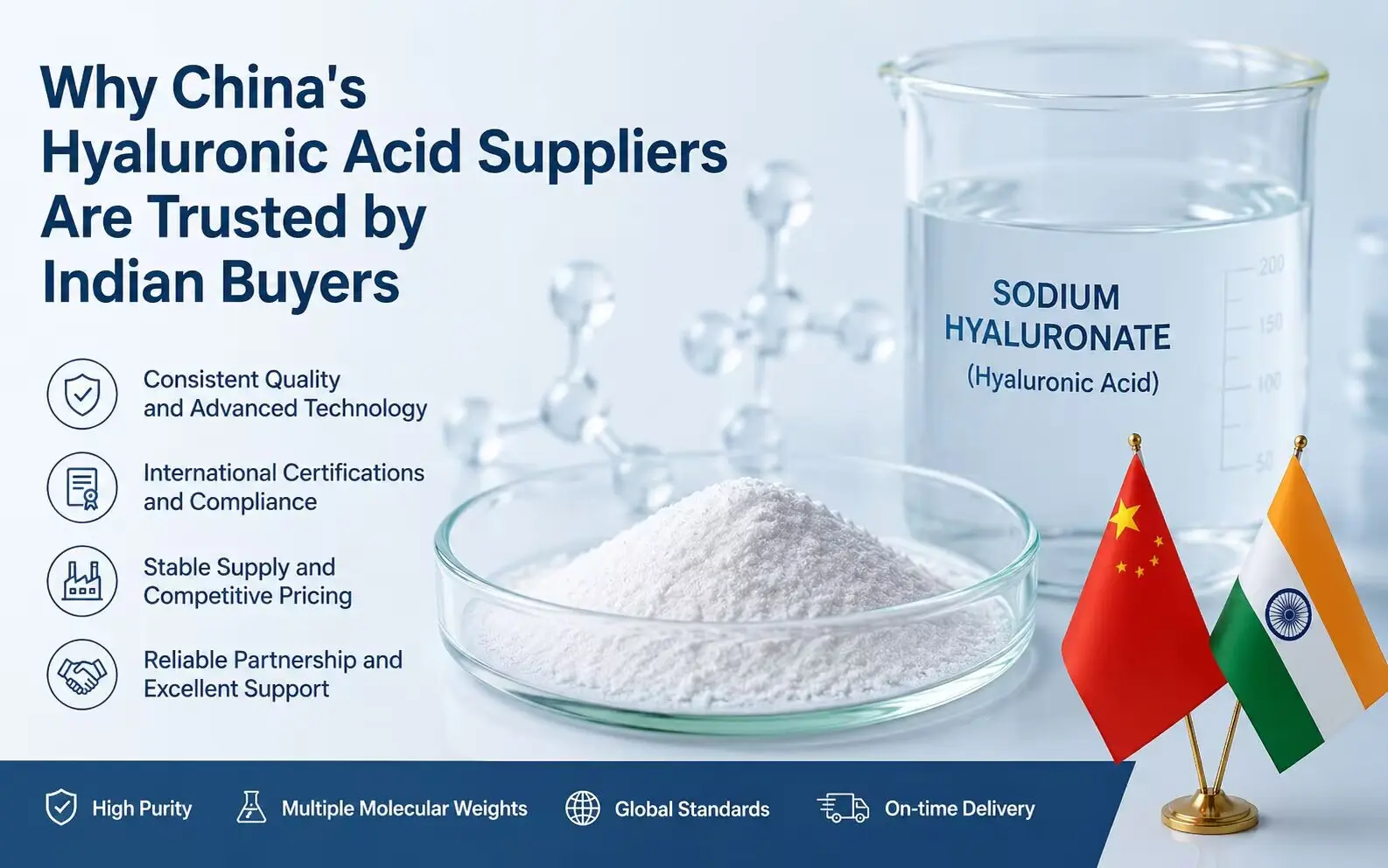
In recent years, with the rapid development of India's cosmetics, pharmaceutical, and food and health product industries, the market demand for hyaluronic acid (HA) and sodium hyaluronate has continued to grow. Against this backdrop, more and more Indian buyers are turning their attention to Chinese suppliers. So, why have Chinese hyaluronic acid suppliers won the long-term trust of Indian buyers?
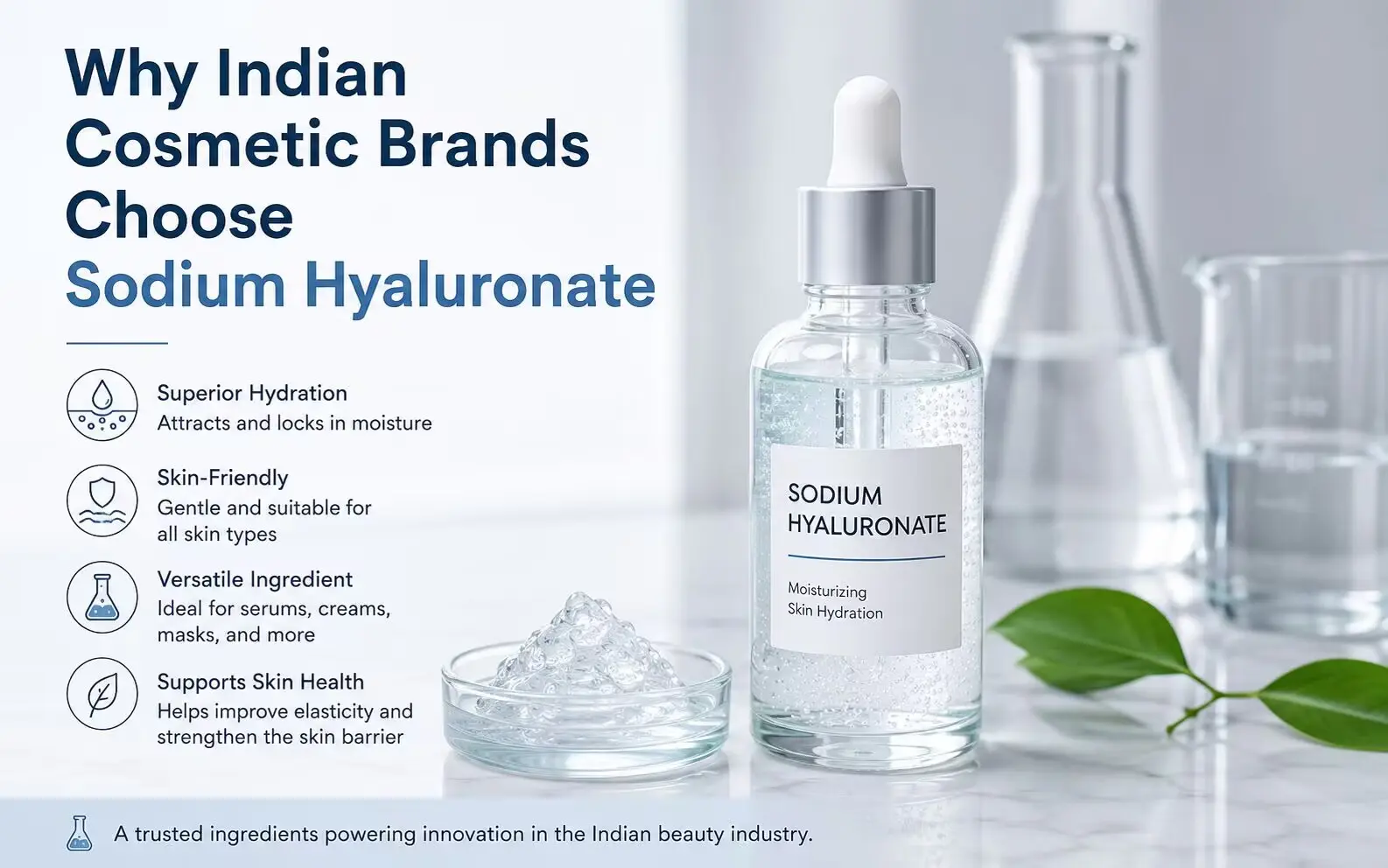
In recent years, with the continued growth of the Indian beauty and personal care market, consumers' demand for highly effective and safe skincare products has been constantly increasing. As a widely used moisturizing ingredient in the international market, sodium hyaluronate is becoming an important choice for more and more Indian cosmetic brands, and is widely used in serums, creams, masks, sunscreens, and makeup.
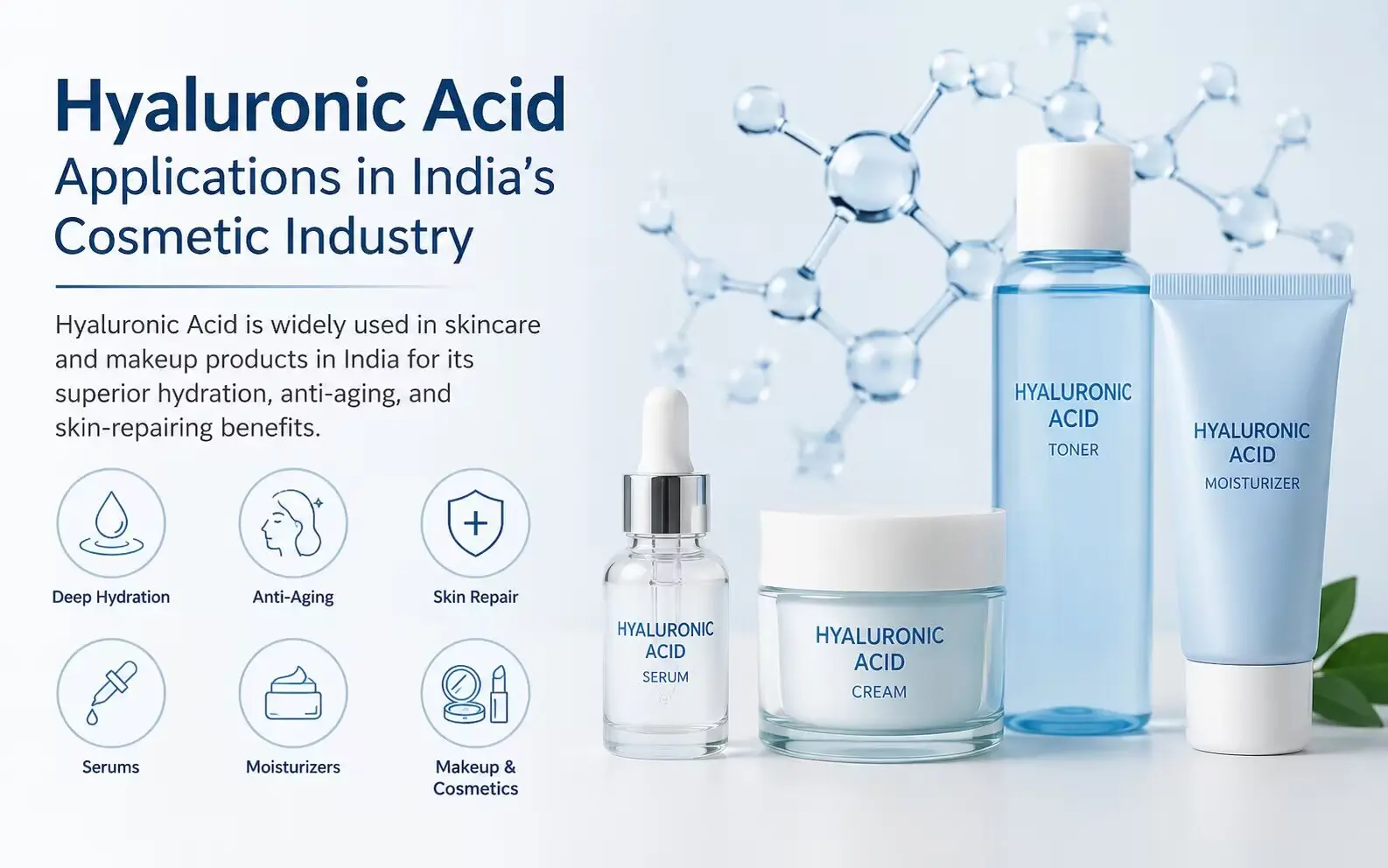
With the continued expansion of the Indian cosmetics market and the growing consumer demand for high-quality skincare products, hyaluronic acid (HA) is gradually becoming one of the most watched functional ingredients in the Indian cosmetics industry.
Integrating green chemistry practices to reduce carbon footprint and improve product safety.
The chemical industry is shifting toward more sustainable production methods. Standard synthetic routes are being replaced by bio-fermentation methods that use renewable plant materials. Lactic acid and sodium hyaluronate produced through microbial fermentation generate fewer carbon emissions compared to traditional petrochemical processes.
We optimize energy usage in our manufacturing facilities by utilizing co-generation heating and recycling process water in closed-loop systems. This reduces our overall water and energy consumption per ton of finished product, helping B2B clients meet their scope 3 emissions targets.
Our fermentation processes yield nutrient-rich biomass co-products. These are treated and converted into organic fertilizers, supporting circular agricultural practices.
Additionally, our advanced wastewater treatment plants process the discharge to ensure it meets strict environmental discharge regulations, helping to protect local ecosystems.
Addressing key technical and logistics questions for B2B procurement managers.
The difference lies in the purification levels, regulatory compliance, and molecular weight distribution. Cosmetic grade focuses on moisture retention and skin feel. Food grade requires high biological safety and purity for oral absorption. Pharmaceutical grade demands strict control over bacterial endotoxins, heavy metals, and nucleic acids, making it suitable for ophthalmic solutions and injectables.
Low-molecular-weight HA can be prone to enzymatic degradation and acid-base hydrolysis. We stabilize our formulations by controlling the pH (typically between 5.5 and 7.0) and utilizing buffer systems. Using lactic acid as a natural pH regulator helps keep the formulation stable and prevents premature degradation.
Yes, our Sodium Hyaluronate is produced through microbial fermentation using non-animal raw materials. This eliminates the risk of animal-derived contaminants and ensures the products are suitable for vegan-friendly formulations.
Our manufacturing facilities are ISO 9001 and ISO 22000 certified, and we maintain GMP standards for pharmaceutical-grade materials. Additionally, we provide Kosher and Halal certifications to support global distribution.
Explore our range of injection-grade powders, sterile solutions, and certified vegan-friendly ingredients.