Explore our premium bio-fermented raw materials designed for injectables, ophthalmics, cosmetics, and functional foods.
A comprehensive B2B insight on cellular penetration, fermentation control, and application optimization.
Hyaluronic Acid (HA), in its native high molecular weight state, is a primary component of the extracellular matrix (ECM). However, its large molecular footprint (>1,000 kDa) restricts transdermal absorption, confining its utility to surface hydration and barrier protection. Modern clinical dermatology and nutricosmetics demand deep-tissue penetration, which has driven the industrial adoption of Low Molecular Weight Hyaluronic Acid (LMW-HA) and Ultra-Low Molecular Weight Hyaluronic Acid (Oligo-HA, <10 kDa).
LMW-HA (typically ranging from 10 kDa to 150 kDa) bypasses the stratum corneum barrier by traveling through intercellular pathways. Upon crossing the outer epidermal layers, it interacts directly with CD44 receptors, stimulating the natural synthesis of structural proteins, promoting cellular proliferation, and accelerating wound healing processes. This biostimulatory profile is highly prized by developers of advanced anti-aging serums and clinical skin repair topical formulations.
"The therapeutic and cosmetic index of Hyaluronic Acid is heavily dictated by its molecular mass. In high-concentration formulations, high molecular weight HA can create a moisture-retaining film, but it is the Low Molecular Weight fractions that communicate at the cellular level to trigger endogenous collagen deposition."
— Clinical Cosmeceutical Research Bulletin
The global demand for sodium hyaluronate is growing rapidly, driven by clean-label beauty trends, the normalization of injectable aesthetics, and clinical advancements in joint-health functional supplements. China has established itself as the global hub for HA production, supplying over 70% of the world's raw materials. B2B buyers from India, Europe, and the Americas rely heavily on Chinese manufacturers for their consistent batch-to-batch quality, cost-efficiencies, and large-scale fermentation capacities.
Historically, HA was extracted from rooster combs, presenting significant risk of avian viral contamination and protein impurities. Today, the industrial standard is non-animal bio-fermentation using strains like Streptococcus zooepidemicus. Top exporters utilize advanced degradation technologies—including chemical hydrolysis and enzymatic cleavage (using specific hyaluronidases)—to precisely break down large HA chains into targeted low molecular weights without compromising the integrity of the polymer structure.
| Molecular Weight Range | Primary Grade designation | Biological Action / Target Mechanism | Ideal Formulation Medium |
|---|---|---|---|
| <10 kDa (Oligo-HA) | Cosmetic / Active Treatment | Deep dermal penetration, CD44 interaction, collagen synthesis | Anti-aging serums, ampoules, post-procedure recovery creams |
| 10 kDa - 100 kDa (LMW-HA) | Cosmetic / Topical Medical | Hydration of deeper epidermis, inflammatory regulation | Daily moisturizers, sheet masks, essence toners |
| 100 kDa - 1,000 kDa | Food / Dietary Supplement | Somatic absorption, synovial joint fluid replenishing, gut mucosal barrier | Nutricosmetic capsules, joint tablets, oral beauty drinks |
| >1,000 kDa (HMW-HA) | Injectable / Ophthalmic / Cosmetic | Viscoelastic lubrication, surface moisture film creation, dermal filler base | Intra-articular injections, dermal fillers, eye drops, protective gels |
Tailored hyaluronic acid configurations matching localized regulatory frameworks and specific formulation requirements.
Injection-grade sodium hyaluronate demands ultra-low endotoxin levels (<0.05 IU/mg) and absolute sterility. Our manufacturing partners deliver injection-grade raw materials meeting EP and USP pharmacopoeia compliance, enabling the production of safe cross-linked dermal fillers and joint-health injections.
Dry eye syndrome is a global challenge. High-purity, non-animal origin ophthalmic grade HA provides the required rheological and viscoelastic characteristics for eye drop solutions, improving tear film stability and protecting corneal epithelial cells.
Approved under EFSA (Europe), FDA (USA), and FSSAI (India), edible sodium hyaluronate supports systemic hydration. Absorbed via the digestive system, it increases fluid density in the synovial membrane and promotes gut health by stabilizing the intestinal mucus barrier.
As the beauty and pharmaceutical sectors advance, we are witnessing a transition from simple monomolecular HA to multi-molecular weight complexes and chemical derivatives. Key developments include:
Wanfukang specializing in the development and export of cosmetic and food ingredients.
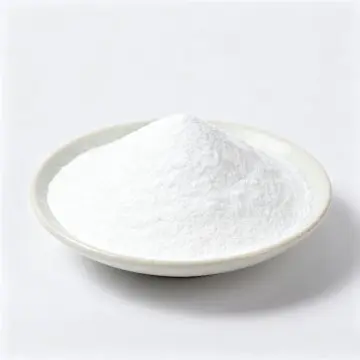
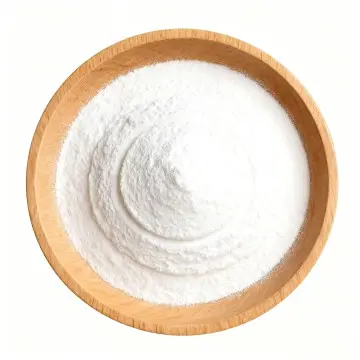
Suzhou Wanfukang Chemical Co., Ltd. is a professional supplier of Sodium Hyaluronate and Hyaluronic Acid with years of experience. We offer all grades of sodium hyaluronate, including food grade, cosmetic grade, and pharmaceutical grade.
As our business has grown, we have expanded into cosmetic ingredients, health food raw materials, and pharmaceutical ingredients. Our products are widely used in cosmetics, joint health supplements, and medical applications.



Insights into international trade, localized formulation preferences, and export requirements.
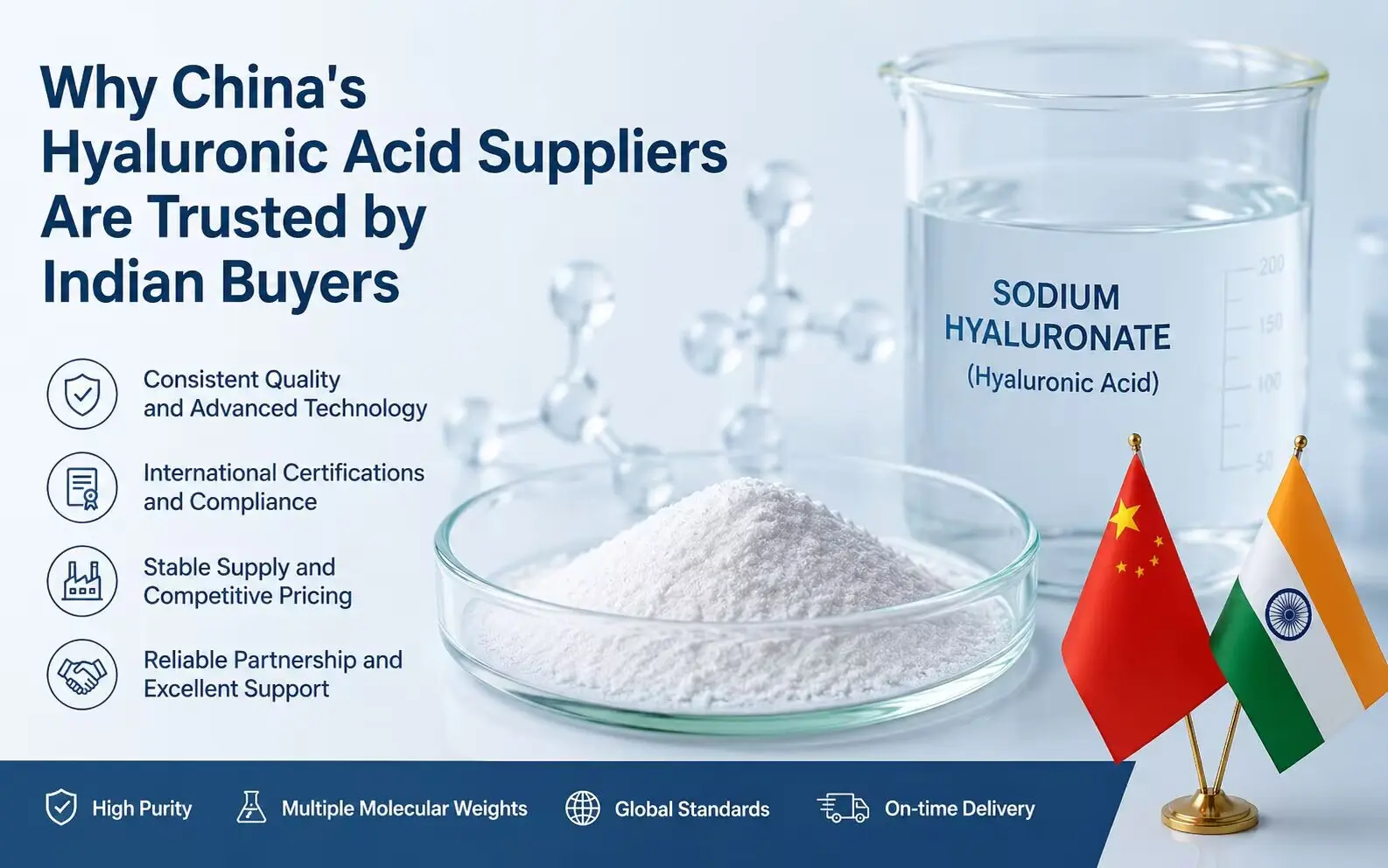
Driven by the growth of India's cosmetics, pharmaceutical, and health supplement industries, demand for hyaluronic acid (HA) and sodium hyaluronate continues to rise. More Indian buyers are partnering with Chinese suppliers due to consistent batch quality, reliable high-volume production, and efficient shipping.
Read Full Report →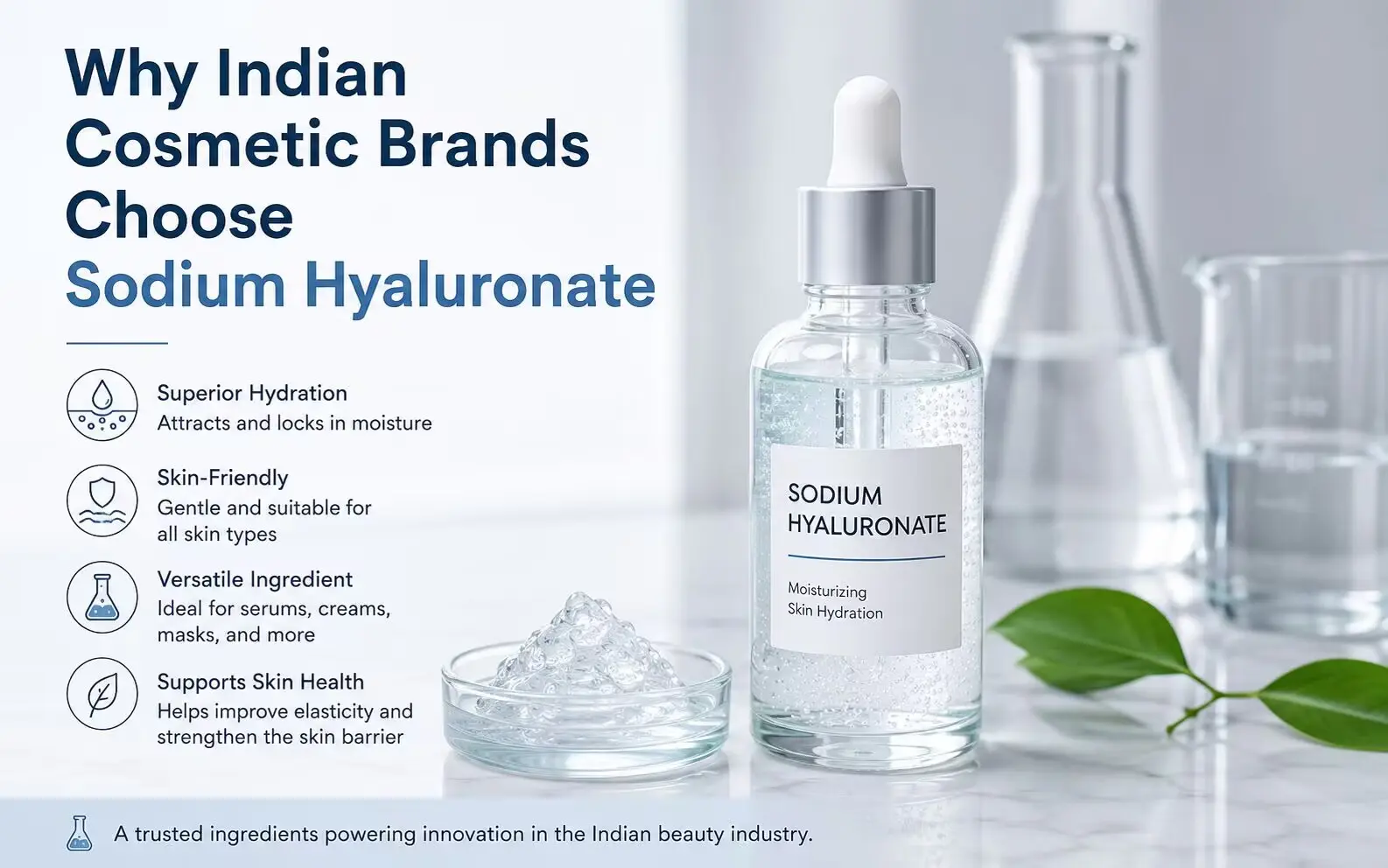
As India's beauty and personal care market expands, consumers are seeking effective and safe skincare products. Sodium hyaluronate has become a key moisturizing ingredient for Indian cosmetic brands, featured in serums, creams, face masks, sunscreens, and makeup.
Read Full Report →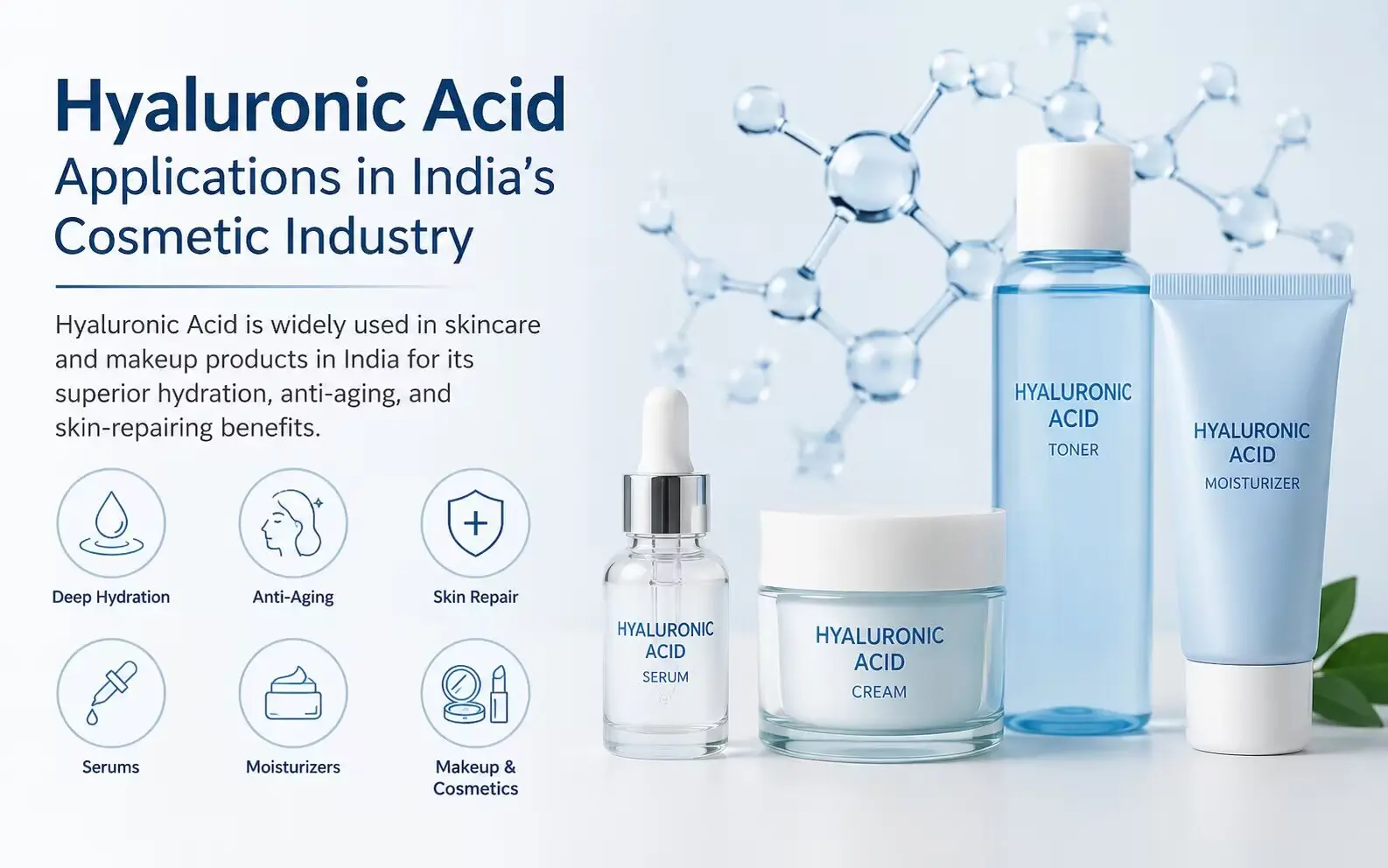
With the expansion of the Indian cosmetics market and growing demand for high-quality skincare, hyaluronic acid (HA) has become a key functional ingredient, helping brands create hydrating products tailored to local preferences.
Read Full Report →Insights on quality control, stability, and formulation compatibility.
Consistent, bio-fermented raw materials for pharmaceutical, cosmetic, and nutritional formulations.