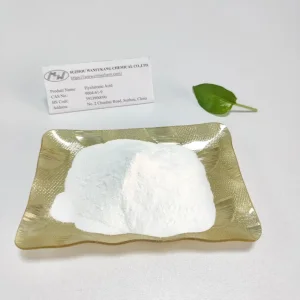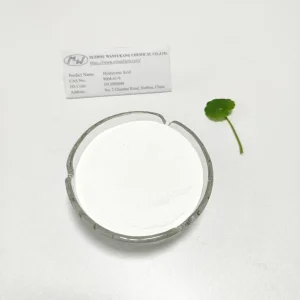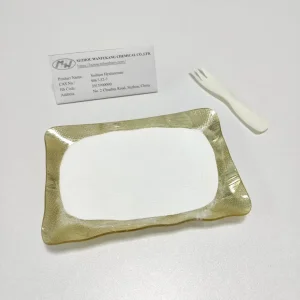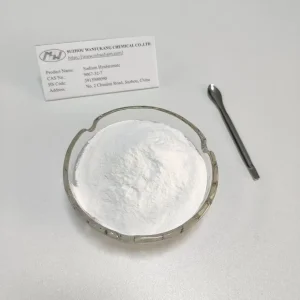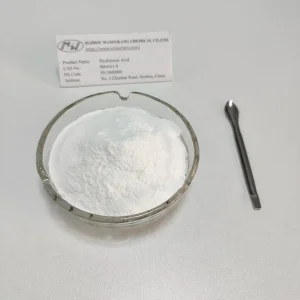
High-purity raw materials compliant with international quality standards (EP/USP/JP) for injectables, eye hydrators, and advanced oral nutricosmetics.
An Executive Analysis of Market Shifts, Structural Bio-Fermentation Advancements, and Enterprise Sourcing Parameters.
The global nutraceutical and bio-active ingredient sector is experiencing a paradigm shift driven by preventative healthcare awareness, the convergence of nutricosmetics with topical skincare, and increasing demand for biomedical-grade biopolymers. Modern global procurement managers, cosmetic formulators, and pharmaceutical brand developers no longer evaluate raw material suppliers strictly on unit price. Instead, market leadership is determined by technical transparency, strict molecular weight customization, endotoxin mitigation, and seamless international regulatory compliance.
From ultra-low molecular weight Oligo-HA (<10 kDa) for transdermal penetration to high molecular weight (>2.0 MDa) ophthalmic and intra-articular solutions, strict fermentation parameters guarantee targeted bio-activity.
Global formulation deployment requires raw materials aligned with US FDA DMF filings, European Pharmacopoeia (EP) specifications, EFSA dietary novel food standards, and Halal/Kosher certifications.
China's advanced bio-fermentation infrastructure provides unparalleled batch-to-batch consistency, robust supply chain resilience against global disruptions, and cost efficiency at metric-ton scale.
Clinical trials confirm that orally ingested high-purity Sodium Hyaluronate is enzymatic hydrolysated by intestinal microbiota into low-molecular-weight oligosaccharides, which subsequently migrate to dermal layers and joint synovial fluids. This dual action—topical protection combined with systemic moisture retention—has elevated oral-grade Sodium Hyaluronate to a premier position within nutricosmetic formulations worldwide.
As an established specialized manufacturer and exporter of cosmetic, functional food, and pharmaceutical ingredients, Suzhou Wanfukang Chemical Co., Ltd. bridges cutting-edge bio-fermentation research with global commercial scale.
Our integrated manufacturing facilities utilize non-animal microbial fermentation (Streptococcus zooepidemicus) supported by automated membrane filtration, alcohol precipitation, and low-temperature vacuum drying systems. This engineering precision safeguards protein structures, prevents thermal degradation, and guarantees ultra-low endotoxin levels across all production lots.

Tailored raw materials designed to meet the rigorous physical, chemical, and biological requirements of key downstream sectors.
Key Ingredients: Cosmetic-Grade Hyaluronic Acid, Oligo-HA, Niacinamide, Glabridin 40%, Arbutin.
Used in deep-hydration anti-aging serums, skin-brightening creams, and oral beauty drinks to strengthen the epidermal barrier and promote skin firmness.
Key Ingredients: Eye Drop Grade Sodium Hyaluronate, Injection-Grade Cross-Linked HA Base.
High-viscosity, sterile-filtered biopolymers designed for dry-eye lubricating drops, ophthalmic surgery viscoelastic devices (OVDs), and tissue reconstruction fillers.
Key Ingredients: Food-Grade Sodium Hyaluronate, Chondroitin Sulfate, Coenzyme Q10, Vitamin C/A.
Formulated for joint mobility tablets, softgels, functional beverages, and cardiovascular health supplements demanding high bioavailability and rapid dissolution.
Streamlining Cross-Border Logistics and Technical Documentation for Seamless Product Registration.
Navigating global regulatory landscapes requires complete transparency and robust supporting documentation. As a high-volume exporter to North America, Europe, Asia-Pacific, and South Asia (including rapid growth sectors in India), Wanfukang Chemical implements a localized regulatory support mechanism to accelerate customer market entry.
Technical Insights & Procurement Guidance for Formulation Engineers and Buyers.
Injection-grade Sodium Hyaluronate undergoes ultra-rigorous purification to achieve extremely low bacterial endotoxin levels (<0.005 IU/mg), minimal heavy metals, and high microbial purity. It requires production under cGMP sterile conditions and complete pyrogen screening, whereas cosmetic-grade focuses primarily on skin hydration, molecular distribution, and topical stability.
Bio-fermentation using Streptococcus zooepidemicus guarantees a non-animal origin, completely eliminating risks associated with animal proteins, avian influenza, or viral cross-contamination. Bio-fermented HA also offers controlled, consistent molecular weight distributions and satisfies Halal, Kosher, and vegan dietary standards.
For oral nutricosmetic formulations, medium-to-low molecular weight Sodium Hyaluronate (typically between 800 kDa to 1.5 MDa) is widely preferred due to its optimal balance between gastrointestinal transit absorption and systemic degradation into functional disaccharide units.
We provide comprehensive custom solutions, including pre-dissolved 1% Sodium Hyaluronate aqueous solutions, customized particle size granulations, blend formulations combining HA with Glabridin, Vitamin C, or Chondroitin Sulfate, and flexible private-label bulk packaging.
Explore our hot-sale ingredient selection engineered for stability, purity, and superior efficacy.
Analysis of international buyer preferences, regional market growth, and technical applications.
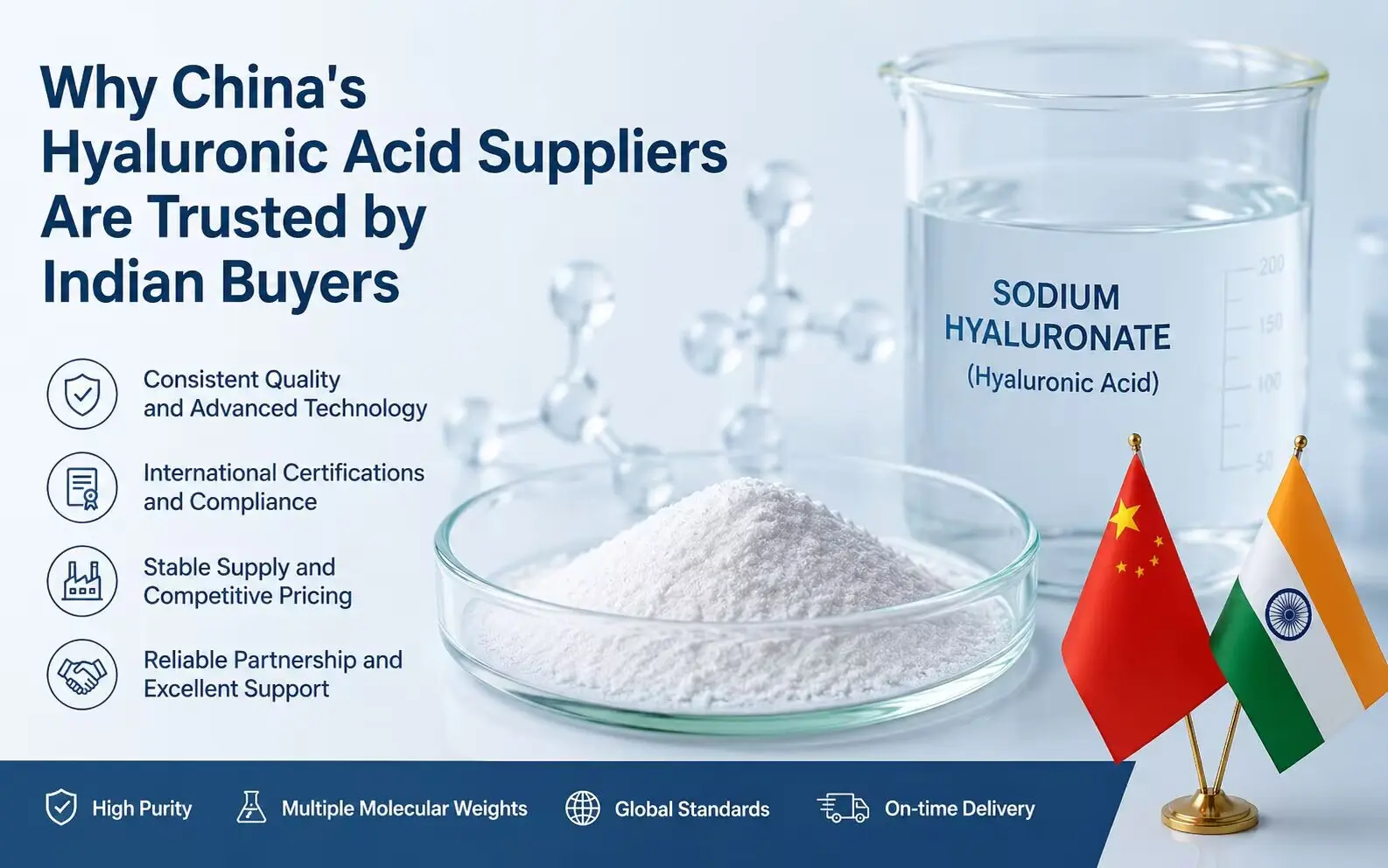
With the rapid development of India's cosmetics, pharmaceutical, and health product industries, demand for bio-fermented Sodium Hyaluronate continues to expand. Chinese manufacturers offer unmatched cost-performance metrics, robust quality dossiers, and dependable batch consistency.
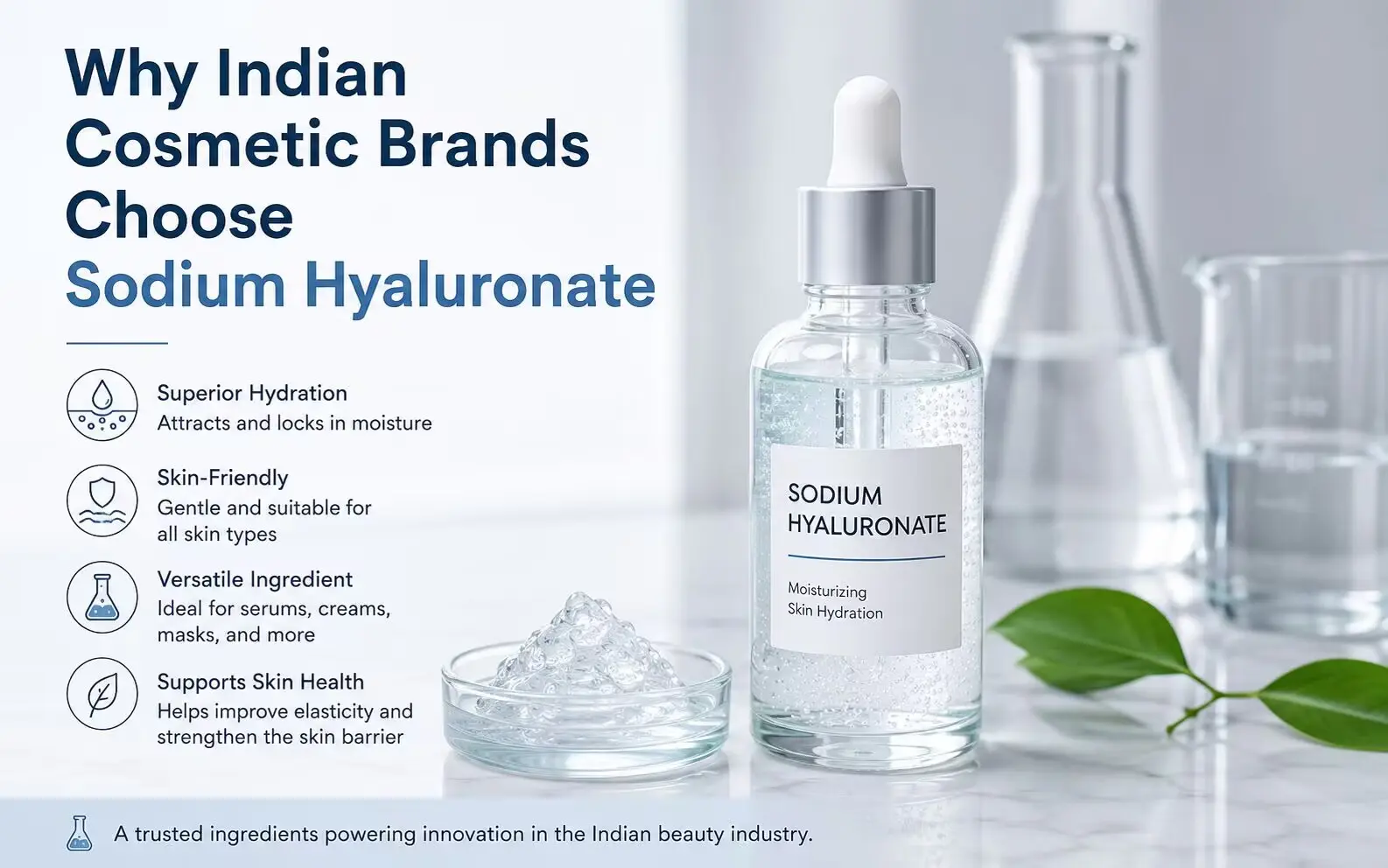
Consumer demand for safe, clinical-proven hydrating skincare has boosted the integration of Sodium Hyaluronate into serums, sunscreens, and creams. Its superior water-retention capacity makes it an essential ingredient for modern formulations.
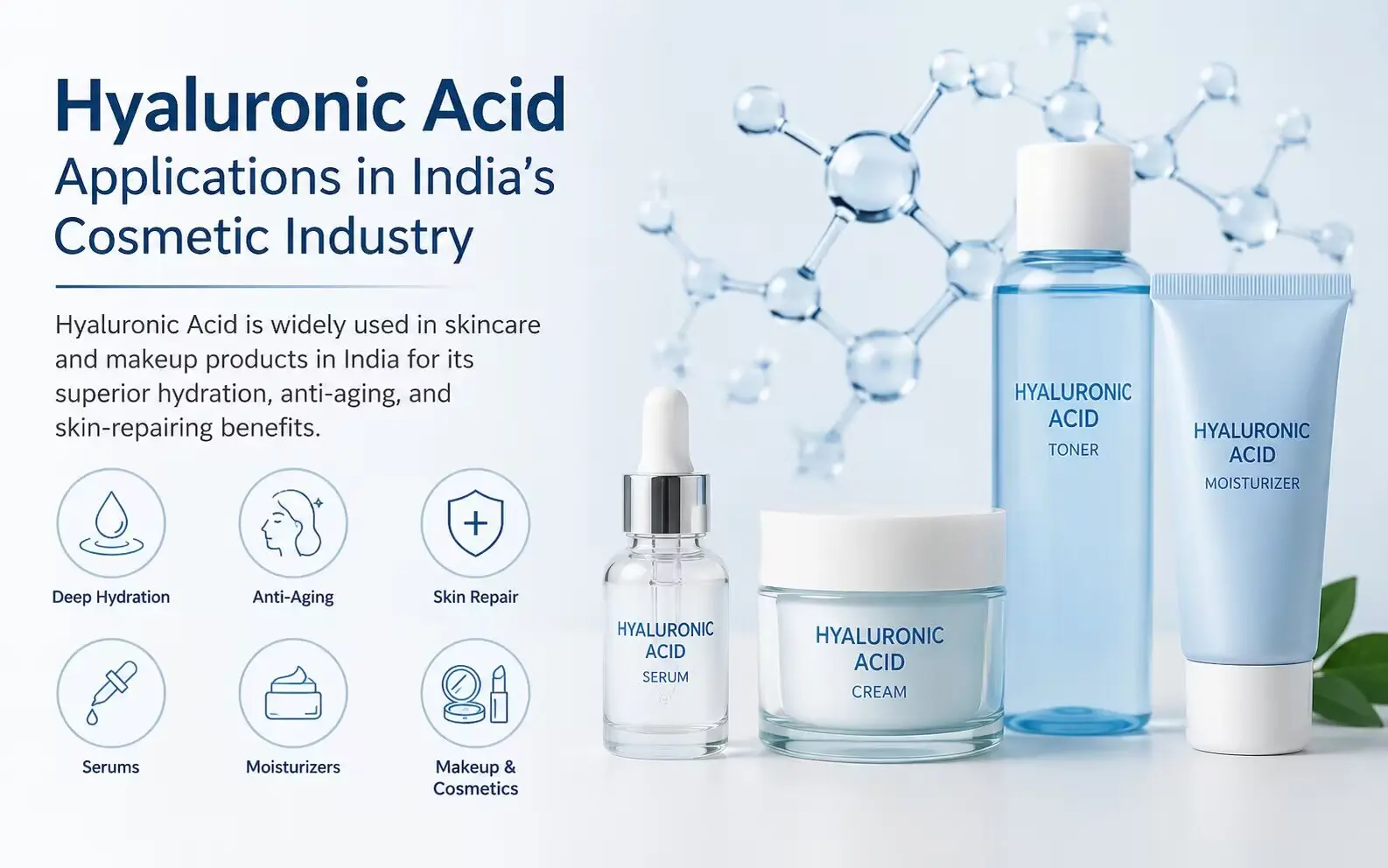
As functional beauty trends redefine personal care, multi-molecular HA complexes are becoming standard ingredients across anti-aging, pollution-defense, and hydration skin care ranges in emerging markets.