Indonesia's Cosmetic Industry: The Dynamic Shift to Functional and Halal Skincare
The Indonesian beauty and personal care market is undergoing an unprecedented expansion, rapidly transforming into one of the most lucrative hubs for cosmetics in Southeast Asia. Driven by a young, digitally native demographic, rising disposable incomes, and an intense cultural focus on grooming, the market is shifting from basic hygiene to advanced, ingredient-conscious skincare solutions. Brands in Jakarta, Surabaya, and Bandung are facing high consumer demand for transparency, prompting an industry-wide transition toward bio-active ingredients that deliver visible, clinical results.
The Crucial Triad: Climate, Skin Barriers, and Active Ingredients
Indonesia's tropical, high-humidity climate poses distinct challenges for dermatological formulations. High heat triggers sebum overproduction, while intense UV exposure accelerates photo-aging and post-inflammatory hyperpigmentation (PIH). To counter these factors, local cosmetic brands require lightweight, non-comedogenic active raw materials that preserve the skin barrier without leaving a greasy residue.
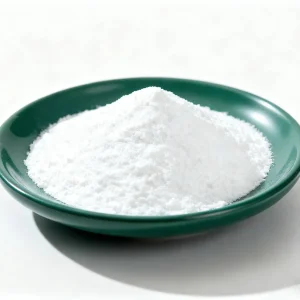
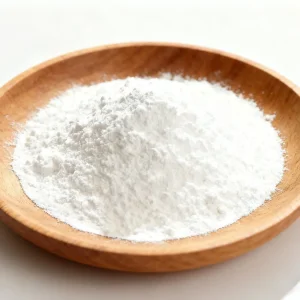
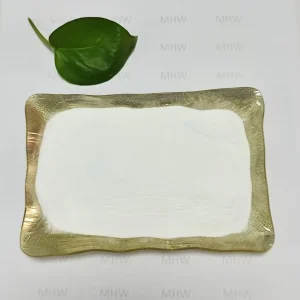
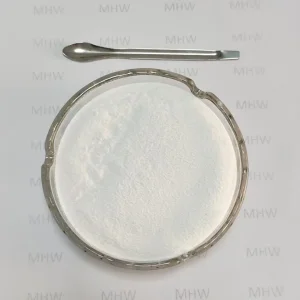
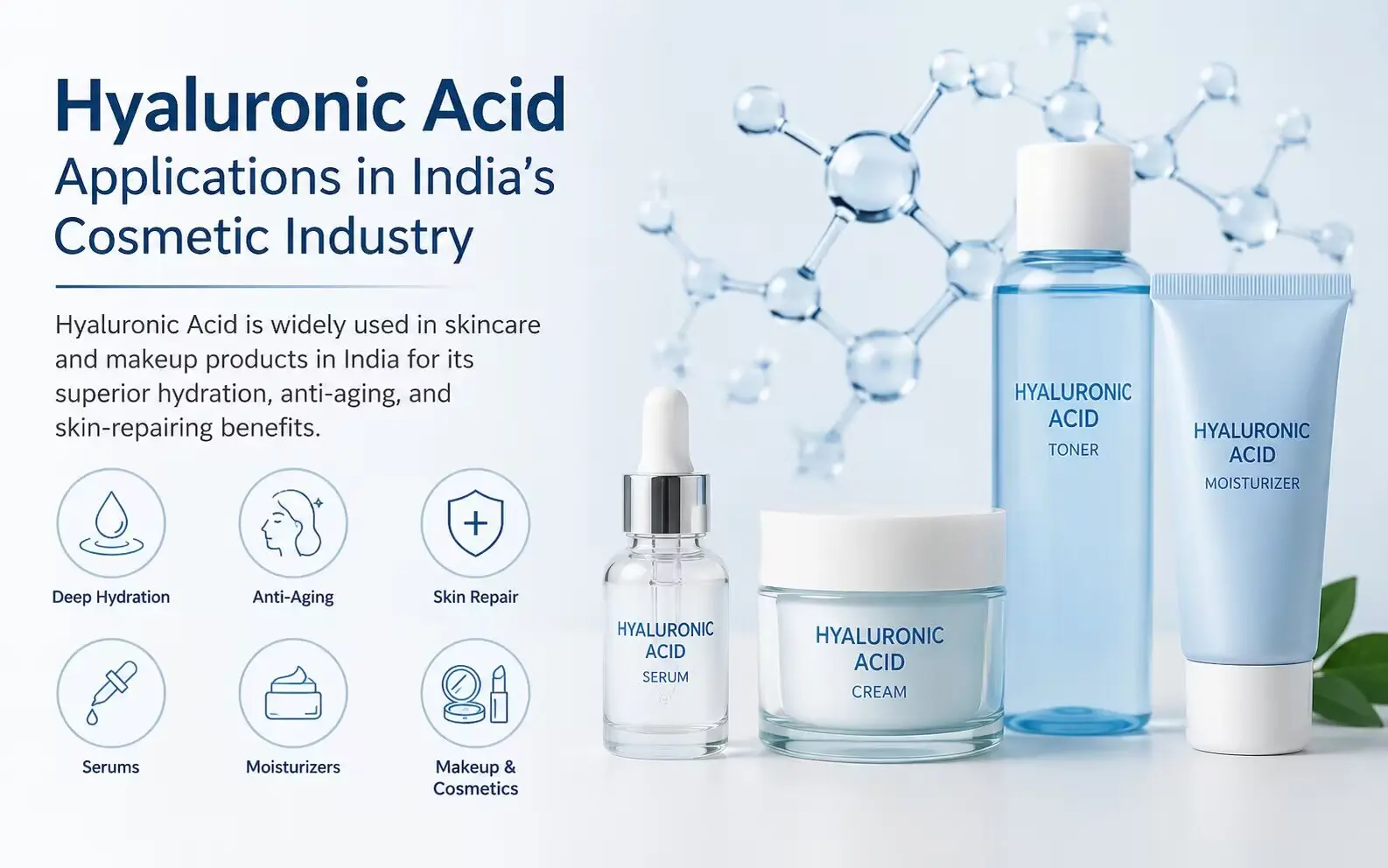
This is where specialized bio-actives step in. Low molecular weight Hyaluronic Acid has become a cornerstone in local formulations, facilitating deep hydration within the epidermis without forming occlusive, heavy films. Concurrently, high-purity Niacinamide and Alpha-Arbutin are highly sought after for their dual-action skin barrier optimization and melanin inhibition, offering a reliable countermeasure to tropical UV stress.
Navigating BPOM and Halal (LPPOM MUI) Compliance
Establishing a successful beauty brand in Indonesia requires navigating strict regulatory frameworks. The National Agency of Drug and Food Control (BPOM) enforces strict raw material checks to ensure consumer safety. Furthermore, under Law No. 33/2014 on Halal Product Assurance, cosmetic products distributed in Indonesia must be Halal-certified. This mandate heavily influences the supply chain, requiring manufacturers to trace raw materials back to their origins.
As a global B2B supplier, we address these demands by supplying raw materials derived from non-animal origins, specifically manufactured using clean bio-fermentation methods. This guarantees that ingredients like our sodium hyaluronate conform to Halal standards, simplifying the LPPOM MUI certification pathway for local brands.