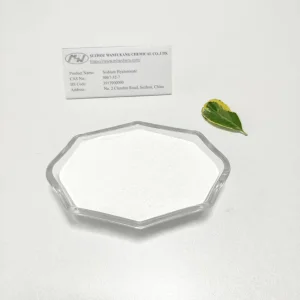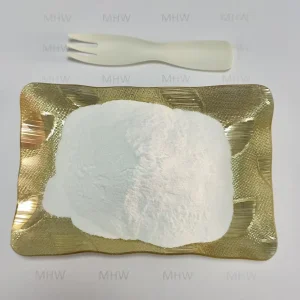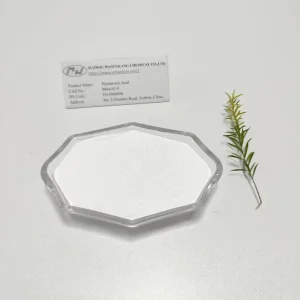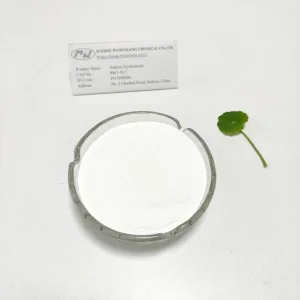
Premium pharmaceutical, cosmetic, and food-grade raw materials directly from certified manufacturing lines.
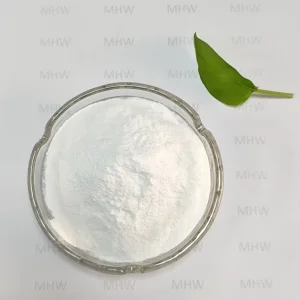
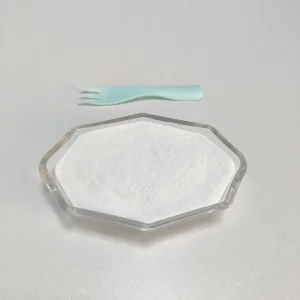
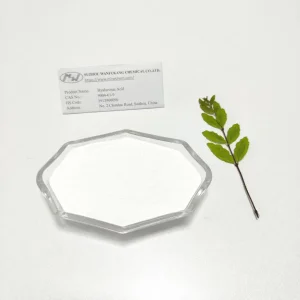
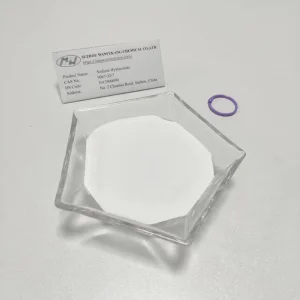
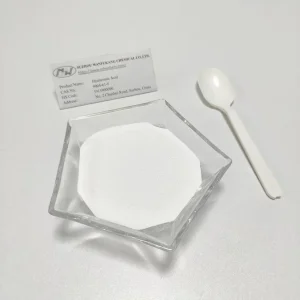
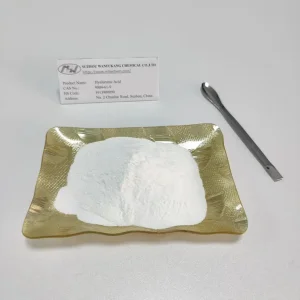
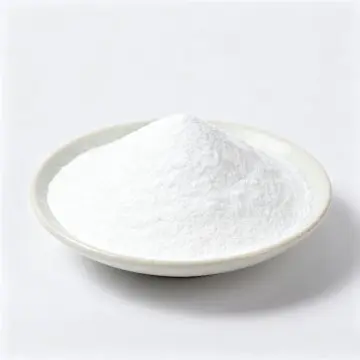
Hyaluronic acid (HA), chemically known as sodium hyaluronate in its salt form, is a high-molecular-weight linear glycosaminoglycan. It consists of alternating repeating disaccharide units of D-glucuronic acid and N-acetyl-D-glucosamine, bound together by alternating beta-1,4 and beta-1,3 glycosidic linkages. Because of its unique structure, it possesses exceptional capacity for water retention—capable of binding up to 1,000 times its own molecular mass in water.
From a biological standpoint, HA is a key constituent of the extracellular matrix (ECM) of mammalian connective tissue, skin, joints, and vitreous humor. Industrially, the product’s biological properties and applications depend entirely on its molecular weight range. Commercial formulation utilizes custom molecular weights, ranging from ultra-high molecular weight (UHMW) down to oligomeric forms.
"The molecular weight of Hyaluronic Acid dictates its biological pathway. While High Molecular Weight forms create a moisture-retaining protective film, Low and Oligo forms penetrate deep into skin layers to prompt cellular regeneration."

| Molecular Weight Category | Range (kDa) | Primary Industrial Use Case | Physiological Effect |
|---|---|---|---|
| High Molecular Weight (HMW) | > 1,500 kDa | Topical Cosmetics, Joint Injections | Surface hydration, lubrication, film-forming protection |
| Medium Molecular Weight (MMW) | 800 - 1,500 kDa | Moisturizing Creams, Anti-Aging serums | Strengthens skin barriers, locks moisture |
| Low Molecular Weight (LMW) | 100 - 800 kDa | Transdermal Cosmeceuticals | Deep tissue hydration, promotes wound healing |
| Oligo-Hyaluronic Acid (Oligo-HA) | < 10 kDa | Deep Anti-Wrinkle products, Nutricosmetics | Intercellular absorption, boosts collagen synthesis |
Historically, industrial hyaluronic acid was extracted from avian tissues, specifically rooster combs. However, this method had significant drawbacks, including high production costs, low yields, and risks of transmitting viral pathogens or animal protein contaminants. These impurities could trigger severe immunogenic responses in clinical applications.
Today, advanced manufacturers have transitioned to Microbial Fermentation, utilizing non-pathogenic strains of Streptococcus equi subsp. zooepidemicus or recombinant genetically engineered Bacillus subtilis. This biotechnological approach offers distinct advantages:

Wanfukang specializes in the development and export of cosmetic and food ingredients.
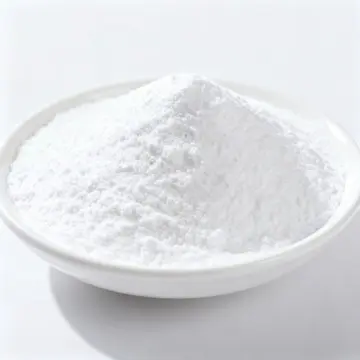
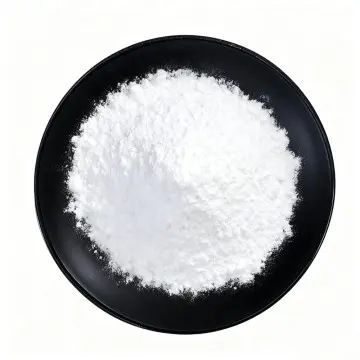
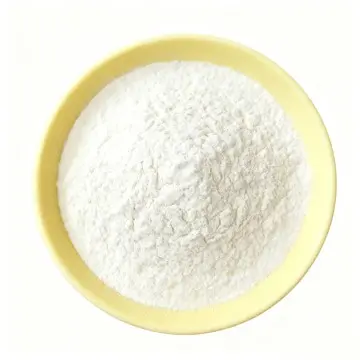
In Southeast Asia, particularly Indonesia, Malaysia, and the Philippines, the search query "Apa Itu Hyaluronic Acid" reflects growing regional interest from R&D teams and beauty brands looking to meet local preferences. Formulating cosmetics for warm, high-humidity climates requires specific approaches to raw material selection:

The manufacturing and application of hyaluronic acid are evolving rapidly, driven by advanced cross-linking technologies and synthetic biology:
Verified, high-stability active ingredients trusted by international brands and clinical formulators.
China is a leading global supplier of hyaluronic acid raw materials, and Suzhou Wanfukang Chemical Co., Ltd. plays an active role in this supply network. This strong supply chain position is built on several key factors:
Placing products on the international market requires meeting stringent regulatory standards. Top-tier manufacturers provide comprehensive documentation to support the registration process, including:
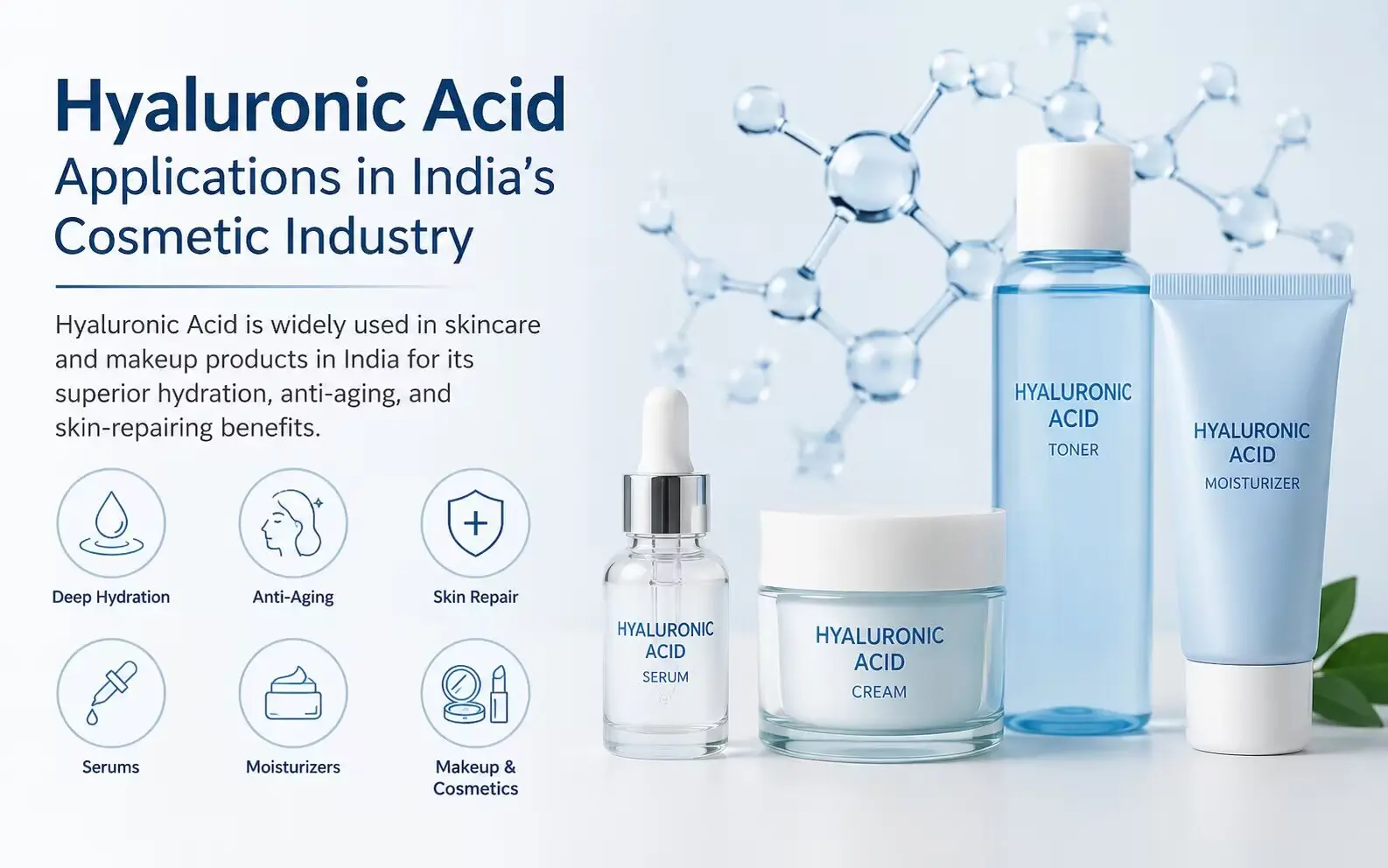
Suzhou Wanfukang Chemical Co., Ltd. has served as a dedicated supplier of Sodium Hyaluronate and Hyaluronic Acid for many years.
As a professional supplier, we provide multiple grades of sodium hyaluronate, including food grade, cosmetic grade, and pharmaceutical grade. Over time, we have expanded our business to cover cosmetic ingredients, health food materials, and pharmaceutical APIs. Many of our products are widely used in cosmetics, joint health supplements, and clinical applications.
Our focus is on delivering reliable product quality, consistent performance, and helpful technical support to help our clients develop successful formulations.
Stay informed about global trends, application guides, and trade developments in the active ingredients sector.
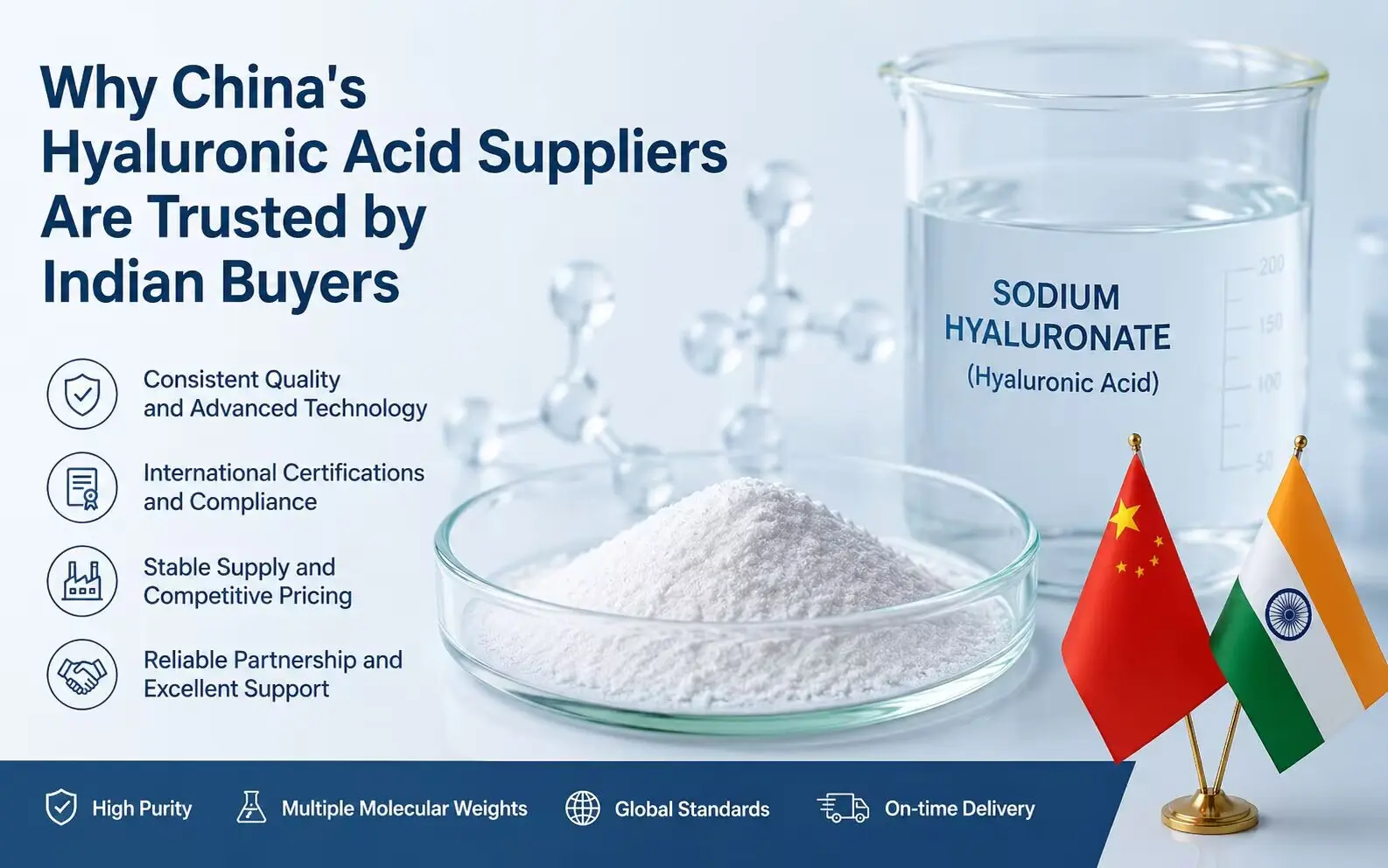
In recent years, with the rapid development of India's cosmetics, pharmaceutical, and food and health product industries, the market demand for hyaluronic acid (HA) and sodium hyaluronate has continued to grow. Against this backdrop, more and more Indian buyers are turning their attention to Chinese suppliers. So, why have Chinese hyaluronic acid suppliers won the long-term trust of Indian buyers?
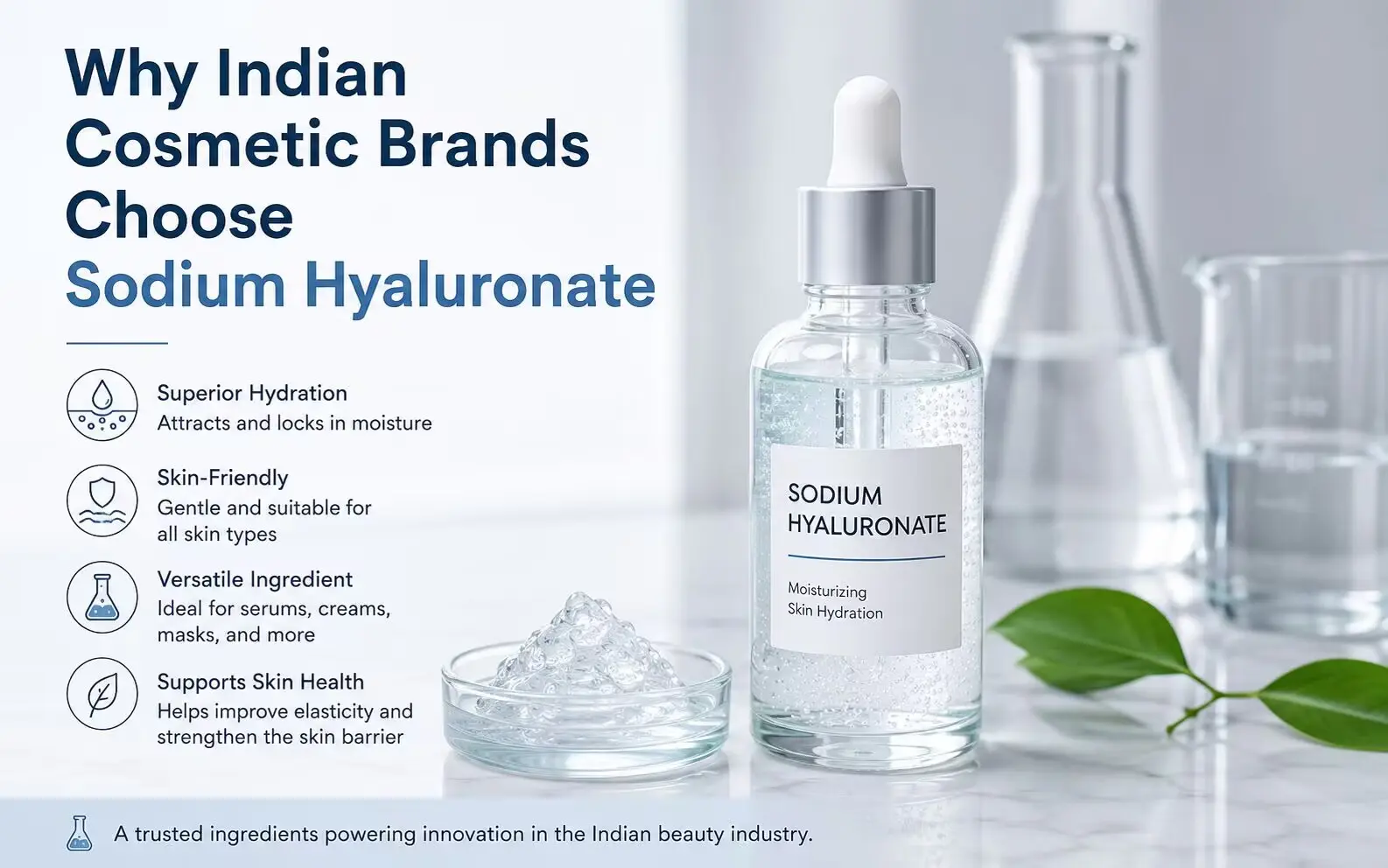
In recent years, with the continued growth of the Indian beauty and personal care market, consumers' demand for highly effective and safe skincare products has been constantly increasing. As a widely used moisturizing ingredient in the international market, sodium hyaluronate is becoming an important choice for more and more Indian cosmetic brands, and is widely used in serums, creams, masks, sunscreens, and makeup.
With the continued expansion of the Indian cosmetics market and the growing consumer demand for high-quality skincare products, hyaluronic acid (HA) is gradually becoming one of the most watched functional ingredients in the Indian cosmetics industry.
Quick answers to common questions about molecular weights, shelf stability, regulatory processes, and bulk purchasing.
For standard grades, the typical dispatch lead time is 7 to 10 working days after order confirmation. Customized molecular weights or specialized packaging options generally require 15 to 20 business days to ensure precise quality control during synthesis.
We use vegetable-derived glucose and peptone as nutrient sources for our bacterial cultures. This fermentation method prevents animal-derived materials from entering the production line, ensuring the resulting raw materials are vegan-friendly and halal-compliant.
We provide a complete regulatory packet to assist with registrations, including batch-specific Certificate of Analysis (COA), Safety Data Sheets (SDS), Technical Data Sheets (TDS), Flowcharts of microbial synthesis, and heavy metal testing reports.
To prevent hydrolytic degradation, the powder should be stored in its original sealed packaging in a cool, dry place at temperatures below 25°C. Minimizing exposure to moisture and direct sunlight helps maintain its molecular weight and viscosity over its shelf life.

Premium raw materials tailored for specific formulations, from ophthalmics to food supplements.