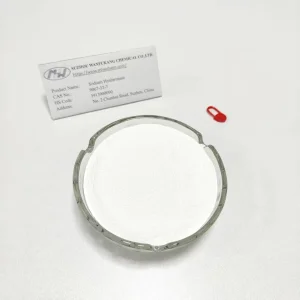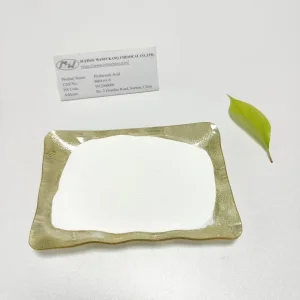
Explore our core portfolio of medically and cosmetically rated Hyaluronic Acid bases designed for superior hydration, transdermal synergy, and targeted anti-aging formulations.
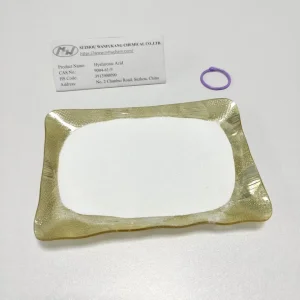
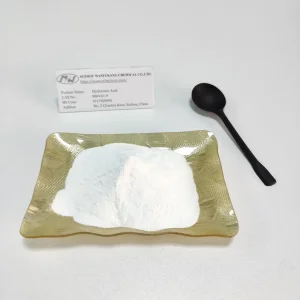
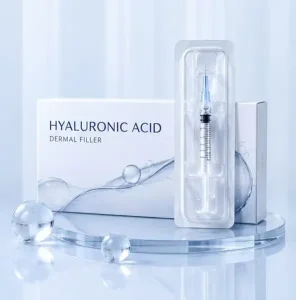
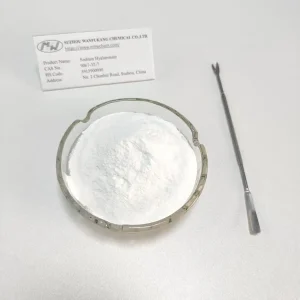
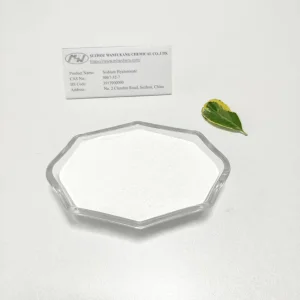
The convergence of biotechnology and cellular skincare has positioned the combination of Hyaluronic Acid (HA) and Peptides as the golden standard of modern anti-aging formulations. Today, global supply chains for cosmetic, nutricosmetic, and pharmaceutical ingredients are adapting rapidly to consumer demands for scientifically validated, highly penetrative topical systems. The market is transitioning away from simple, superficial occlusive moisturizers to multi-depth, cell-communicating formulations that repair structural matrix proteins at the molecular level.
Hyaluronic acid functions as an unparalleled humectant reservoir, retaining up to 1,000 times its weight in water, while bio-active peptides (such as copper peptides, palmitoyl pentapeptides, and neurotransmitter-inhibiting peptides) serve as chemical messengers that command fibroblasts to synthesize collagen, elastin, and glycosaminoglycans. Together, they create a physiological synergy that enhances cellular resilience and restores skin architecture.
For B2B buyers—ranging from multinational cosmetics corporations to clinical skincare brands—identifying reliable manufacturers capable of scaling pure biological extracts with consistent molecular weight distributions is paramount to securing market share and maintaining brand trust.
Recent semantic data in search trends shows a massive transition from "basic hydration" to "peptide-linked target therapy." The modern B2B buyer is no longer querying generic moisturizing agents but searching for highly specialized raw materials: non-animal origin HA, micro-molecular range hyaluronate, and customized peptide sequences.
Our bio-fermentation processes yield 98%+ purity assays, ensuring that when coupled with targeted peptides, the formulation remains completely stable, homogeneous, and chemically active over its entire shelf-life.
Understanding why global brands source active bio-ingredients from Eastern production corridors starts with analysing infrastructural and technical advantages.
By leveraging advanced streptococcus zooepidemicus fermentation techniques, Chinese manufacturing hubs bypass historic animal-sourced extraction (rooster combs). This guarantees a 100% vegan, cruelty-free raw material matching contemporary clean beauty mandates worldwide.
The localization of upstream fermentation raw materials and downstream spray-drying facilities minimizes supply bottlenecks. It allows Chinese exporters to manage high volumes, producing up to hundreds of metric tons annually with strict quality controls.
Equipped with GMP-certified clean rooms, ISO 9001 systems, and complete heavy metal assay profiling, Chinese suppliers routinely clear strict European Union, USA (MoCRA), and Indian cosmetics compliance hurdles.
| Ingredient Parameter | Typical Market Specifications | Wanfukang Premium Standard | Primary Industrial Application |
|---|---|---|---|
| Cosmetic Grade Sodium Hyaluronate | Assay: 90% - 95% | Assay ≥ 98.0% | Moisturizers, Serums, Hydration Gels |
| Medical/Injection Grade HA | Heavy Metals < 20 ppm | Heavy Metals < 10 ppm (Ultra-Low) | Dermal Fillers, Joint Injections |
| Food Grade Sodium Hyaluronate | Variable Molecular Weights | Medium / Low (Tailored Dalton Range) | Nutricosmetic Drinks, Joint Supplements |
| Oligo/4D Cross-linked HA | Standard Hyaluronate Blend | Deep-penetrating 4D Molecular Grid | Advanced Anti-aging, Fine Line Smoothers |
Global buyer requirements vary drastically depending on the destination market and local consumer demographics. Understanding these distinctions is critical for supply chain planning.
In regions such as India, high environmental humidity coupled with a fast-growing middle class has catalyzed a demand for lightweight, non-comedogenic, and oil-free formulations. Brands in Mumbai and New Delhi are heavily relying on Chinese Sodium Hyaluronate due to its high purity and capability to deliver immediate skin-plumping effects without clogging pores under tropical conditions. Heavy metal compliance is also a top priority for importing brands to pass Indian CDSCO clearances.
Western buyers look closely at ECOCERT certifications, cruelty-free validation, and non-animal origin declarations. Any cosmetic grade sodium hyaluronate used in the USA must satisfy MoCRA requirements. This necessitates comprehensive traceability data from raw fermentation feeds down to the final spray-drying step.
In markets like Japan, South Korea, and China, the ingestion of food-grade hyaluronic acid to promote systemic tissue hydration has become mainstream. High-purity food-grade Sodium Hyaluronate (assay ≥ 98%) is routinely integrated into edible collagen powders, drinks, and wellness supplements.

Industrial applications: How customized molecular weight raw materials improve formulation stability and final consumer uptake.
Providing high-purity cosmetic, functional, and customized ingredients to global formulation standards.
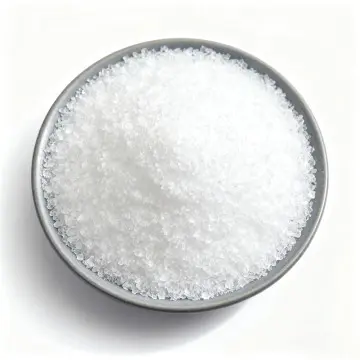
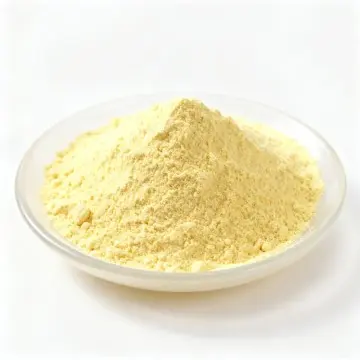
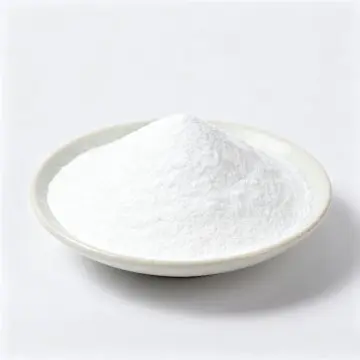
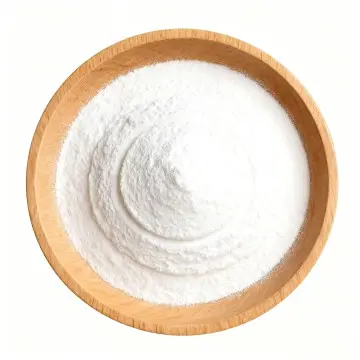



Suzhou Wanfukang Chemical Co., Ltd. (WFK) has been a professional, leading supplier of Sodium Hyaluronate and Hyaluronic Acid for many years. We specialize in providing every grade of sodium hyaluronate, including cosmetic, food, and pharmaceutical grades. Our ongoing research and development in bio-manufacturing processes allow us to guarantee trace contaminants levels far below industry averages.
With the strategic development of our businesses, our catalog has extended to include multiple key cosmetic active ingredients (such as Niacinamide, Arbutin, and Coenzyme Q10) and vital dietary health supplements (Chondroitin Sulfate, Vitamin C, and Vitamin A). Many of these ingredients are widely incorporated in anti-aging cosmetic lines, clinical joint health products, and advanced pharmaceutical applications globally.
By keeping strict control over every step of the supply chain, WFK provides customized packaging, stability trials, and tailored molecular weight blends to meet the individual production parameters of our international clients.
How to formulate highly stable serums utilizing different molecular weights of HA combined with synergistic active peptide networks.
Using a single molecular weight of Hyaluronic Acid leaves the skin surface dry or fails to penetrate down to the dermis. Modern formulations require a 3D or 4D grid:
Peptides require a highly stable chemical vehicle to remain active in water-based serums:
The next wave of industry growth centers around stress-relieving and cortisol-neutralizing skincare. The combination of neuro-peptides with ultra-hydrating cross-linked HA is fast becoming the go-to standard for luxury skincare lines targeting environmental and stress-induced premature aging.
Stay informed with current market analyses, distribution developments, and cosmetic sourcing insights.
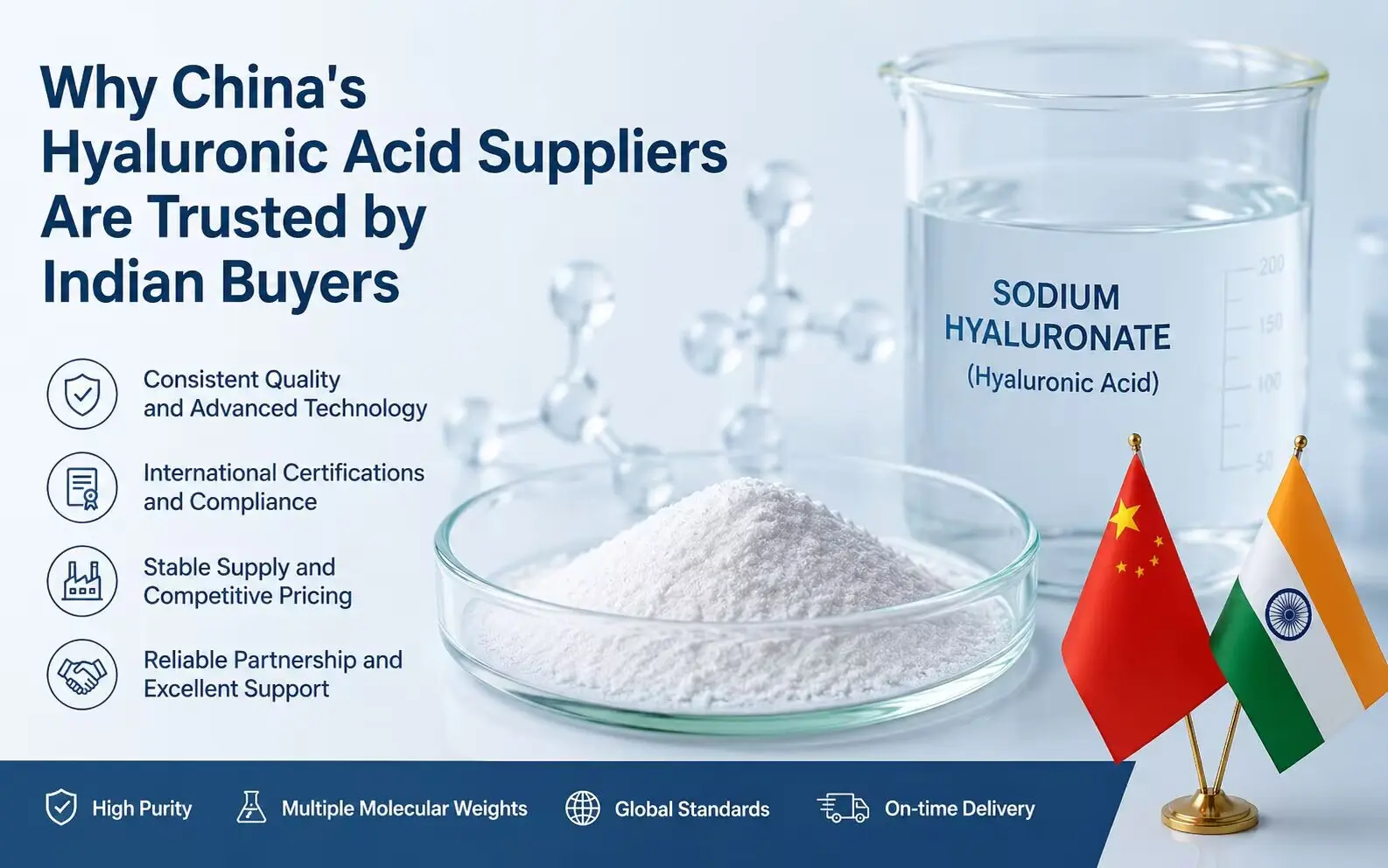
In recent years, with the rapid development of India's cosmetics, pharmaceutical, and food and health product industries, the market demand for hyaluronic acid (HA) and sodium hyaluronate has continued to grow. Against this backdrop, more and more Indian buyers are turning their attention to Chinese suppliers...
Read Article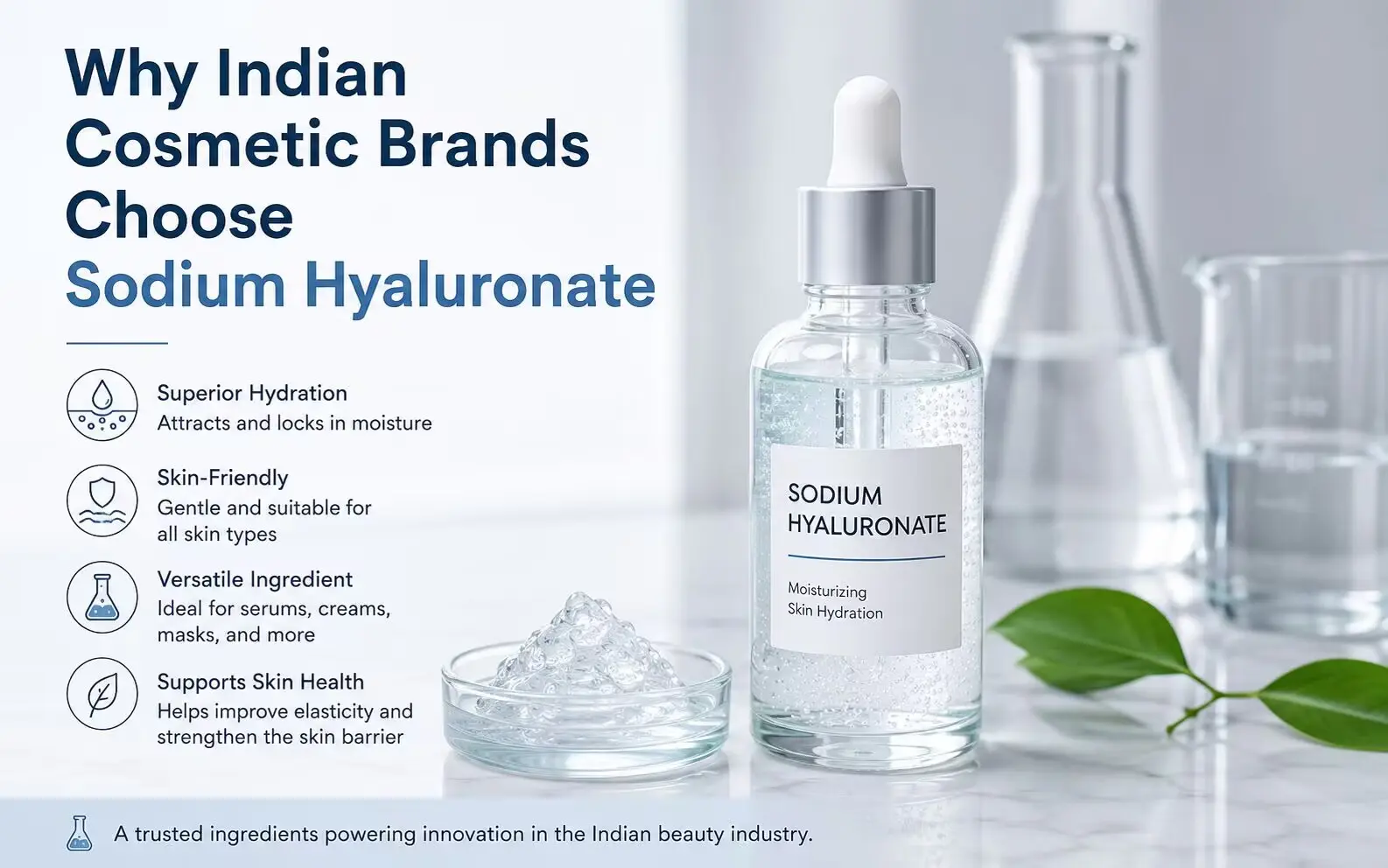
As a widely used moisturizing ingredient in the international market, sodium hyaluronate is becoming an important choice for more and more Indian cosmetic brands, and is widely used in serums, creams, masks, sunscreens, and makeup products...
Read Article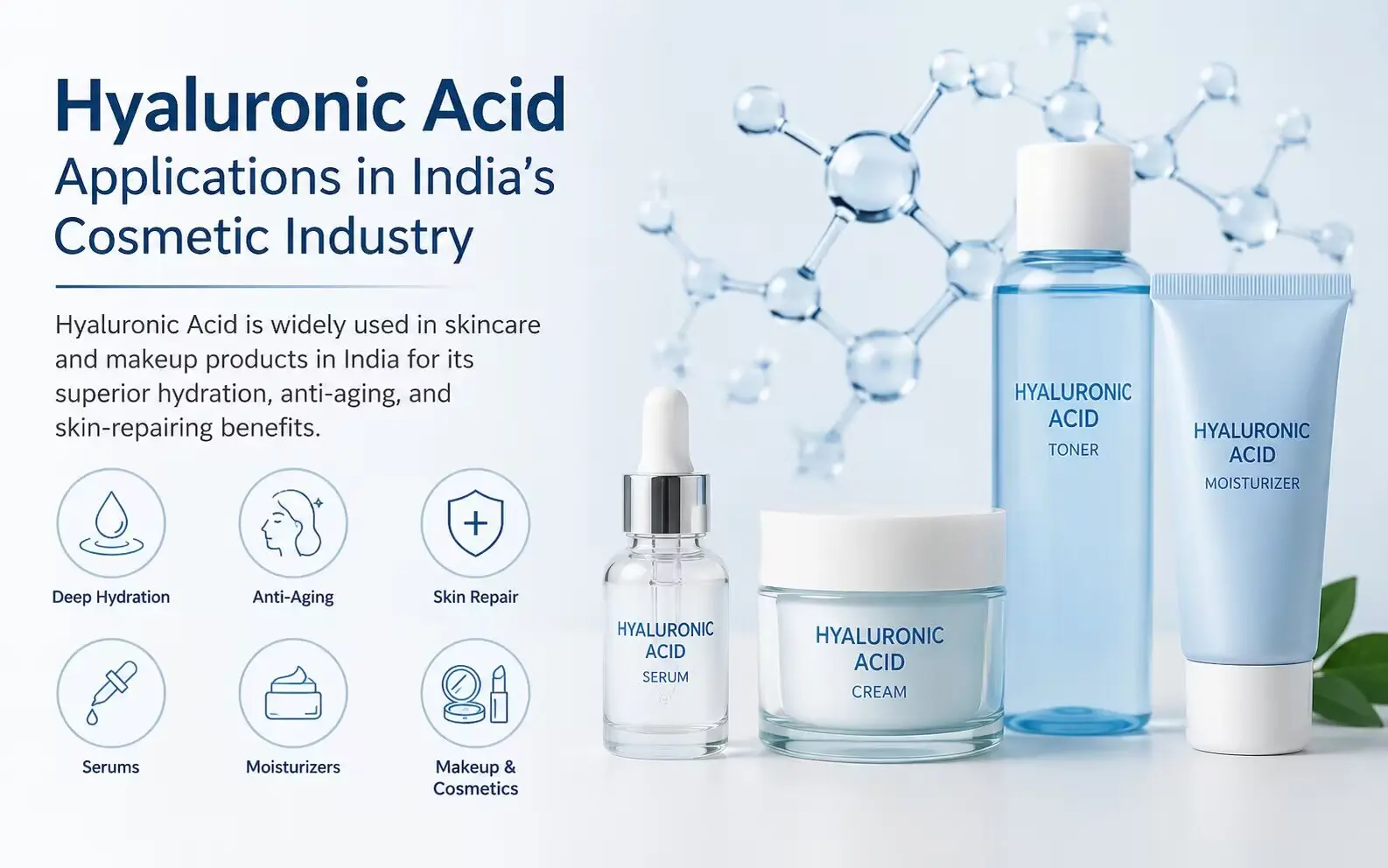
With the continued expansion of the Indian cosmetics market and the growing consumer demand for high-quality skincare products, hyaluronic acid (HA) is gradually becoming one of the most watched functional ingredients in the Indian cosmetics industry...
Read ArticleDetailed answers to the most common questions regarding purity standards, formulation stability, and B2B procurement logistics.
Our cosmetic and pharmaceutical-grade Sodium Hyaluronate achieves an assay value of 98.0% or higher. We use advanced bio-fermentation methods utilizing non-animal feedstocks, which yields a product containing ultra-low trace heavy metal contaminants (< 10 ppm) and very low protein impurities. This high standard minimizes skin irritation and ensures stable compatibility when combined with active peptide formulations.
High molecular weight Hyaluronic Acid (above 1.6 MDa) sits on the surface of the skin, creating a breathable barrier that prevents hydration loss. Medium molecular weight HA (0.8 MDa to 1.5 MDa) works in the upper layers of the epidermis to help repair skin barrier functions. Low and ultra-low molecular weight HA (below 0.1 MDa, including Oligo-HA) penetrates deeper to help skin retain elasticity, smooth wrinkles, and stimulate natural cell processes.
Yes. Our food-grade Sodium Hyaluronate is highly soluble and remains heat-stable, making it ideal for nutricosmetic products, dietary capsules, and beauty drinks. It is designed to be easily absorbed by the body, supporting joint lubrication and deep tissue hydration from within.
Absolutely. We trace all of our raw material batches through strict ISO 9001 and GMP manufacturing workflows. This level of traceability helps our clients clear import clearances in North America (MoCRA), the European Union (REACH), and India (CDSCO).
Our standard wholesale packaging is in 1kg fiber drums or 25kg bulk containers. For customized ingredient requests, modified molecular weight distributions, or specialized raw material blends, please reach out directly to our sales department to receive a tailored quotation.
Speak to our material science specialists to request chemical CoA documentation, custom molecular weight formulations, or competitive bulk pricing schedules tailored to your target market.
Contact Our Sourcing TeamDiscover our specialized functional ingredients engineered to support eye drops, injection-ready cosmetics, and highly active oral supplements.