
High-purity biomaterials manufactured under ISO 9001 and GMP standards to target diverse efficacy outcomes.
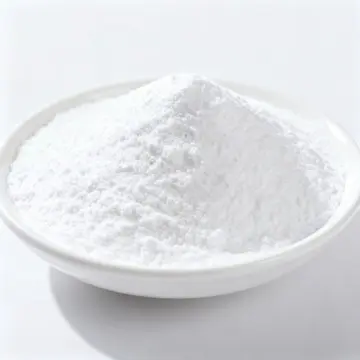
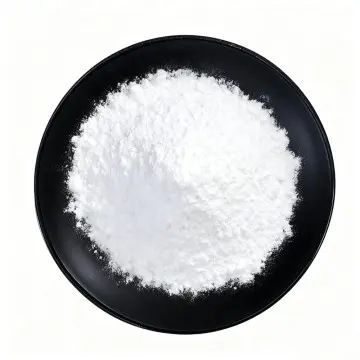
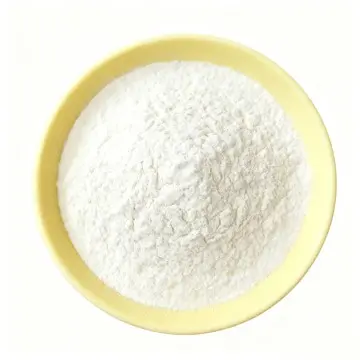
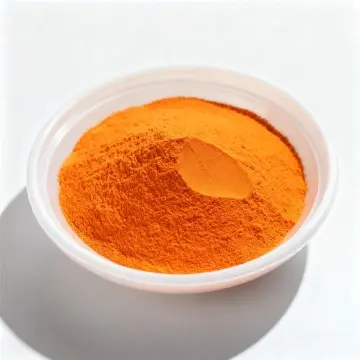
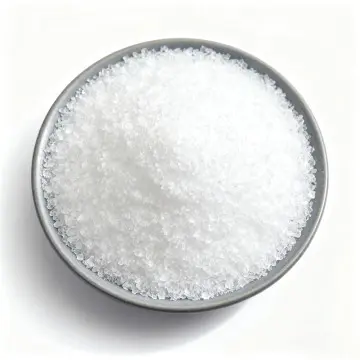
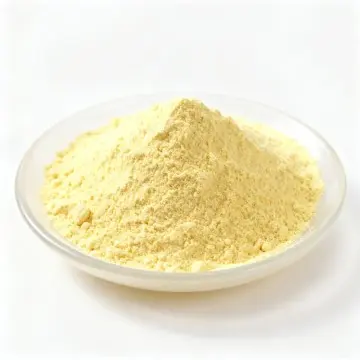
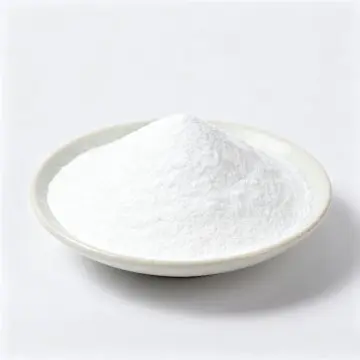
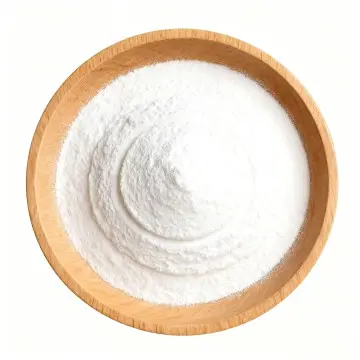
Sodium Hyaluronate (HA-Na) has evolved from an expensive animal-derived niche material to one of the most foundational active ingredients in modern clinical dermatology, functional food formulation, and ophthalmic surgery. Globally, the demand for bio-fermented hyaluronic acid derivatives is rising at a compound annual growth rate of 7.2%, driven by the rising consumer knowledge of the scientific skin barrier concept, clean beauty philosophies, and the clinical support for nutricosmetics.
China has established itself as the leading industrial center for Sodium Hyaluronate production, representing more than 70% of the world's supply. By leveraging advanced Streptococcus fermentation tech and enzyme cleavage processing, Chinese manufacturers have improved production efficiencies while ensuring low levels of endotoxins and impurities. The transition from extraction using rooster combs to microbial fermentation represents a major shift toward safety, stability, and scale.
Global brands are prioritizing high-purity, non-animal sources. Meeting Kosher, Halal, and Vegan certificates is now a standard requirement for supply chains in North America, Europe, and the Asia-Pacific region.
Advanced factories utilize optimized carbon sources, reducing water foot-prints and chemical inputs. This matches the carbon-neutral manufacturing initiatives of multinational cosmetic conglomerates.
In biomedical fields, the shear-thinning and rheological profile of the polymer must be highly consistent. Industrial factories utilize precise purification columns to guarantee batch-to-batch consistency.



Suzhou Wanfukang Chemical Co., Ltd stands as a professional supplier of Sodium Hyaluronate and Hyaluronic Acid, bringing years of manufacturing and export expertise to the global marketplace.
We provide multiple grades of sodium hyaluronate, including food grade, cosmetic grade, and pharm grade. With the expansion of our business operations, our functional portfolio has grown to cover advanced cosmetic raw materials, health food ingredients, and active pharmaceutical ingredients (APIs). Our solutions are widely applied in skincare formulations, joint health supplements, eye drops, and medical devices.
Through robust quality control and rigorous testing protocols, we guarantee that every batch meets the chemical and microbiological benchmarks defined by global pharmacopeias, ensuring stability and safety for your formulations.
Understanding the biological and physical properties of Sodium Hyaluronate based on its molecular weight distribution.
Range: > 1.8 MDa. Forms a dense, breathable moisture-retaining layer on the skin's surface, protecting the skin barrier. It features excellent lubrication and rheology, making it ideal for soothing ointments, protective eye-lubricating drops, and hydrating skin applications.
Range: 1.0 MDa - 1.8 MDa. Balances surface protection with mid-level moisture retention. Ideal for lotions and facial masks, this grade supports skin hydration and improves emulsion stability.
Range: < 100 kDa & < 10 kDa. Small molecule structures penetrate down to the stratum corneum, supplying deep hydration. Oligo-HA promotes natural repair mechanisms, helping reduce wrinkle depth and supporting tissue repair.
Using chemical cross-linking technologies (typically BDDE), this grade establishes a three-dimensional polymer network. This network resists enzymatic degradation by hyaluronidase, making it the standard material for dermal fillers and therapeutic joint injections.
Modern commercial production of Sodium Hyaluronate focuses on refining microbial fermentation yields and optimizing purification strategies. The traditional manufacturing method used wild-type Streptococcus zooepidemicus. While productive, this species can generate endotoxins and hemolysis-inducing elements, requiring intensive purification processes to meet pharmaceutical standards.
Our research and development efforts focus on transitioning toward next-generation host systems, such as Bacillus subtilis and genetically engineered yeast strains. These systems do not contain dangerous endotoxins, offering a safer profile from the start of fermentation. Additionally, by utilizing advanced enzymatic digestion instead of traditional thermal or chemical cleavage, we can precisely target specific molecular weights, ensuring consistent product performance.
Selecting optimized glucose and peptone media, maintaining controlled dissolved oxygen levels, and regulating pH dynamically during fermentation to maximize molecular weight uniformity.
Utilizing multi-stage microfiltration and ultrafiltration systems to remove bacterial cell walls, protein residues, nucleic acids, and trace metal ions.
Using sterile, food-safe enzymes to break high-molecular chains into targeted low-molecular weight fragments, ensuring a low polydispersity index (PDI).
Sourcing raw chemical materials globally requires strict regulatory compliance and consistent quality control. Our factories operate under strict quality management systems (QMS), including ISO 9001 and ISO 22000, and follow GMP principles for active pharmaceutical ingredients.
We provide complete documentation to simplify regulatory registration in import regions, offering Certificate of Analysis (CoA), Safety Data Sheets (SDS), Kosher certificates, Halal approvals, and COSMOS/Ecocert certifications. Our localized technical service teams assist with import customs clearance, product application testing, and regulatory filings (including US FDA DMF submissions and European REACH compliance).
We ensure that our pharmaceutical and eye-drop grade materials have low endotoxin values (< 0.05 IU/mg), minimizing the risk of inflammatory reactions in sensitive applications.
Using advanced adsorption technology, we reduce heavy metals (Pb, As, Hg) to trace levels well below pharmacopeial limit requirements.
Market trends, formulation advancements, and raw material innovations in the global hyaluronic acid industry.
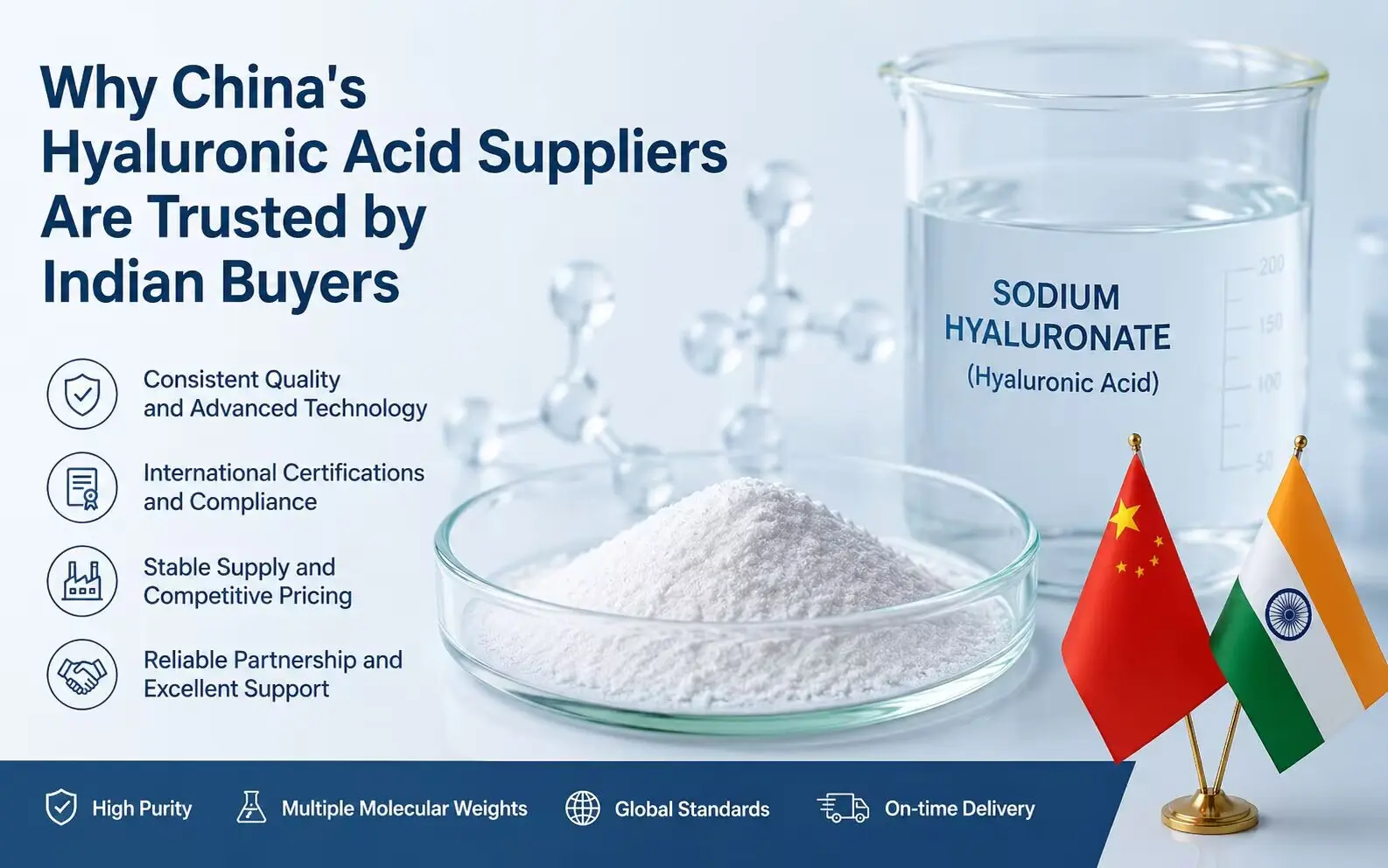
With the rapid development of India's cosmetics, pharmaceutical, and health product industries, market demand for sodium hyaluronate continues to grow. Indian buyers increasingly turn to Chinese suppliers for consistent supply chains, stable quality, and competitive manufacturing scale.
Read Article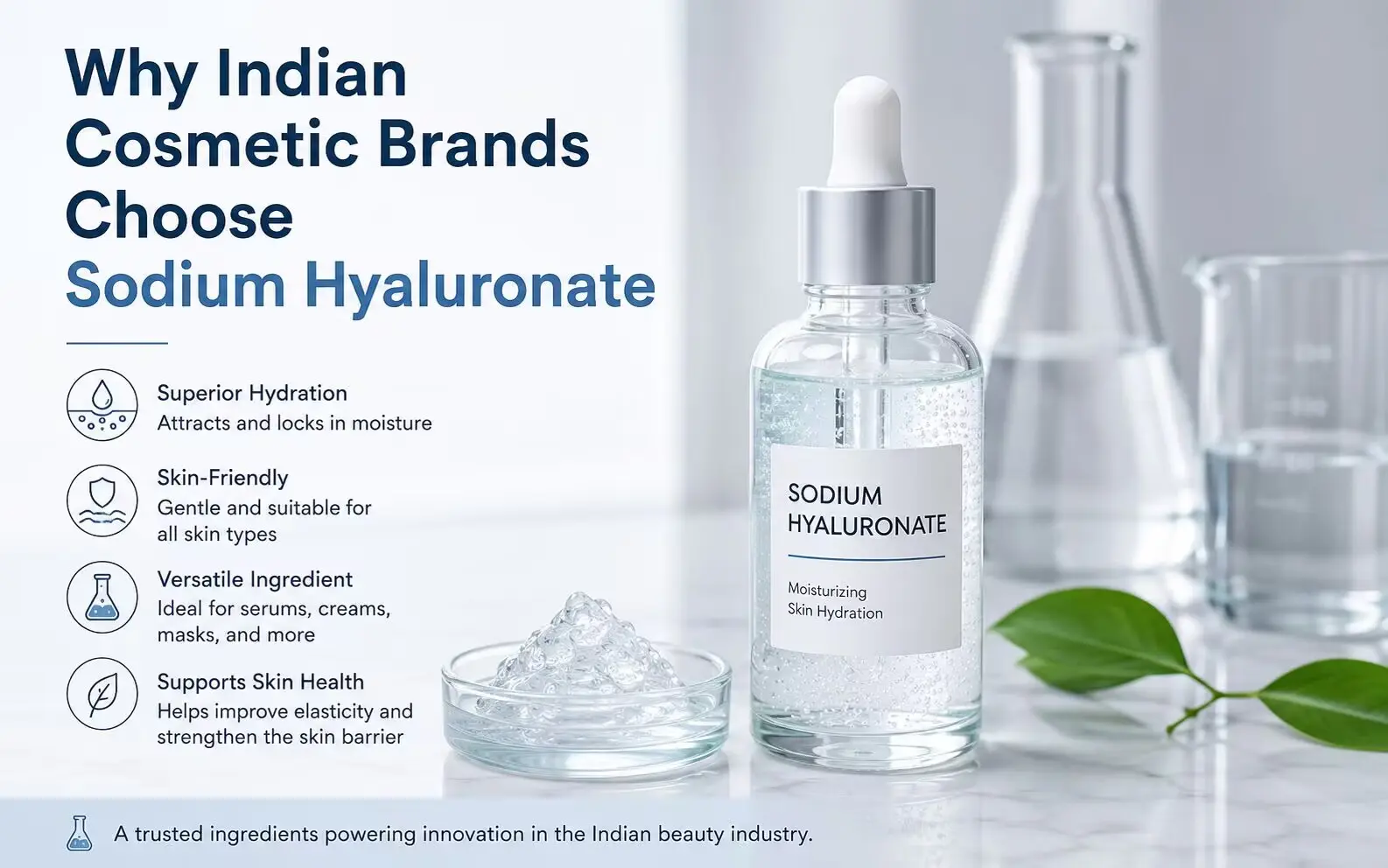
As the Indian beauty and personal care market expands, consumers demand effective, science-backed skincare. Brands choose Sodium Hyaluronate for its stability, ease of formulation, and proven moisturizing efficacy across serums, creams, and sunscreens.
Read Article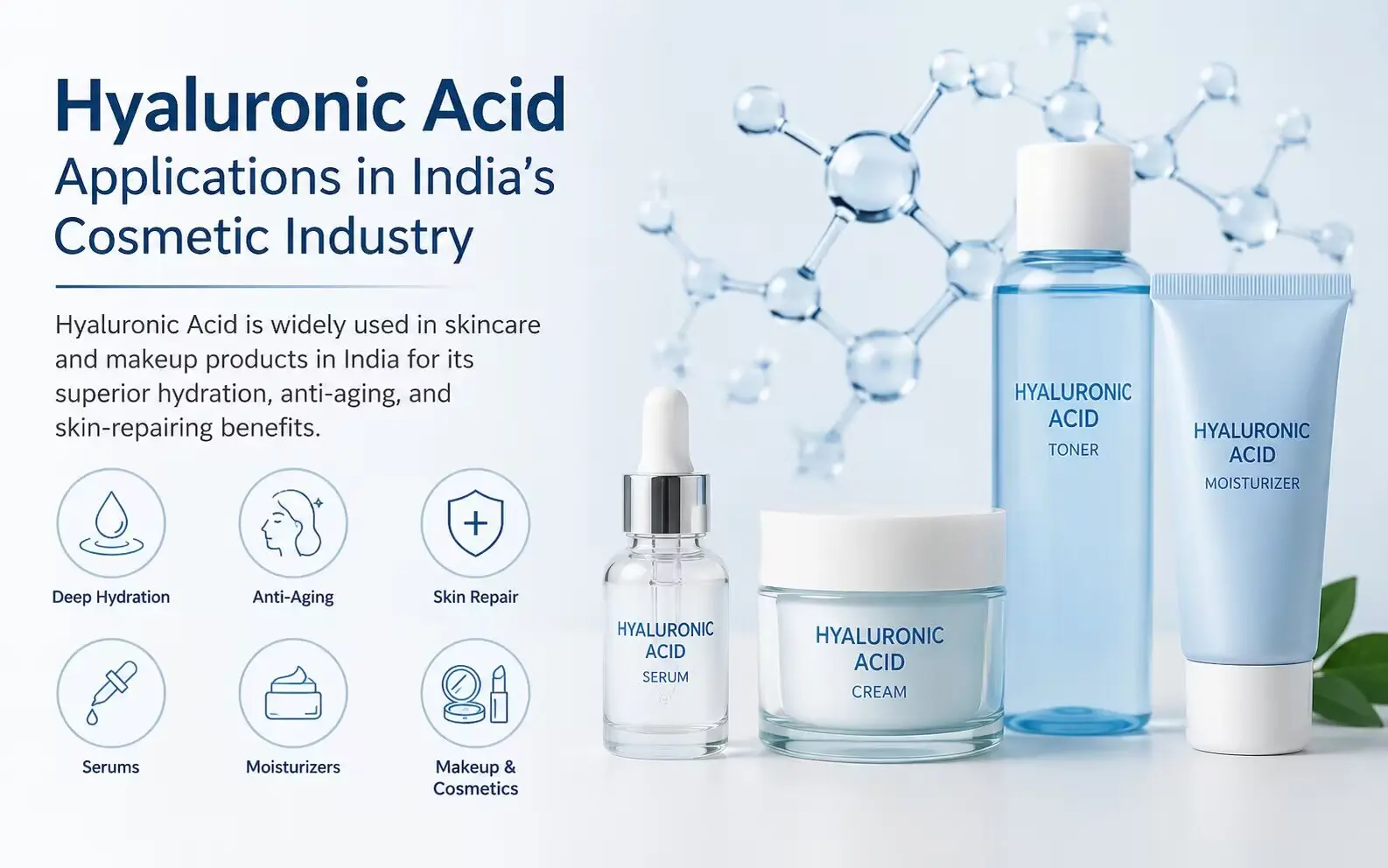
The cosmetic industry utilizes different molecular weights of hyaluronic acid to achieve dual-action skin hydration. High-molecular weight forms form protective barrier films, while ultra-low molecular weights provide deep hydration.
Read Article

Common inquiries regarding the manufacturing, application, and compliance of Sodium Hyaluronate.
Hyaluronic Acid (HA) refers to the acid form of the macromolecule. Sodium Hyaluronate (HA-Na) is the sodium salt of Hyaluronic Acid. The salt form is more stable, less prone to oxidation, and has smaller molecular sizes, allowing for better formulation flexibility and improved skin penetration.
Animal-derived extraction (typically from rooster combs) carries risks of viral contamination, animal pathogens, and allergen residues. Microbial fermentation (e.g., via Streptococcus zooepidemicus or recombinant hosts) provides high-yield, vegan-friendly products with highly consistent molecular weight distributions and lower risk profiles, matching modern clean-label demands.
Our factories control molecular weight through precise regulation of temperature, agitation, and aeration rates during fermentation. We also utilize post-fermentation enzymatic cleavage, monitoring the polymer chain length using Gel Permeation Chromatography (GPC) and multi-angle laser light scattering (MALLS).
Yes. Our food-grade sodium hyaluronate complies with US FDA GRAS requirements, European Food Safety Authority (EFSA) standards, and Chinese National Health Commission approvals. We offer complete testing certifications, including Kosher, Halal, and ISO 22000 documentation, to ensure smooth import clearance.
Sodium Hyaluronate is hydroscopic. We pack our high-purity powders in double-layer food-grade polyethylene bags, sealed inside fiber drums. Samples and bulk orders are shipped with desiccant packs, and we recommend storing them in cool (2-10°C), dry areas to maintain activity and prevent degradation.
Discover our specialized Sodium Hyaluronate grades and related nutritional ingredients.
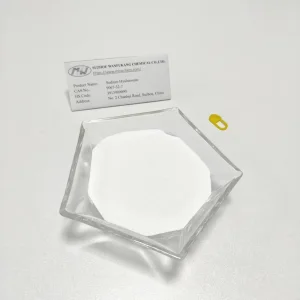
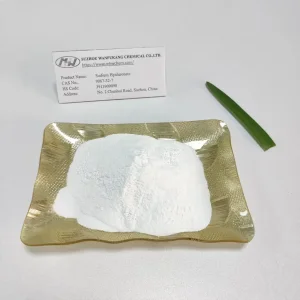

Other Related Active Ingredients: Hydrolyzed Hyaluronic Acid 95% | Non-animal Origin 1% Sodium Hyaluronate Solution | Citric Acid Assay 99% | 1% Sodium Hyaluronate Aqueous Solution Plumping Skin Care | Sodium Hyaluronate Skincare Ingredient CAS No. 9067-32-7 | Cosmetic Grade Sodium Hyaluronate Powder Serum Additive | Cosmetic Grade Low Molecular Weight Hyaluronic Acid | Vegan Fermentation Derived Hyaluronic Acid Food Grade