Premium chemical grade raw materials certified for demanding aesthetic and pharmaceutical formulations
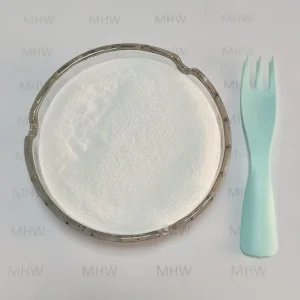
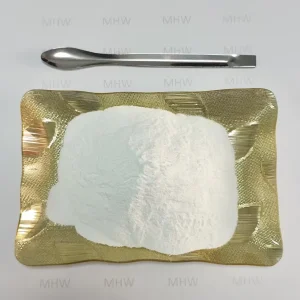
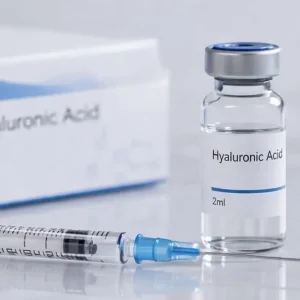
Hyaluronic Acid (HA), or sodium hyaluronate, has transitioned from a niche therapeutic agent to one of the most heavily consumed biopolymers globally. When chemical procurement managers explore catalogs containing the top 100 hyaluronic acid suppliers and companies, the primary objective shifts from simple sourcing to strict biological equivalence, bio-fermentation yields, and trace element management. Dynamic shifts in cosmetic formulations require suppliers who do not just sell powder but offer custom molecular weight (MW) distribution curves.
Modern global logistics require manufacturers to implement strict control over batch consistency. Historically, extraction was animal-derived (primarily from rooster combs), raising high risks of zoonotic pathogen transmission and immunogenic reactions. Modern standards dictate Streptococcus zooepidemicus microbial fermentation, yielding clean, non-animal-derived polymers. Buyers must evaluate structural purity assays, heavy metal thresholds, and transdermal kinetics before finalizing B2B contracts.
Procuring high-grade hyaluronan requires deep chemical knowledge. Below is the standard reference framework used by leading pharmaceutical, skincare, and food formulation R&D teams to cross-reference supplier specifications:
| Hyaluronic Acid Grade | Molecular Weight Range | Target Formulation Intent | Key Quality Assays Required |
|---|---|---|---|
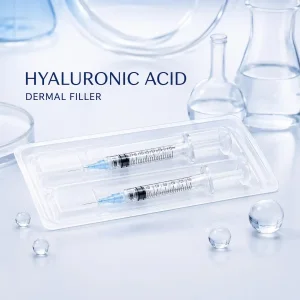
| Injection Grade (Pharma) | 1.0 to 2.5 MDa (Customized) | Ophthalmic Viscoelastics, Intra-articular Joints, Dermal Filler Gels | Endotoxin < 0.05 EU/mg, Heavy Metals < 10ppm, Protein Residue < 0.1% |
| Cosmetic Grade (Standard) | 0.8 to 1.8 MDa | Topical Creams, Emulsions, Anti-aging Serums | Assay ≥ 98.0%, pH Range 6.0 - 7.5, Loss on drying ≤ 10% |
| Hydrolyzed / Oligo HA | < 10,000 Da (Ultra-low) | Deep Skin Penetration, Intracellular Rehydration | Transdermal flux rate, high solubility in aqueous systems |
| Food / Nutraceutical Grade | 0.2 to 1.0 MDa | Joint Health Liquid Supplements, Softgels, Beauty Drinks | Strict Vegan Fermentation, Viable Aerobic Count ≤ 100 cfu/g |
The global hyaluronic acid industry is experiencing a profound paradigm shift. Simple single-molecular weight formulations are losing market share to multi-dimensional complexes. By combining different molecular sizes, formulators can design 3D or 4D hydration matrices that target multiple skin layers simultaneously. This synergistic approach forms an elastic, breathable film on the stratum corneum while deeply hydrating the dermis.
Concurrently, cross-linking technology (using agents like BDDE or biological cross-linkers) has evolved beyond dermal fillers into long-lasting cosmetics and therapeutic eye drops. Standard non-cross-linked HA is highly susceptible to enzymatic degradation by endogenous hyaluronidase, typically showing a half-life of less than 24 hours in living tissue. Chemical cross-linking alters the macromolecular structural geometry, increasing resistance to enzyme attack and extending active hydration properties over weeks or months.
Expertise in developing and exporting premium cosmetic, food, and functional ingredients


For chemical and medical aesthetic companies purchasing sodium hyaluronate, compliance is not optional. Regulatory requirements vary widely between cosmetic, oral supplement, and medical device grades. When reviewing the top suppliers, quality assurance teams must request specific technical dossiers to ensure compliance with local regulations (such as Europe's REACH, US FDA, or India's CDSCO).
Pharmaceutical Grade Requirements: Sourcing for ophthalmic viscoelastics or dermal fillers requires compliance with international pharmacopoeias (USP, EP, JP). Facilities must operate under strict cGMP guidelines. Every batch must undergo endotoxin testing using the LAL method, and heavy metal concentrations must be monitored via Inductively Coupled Plasma Mass Spectrometry (ICP-MS).
Cosmetic and Oral Supplement Grades: Buyers require documents like Certificate of Analysis (COA), Safety Data Sheets (SDS), and verification of non-animal origin. For clean-label personal care brands, ECOCERT or COSMOS certifications are critical. For oral food supplements, Kosher, Halal, and ISO 22000 certificates ensure broad market accessibility.
A professional global manufacturer and supplier of multi-grade Sodium Hyaluronate solutions



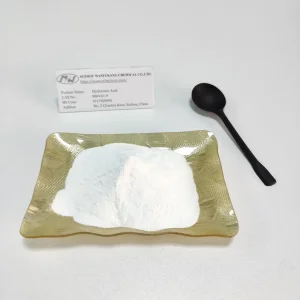
Suzhou Wanfukang Chemical Co., Ltd. has established itself as an authoritative supplier of high-purity Hyaluronic Acid and Sodium Hyaluronate. Leveraging advanced microbial fermentation platforms, the company produces and refines all grades of hyaluronate—including pharmaceutical, cosmetic, and food grades—for global buyers.
Our portfolio has expanded to support cosmetic ingredients, health food raw materials, and pharmaceutical ingredients. With advanced purification pipelines and a comprehensive QA/QC laboratory, Wanfukang ensures that every shipment meets the microbiological, physical, and chemical standards required for global formulations.
Understanding market dynamics, localization factors, and supplier verification methods
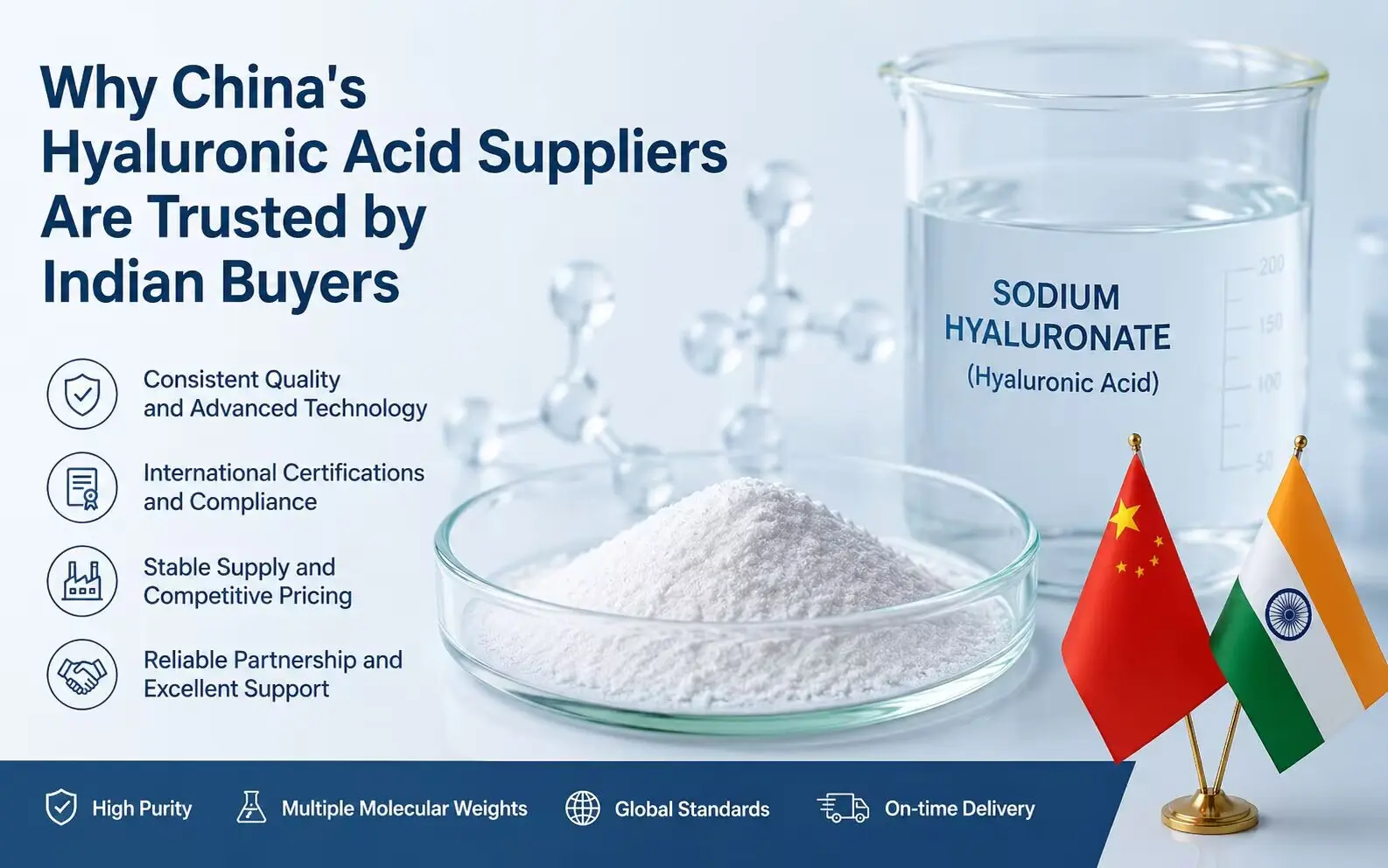
With the growth of India's cosmetics, pharmaceutical, and health supplement sectors, B2B buyers are partnering with Chinese manufacturers to access stable supply chains and competitive cost-to-performance ratios.
Read Full Analysis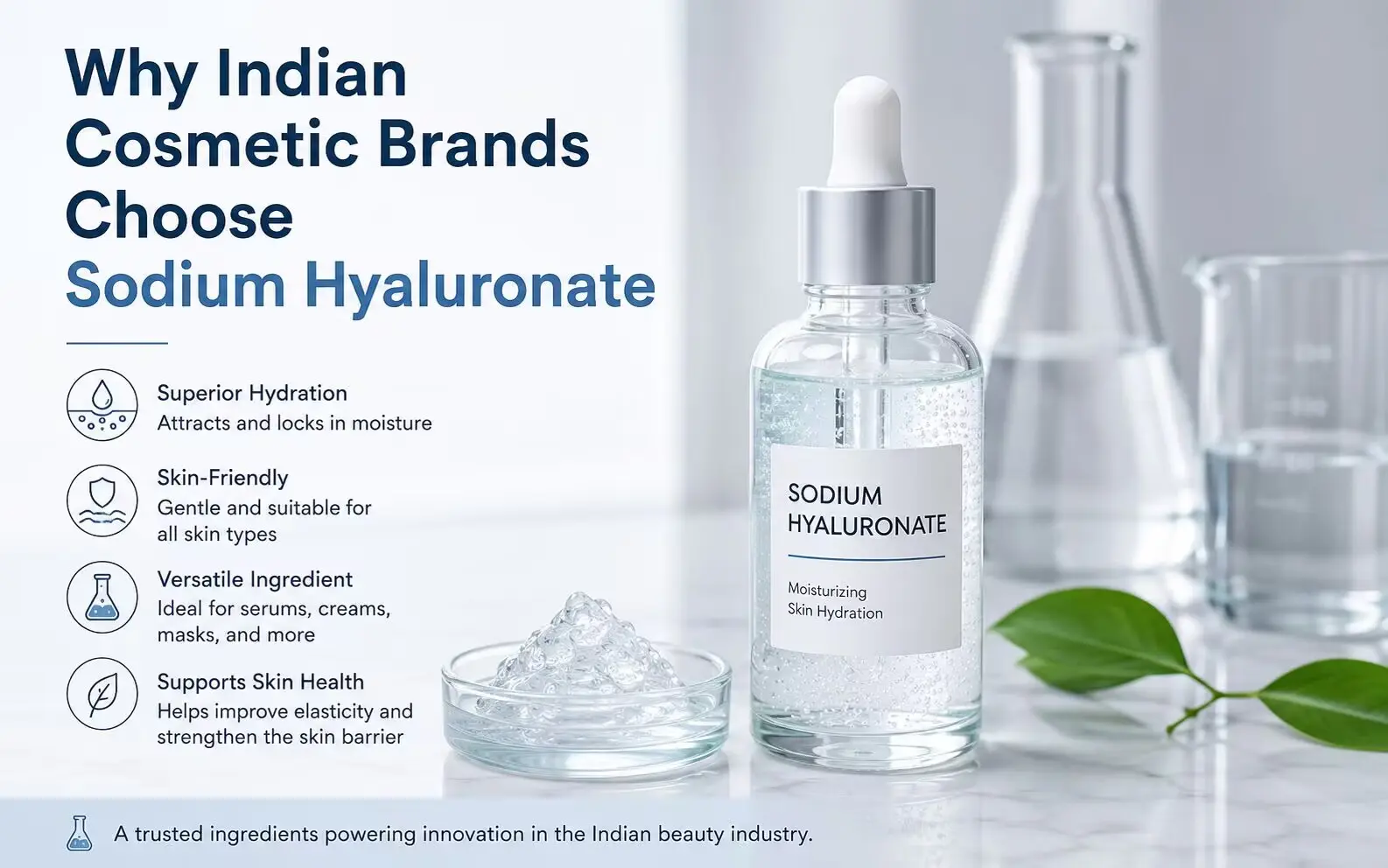
As Indian consumers demand clean and effective skincare, cosmetic brands are formulating with sodium hyaluronate to deliver high-performance hydration across diverse climates.
Read Full Analysis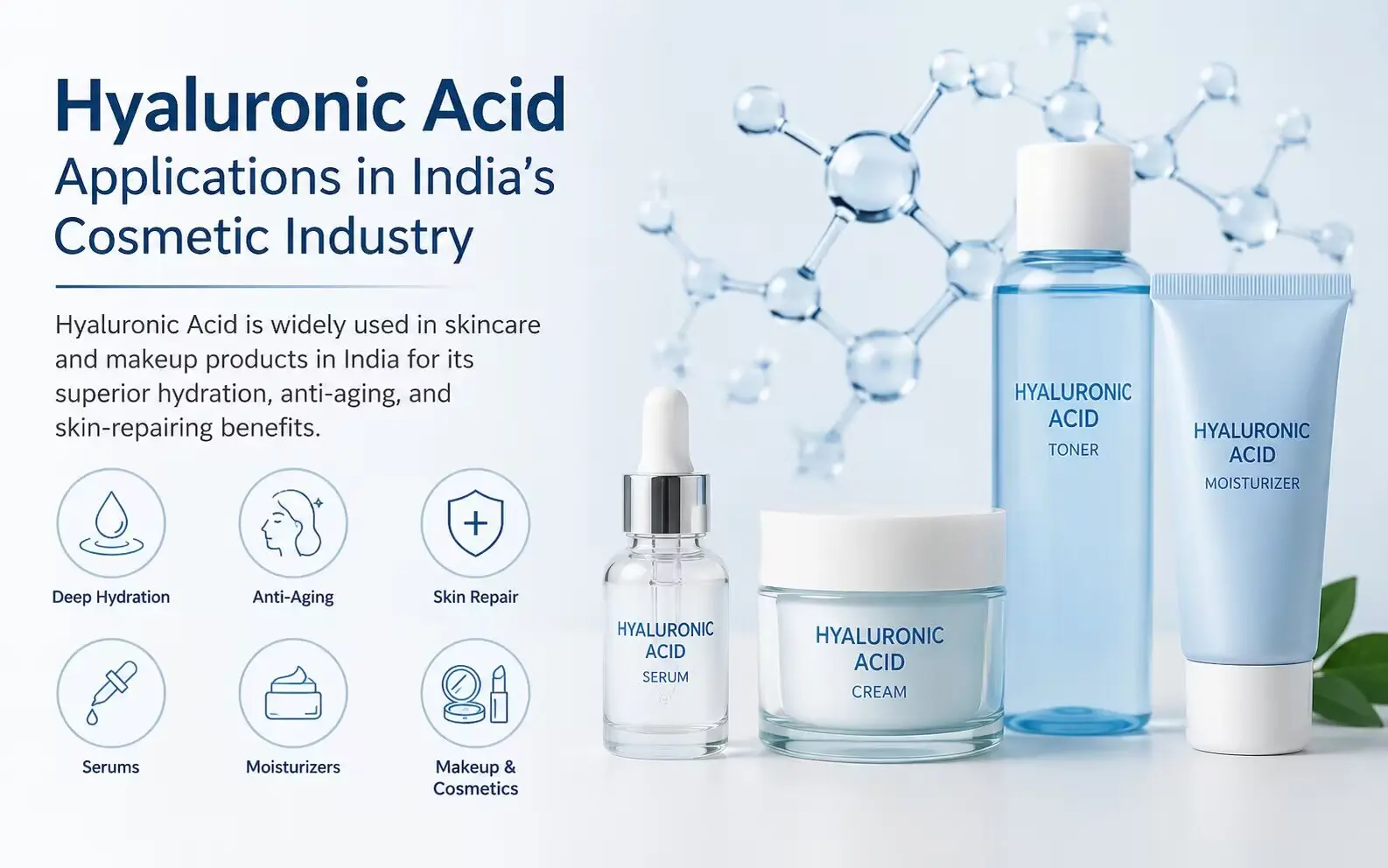
From lightweight daily serums to intensive moisturizing hair masks, examine how different molecular weights of HA are utilized in subcontinental formulations.
Read Full AnalysisCollaborating with global distributors and testing laboratories to ensure reliability

Technical clarifications for sourcing managers, formulation chemists, and compliance officers
Technical products categorized for specific industrial, medical, and aesthetic applications