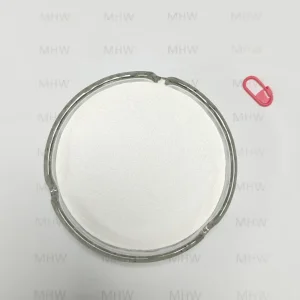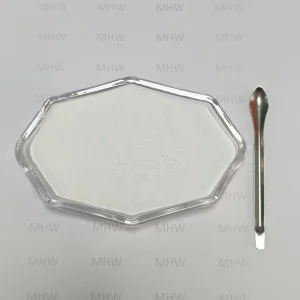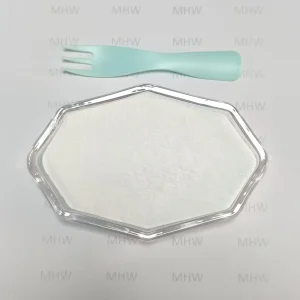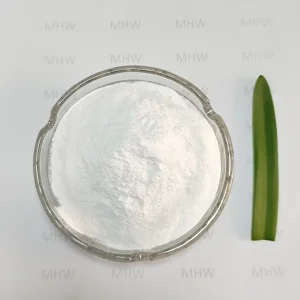
Explore our premium grade certified raw materials, engineered for food, cosmetic, and pharmaceutical formulation excellence.
The global market for flavoring agents, organic acidulants, and functional active carriers is undergoing a profound paradigm shift. Driven by evolving consumer preferences for clean-label products, sugar reduction initiatives, bio-engineered ingredients, and high-performance sensory profiles, procurement managers and B2B buyers must navigate a complex supply landscape. Today's commercial chemical manufacturers and exporters do not merely supply raw aromatic molecules; they provide complete organoleptic, stabilization, and bioavailability solutions designed to meet strict international regulatory standards including ISO 22000, Halal, Kosher, and cGMP compliance.
According to comprehensive macroeconomic modeling, the global flavor ingredients market is projected to expand from $32.4 billion in 2024 to over $48.6 billion by 2032, exhibiting a compound annual growth rate (CAGR) of 5.2%. This growth is predominantly anchored in the rapid expansion of functional beverages, health foods, premium cosmetic formulations, and oral pharmaceutical formulations across emerging economies in the Asia-Pacific region and established markets in North America and Western Europe.
Proven track record in high-purity chemical synthesis and bio-fermentation export.
Continuous scalable volume guaranteeing enterprise contract fulfillments.
Seamless logistics serving buyers across North America, Europe, and Asia-Pacific.
Diverse catalog spanning food, cosmetic, functional, and pharmaceutical grades.
Modern B2B enterprise buyers looking to buy flavoring agents from manufacturers and exporters must evaluate candidates based on multi-dimensional criteria. The main drivers reshaping modern purchasing specifications include:
Suzhou Wanfukang Chemical Co., Ltd. stands as an industry-leading manufacturer and exporter specializing in the synthesis, bio-fermentation, and global distribution of premier food ingredients, cosmetic active ingredients, and specialized pharmaceutical raw materials. With nearly a decade of dedicated operational experience, Wanfukang has cemented its status as a trusted global supply chain partner for tier-1 brands, OEM/ODM contract manufacturers, and chemical distributors worldwide.
Exporting to over 20 destination countries across North America, Europe, India, Southeast Asia, and the Middle East, maintaining rigorous international compliance and zero-defect quality control protocols.
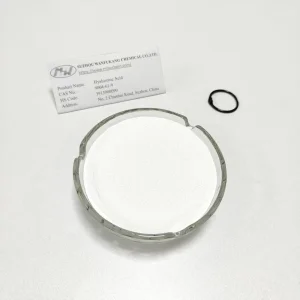
Our raw material portfolio features industry-leading purity specs, such as Cosmetic Grade Hyaluronic Acid Assay ≥98%, Citric Acid Assay ≥99%, Niacinamide Assay ≥99%, and Vitamin C Food Additives Assay above 99%.
Offering scalable B2B packaging options ranging from 1kg high-barrier sterile foil bags to 25kg fiber drums, complete with batch-specific Certificates of Analysis (COA) and MSDS documentation.
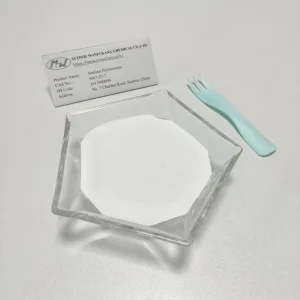
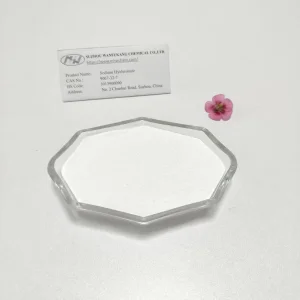
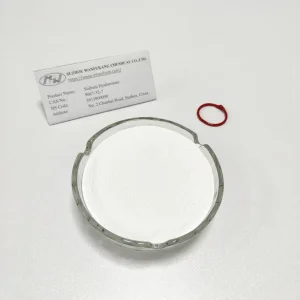
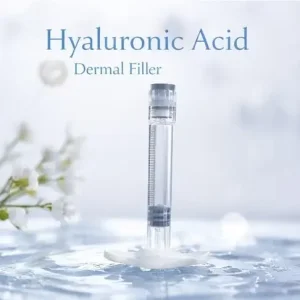
By leveraging advanced microbial fermentation platforms and state-of-the-art chemical purification technologies, Suzhou Wanfukang Chemical Co., Ltd. ensures continuous stock availability for high-demand compounds including Food Grade Sodium Hyaluronate, Injectable Grade Hyaluronic Acid, Acetylated Sodium Hyaluronate, Citric Acid, Arbutin, Coenzyme Q10, and custom blend flavor matrices.
In modern industrial chemistry, flavoring agents are defined as chemical substances or complex mixtures added to food, beverages, cosmetics, oral care products, and pharmaceuticals to impart, alter, or enhance taste and aroma profiles. When procurement teams evaluate choices to buy flavoring agents from manufacturers and exporters, they must understand the chemical classifications, molecular stability profiles, and organoleptic properties governing each category.
Acidulants form the structural backbone of flavor formulation in liquid and solid matrices. Citric Acid (Assay 99%) is the primary organic acidulant used worldwide to impart a clean, refreshing sour taste while acting as a natural preservative and chelating agent.
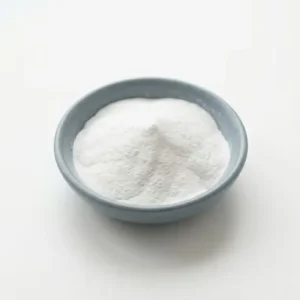
A emerging trend in food chemistry is the use of high-purity polysaccharides as structural flavor modifiers. Food Grade Short-Chain Sodium Hyaluronate Powder and low-molecular-weight HA act as rheology modifiers and flavor carriers.
Nutraceutical formulations containing active substances like Chondroitin Sulfate, Vitamin C, Vitamin A, Niacinamide, or bitter botanical extracts require precise taste masking. Flavoring agents work synergistically with organic acids to neutralize lingering metallic or astringent notes, elevating consumer compliance and product shelf appeal.
Wanfukang specializes in the development and export of cosmetic, food, and functional ingredients designed for global industrial buyers.
Cosmetic Grade Hyaluronic Acid Assay 98% Intense Moisturizing, High Assay Niacinamide Powder Skin Whitening, High Quality Arbutin Whitening Active Ingredient, Sodium Hyaluronate Anti-Wrinkle Powder.
Food Acidulant Citric Acid Assay 99%, Vitamin C Food Additive Assay Above 99%, Vitamin A Powder Vision Health, Food Grade Hyaluronic Acid Powder Joint Health Supplement.
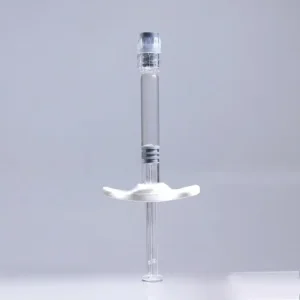
Chondroitin Sulfate Food Supplement Ingredient Maintain Joint Health, Coenzyme Q10 Maintain Heart Health, High Purity Sodium Hyaluronate White Powder for Injection Use.
1% Sodium Hyaluronate Aqueous Solution Plumping Skin Care, Non-Animal Origin 1% Sodium Hyaluronate Solution Cosmetic Grade, Customized Mesh Powder Micronization.
Global buyer requirements vary substantially across geographic markets due to local consumer demands, climatic factors, and regulatory standards. Understanding localized procurement patterns enables manufacturers and exporters to deliver tailored ingredient solutions.
India and Southeast Asian nations represent fast-expanding consumer markets for personal care, functional beverages, and nutraceutical products. Modern cosmetic and beverage manufacturers in India are aggressively adopting high-assay Sodium Hyaluronate and organic acidulants. Why do international brands prioritize Chinese chemical manufacturers? Key drivers include consistent batch reproducibility, scale efficiency, certified Halal compliance, and robust supply chain resilience.
Formulators in Europe and North America operate under stringent REACH, EFSA, and US FDA regulation. Sourcing flavoring agents and functional polymers requires full transparency regarding heavy metals (Pb ≤5ppm, As ≤1ppm), pesticide residues, microbial bioburden, and non-animal origin verification (microbial fermentation vs. bovine/chicken sources). Wanfukang’s non-animal origin sodium hyaluronate solutions and high-assay Vitamin C satisfy strict EU 1334/2008 flavor guidelines.
The Middle East market mandates strict adherence to Halal certification across food and cosmetic ingredients. Providing Halal-Certified Food Grade Sodium Hyaluronate and alcohol-free flavor carrier systems guarantees seamless market entry for global consumer brands across GCC countries.
Expert commentary on global market trends, buyer guides, and application chemistry.
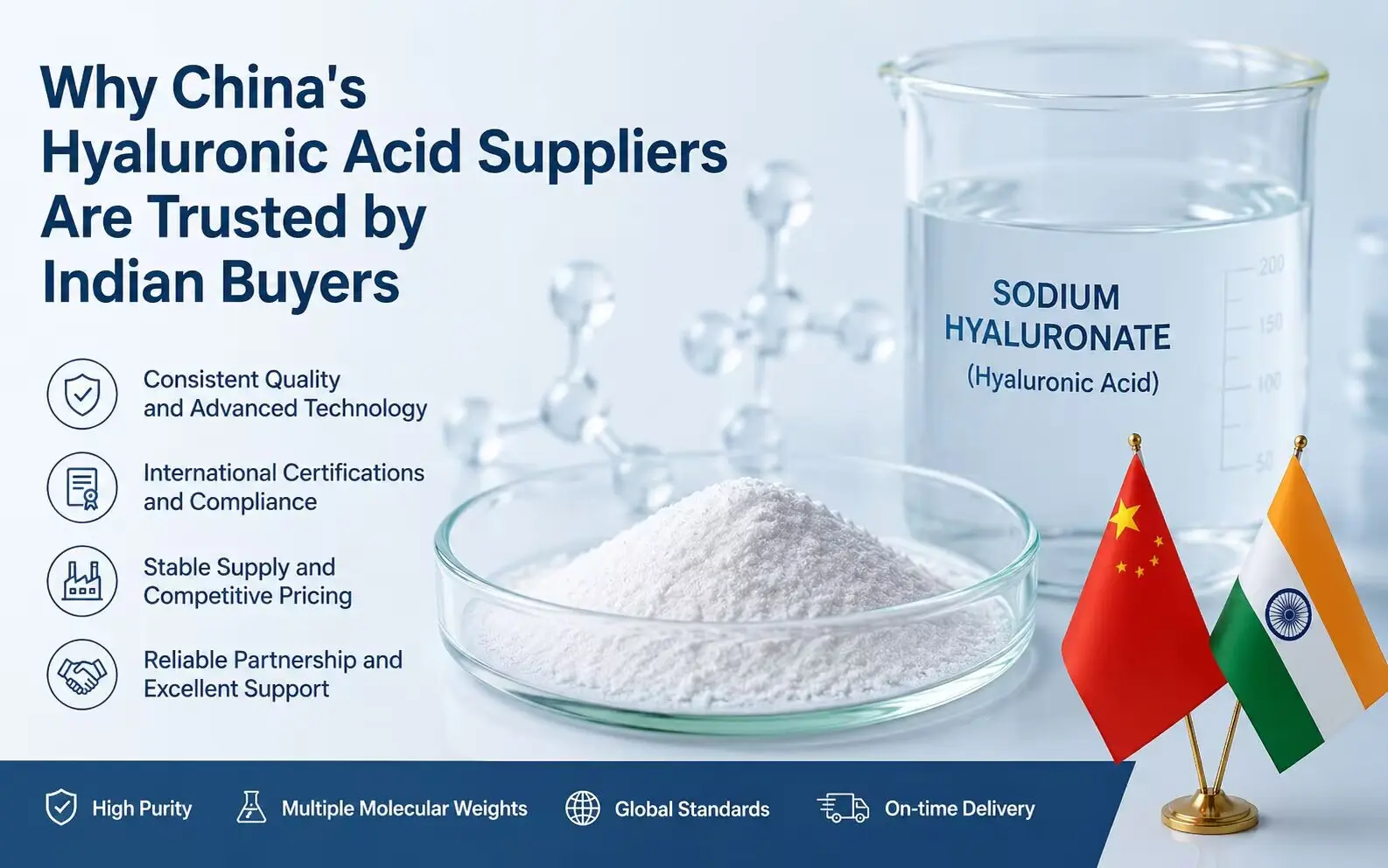
In recent years, with the rapid development of India's cosmetics, pharmaceutical, and health product industries, the market demand for hyaluronic acid (HA) and sodium hyaluronate has continued to grow. Discover why Chinese manufacturers win long-term trust through superior quality control and price competitiveness.
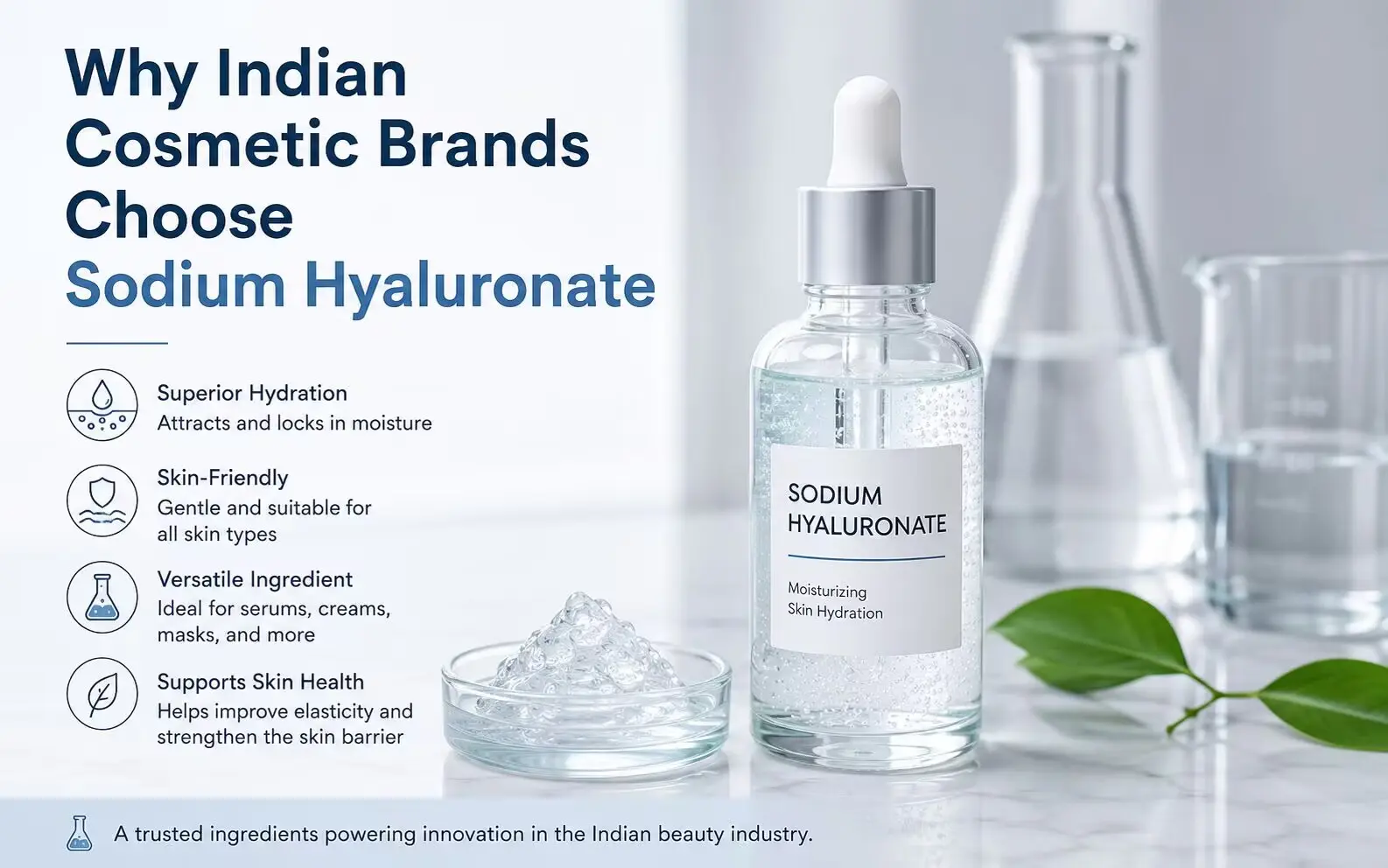
As consumer demand for high-efficacy skincare surges in India, sodium hyaluronate has become a fundamental moisturizing and anti-aging active in serums, creams, sunscreens, and color cosmetics.
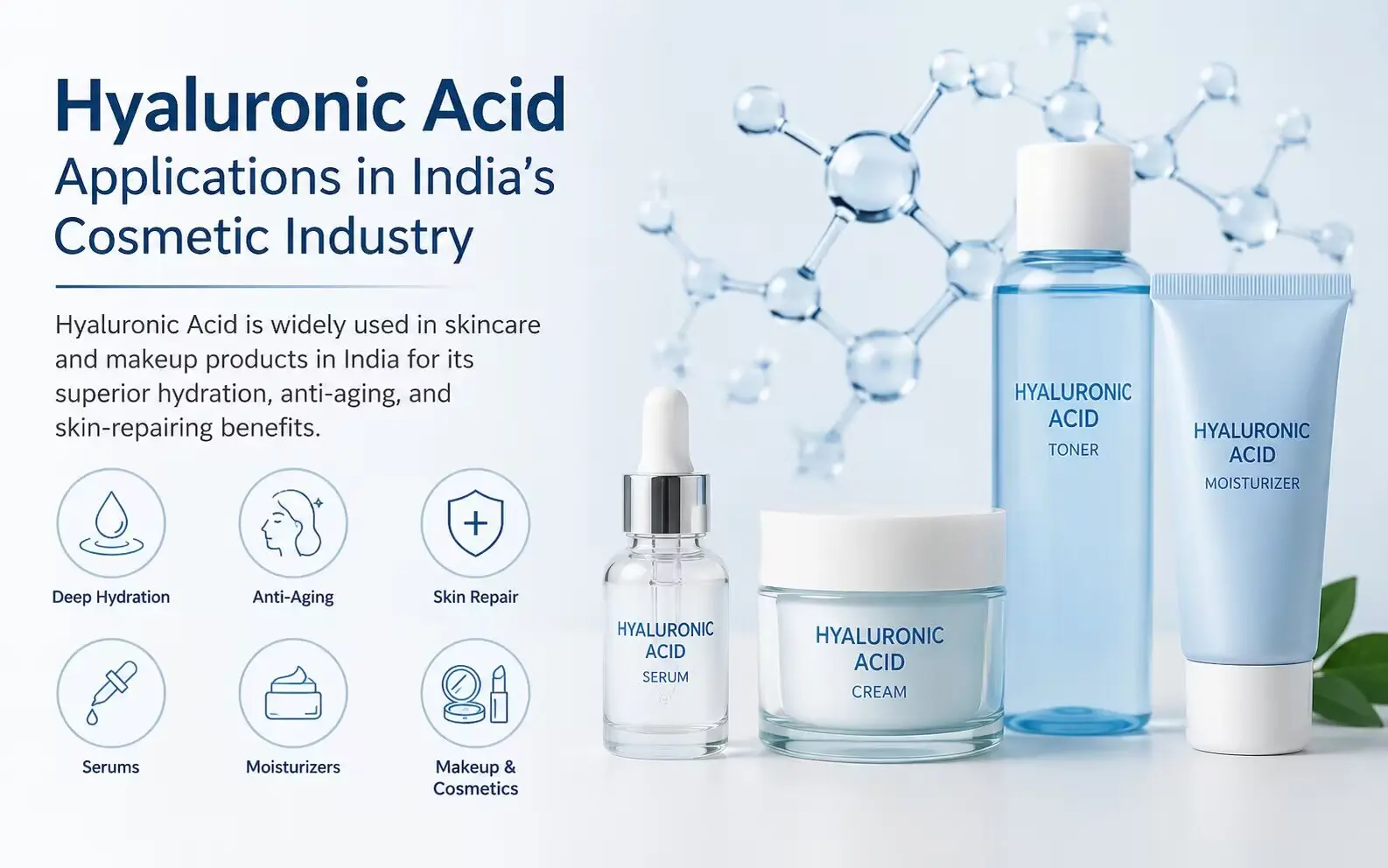
With the expansion of premium personal care lines, multi-molecular weight hyaluronic acid blends are revolutionizing product hydration profiles across tropical and semi-arid regional climates.
The next decade will see chemical manufacturing and flavoring technology converge with synthetic biology, AI-driven molecular modeling, and zero-carbon processing infrastructure. Forward-thinking procurement teams must align with exporters who invest heavily in R&D and clean tech production methodologies.
Moving away from petro-chemical synthesis toward genetically optimized bacterial fermentation (e.g., Streptococcus zooepidemicus non-hemolytic strains) yielding ultra-pure biopolymers, organic acids, and natural aroma compounds with minimal carbon footprint.
Developing liposomal and acetylated hyaluronate micro-carrier beads that encapsulate volatile flavor molecules, safeguarding them against ambient oxidation, thermal degradation during baking, and stomach acid hydrolysis.
Utilizing machine learning algorithms to analyze molecular binding coefficients, enabling instant reformulation of target flavors to achieve exact taste parity while reducing sugar content by up to 50%.
Expert answers to critical procurement, chemical technical, and supply chain questions.
Buyers should evaluate active assay percentage (e.g., Citric Acid ≥99%, Sodium Hyaluronate ≥98%), heavy metal concentration (Lead ≤5ppm, Arsenic ≤1ppm), loss on drying, ash content, particle size (mesh distribution), and microbial limits (Total Plate Count <100 cfu/g, absence of pathogens). Batch-specific COA and HPLC chromatograms should always be verified.
Food-grade sodium hyaluronate acts as a functional ingredient and rheology enhancer. It retains up to 1,000 times its weight in water, providing a smooth, luxurious mouthfeel in functional drinks, oral liquids, and nutricosmetics while providing systemic hydration and joint health benefits.
The primary differences lie in purity level, molecular weight control, endotoxin limits, and production environment. Food grade focuses on heavy metal limits and oral safety; Cosmetic grade focuses on transdermal permeability, hydration performance, and cosmetic purity; Injection/Ophthalmic grade requires ultra-sterile conditions, zero pyrogens, and extremely strict endotoxin levels (<0.05 EU/mg) under cGMP standards.
Yes. Suzhou Wanfukang Chemical Co., Ltd. provides Halal-certified, non-animal origin, vegan-friendly ingredients produced via advanced microbial fermentation, ensuring compliance with global religious and lifestyle diet standards.
Powdered raw materials like Hyaluronic Acid, Vitamin C, and Citric Acid should be stored in tightly sealed, light-resistant containers at temperatures below 25°C in a clean, dry environment. Under optimal conditions, typical shelf-life spans 24 to 36 months from manufacture date.
Standard MOQs range from 1kg for high-value injectable/cosmetic actives to 25kg standard drum sizes for food acidulants and functional ingredients. Lead times typically range from 3 to 7 business days for stock dispatch, with full air/ocean export logistics support.
Explore our specialized range of high-assay active powders, sterile ophthalmic grades, and cross-linked matrices.