Hyaluronic Acid & Lactic Acid Manufacturing Solutions

Premium Grade Bio-fermented Actives, Custom Formulations, and Global Regulatory Dossier Support for Advanced Cosmetics and Therapeutics.

Primary Sourced Formulations

Direct from manufacturer: high-purity biological derivatives engineered for optimal skin affinity and targeted metabolic pathways.
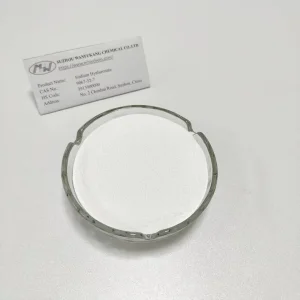
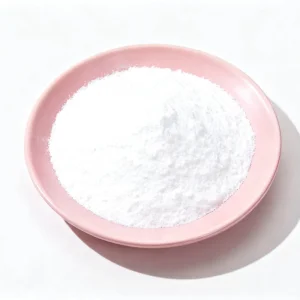
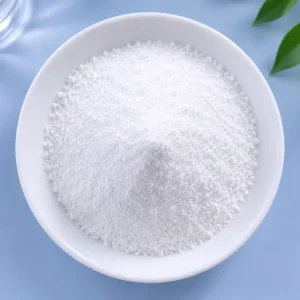
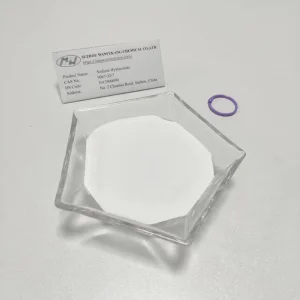
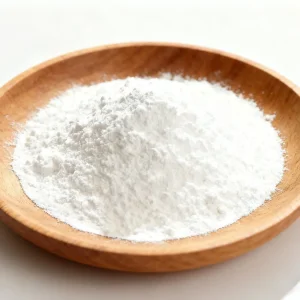
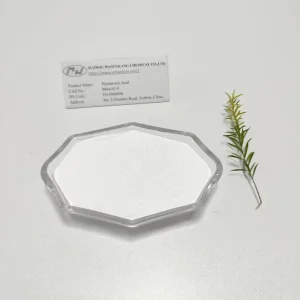
Food Grade Sodium Hyaluronate Powder

China Food Grade Sodium Hyaluronate Powder Beverage Additive Manufacturer

Explore Product Specifications
High Purity Food Grade Sodium Hyaluronate

Famous High Purity Food Grade Sodium Hyaluronate for Food Supplements

Explore Product Specifications
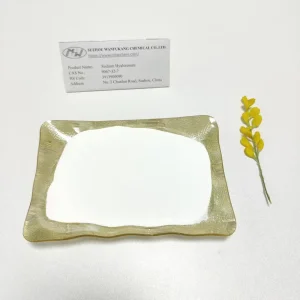
Pure Vegan Sodium Hyaluronate Powder

Buy Pure Vegan Sodium Hyaluronate Powder Cosmetic Grade Bulk Supply

Explore Product Specifications
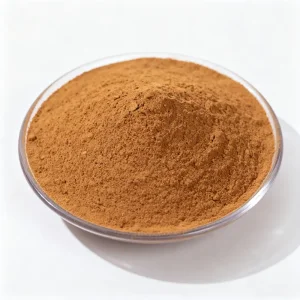
Glabridin Whitening and Anti-Inflammatory

Famous Glabridin Whitening and Anti-Inflammatory Ingredient Assay 40%

Explore Product Specifications
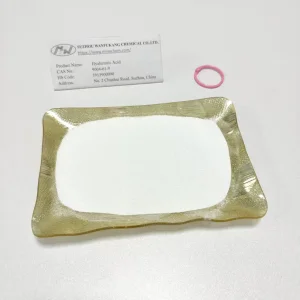
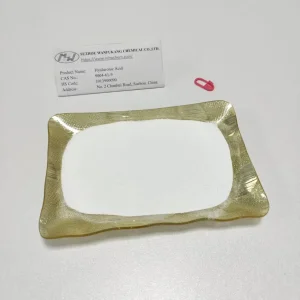
Hyaluronic Acid Powder Food Additive

China Hyaluronic Acid Powder Functional Food Additive CAS No. 9004-61-9

Explore Product Specifications
High Quality Cosmetic Grade Hyaluronic Acid

Best High Quality Cosmetic Grade Hyaluronic Acid Powder Supplier

Explore Product Specifications
Long-chain Sodium Hyaluronate

Buy High Quality Food Grade Long-chain Sodium Hyaluronate Manufacturers

Explore Product Specifications
Hyaluronic Acid Facial Mask Raw Material

Best High Quality Hyaluronic Acid Facial Mask Raw Material Manufacturers

Explore Product Specifications

The Biological Synergy of Hyaluronic Acid and Lactic Acid in Skin Physiology

In modern dermatological and pharmaceutical applications, the co-formulation of Hyaluronic Acid (HA) and Lactic Acid (LA) represents a major leap forward in biomimetic skincare design. Hyaluronic Acid, a natural glycosaminoglycan, serves as the ultimate extracellular matrix humectant, capable of binding up to 1,000 times its dry weight in water molecules. Lactic Acid, an alpha-hydroxy acid (AHA) and a core component of the skin’s Natural Moisturizing Factor (NMF), functions as both a keratolytic agent and a metabolic signal that stimulates endogenous ceramide production.

When systematically applied together, their mechanisms act in parallel. Lactic Acid gently dissolves desmosomal attachments in the stratum corneum, removing dead corneocytes and reducing transepidermal water loss (TEWL) barriers. This optimal micro-environment allows Hyaluronic Acid—especially when customized across diverse molecular weight spectrums—to penetrate the deeper epidermal layers. High Molecular Weight (HMW) HA forms a protective, non-occlusive film on the stratum corneum, while Low Molecular Weight (LMW) and Oligo-HA interact with CD44 receptors to promote tissue repair and collagen synthesis.

  • Stratum Corneum Refinement: Lactic acid facilitates uniform cell turnover, allowing maximum hydration efficiency.
  • Endogenous Lipids Stimulation: Active L-Lactic isomers drive ceramides generation, sealing intercellular gaps.
  • Deep-Tissue Hydration: Dual-action macromolecular and micromolecular HA binds moisture within extracellular spaces.
Chemical Fermentation Laboratory Testing

Global Industry Outlook & Commercial Trends

Analyzing supply chains, biotechnological manufacturing pipelines, and global consumer demand dynamics.

The global production landscape of active beauty and bio-based ingredients is undergoing a paradigm shift towards green chemistry and microbial bio-fermentation. Traditionally, Hyaluronic Acid was extracted from animal tissues (such as rooster combs), raising significant concerns regarding immunogenicity, viral transmission, and purity. Modern production relies almost entirely on the microbial fermentation of Streptococcus zooepidemicus or genetically modified strains of Bacillus subtilis. This shift ensures a non-animal derived, highly purified product, free from immunogenic proteins and nucleic acids, aligning with the growing demand for vegan and clean-label cosmetic formulations.

Similarly, Lactic Acid production has transitioned to the anaerobic fermentation of carbohydrate sources such as corn starch, sugar cane, or tapioca. The commercial value lies in isolating the biologically active L-Lactic Acid isomer, which is highly compatible with mammalian cellular pathways. In industrialized nations, L-Lactic Acid is not only prized for cosmetics and food additives but also serves as the fundamental monomer for Polylactic Acid (PLA) biodegradable plastics, linking the ingredient directly to green manufacturing and circular economy initiatives.

Microbial Bio-Fermentation

Our closed-loop microbial fermentation pathways yield maximum batch uniformity while eliminating any animal-derived pathogens or transmissible proteins.

Green Chemistry Standards

By utilizing renewable agricultural feedstocks, our carbon footprint is significantly lower than petrochemical-based alternatives, meeting strict ESG targets.

Purity & Structural Integrity

With purification methods that include ultrafiltration and crystallization, we deliver active substances with minimal heavy metals and endotoxin counts.

Production Facility Suzhou Wanfukang Chemical

Reliable Industry Partner: Suzhou Wanfukang Chemical Co., Ltd

Suzhou Wanfukang Chemical Co., Ltd has stood as an industry-leading supplier and custom manufacturer of high-grade Sodium Hyaluronate and Hyaluronic Acid for many years. We supply high-specification ingredients across cosmetic, food, and pharmaceutical grades. Leveraging cutting-edge extraction and purification processes, we serve cosmetic brands, health food manufacturers, and pharmaceutical enterprises worldwide.

Our commitment to rigorous scientific research, strict quality control protocols, and comprehensive regulatory documentation makes us a trusted B2B partner in the chemical and bioactive ingredient sector. Through years of scaling our operations, we ensure not only pure raw materials but also complete global supply chain stability and compliance support.

9+ Years Industry Experience
500t Annual Sales Volume
20+ Export Destination Countries
600+ Raw Material Portfolio

Customizable Active Ingredient Portfolio

Explore our categorized portfolio of high-purity cosmetic, dietary, and functional chemical agents designed for global brands.

ALL Ingredients
Cosmetic Ingredients
Food Ingredients
Functional Ingredients
Customized Solutions
Cosmetic Grade Hyaluronic Acid Assay 98%

Cosmetic Grade Hyaluronic Acid Assay 98% Intense Moisturizing

Technical Data Sheet
High Assay Niacinamide Powder Skin whitening

High Assay Niacinamide Powder Skin whitening

Technical Data Sheet
High Quality Arbutin Whitening Active Ingredient

High Quality Arbutin Whitening Active Ingredient

Technical Data Sheet
Coenzyme Q10 Maintain Heart Health

Coenzyme Q10 Maintain Heart Health

Technical Data Sheet
Food Acidulant Citric Acid Assay 99%

Food Acidulant Citric Acid Assay 99%

Technical Data Sheet
Vitamin A Powder Maintain Vision Health

Vitamin A Powder Maintain Vision Health

Technical Data Sheet
Chondroitin Sulfate Joint Health

Chondroitin Sulfate Food Supplement Ingredient Maintain Joint Health

Technical Data Sheet
Vitamin C Food Additive Assay Above 99%

Vitamin C Food Additive Assay Above 99%

Technical Data Sheet

Global Regulatory Dossier & Quality Assurance Controls

Navigating localized compliance in the EU (REACH), North America (FDA), and Asian markets (NMPA) requires comprehensive documentation. In cosmetic and therapeutic ingredient sourcing, quality validation is non-negotiable. Suzhou Wanfukang Chemical implements standard QA/QC mechanisms covering every batch of Hyaluronic and Lactic Acid.

Our raw material shipments include COA (Certificate of Analysis) showing molecular weight profiles (via SEC-MALLS), heavy metal limits (<10ppm), microbiological profiles, and residual solvents. We provide full support for technical files, helping our customers streamline their formulation registrations.

  • DMF Filing Support: Accelerate pharmaceutical formulation approvals with dedicated Drug Master Files.
  • Heavy Metal Safeguards: High-precision ICP-MS testing guarantees chemical safety profiles exceed EU standards.
  • Certified Facilities: Our operations align with ISO 9001, ISO 22000, and GMP standards.
Regulatory Dossier Audit and QC Lab

Technical Roadmap & Future Innovations

Exploring the next generation of biopolymer delivery methods and green production technologies.

The trajectory of bioactive polymer development is focused on targeting skin structures with higher precision. For Hyaluronic Acid, this involves utilizing enzymatic digestion to produce ultra-low molecular weight particles (under 5,000 Daltons) that can penetrate the skin without altering cellular signaling. Simultaneously, research into cross-linked HA hydrogels is expanding, creating stable structures for dermal fillers and topical formulations that release hydration over time.

For Lactic Acid, the focus remains on advancing stereochemical purity. Standard synthetic pathways yield a racemic mixture of D- and L-lactic acid. However, only L-lactic acid is recognized by human cell pathways for synthesis. By refining fermentation conditions, we can produce highly pure L-lactic acid. This pure form is ideal for chemical peels and anti-aging cosmetics, maximizing exfoliation and hydration benefits while minimizing irritation.

Enzymatic Degradation Technology

We use selective hyaluronidase enzymes to break down polymer chains without introducing heat, keeping molecular structures intact.

Stereochemical Control

Our purification processes maintain L-isomer content above 99%, ensuring high compatibility with physiological skin pathways.

Smart Cross-Linking Protocols

Our cross-linking technology (using safe, trace-level BDDE agents) creates durable hydrogels that resist degradation inside tissue matrixes.

Latest Industry Insights & Global News

Understand the dynamic market forces shaping active cosmetic ingredient sourcing globally.
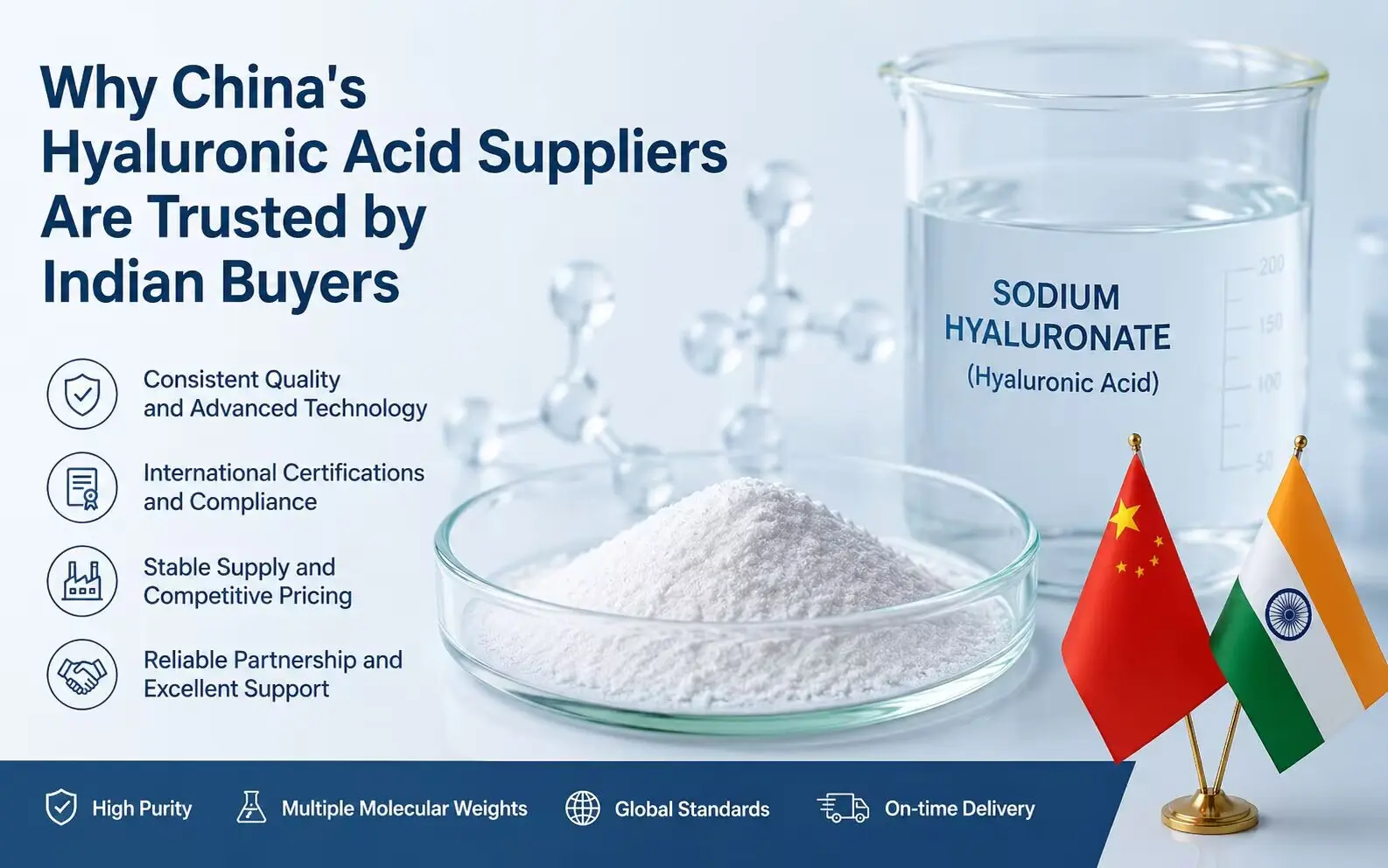
Why Chinese Hyaluronic Acid Suppliers Are Trusted by Indian Buyers

Why Chinese Hyaluronic Acid Suppliers Are Trusted by Indian Buyers

India's rapid expansion in personal care has led to a major increase in the demand for active ingredients. Discover why Indian cosmetic brands turn to Chinese suppliers for consistent bio-fermented raw materials.

Read Complete Article
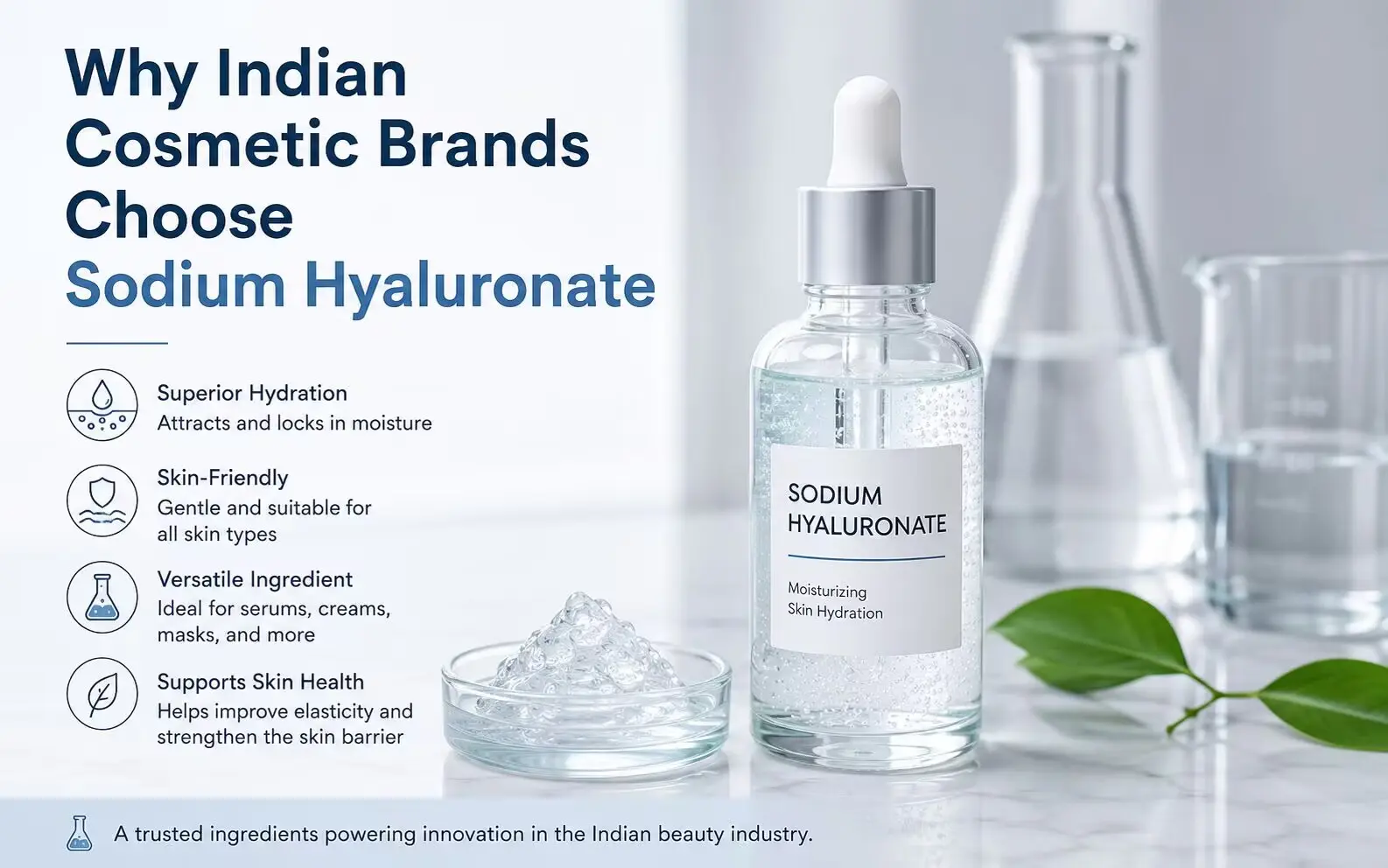
Why Indian Cosmetic Brands Choose Sodium Hyaluronate

Why Indian Cosmetic Brands Choose Sodium Hyaluronate

Sodium Hyaluronate continues to dominate cosmetic formulations. Learn how regional brands are incorporating diverse molecular weight profiles to address local environmental skin stresses.

Read Complete Article
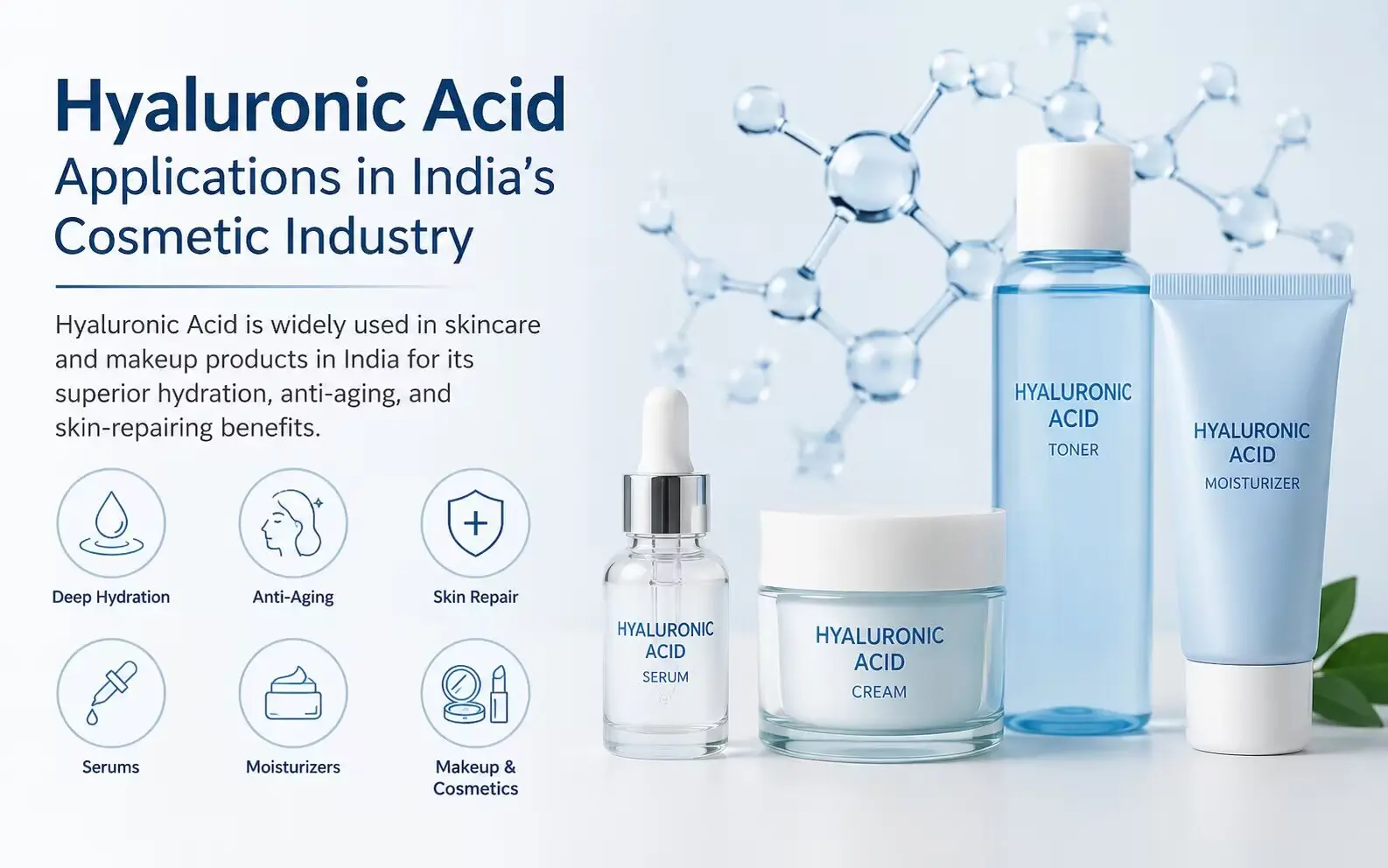
Hyaluronic Acid Applications in India's Cosmetic Industry

Hyaluronic Acid Applications in India's Cosmetic Industry

From hydration drops to color cosmetics, formulation chemistry is evolving. Explore new application methodologies for incorporating high-purity HA into daily skincare routines.

Read Complete Article

Expert QA: Formulation & Technical Sourcing FAQ

Scientific answers to questions regarding molecular weights, purity standards, stability parameters, and custom production.

1. How do molecular weights of Sodium Hyaluronate impact skin absorption?
High molecular weight HA (1.5–2.2 MDa) stays on the skin surface to form a moisture barrier and protect the skin. Medium molecular weight HA (0.8–1.5 MDa) offers surface hydration and supports barrier function. Low molecular weight HA (10k–100k Da) and Oligo-HA (<10k Da) can penetrate deeper into the skin layers to help improve elasticity and promote repair.
2. Is your Hyaluronic Acid non-animal derived?
Yes, our Hyaluronic Acid is produced through microbial fermentation of corn starch and inorganic salts, using a non-pathogenic strain. This guarantees a 100% vegan, non-GMO material with no animal residues, making it ideal for clean beauty formulations.
3. What is the typical shelf life and stability profile of your bulk Lactic Acid?
Our high-purity L-Lactic Acid has a shelf life of 24 months when stored in original sealed containers in dry conditions. As Lactic Acid is highly hygroscopic, it should be kept away from direct heat and moisture to maintain its assay levels.
4. Can Sodium Hyaluronate and Lactic Acid be formulated together in low-pH products?
Yes, but care must be taken. Sodium Hyaluronate can degrade in highly acidic environments (below pH 4.5) over long periods. When formulating with Lactic Acid (typically pH 3.5–4.2), we recommend using cross-linked Hyaluronic Acid or adding stabilizer agents to prevent viscosity loss.
5. What documentation do you provide for international import compliance?
We provide a complete documentation package, including COA, MSDS, technical data sheets (TDS), allergen statements, BSE/TSE-free declarations, microbial test reports, and compliance details for EU REACH and US FDA regulations.
6. How does your factory maintain batch-to-batch consistency?
Our automated fermentation facilities use real-time monitoring for temperature, pH, and dissolved oxygen. Every raw material batch is checked using HPLC and SEC chromatography to confirm it meets strict purity and molecular weight standards before dispatch.
7. What is the heavy metal and endotoxin limit for injection-grade Hyaluronic Acid?
For injection and medical grade Hyaluronic Acid, our endotoxin levels are kept below 0.05 EU/mg, and heavy metals are strictly limited to under 10 ppm. These standards ensure excellent biocompatibility and safety for clinical applications.
8. Do you offer custom molecular weight distributions?
Yes. We can customize molecular weights from under 5,000 Daltons to over 3.0 Million Daltons. Contact our technical team to discuss your specific viscosity and performance requirements.
9. What are the packaging options for bulk orders?
Our standard bulk packaging is 1kg/aluminum foil bag, 10kg/drum, or 25kg/cardboard drum. We can also provide custom packaging size options to match your manufacturing setup.
10. Can Lactic Acid act as a buffer in cosmetic formulas?
Lactic Acid, when paired with sodium lactate, forms an effective buffering system. This combination maintains stable pH levels in skin creams and serums, ensuring the overall formula remains active and safe to use.

Specialty Medical & Cosmetic Derivatives

Engineered raw materials for advanced skincare, dermal fillers, and ophthalmic formulations.
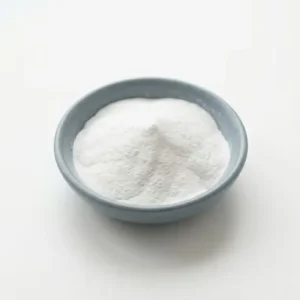
High Purity Sodium Hyaluronate for Injection

Buy High Purity Sodium Hyaluronate White Powder for Injection Use

Explore Product Specifications
High Quality Cosmetic Sodium Hyaluronate

High-Quality Cosmetic Grade Sodium Hyaluronate HA Powder

Explore Product Specifications
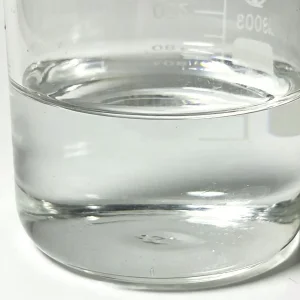
Cosmetic Grade Hyaluronic Acid 1% Solution

Best Cosmetic Grade Hyaluronic Acid 1% Solution Clear Liquid Product

Explore Product Specifications
Medium Molecular Weight Hyaluronic Acid

Buy Medium Molecular Weight Cosmetic Grade Hyaluronic Acid Powder

Explore Product Specifications
Injection Grade Hyaluronic Acid Powder

China Injection Grade Hyaluronic Acid Powder Microbial Fermentation

Explore Product Specifications
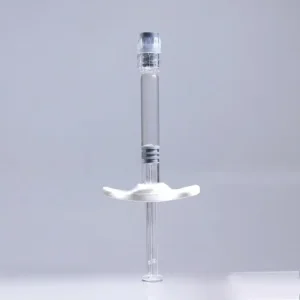
Advanced Hyaluronic Acid Dermal Filler

Best Advanced Hyaluronic Acid Dermal Filler with Cross-Linking

Explore Product Specifications
Cosmetic Ingredient Hyaluronic Acid Powder

Best Cosmetic Ingredient Hyaluronic Acid Powder CAS 9004-61-9

Explore Product Specifications
Non-animal Derived Eye Drop Hyaluronic Acid

Best Non-animal Derived Eye Drop Grade Hyaluronic Acid Supplier

Explore Product Specifications

Collaborative Network & Industrial Partners

Partnering with cosmetic brands and pharmaceutical manufacturers worldwide to maintain reliable raw material supply chains.
Strategic Chemical Partner Brand Logo 1 Strategic Chemical Partner Brand Logo 2 Strategic Chemical Partner Brand Logo 3 Strategic Chemical Partner Brand Logo 4 Strategic Chemical Partner Brand Logo 5