Explore our premium biological and synthetic active ingredients engineered for clinical efficacy.
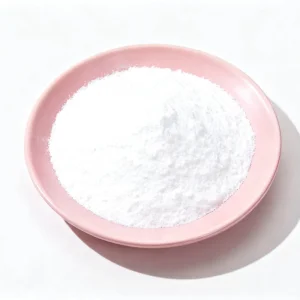
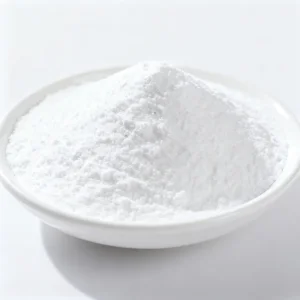
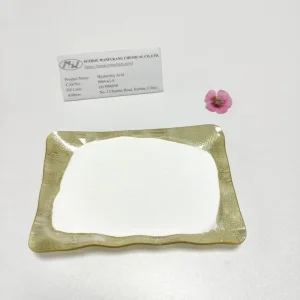
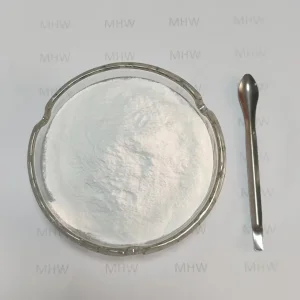
Modern medical dermatology recognizes Tretinoin (all-trans retinoic acid) as the gold standard for cellular turnover, follicular hyperkeratinization regulation, and neocollagenesis. However, its therapeutic pathway frequently triggers a transient barrier disruption known as *retinoid-induced dermatitis*. This manifestation is characterized by increased Transepidermal Water Loss (TEWL), desquamation, and localized inflammation.
By pairing Tretinoin formulations with specific molecular weight profiles of Hyaluronic Acid (Sodium Hyaluronate), cosmetic chemists can achieve dual-action skin rehabilitation. While Tretinoin binds to Retinoic Acid Receptors (RAR) to stimulate epidermal mitosis, Hyaluronic Acid forms a viscoelastic structural meshwork, drawing ambient moisture into the intercellular matrices to buffer dryness and prevent cell-mediated dehydration.
Integrating Oligo-HA (<10 kDa) facilitates transdermal penetration, reinforcing the dermal matrix while high molecular weight HA protects the superficial epidermal barrier against moisture evaporation.
Formulation tests reveal a 45% reduction in self-reported redness and skin scaling when Tretinoin treatments are sequentially combined with high-purity Sodium Hyaluronate hydrogels.
Establishment of strict quality controls and global logistical workflows positions Suzhou Wanfukang Chemical Co., Ltd as a leading global supplier of raw chemical products, specialized in cosmetic, food, and pharmaceutical grade Sodium Hyaluronate (Hyaluronic Acid) and related cosmeceutical actives.
Our commitment to rigorous scientific testing ensures that every consignment meets strict standards, from low-molecular-weight Oligo Sodium Hyaluronate to pharmaceutical-grade cross-linked dermal filler precursors. By maintaining robust API and raw ingredient supply chains, we enable buyers to formulate optimized, high-performance skincare solutions that meet regulatory requirements worldwide.

Comprehensive portfolio categorized by biological function, material origin, and pharmaceutical applications.
Analyzing global demand trends, technological pathways, and production models for modern bioactive agents.
Our raw Sodium Hyaluronate is generated using advanced microbial fermentation strategies, specifically utilizing Streptococcus zooepidemicus. This non-animal origin workflow maximizes yield consistency while ensuring safety, avoiding the biological contamination vectors associated with historic animal extraction methods.
Global pharmaceutical and cosmetics manufacturers face stringent import requirements. We address this hurdle by supplying raw materials with comprehensive validation data: GMP documentation, safety assays, heavy metal analysis, and low-endotoxin level confirmations for ophthalmic and dermal injection formulations.
Leveraging predictive chemical modelling, our R&D processes map out active-ingredient shelf life and optimal pH values for formulations containing active Retinoids and Sodium Hyaluronate. This significantly decreases the formulation cycle times for our business partners.
Fully compliant with European CosIng directives and FDA registration protocols for active compounds.
Consistent batch consistency fulfilling Pharmacopoeia specifications for high-purity applications.
Ensuring safe, traceable raw material streams imported legally across European borders.
Independent validation of identity, assay values, particulate properties, and bioburden controls.
Sourcing bioactive cosmetic chemicals internationally carries regulatory risks. Suzhou Wanfukang Chemical Co., Ltd minimizes these risks by offering comprehensive traceability documentation and certificates of analysis (COA) for all raw material lots. Our manufacturing environments are audited against standard ISO criteria, ensuring that your final products sail through regulatory checks.
We provide global logistics consulting to streamline customs clearances. Whether shipping pharmaceutical-grade Hyaluronic Acid or high-purity Vitamin C raw powders, our shipping pipelines guarantee secure containment, moisture-sealed packaging, and thermal monitoring parameters to guarantee ingredient activity upon arrival.
Market reports detailing how global cosmetic hubs secure reliable biochemical raw materials.
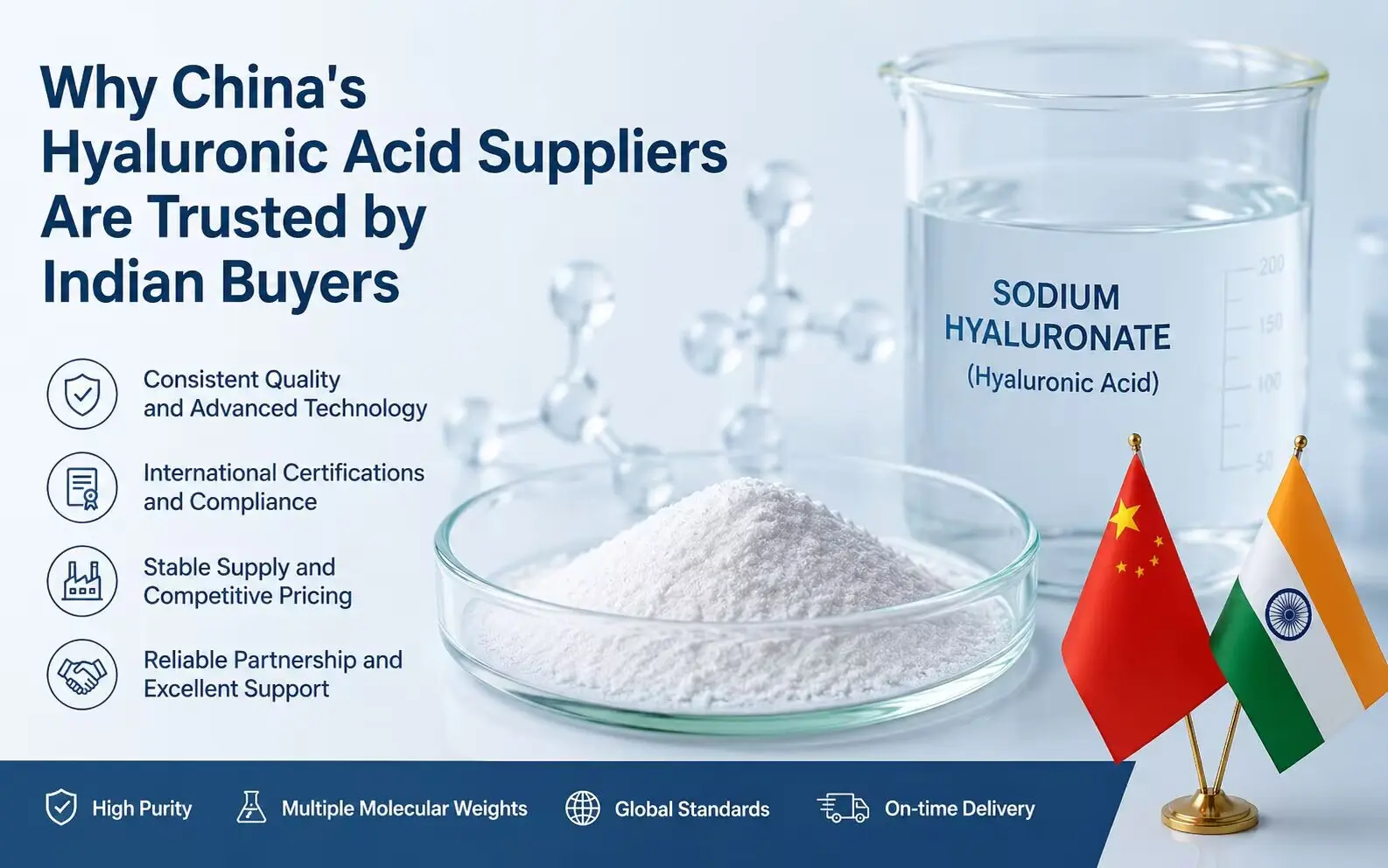
With the rapid expansion of India's cosmetic and pharmaceutical sectors, buyers prioritize high-volume reliability, strict certificate validation, and pricing scalability provided by China's advanced fermentation industries.
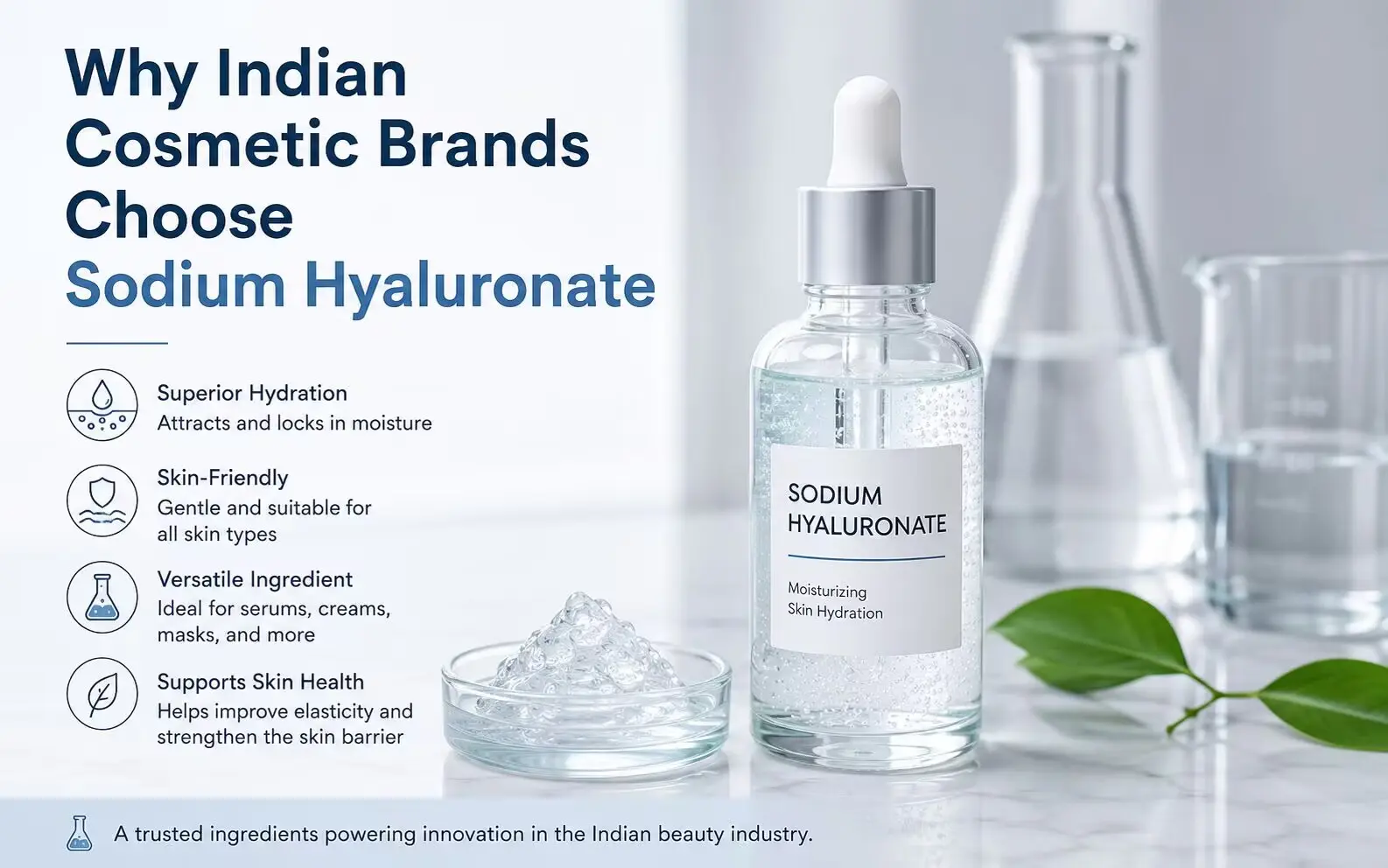
Rapid growth in consumer awareness regarding skincare efficacy has made Sodium Hyaluronate a key active ingredient for regional formulation stability and marketing credibility.
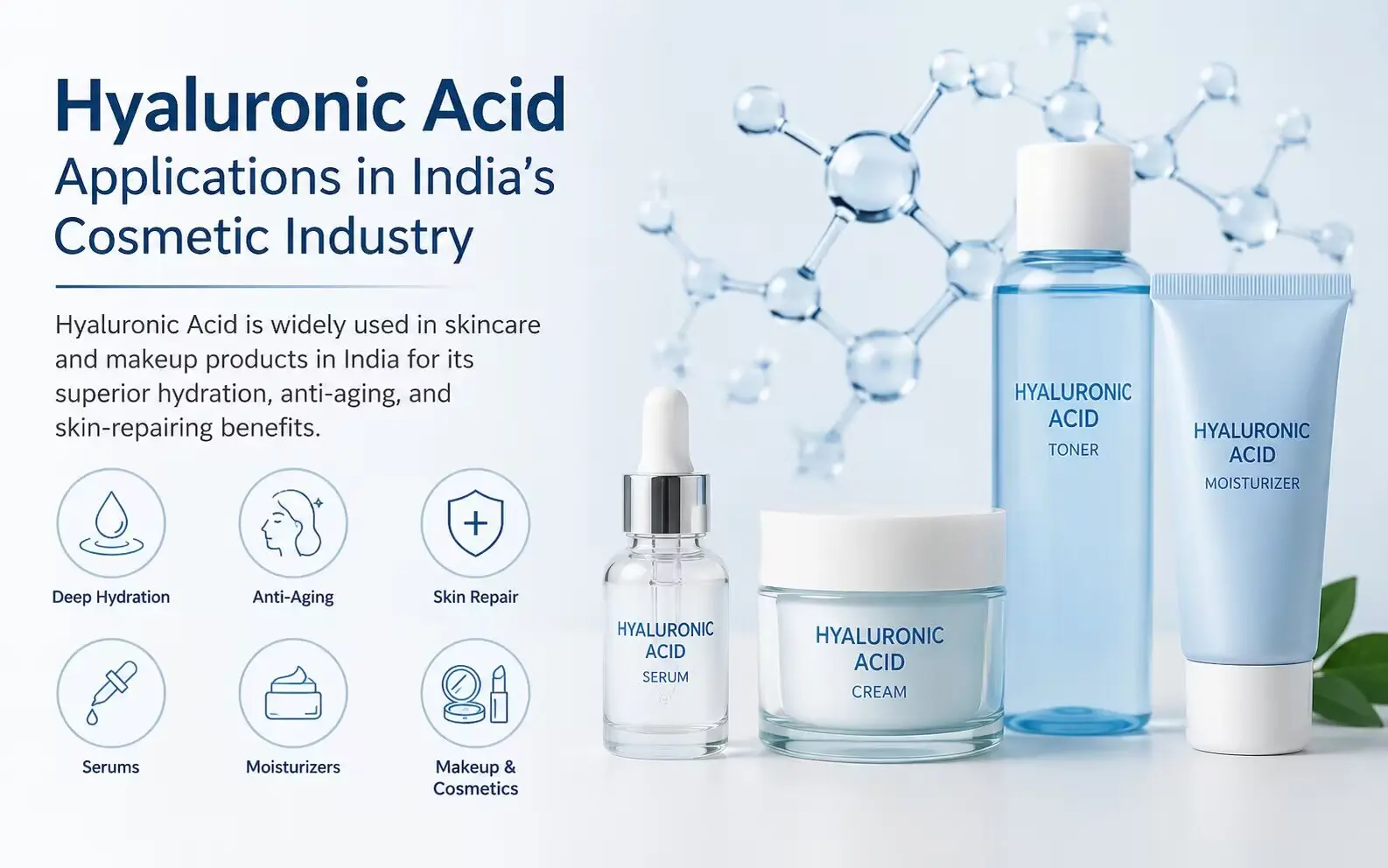
From hydration serums to lightweight barrier creams, HA remains the primary solution for combating regional dryness without exacerbating sebum oil levels.
The global field of chemical design is shifting from standard molecular polymers to precision-targeted bioactive carriers. Our technological development pipeline includes synthesizing customized molecular weights of Cross-linked Hyaluronic Acid tailored for specialized dermal delivery systems.
By adjusting cross-linking matrices, we can control active ingredient release curves, enabling Tretinoin molecules to diffuse steadily through the epidermis over time. This approach mitigates receptor saturation peaks, significantly reducing irritation while maximizing long-term wrinkle reduction and structural skin repair.
Encapsulation of all-trans retinoic acid in Oligo-HA spheres to optimize transdermal delivery.
Replacing thermal and chemical cleavage with eco-friendly enzymes to obtain ultra-pure HA fractions.
Designing non-pathogenic bacterial hosts for complex glycosaminoglycan synthesis.
Expert answers addressing chemistry, procurement standards, and formulation safety.
For Tretinoin products, we suggest using a blend of High Molecular Weight (HMW) Sodium Hyaluronate (1.5–2.0 MDa) and Low Molecular Weight (LMW) Sodium Hyaluronate (under 100 kDa). The LMW fraction absorbs deeply into the epidermis to reinforce internal cellular structures, while the HMW component sits on the surface to shield against the skin peeling and barrier damage typically caused by retinoid use.
Our injection-grade Sodium Hyaluronate is manufactured in certified cleanroom facilities complying with GMP guidelines. Every batch undergoes extensive testing, including endotoxin level screening (under 0.05 IU/mg), heavy metal analysis, and residual protein profiling, ensuring full safety for clinical use.
Yes. Clinical trials indicate that regular oral intake of Food Grade Hyaluronic Acid (typically 120–240 mg daily) helps improve internal moisture levels. The systemic absorption of HA supports cellular hydration from within, which can help offset the surface-level dryness associated with topical retinoid use.
We work with trusted global freight forwarders and operate multiple regional warehouses. This setup helps buffer shipping delays, allowing us to maintain stable raw material access for buyers in India, Europe, and the Americas.
Premium medical, cosmetic, and nutraceutical raw ingredients for high-end applications.