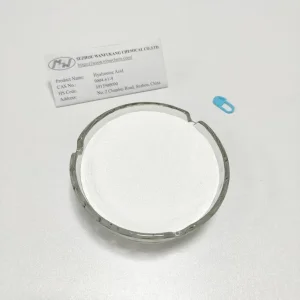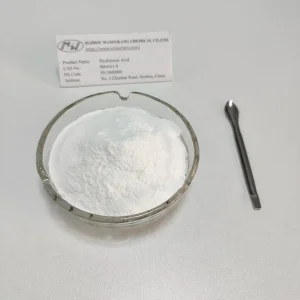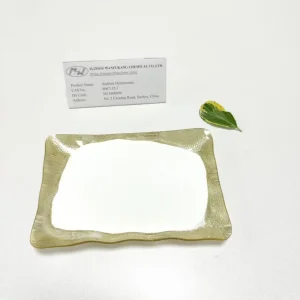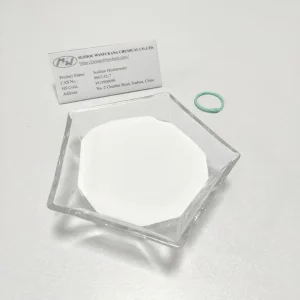
Explore our certified formulations, highly requested by global cosmetics conglomerates and advanced pharmaceutical processors.
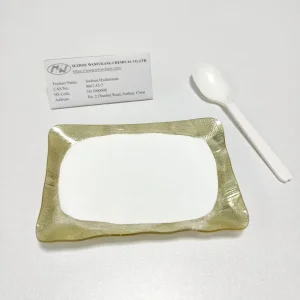
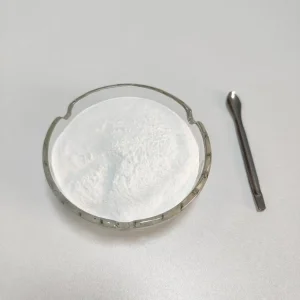
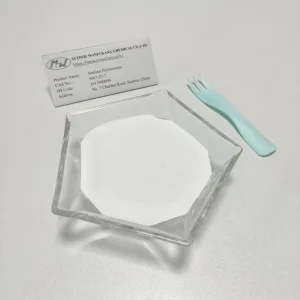
The performance of modern skin solutions like Provence Beauty Hyaluronic Acid is intrinsically tied to structural integrity at the molecular level. Hyaluronic Acid (HA), or Sodium Hyaluronate (CAS No. 9067-32-7), acts as a pivotal biological scaffold. When sourced from advanced manufacturers in Suzhou and regional bio-hubs in China, this substance is synthesized via advanced streptococcus fermentation, completely avoiding animal-derived raw components.
To achieve optimal bio-availability, Chinese laboratories utilize dynamic molecular weight division. This creates multi-dimensional hydration structures including:


China’s bio-tech sector produces over 70% of the world's commercial hyaluronic acid. Factories like Suzhou Wanfukang Chemical Co., Ltd. bridge the gap between high-volume bulk active pharmaceutical ingredients (APIs) and specialized cosmetic-grade solutions. With custom synthesis setups, these facilities offer several key advantages:
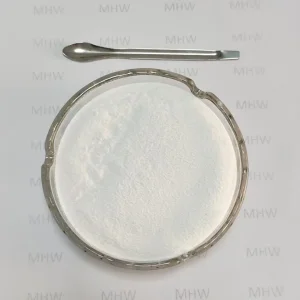
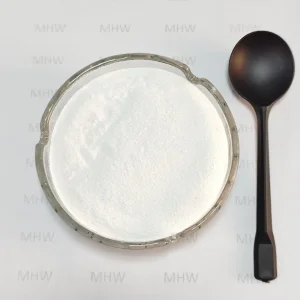
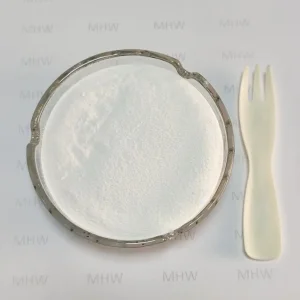
Through precise bio-fermentation controls and automated filtration, exporters provide pure, unadulterated 98% to 99% assay powders. This high concentration is essential for sensitive formulations like ophthalmic lubricants, medical dermal fillers, and premium anti-aging creams.
Strict control of protein residue, heavy metals, and nucleic acids protects sensitive skin from irritation.
Standardized batch fermentation maintains exact molecular distribution across large-scale commercial volumes.
How modern formulation practices, sustainable sourcing, and clean beauty requirements shape the evolution of Sodium Hyaluronate.
Historically, hyaluronic acid was extracted from rooster combs. Modern regulatory frameworks and consumer demand for vegan-friendly options have shifted production exclusively to microbial fermentation. Using non-animal sources minimizes allergen risks and aligns with clean beauty certifications worldwide.
Cosmetic brands are moving away from single-molecular-weight ingredients. Complex formulations now require a 4D Sodium Hyaluronate Matrix, combining varied molecular weights to target different layers of the skin simultaneously. This strategy supports deep hydration, surface protection, and elasticity.
The "beauty from within" movement has increased the demand for oral-grade Sodium Hyaluronate. Ingesting food-grade HA supports joint lubrication and improves skin moisture from the inside out, creating new opportunities for nutraceutical and functional food companies.
Tailored solutions meeting the needs of global cosmetics, personal care, food science, and pharmaceutical sectors.
High-purity cosmetic-grade powders (98% minimum assay) are optimized for anti-aging serums, hydrating gels, sheet masks, and barrier creams. Compatible with active ingredients like Niacinamide, Arbutin, and Vitamin C, these powders support comprehensive brightening and structural repair.
Oral-grade Sodium Hyaluronate is formulated into supplements designed to support joint health. Combining HA with Chondroitin Sulfate and Coenzyme Q10 helps maintain cartilage health, support synovial fluid viscosity, and encourage systemic tissue hydration.
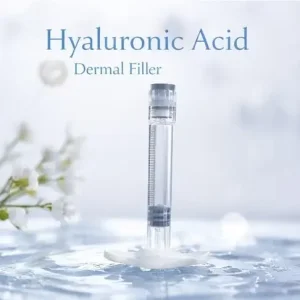
Pharmaceutical-grade HA requires extremely low endotoxin levels and high biological safety. These eye drop grade and injection-grade powders are formulated for dry-eye lubricants, contact lens solutions, and cross-linked dermal fillers.
Quality ingredients for cosmetic, pharmaceutical, and dietary supplement formulations.
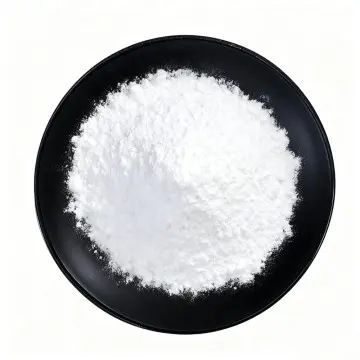
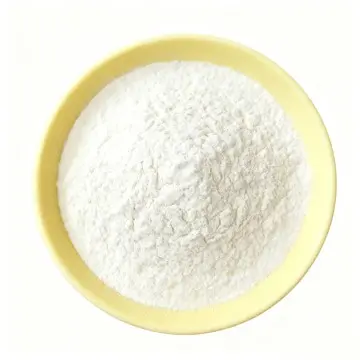
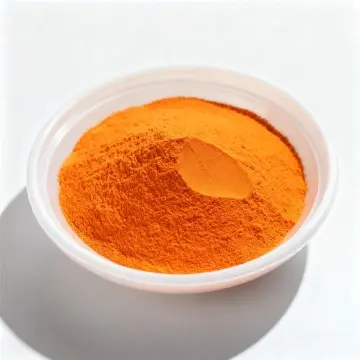
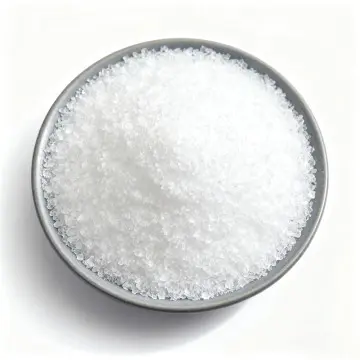
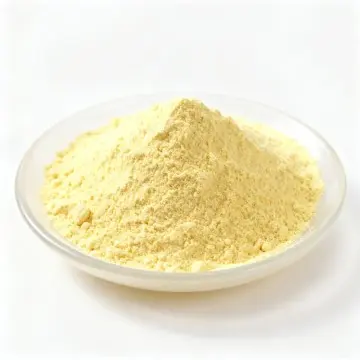
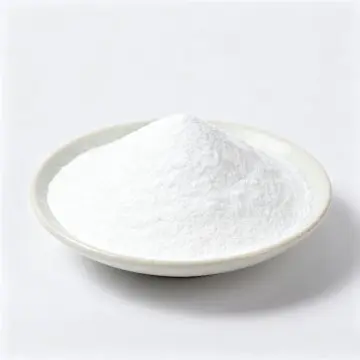
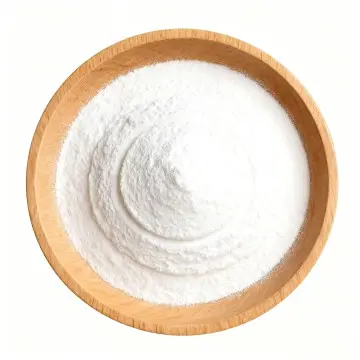
For international buyers, sourcing raw materials like Sodium Hyaluronate requires a reliable, transparent supply chain. Our operations prioritize traceability, consistent quality, and efficient logistical execution.
Every batch of Hyaluronic Acid is shipped with comprehensive technical documentation, including Certificates of Analysis (COA), Safety Data Sheets (SDS), Kosher & Halal certifications, and BSE/TSE-free declarations.
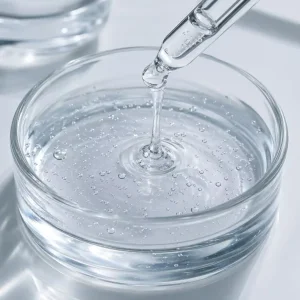
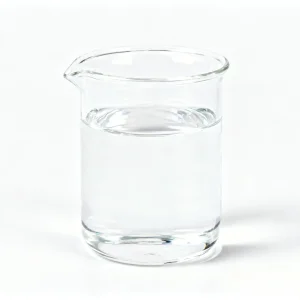
For manufacturers who prefer to skip raw powder reconstitution, we provide pre-formulated liquid concentrates, such as our stable, high-clarity 1% Sodium Hyaluronate Aqueous Solution.
We maintain quality and compliance standards across our global procurement pipeline.
Every fermentation starter batch is logged to trace glucose substrates back to their primary origins.
Strict testing checks for trace impurities, which is essential for pharmaceutical-grade applications.
Advanced screening ensures moisture levels stay under 10% and heavy metals remain below 10ppm.



Suzhou Wanfukang Chemical Co., Ltd. is an established supplier of Sodium Hyaluronate and Hyaluronic Acid. Over years of development, we have built a comprehensive portfolio to support our clients' manufacturing needs.
We export all grades of Sodium Hyaluronate—including food, cosmetic, and pharmaceutical grades. Our catalog also includes high-purity cosmetic actives, health food ingredients, and active pharmaceutical components. Our materials are widely used in cosmetics, joint health supplements, and medical devices.
Read More About Our CompanyMarket insights, trade developments, and chemical technology trends compiled by our expert analysis team.
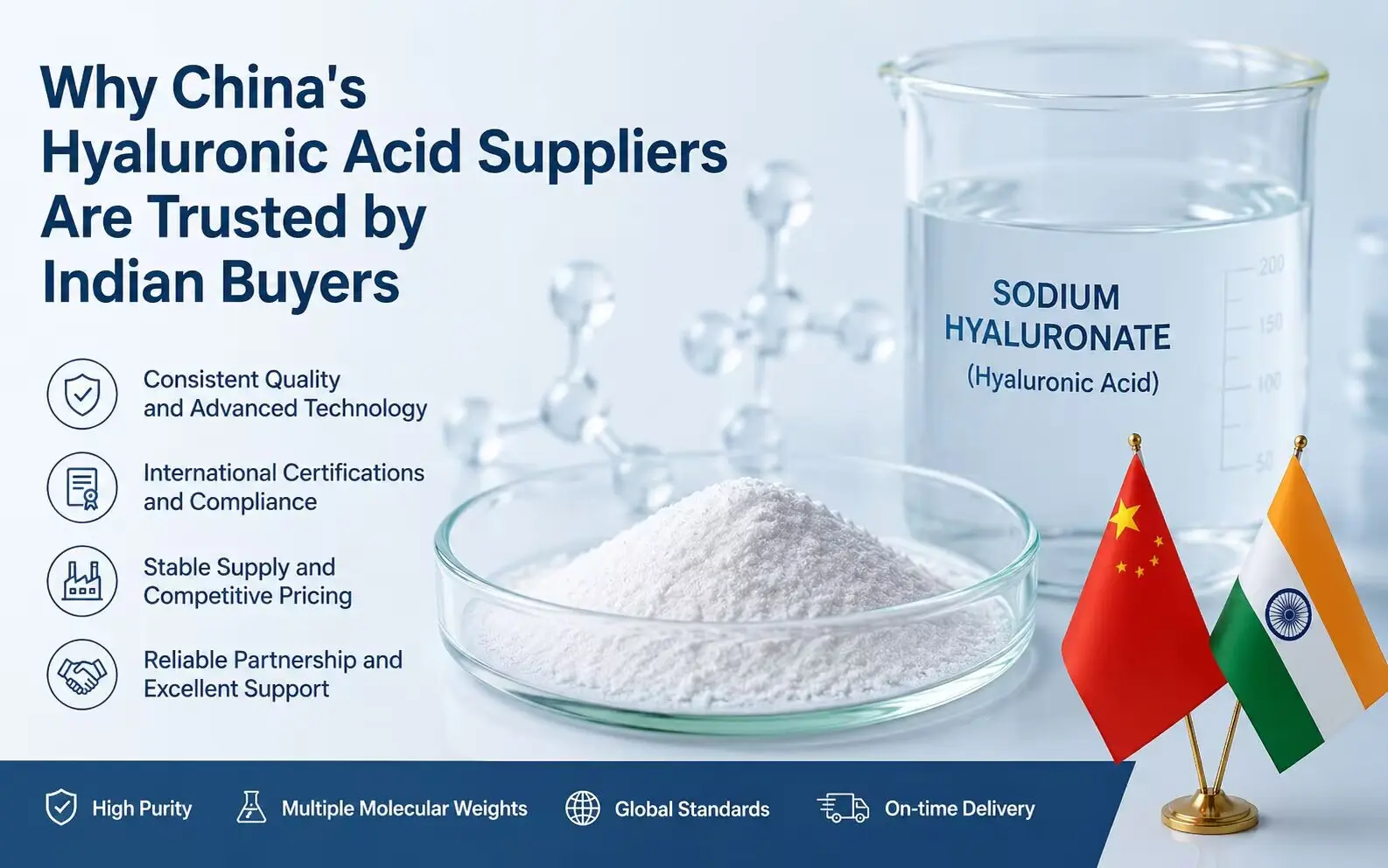
As India’s cosmetics, pharmaceutical, and health supplement industries continue to expand, demand for hyaluronic acid (HA) and sodium hyaluronate is growing. Learn how Chinese manufacturers support Indian buyers with reliable raw materials.
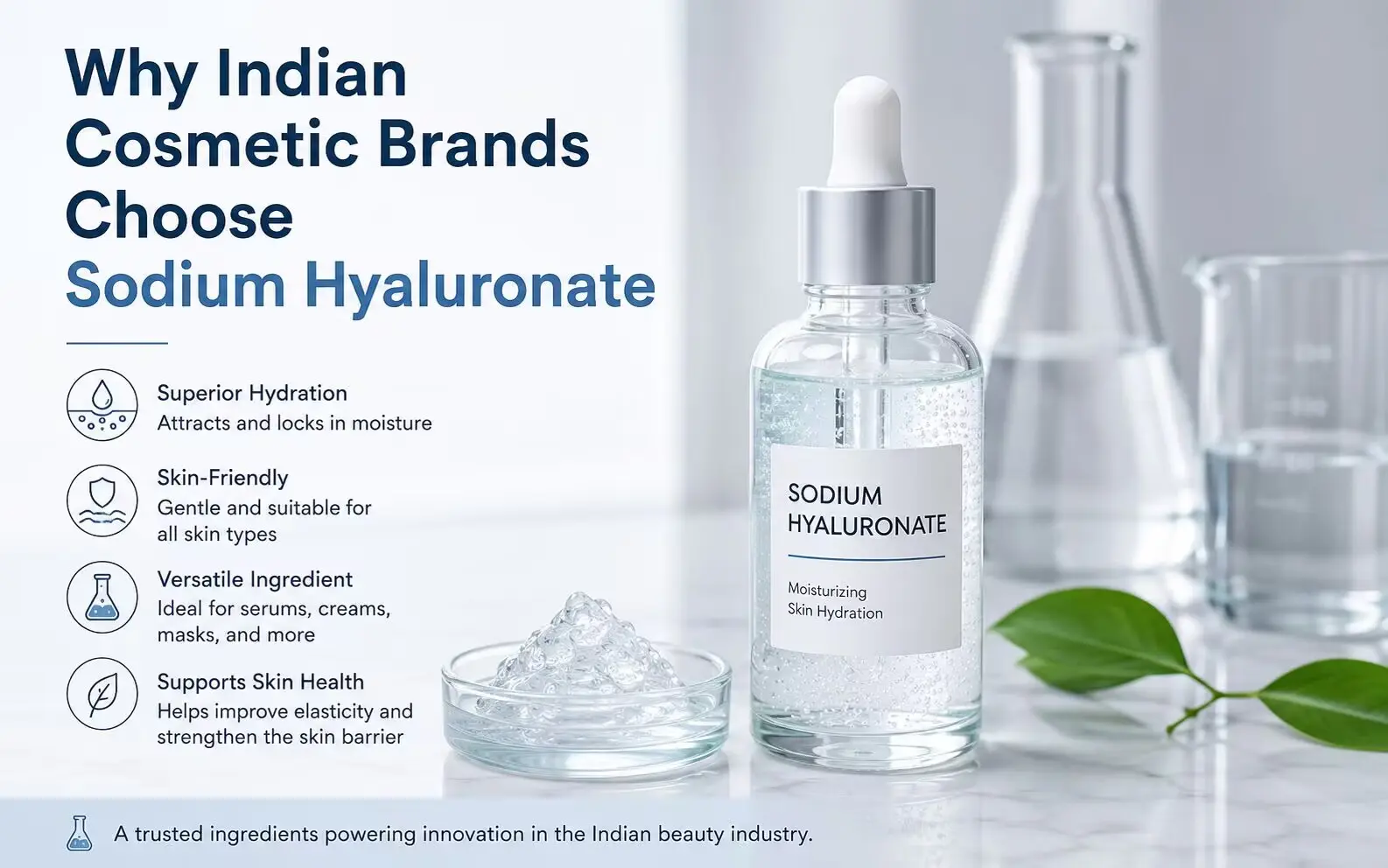
As the Indian personal care market grows, demands for safe, effective skin formulations are rising. Sodium Hyaluronate has become a go-to ingredient for moisturizers, serums, sunscreens, and color cosmetics.
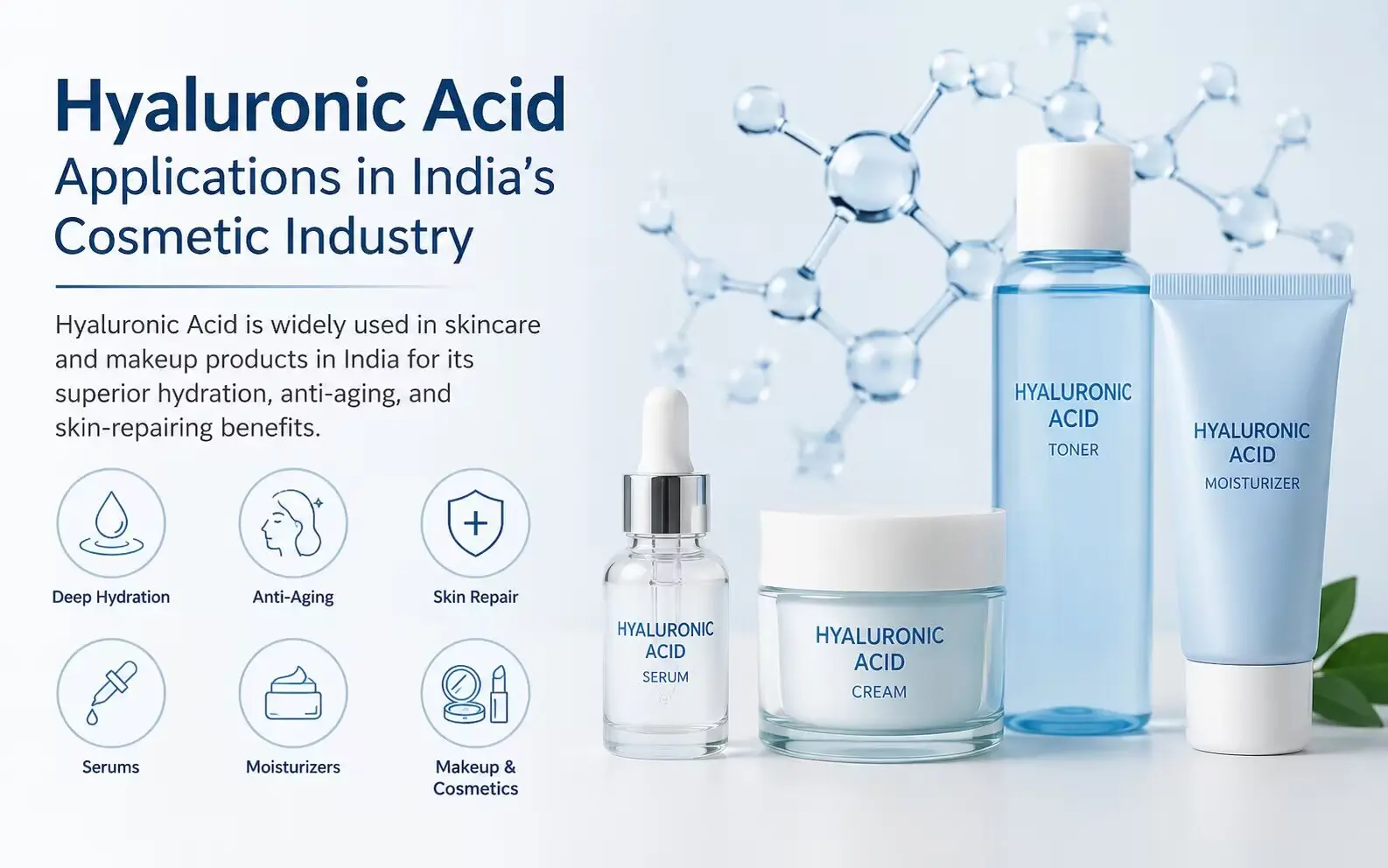
An in-depth look at how hyaluronic acid (HA) is formulated into local skin formulations, focusing on maintaining stability in hot, humid climates.
Expert answers addressing the chemical characteristics, formulation rules, and regulatory requirements of Sodium Hyaluronate.

Specialized solutions for clinical applications, dermal fillers, and liquid formulations requiring high purity.