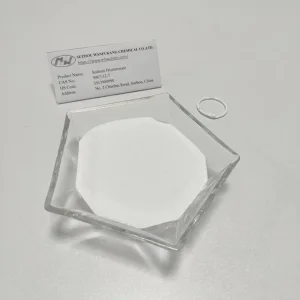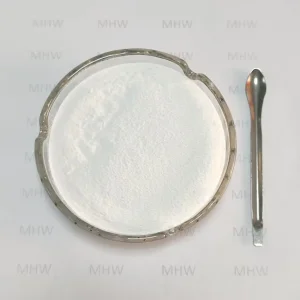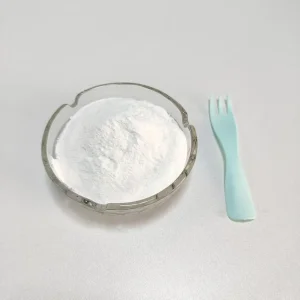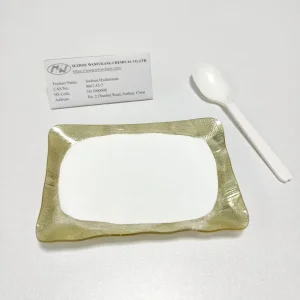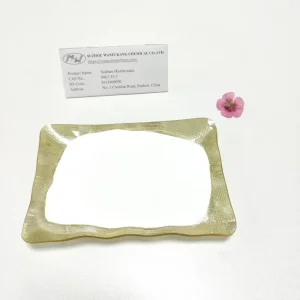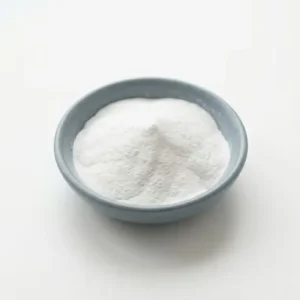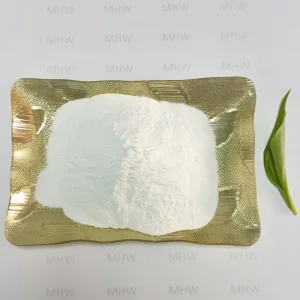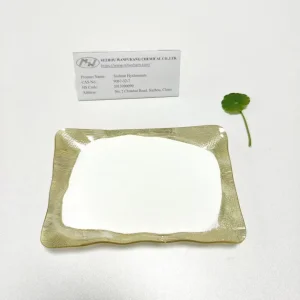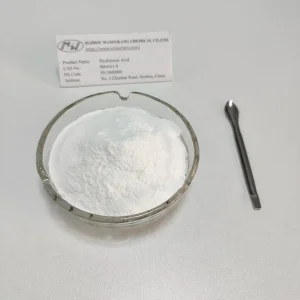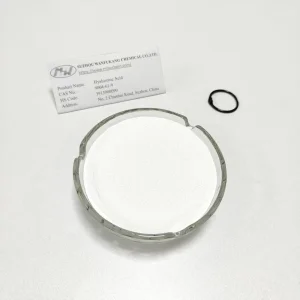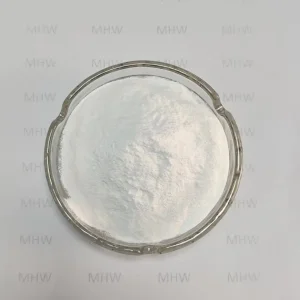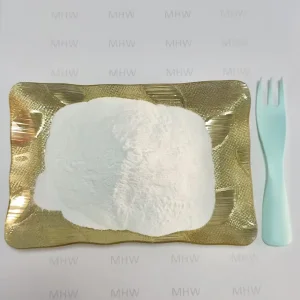
Suzhou Wanfukang Chemical Co., Ltd. represents the absolute peak of bio-tech manufacturing capabilities in China. Catering to cosmetic, nutraceutical, ophthalmic, and pharmaceutical grade standards, our modern bioreactors supply global brands with high-performance ingredients that comply with international pharmacopoeias.
Select premium raw materials manufactured via advanced microbial fermentation pathways.
An authoritative analysis of biosynthetic trends, market configurations, and chemical efficacy guidelines.
The global market for Hyaluronic Acid (HA) and its active sodium salt, Sodium Hyaluronate (CAS No. 9067-32-7), is experiencing exponential expansion. From its historical extraction origins in animal organs, the modern industry relies entirely on microbial fermentation. This bio-fermentation shift has eliminated pathogenic contamination risks, drastically lowered carbon footprints, and enabled precise control over polymer molecular weights.
Today, China represents the epicenter of this industry, manufacturing over 70% of the world's commercial supply. Top-tier factories like Suzhou Wanfukang Chemical have driven down manufacturing barriers while securing compliance with stringent medical and nutritional standards. The growth in demand is heavily pushed by dynamic localized markets across North America, Europe, and rapid-growth zones such as India and Southeast Asia. B2B raw material procurement is shifting from simple commodity sourcing to custom-molecular-weight engineering, matching active molecular configurations to precise epidermal or clinical targets.
"The therapeutic and cosmetic value of Hyaluronic Acid is dictated by its molecular mass. Control over bio-polymer chains determines whether the active ingredient behaves as a barrier film-former or a deep-penetrating cellular signaling agent."
To engineer highly effective topical cosmetics or injectable formulas, understanding the molecular weight spectrum of Sodium Hyaluronate is imperative:
High Molecular Weight (HMW) HA (>1.6 MDa): Forms a dense, breathable hydration barrier on the stratum corneum, decreasing trans-epidermal water loss (TEWL) and offering immediate plumping effects. Perfect for barrier-repair creams and clinical protective gels.
Medium Molecular Weight (MMW) HA (200 kDa - 600 kDa): Optimized molecular size to support intense long-term moisture. This range balances moisture retention and local cellular signaling, making it ideal for standard daily facial serums.
Low and Oligo-Molecular Weight HA (7 kDa - 50 kDa): Capable of deep epidermal penetration, passing through tight cellular junctions to trigger intracellular hydration cascades, optimize extracellular matrix structures, and promote endogenous HA synthesis.
The commercial trajectory of Hyaluronic Acid is shifting dynamically across regional borders:
The Indian Beauty & Wellness Revolution: India is experiencing an unprecedented boom in active, clinical-grade skincare. Local cosmetic brands are rapidly shifting to high-performing active ingredients to combat environmental stress and high temperatures. Sodium Hyaluronate is preferred due to its weightless, non-comedogenic hydration nature. Additionally, the Indian nutraceutical segment is registering massive growth in joint health supplements and ingestible beauty elixirs, importing food-grade HA to meet consumer needs.
European & North American Green Chemistry Standards: Western brands demand non-GMO, vegan-friendly, and ecologically sound manufacturing routes. Pure, microbial fermentation derivatives that bypass animal tissue usage are mandatory to achieve modern Clean Beauty and Ecocert compliance standards.
Advanced manufacturing facilities are focusing on green biosynthesized derivatives. Rather than traditional Streptococcus zooepidemicus strains, state-of-the-art facilities are engineering food-grade Bacillus subtilis and other non-pathogenic expression hosts. This reduces risk profiles, eliminates unwanted exotoxins, and yields an ultra-pure white powder that meets regulatory approvals without extensive chemical cleanup. Additionally, enzymatic degradation methods have replaced harsh chemical acid hydrolysis, allowing manufacturers to split HA polymers down to 3000 Da while preserving structural bio-activity.
Explore specialized functional ingredients developed and exported by Wanfukang Chemical.
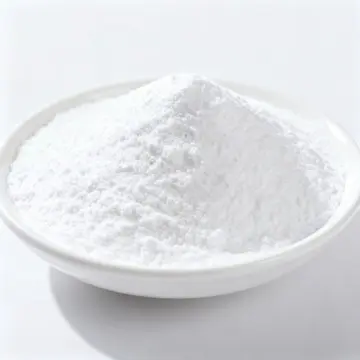
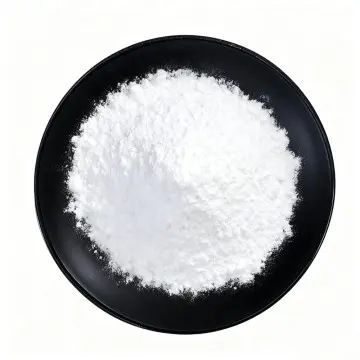
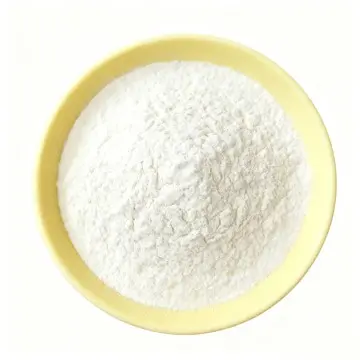
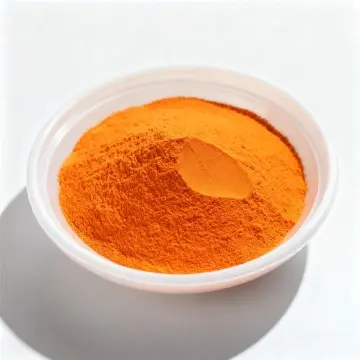
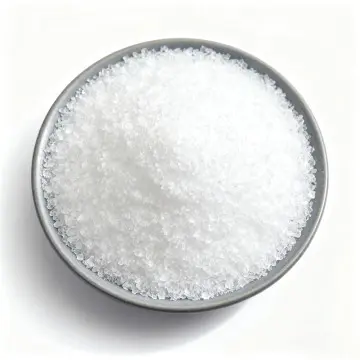
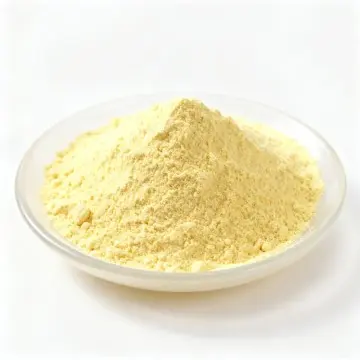
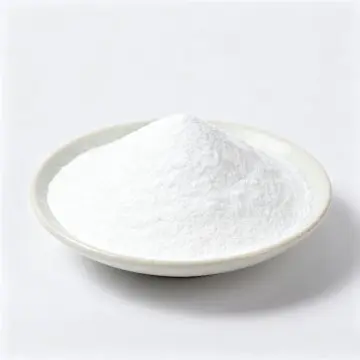
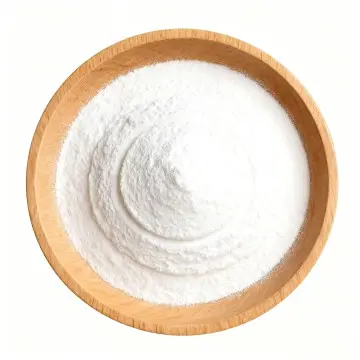
Suzhou Wanfukang Chemical Co., Ltd. has established itself as an authoritative supplier of high-grade bio-active chemicals. Specialized in microbial fermentation engineering, we service global clients requiring pharmaceutical, cosmetic, and food grade ingredients.
Through robust quality control workflows, precise logistics, and a commitment to green chemical synthesis, our product portfolio spans across various high-value raw materials, providing structural support for custom formulations.
Empowering major pharmaceutical, cosmetic, and nutraceutical brands globally.
Providing highly purified eye-drop grade Sodium Hyaluronate. Our process minimizes proteins, nucleic acids, and bacterial endotoxins to guarantee patient safety and physiological tolerance.
Advanced oral-grade hyaluronic acid engineered for gut absorption. Rebuilds internal hydration pools, boosts collagen crosslinking, and reduces deep epidermal fine lines from the inside out.
Customized multi-molecular complexes. Combining high, medium, and low molecular weights to satisfy requirements for skin barrier protection, instantaneous lifting, and deep dermal cell hydration.
Technical analyses explaining the rising global reliance on professional Chinese manufacturing partners.
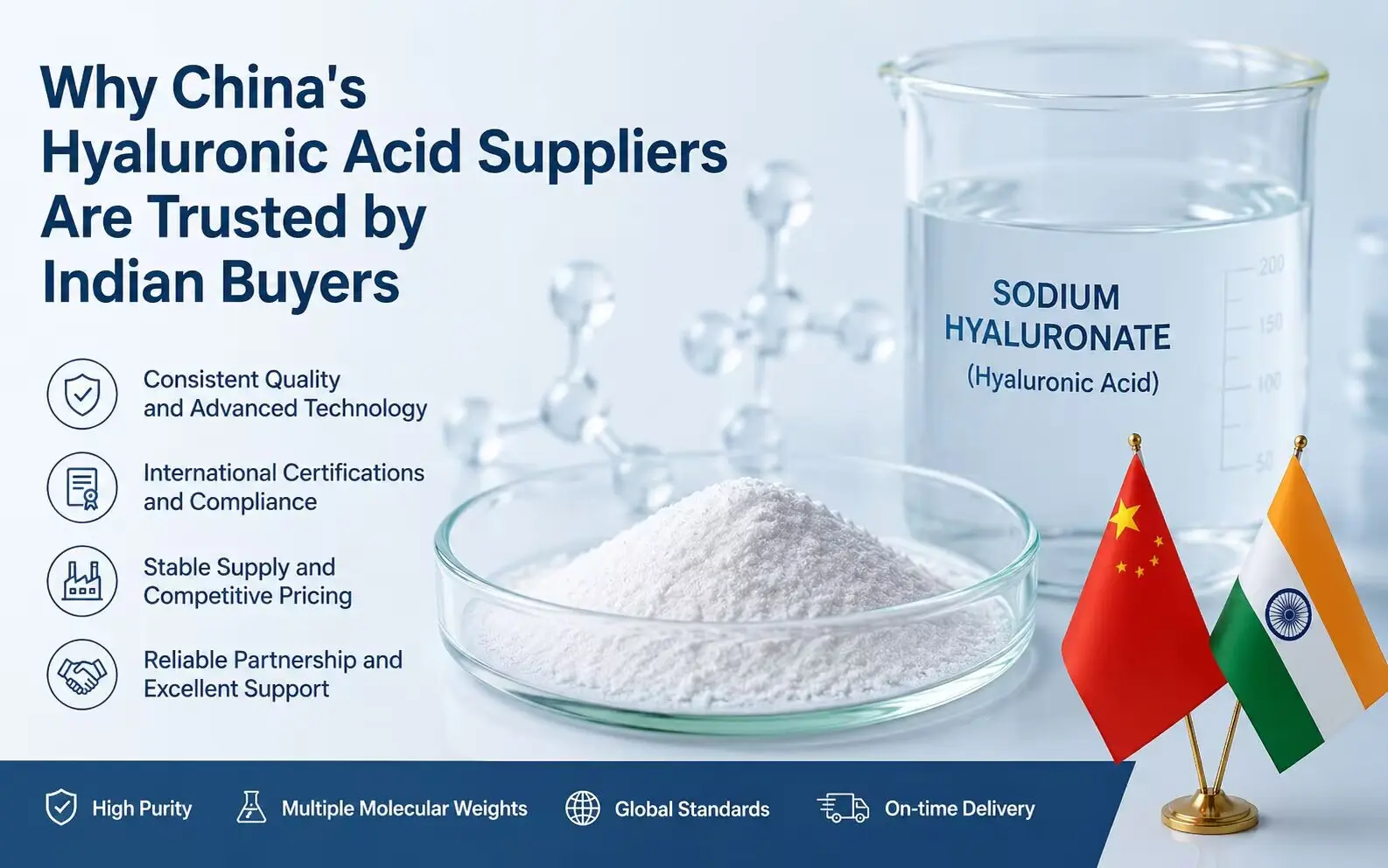
With the rapid expansion of India's cosmetics, pharmaceutical, and dietary supplement sectors, Indian buyers are solidifying partnerships with leading Chinese suppliers. Chinese manufacturers provide the perfect balance of regulatory documentation (GMP, DMF), reliable volumes, and chemical purity.
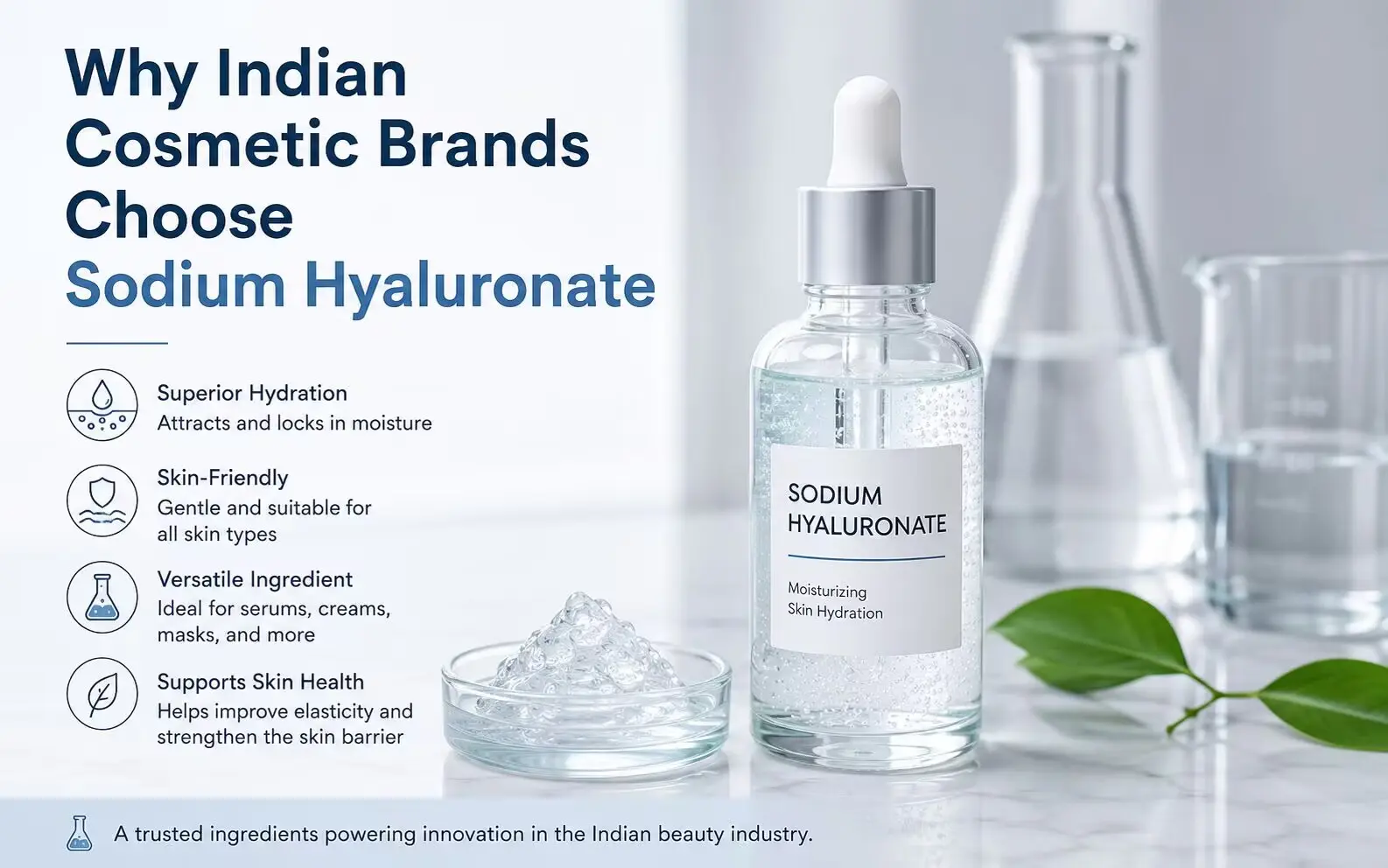
As clinical cosmetics gain traction in India, brands are developing serums, creams, and sunscreens using Sodium Hyaluronate. Its ability to supply grease-free, long-lasting moisture makes it ideal for warm, tropical environments.
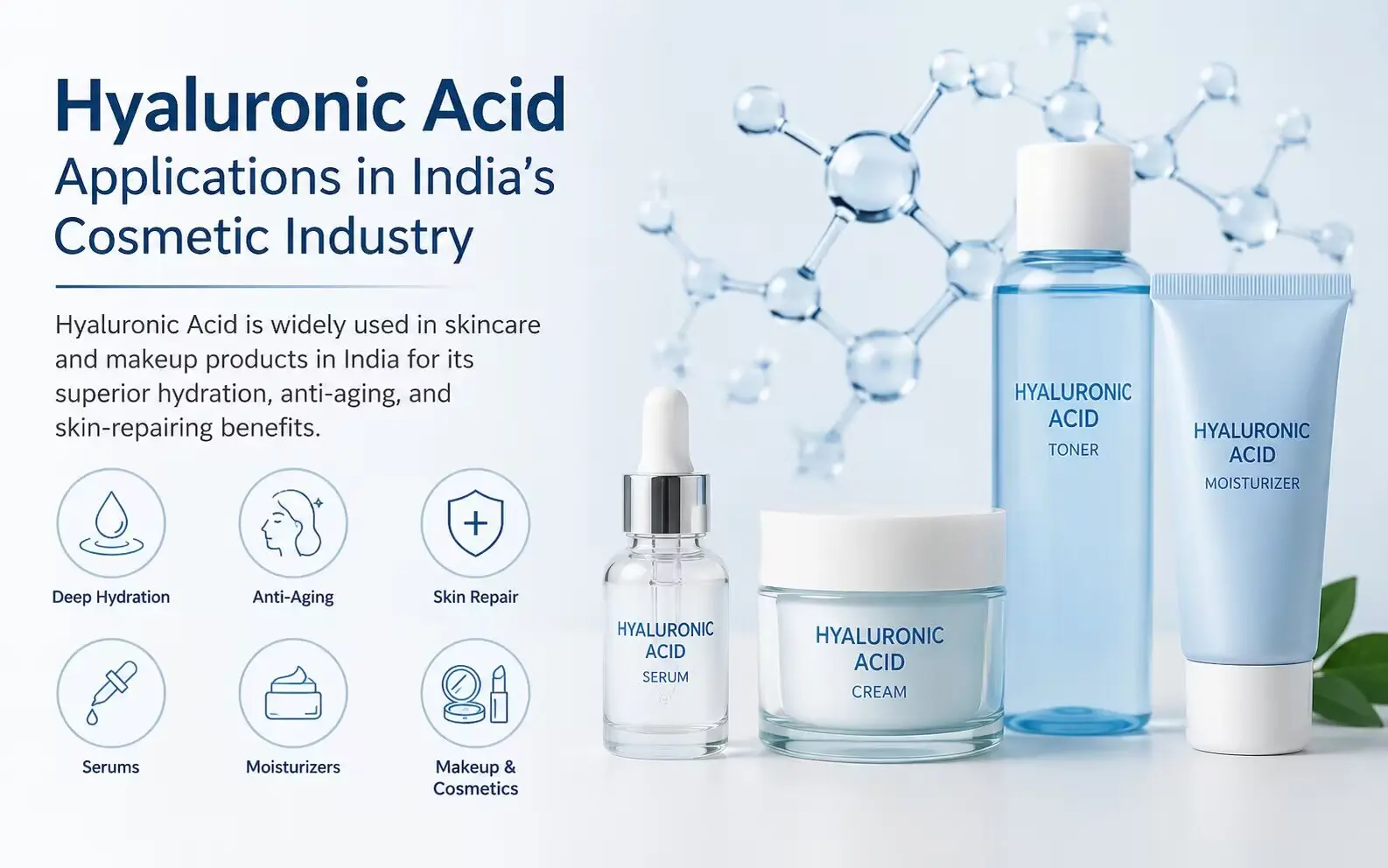
As consumers demand visible skin results, hyaluronic acid has transitioned from a premium additive to an essential base ingredient in moisturizers, chemical peels, sheet masks, and functional make-up lines across the region.
Essential knowledge for chemical engineers, pharmaceutical formulators, and corporate buyers.
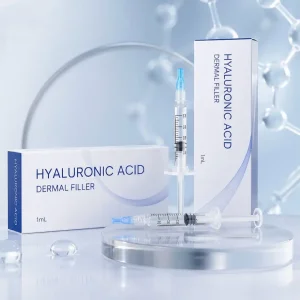
High-purity raw materials designed for injection systems, fillers, and advanced cosmetic formulations.