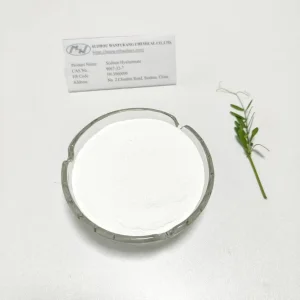
Ophthalmic, Injection, Cosmetic, and Food Grade Raw Materials Engineered to the Highest Industry Standards
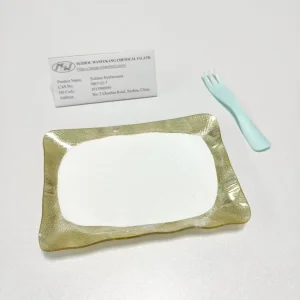
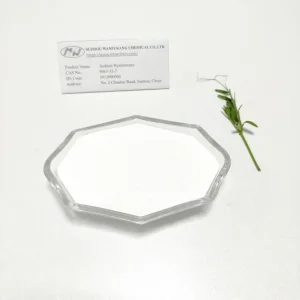
The Technological Imperative of High Molecular Weight (HMW) Sodium Hyaluronate
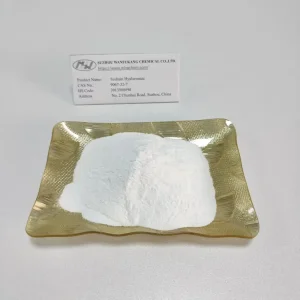
High Molecular Weight Sodium Hyaluronate (HMW-HA), typically defined by molecular weights exceeding 1.8 Million Daltons (MDa) and extending beyond 3.0 MDa, serves as a cornerstone polymer in advanced physiological, cosmetic, and medical formulations. Structurally composed of repeating disaccharide units of D-glucuronic acid and N-acetyl-D-glucosamine linked by beta-1,3 and beta-1,4 glycosidic bonds, this biomacromolecule possesses unique rheological properties, superior viscoelasticity, and phenomenal water retention capacity. On a cellular level, HMW-HA forms an intricate, non-occlusive moisture barrier, supporting structural cell integrity while providing targeted tissue lubrication.
From a global procurement perspective, the demand for high molecular weight structures is skyrocketing. Large-scale enterprise buyers in North America, Europe, and Asia-Pacific are increasingly moving away from synthetic polymers, seeking high-purity, bio-fermented sodium hyaluronate. The global market is expanding rapidly due to rising applications in ophthalmic viscoelastic devices (OVDs), intra-articular injections for osteoarthritis, and premium, dermatologically verified cosmetic formulations. B2B procurement professionals must navigate not only the structural and purity profiles of these ingredients but also the regulatory landscapes governing global supply chains.
HMW-HA exhibit highly pseudoplastic (shear-thinning) fluid dynamics. Under high shear rates (e.g., blinking or injection), viscosity drops dramatically, facilitating frictionless movement; under low shear, it recovers instantly, providing cushioning protection.
Due to its vast polymeric structure, it forms a cohesive molecular network that traps up to 1,000 times its dry weight in water, outperforming low molecular weight fragments in forming protective biological films.
Manufactured via non-animal microbial fermentation (specifically utilizing non-hemolytic strains of Streptococcus zooepidemicus or engineered Bacillus subtilis), eliminating risk of transmissible spongiform encephalopathies (TSE).
From Precise Fermentation to Ultrapure Isolation Processes
The manufacturing process of High Molecular Weight Sodium Hyaluronate dictates its performance in final formulations. At the industrial level, production relies on precision-controlled microbial fermentation. The raw substrate is cultivated in complex carbon-nitrogen broths, where agitation, temperature, pH, and dissolved oxygen (DO) levels are dynamically regulated. Achieving high molecular weights requires optimal nutrient feeding profiles during the late exponential growth phase, preventing shear degradation of the lengthening polymer chains.
Downstream processing forms the core differentiator of top-tier manufacturers. To produce medical-grade and ophthalmic-grade HA, crude fermentation broths undergo step-by-step alcohol precipitation, multi-stage membrane filtration (ultrafiltration), and active charcoal treatment to eliminate bacterial endotoxins, nucleic acids, and residual proteins. High-end filtration technologies ensure a narrow polydispersity index (PDI), guaranteeing that the molecular weight distribution matches the intended B2B formulation parameters.


For cosmetic formulations, purity affects the long-term stability and color of emulsions. Higher purity prevents yellowing and prevents unwanted interactions with emulsifiers. For injectable medical devices, endotoxin levels must be kept exceptionally low (often below 0.05 IU/mg) to prevent inflammatory responses (pyrogenicity). Meeting these stringent limits requires highly optimized cleanrooms and standardized sanitation cycles (CIP/SIP) that comply with EP (European Pharmacopoeia) and USP (United States Pharmacopeia) specifications.
Explore Suzhou Wanfukang Chemical Co., Ltd's Comprehensive Specialized Functional Portfolio


Addressing Critical Pain Points in High Molecular Weight Hyaluronic Acid Supply Chains
For corporate purchasing directors in the pharmaceutical, dermaceutical, and nutraceutical industries, sourcing High Molecular Weight Sodium Hyaluronate requires managing specific risk profiles. The primary concern is lot-to-lot consistency. Variation in molecular weight affects the viscosity of aqueous systems, changing how topical gels, dermal fillers, and joint-health supplements behave. A reliable manufacturer must implement tight controls over polymer distribution, verified by Size Exclusion Chromatography (SEC-MALLS).
Another major challenge in bulk procurement is ensuring microbiological purity and avoiding heavy metal contamination. HMW-HA's long chain configuration creates a highly viscous environment that can harbor micro-contaminants if not filtered correctly. In response to these concerns, manufacturers are adopting chemical-free sterilization and low-temperature aseptic crystallization. These methods maintain structural integrity while meeting global pharmacopoeial standards, protecting formulations from degradation.
Additionally, modern supply chains require strong proof of sustainability and ethical sourcing. Global brands in regions like Europe and North America require non-animal certifications, Halal compliance, and non-GMO verification. Moving toward clean labels means suppliers must provide complete transparency regarding their raw materials, fermentation media, and carbon footprint during production. Establishing these parameters beforehand streamlines customs clearance and speeds up product launches in highly regulated markets.



Suzhou Wanfukang Chemical Co., Ltd. has established itself as a professional global supplier of premium-grade Sodium Hyaluronate and Hyaluronic Acid raw materials. Our commitment to scientific research and industrial scaling allows us to service critical global demands across multiple regulatory tiers.
As an industry leader, we provide customized molecular weights for cosmetic, food, and pharmaceutical applications. With an integrated global logistics framework, our high-purity components power joint-health formulations, contact lens lubricants, clinical-grade injectables, and cosmetic products worldwide.
Connect With Our SpecialistsEmpowering Brands with Localized Regulatory Support and Tailored Formulations
Global markets require customized solutions that account for regional regulatory differences and changing consumer expectations. For instance, in the Indian cosmetics sector, manufacturers are increasingly using high molecular weight sodium hyaluronate to formulate products tailored for high-humidity climates. In these environments, HMW-HA forms a breathable protective barrier that controls trans-epidermal water loss (TEWL) without feeling heavy or sticky. This trend is driven by rising demand for clean-label, dermaceutical products among consumers in the region.
To support this growth, suppliers must provide comprehensive regulatory assistance, including DMF (Drug Master File) filings, Halal certifications, and allergen analysis reports. By matching our production parameters with regional standards (like those set by India's CDSCO or the EU's ECHA), we help brands simplify their registration processes. This localization strategy ensures smooth logistics, stable supply chains, and reliable product performance across different regions.
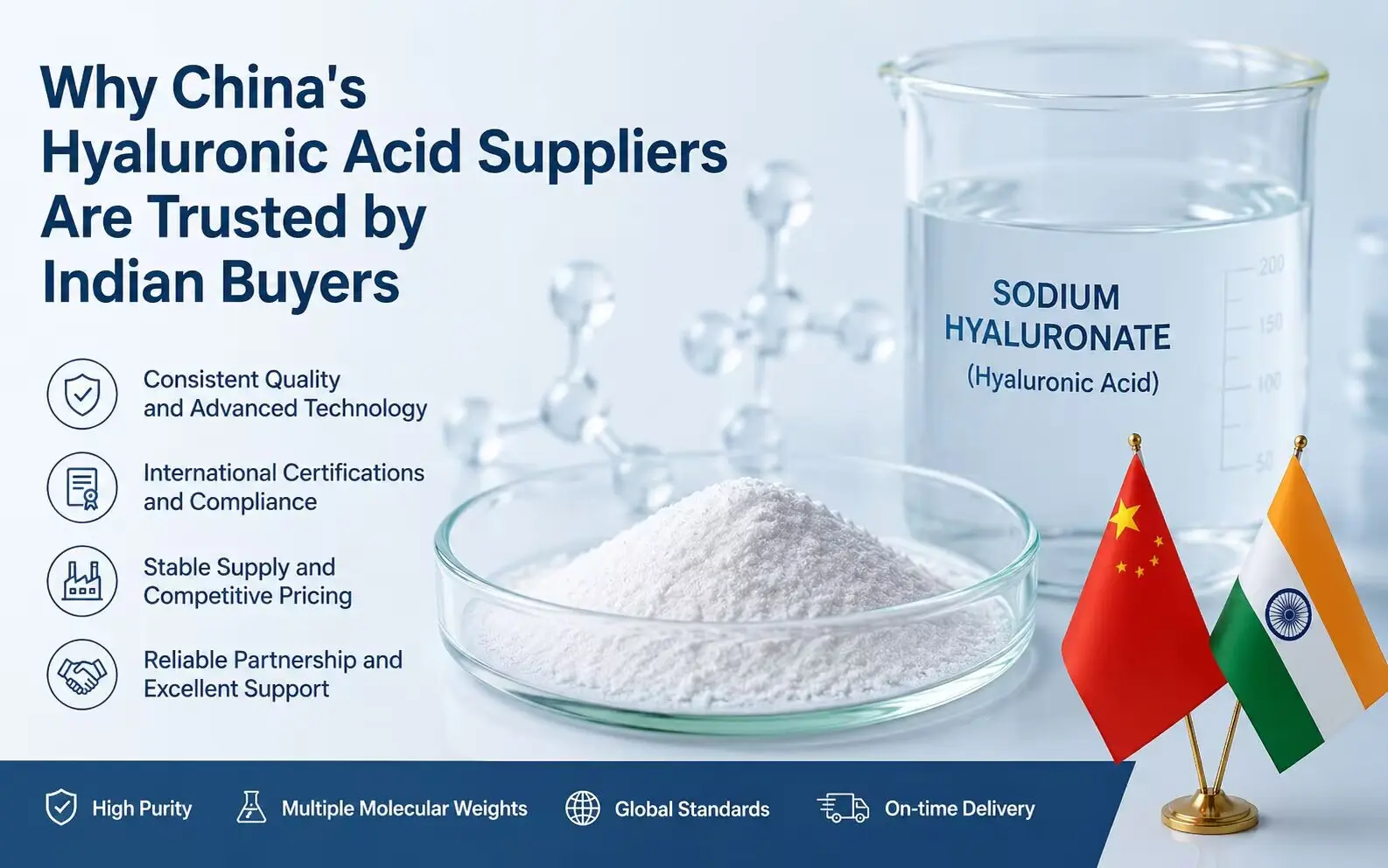
With the rapid development of India's cosmetics, pharmaceutical, and health product sectors, demand for hyaluronic acid (HA) continues to rise. Chinese suppliers are trusted partners due to their consistent batch quality, regulatory compliance, and cost-effective production processes.
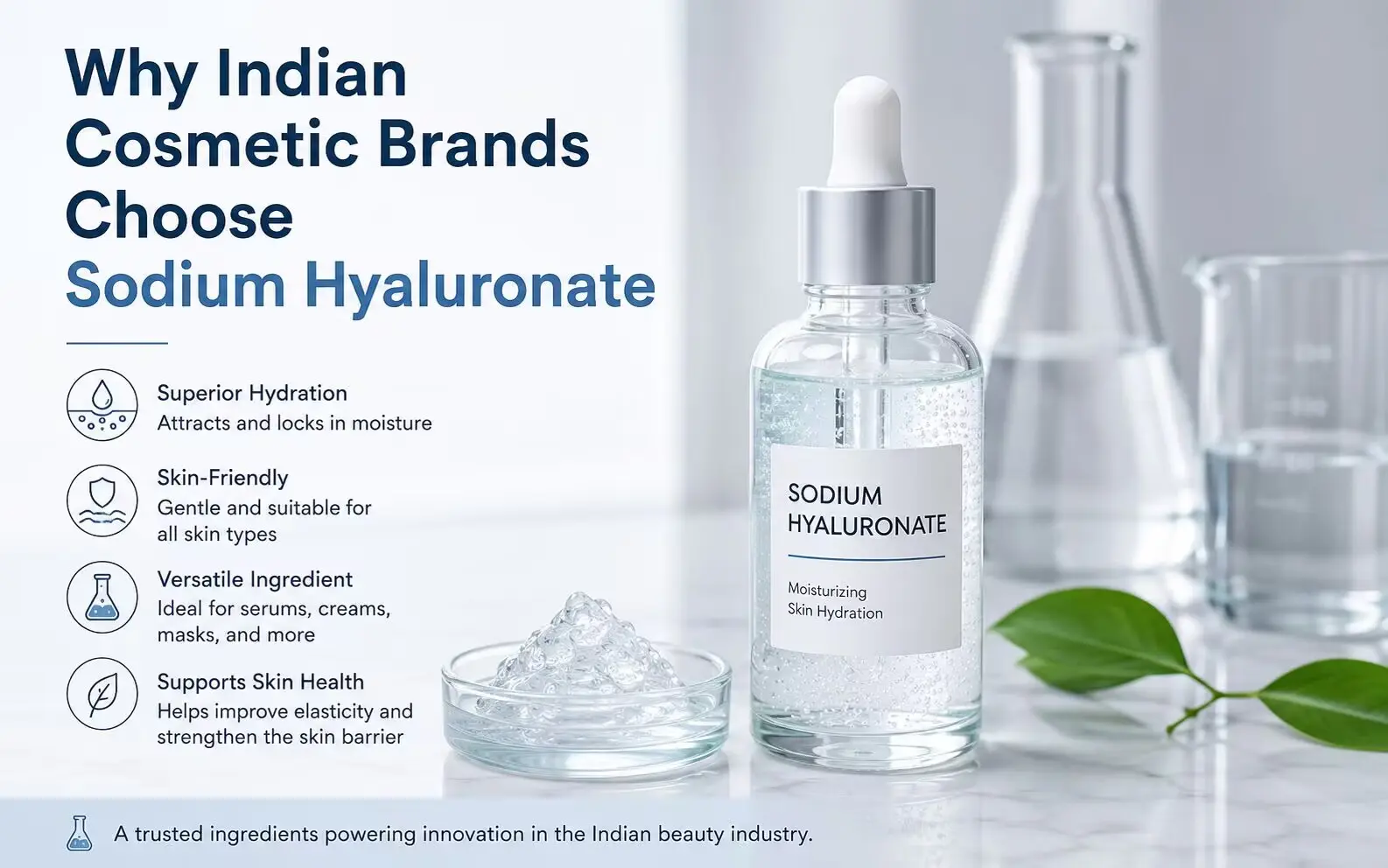
As consumer demand for high-performance skincare grows, Indian cosmetic brands are incorporating sodium hyaluronate into serums, creams, and makeup. It provides deep, lasting hydration and supports the skin barrier in diverse environmental conditions.
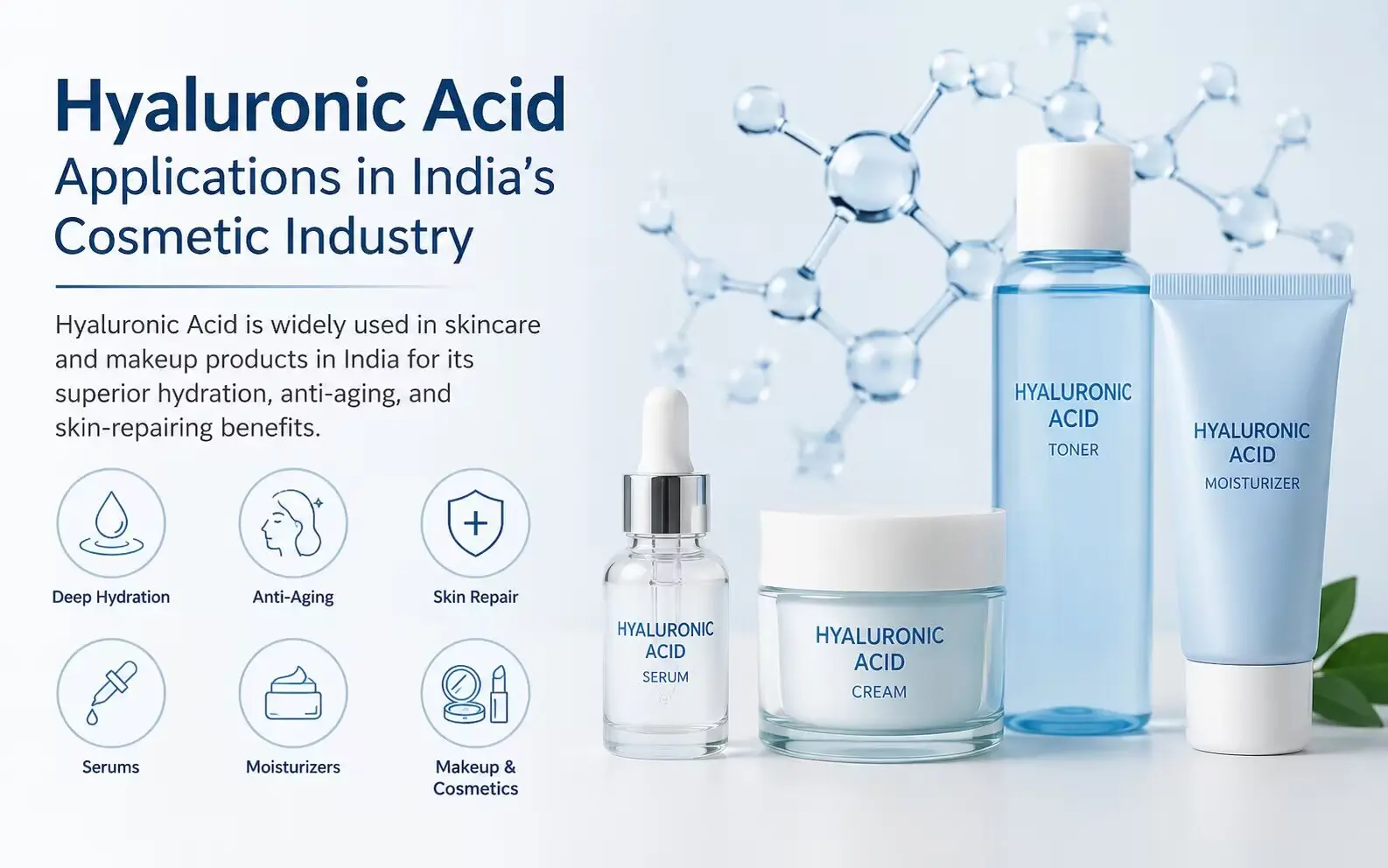
Hyaluronic acid has become a key functional ingredient in India's beauty market. Brands rely on various molecular weights to create targeted formulations, from deep-penetrating low molecular weight serums to protective high molecular weight creams.
Emerging Horizons in Cross-linked Polymers and Enzymatic Synthesis Technologies
The field of hyaluronic acid technology is moving toward advanced polymer cross-linking and green chemistry. While traditional microbial fermentation remains the standard, enzymatic cell-free synthesis is emerging as a promising alternative. This method offers precise control over molecular weight, reducing polydispersity and eliminating cell debris. As a result, it simplifies purification, lowers energy use, and meets the growing demand for sustainable ingredients.
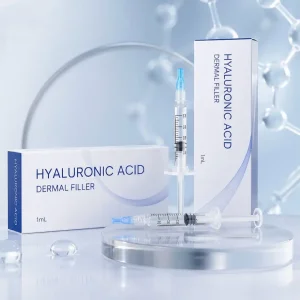
Another key development is the use of chemical cross-linking (using cross-linkers like BDDE or genipin) to modify the degradation rate of High Molecular Weight Sodium Hyaluronate. This process converts the linear polymer into a stable, three-dimensional hydrogel, which is essential for long-lasting dermal fillers and sustained-release drug delivery systems. Additionally, combining HMW-HA with low molecular weight fragments allows formulators to target different skin layers, creating multi-functional products that deliver both instant surface hydration and deeper tissue benefits.
Demand-proven materials selected by top global formulation brands

Common questions from chemical formulators, quality assurance teams, and B2B buyers
Supporting trusted supply chains with international logistics and distribution partners


Preserving raw materials with complete certification documentation for specialized industries