Providing high-purity raw materials and customized supply chain services for globally recognized pharmaceutical, cosmetic, and food brands.
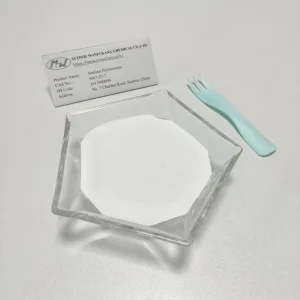
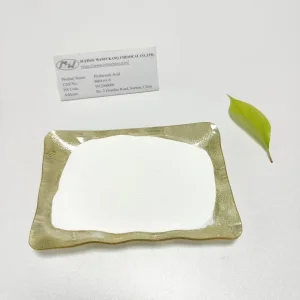
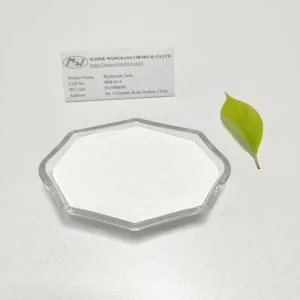
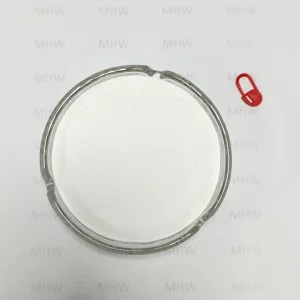
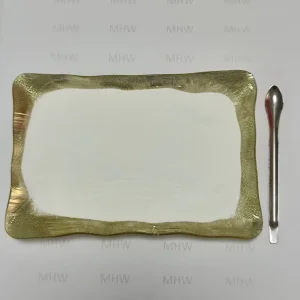
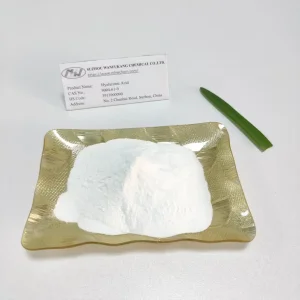
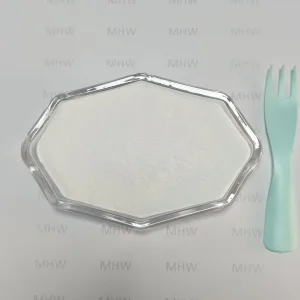
The combination of Hyaluronic Acid (HA) and Niacinamide (Vitamin B3) has emerged as a cornerstone in modern cosmeceutical formulation. The biological efficacy relies on a multi-layer synergistic mechanism targeting distinct physiological pathways of the epidermal layer.
Hyaluronic acid, a glycosaminoglycan with high water-binding capacity, retains moisture in the extracellular matrix. Niacinamide accelerates ceramide and keratin synthesis, reinforcing the lipid barrier. Combined, they yield optimal skin hydration and enhanced barrier protection.
Our formulation services combine High Molecular Weight HA (for surface hydration and barrier protection) with low molecular weight Oligo-HA (which penetrates deeper epidermal layers) to optimize skin absorption.
Niacinamide requires a stable pH range (5.5 to 6.5) to avoid hydrolysis into nicotinic acid, which can cause skin irritation. Our quality management systems ensure batch-to-batch consistency and pH control.
Clinical data supports the combination of these active ingredients for targeted skin benefits. Integrating Niacinamide helps control hyperpigmentation, regulate sebum production, and reduce inflammation, while Hyaluronic Acid maintains osmotic balance within the skin.
B2B cosmetic brands use these raw materials to formulate high-performance serums. With the rising global demand for clinical-grade skincare products, sourcing high-assay raw materials from certified manufacturing facilities is critical to brand success.
Our raw materials comply with international standards, ensuring heavy metal limits of less than 10 ppm and minimal bioburden. This meets strict B2B compliance checks globally.
This formulation serves as a stable base for integrating other active ingredients, including Vitamin C, Arbutin, and Peptide complexes, without compromising structural stability.
Global cosmetic and pharmaceutical brands require supply chain transparency, batch-to-batch reliability, and strict compliance with international regulatory bodies. There is a growing shift toward vegan-certified, non-animal-derived materials, which has driven bio-fermentation methods to replace traditional extraction techniques.
Sourcing teams are focusing on reducing lead times, optimizing logistics costs, and ensuring regulatory compliance across target regions, including REACH in the EU, FDA requirements in the United States, and CDSCO compliance in India.
Suzhou Wanfukang Chemical Co., Ltd. implements Factory 4.0 protocols, combining bio-fermentation processes with automated manufacturing systems. This integrated setup ensures consistent quality and production efficiency.
Our facility features online monitoring for temperature, pH, and dissolved oxygen, which helps control molecular weight parameters. Automated refining processes ensure high purity, helping partners maintain consistent quality in their formulations.
We perform Gel Permeation Chromatography (GPC) testing on every batch of Hyaluronic Acid to verify its molecular weight distribution, matching our clients' custom specifications.
Our bio-fermentation capacity meets high-volume procurement demands, helping global consumer brands manage raw material costs during market growth.
We provide full documentation, including COA, MSDS, Kosher, Halal, and vegan declarations, to ensure smooth customs clearance and import compliance.
Suzhou Wanfukang Chemical Co., Ltd. specializes in the development and export of high-grade cosmetic, food, and functional ingredients.
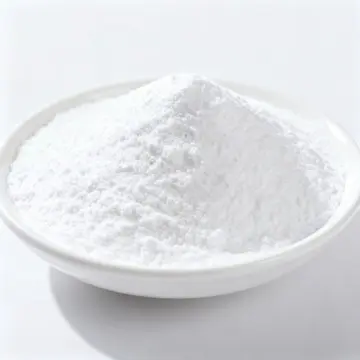
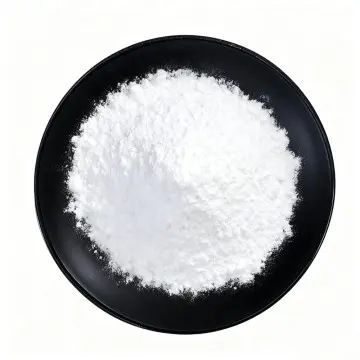
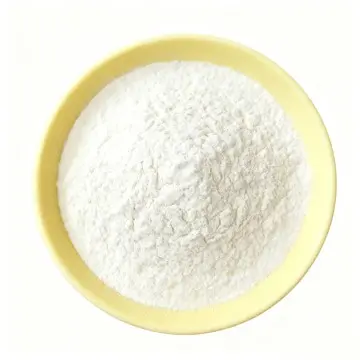
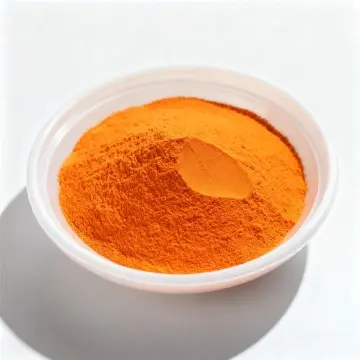
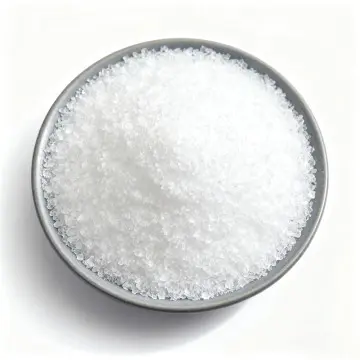
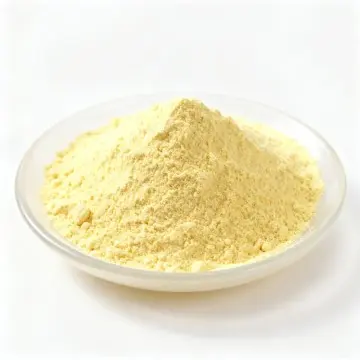
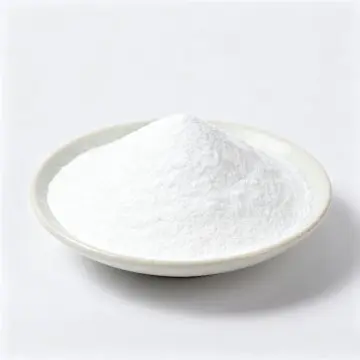
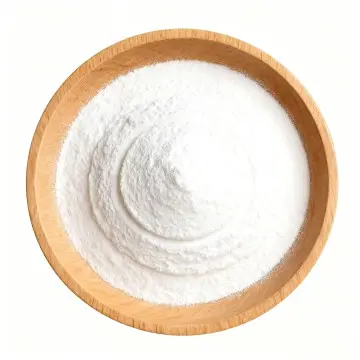
Market-proven active raw materials optimized for direct pharmaceutical formulations and clean label dietary supplements.

Suzhou Wanfukang Chemical Co., Ltd. has established itself as a professional supplier of Sodium Hyaluronate and Hyaluronic Acid over years of dedication to technical innovation. We provide multiple grades of Sodium Hyaluronate, including food, cosmetic, and pharmaceutical grades.
Our product range has expanded to include cosmetic ingredients, health food raw materials, and pharmaceutical ingredients. Many of our products are widely used in cosmetics, joint health supplements, and medical applications.
By using advanced bio-fermentation methods, we support global cosmetic brands and pharmaceutical companies in formulating stable, high-performance skincare and health products.
Adapting chemical formulations to match environmental conditions and regulatory requirements of diverse target markets.
Skincare needs vary significantly depending on local climates. For example, formulations designed for cold, dry regions require high-molecular-weight Hyaluronic Acid to create a surface film that limits moisture loss.
In contrast, hot and humid environments, such as Southeast Asia or coastal regions of India, benefit from lightweight formulations. These require low-molecular-weight Oligo-HA combined with Niacinamide to manage sebum production and skin tone without clogging pores.
We work with brand formulation teams to adjust raw material ratios, ensuring product stability and efficacy across different markets.
Our raw materials support active, clean-beauty claims, meeting the regulatory standards of both the US FDA and Health Canada.
We supply vegan, non-animal derived ingredients that comply with EU Cosmetics Regulation (EC) No 1223/2009 and ECOCERT standards.
Our high-purity Niacinamide and Arbutin are designed for stable, multi-layer brightening products popular in APAC skincare routines.
Market trends and regulatory updates in the global chemical and cosmetics industries.
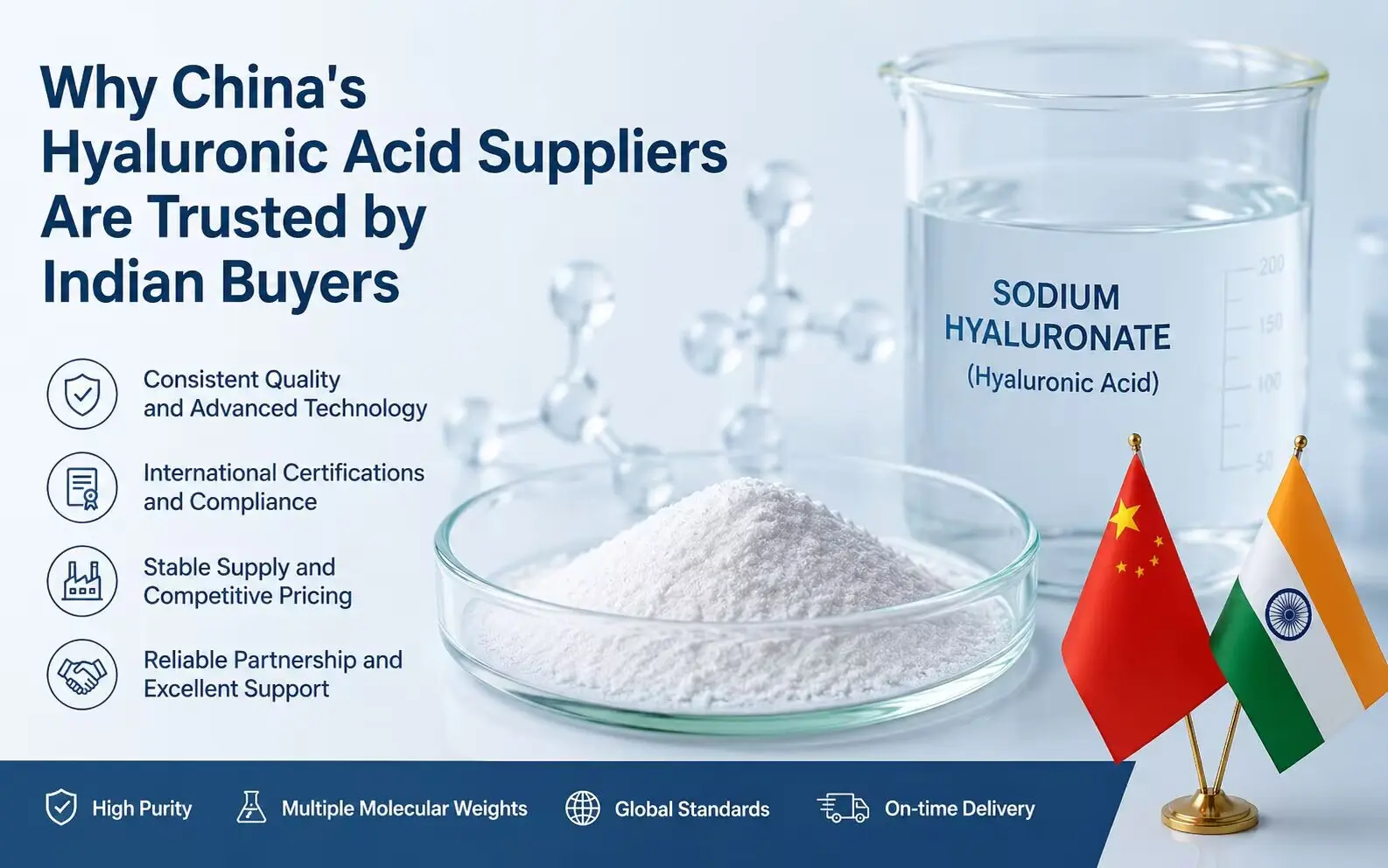
Indian cosmetics, pharmaceutical, and health product brands are increasingly sourcing Hyaluronic Acid (HA) from Chinese suppliers. This trust is built on reliable bio-fermentation standards, stable pricing, and consistency across production batches.
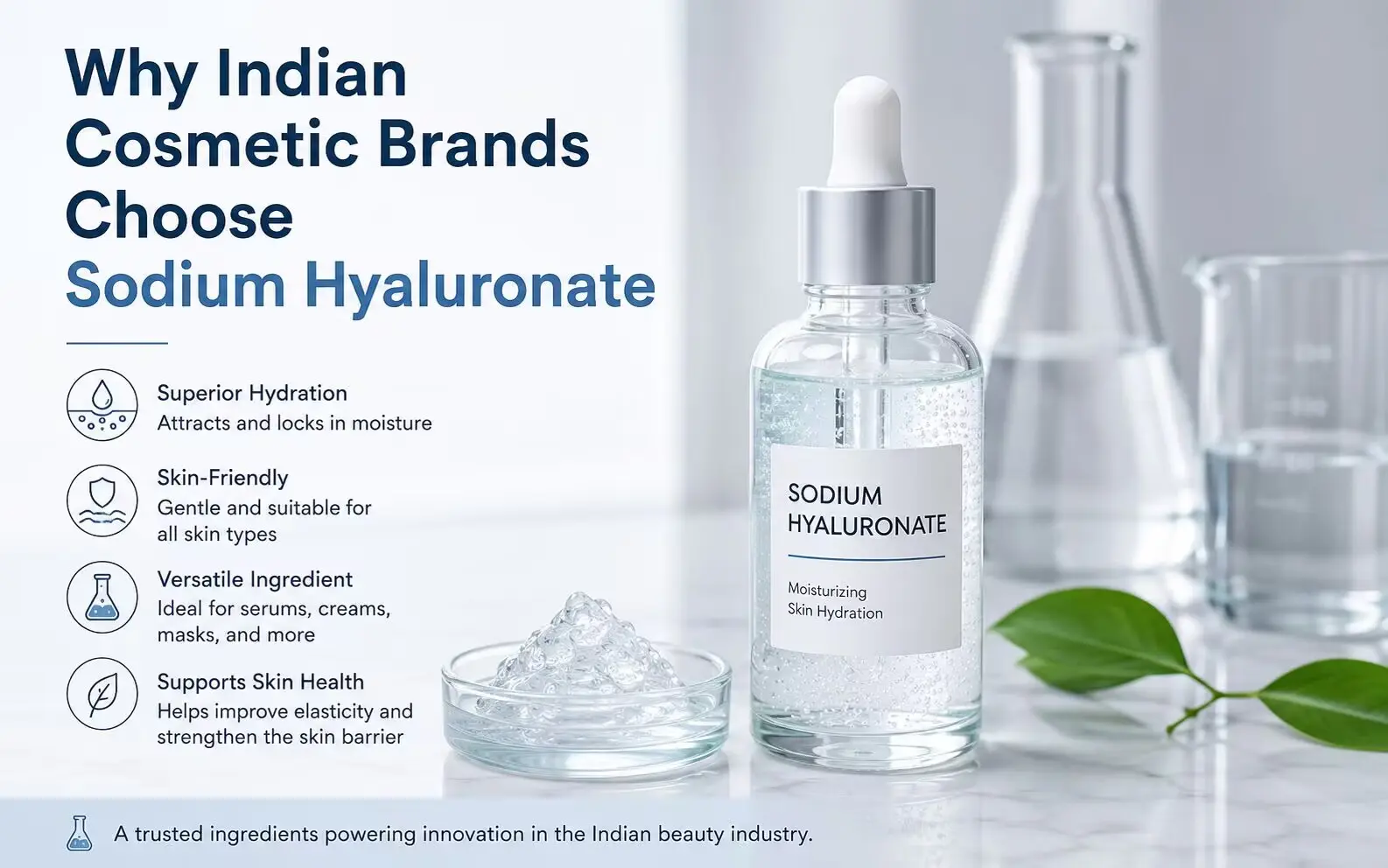
With the growth of the beauty and personal care market in India, brands are focusing on functional ingredients. Sodium Hyaluronate is widely chosen for its compatibility in serums, lightweight creams, and daily hydration products.
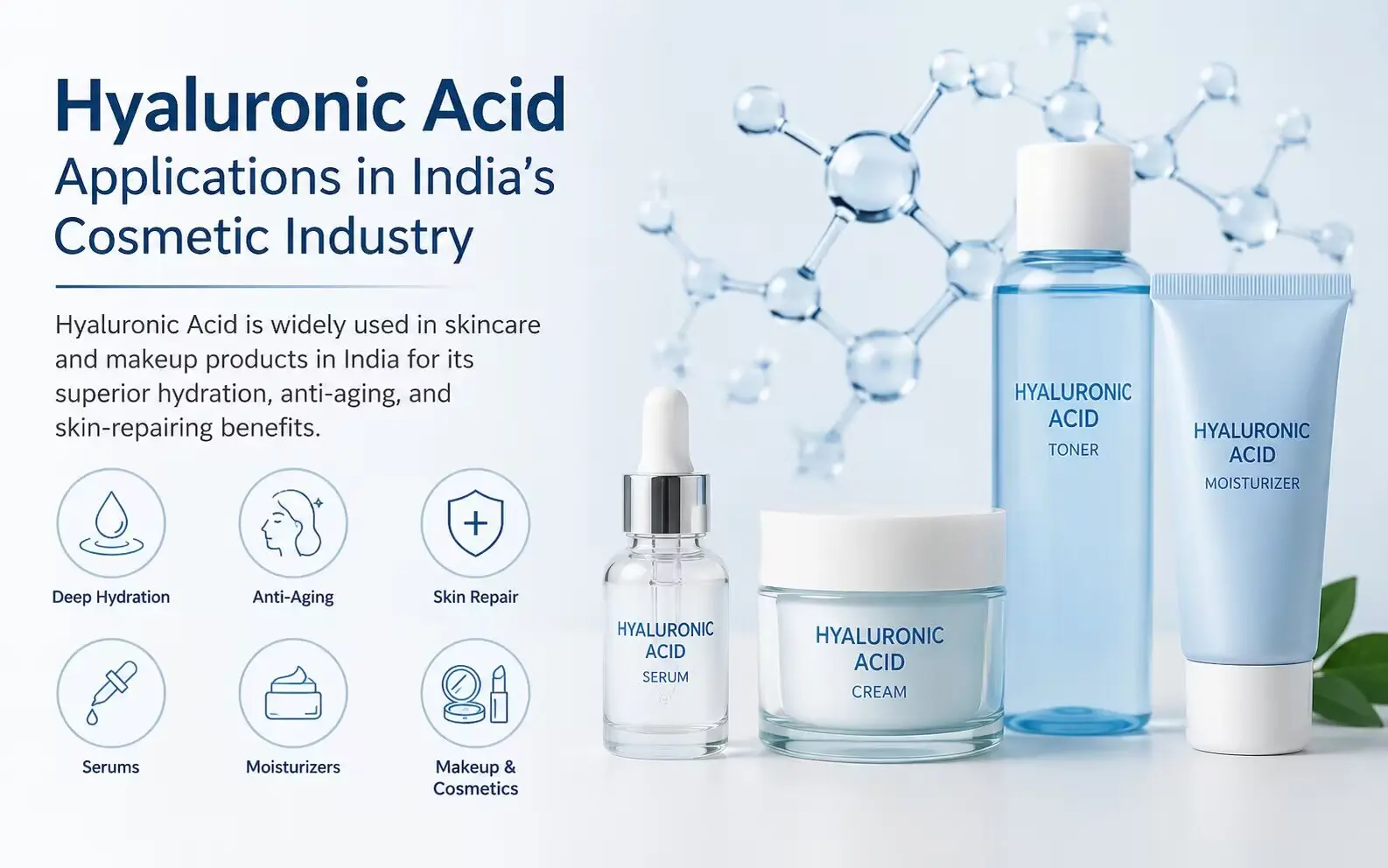
From multi-weight hydration serums to daily moisturizers, cosmetic formulators use bio-fermented Hyaluronic Acid to create clean-label, high-performance skincare lines matching local preferences.
Addressing key technical and regulatory questions for cosmetics formulators, sourcing agents, and brand owners.
A balanced combination is recommended. High Molecular Weight Sodium Hyaluronate (1.5M–2.0M Da) creates a film on the skin surface to reduce trans-epidermal water loss (TEWL). Low Molecular Weight HA (under 50k Da) or Oligo-HA penetrates deeper into the epidermis, while Niacinamide (Vitamin B3) supports barrier repair by encouraging ceramide production.
Nicotinic acid is a byproduct of Niacinamide synthesis that can cause skin irritation. Our high-assay Niacinamide powder undergoes purification processes to keep nicotinic acid levels below 100 ppm, and often under 20 ppm, ensuring it is suitable for sensitive skin applications.
No, all our cosmetic and pharmaceutical grade Sodium Hyaluronate powders are produced through the fermentation of Streptococcus zooepidemicus on plant-based growth media. They are 100% non-animal derived, vegan-compliant, and free from avian pathogens.
The optimal pH window for this combination is between 5.5 and 6.5. A pH below 5.0 can cause Niacinamide to hydrolyze into nicotinic acid, potentially causing skin irritation, while a pH above 7.0 can affect the stability and viscosity of Sodium Hyaluronate.
Our Factory 4.0 facilities utilize automated bioreactor controls for glucose feed rates, agitation speed, temperature, and aeration. Each batch is verified using Gel Permeation Chromatography (GPC) to confirm the molecular weight distribution matches the target profile.
We supply full documentation packages, including COA, MSDS, GMP certifications, ISO 9001 registration, Kosher and Halal compliance certificates, and technical datasheets to support global registration and customs processing.
Explore our complete catalog of Sodium Hyaluronate formulations, from high-viscosity injection-grade polymers to food-grade solutions.