Explore our premium selection of raw materials engineered for maximum bioavailability, purity, and clinical efficacy.
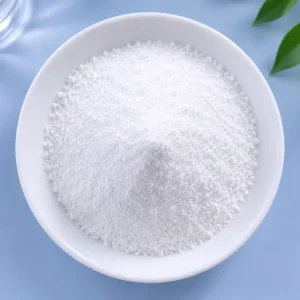
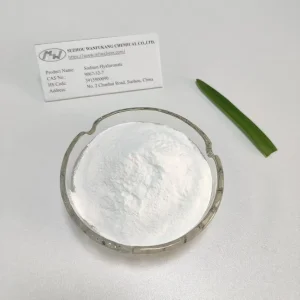
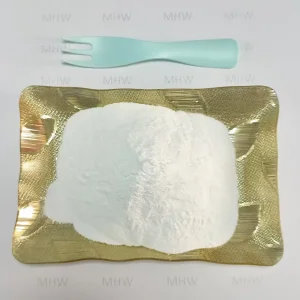
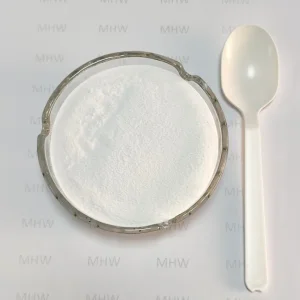
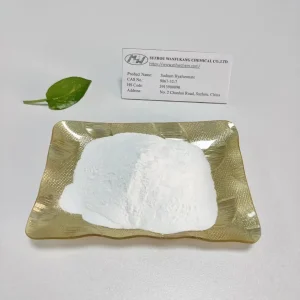
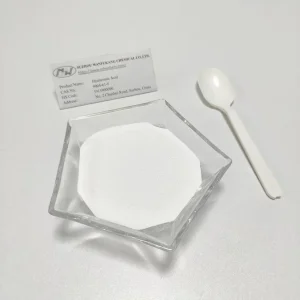
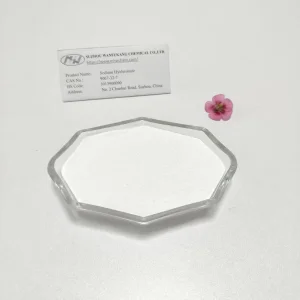
Hyaluronic Acid (HA), also known as Sodium Hyaluronate, is a high-molecular-weight linear mucopolysaccharide composed of repeating disaccharide units of D-glucuronic acid and N-acetyl-D-glucosamine. Across the global cosmetic, pharmaceutical, and nutraceutical sectors, HA is recognized as the gold standard for hydration and viscoelasticity control. In its natural biological state, it exhibits a capacity to retain water up to 1000 times its own molecular weight.
Historically obtained via extraction from animal sources such as rooster combs, modern global standards dictate the use of microbial fermentation. Fermentation technologies, particularly using non-hemolytic strains like Streptococcus zooepidemicus, produce high-purity, vegan-friendly Sodium Hyaluronate. This biotechnological evolution has significantly mitigated risks associated with animal-derived pathogens, allergenicity, and cross-contamination. Today, the global market demands molecular precision, ranging from oligomeric weights (<10 kDa) optimized for deep transdermal delivery to ultra-high molecular weights (>2.0 MDa) required for protective, film-forming, and joint-lubricating functions.
To maintain E-E-A-T compliance across international regulatory borders (US FDA, EU REACH, PMDA, and China NMPA), export-ready Sodium Hyaluronate must strictly adhere to the following metrics:
Over the past decade, Chinese manufacturers have solidified their dominance in the global Hyaluronic Acid supply chain, accounting for over 70% of the world’s output. The efficiency advantages of Chinese factories go beyond sheer volume. They are rooted in continuous engineering innovation, advanced fermentation bioreactors, and highly consolidated industrial clusters.
Industrial scale allows Chinese manufacturers to optimize raw material feedstocks, such as glucose and peptones, while applying state-of-the-art purification techniques including multi-stage membrane filtration and ethanol precipitation. This ensures consistent batch-to-batch repeatability and eliminates contaminants. Furthermore, the localized integration of logistics, automated packaging lines, and third-party laboratory verification enables Chinese exporters like Suzhou Wanfukang Chemical Co., Ltd. to provide highly competitive bulk pricing while maintaining compliance with international standards such as COSMOS, ECOCERT, HALAL, and KOSHER.
Our commitment to quality, scalable logistics, and international standards is validated by our market footprints.
Because of its versatility, Sodium Hyaluronate is formulated into diverse products, each requiring distinct physical-chemical parameters. Selecting the right molecular weight is essential to ensuring formulation stability and targeted physiological results.
Anti-aging serums use Low Molecular Weight (LMW) HA for transdermal hydration and skin barrier repair. High Molecular Weight (HMW) HA is used in sheet masks and creams to create a protective surface barrier that reduces transepidermal water loss (TEWL).
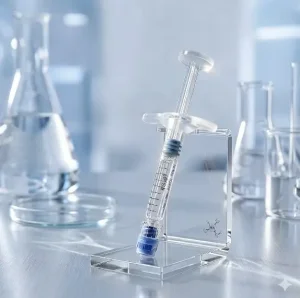
Requires ultra-pure, low-endotoxin grades. Injection-grade cross-linked HA is the primary material in dermal fillers and joint viscosupplements. Eye-drop grade provides long-lasting ocular lubrication to treat dry eye syndrome.
Oral consumption of Sodium Hyaluronate is approved in major global markets. Absorbed through the gastrointestinal tract, it helps restore skin hydration from within and supports joint health by stimulating endogenous synovial fluid synthesis.
For international buyers managing complex supply chains, securing a reliable supplier of Hyaluronic Acid Powder requires evaluating several key technical parameters:
Get clear, professional answers regarding specifications, ordering, and applications.
The primary differences lie in the purity thresholds and endotoxin levels. While Cosmetic Grade focuses on heavy metals and general plate counts, Ophthalmic and Injection Grade require strict control over bacterial endotoxins (typically ≤ 0.05 IU/mg), and require cleanroom manufacturing (GMP Class 100/ISO 5 environments) to prevent any pyrogenic reactions in patients.
For deep skin penetration and tissue repair, choose Oligo-HA (<10 kDa) or Low Molecular Weight HA (10-100 kDa). For high viscosity, surface moisture protection, and film-forming properties, choose High Molecular Weight HA (1.0-1.8 MDa) or Ultra-High Molecular Weight HA (>2.0 MDa). A combination of multiple weights, known as "multi-molecular weight HA," is often used to provide multi-depth hydration.
Yes, our Sodium Hyaluronate is produced through microbial fermentation of plant-derived feedstocks (e.g., glucose syrup derived from corn). It is 100% vegan, cruelty-free, and contains no animal-derived raw materials, complying with COSMOS and Halal requirements.
It should be stored in a cool, dry place inside tightly closed containers, protected from moisture and light. The recommended storage temperature is 2-8°C for long-term pharmaceutical grades, and under 25°C for cosmetic/food grades. Properly stored HA powder maintains its activity and molecular integrity for up to 24 months.
As a professional exporter, we provide a complete shipping documentation package including the HS Code (usually 39139000), Certificate of Analysis (COA), MSDS, packing lists, and commercial invoices. We ship via air freight, sea freight, or express courier (DHL/FedEx/TNT), adhering to ISO 9001 quality management guidelines to ensure seamless customs clearance in North America, Europe, Asia, and India.
Stay updated with the latest updates from the global bio-chemical and cosmetic raw material markets.
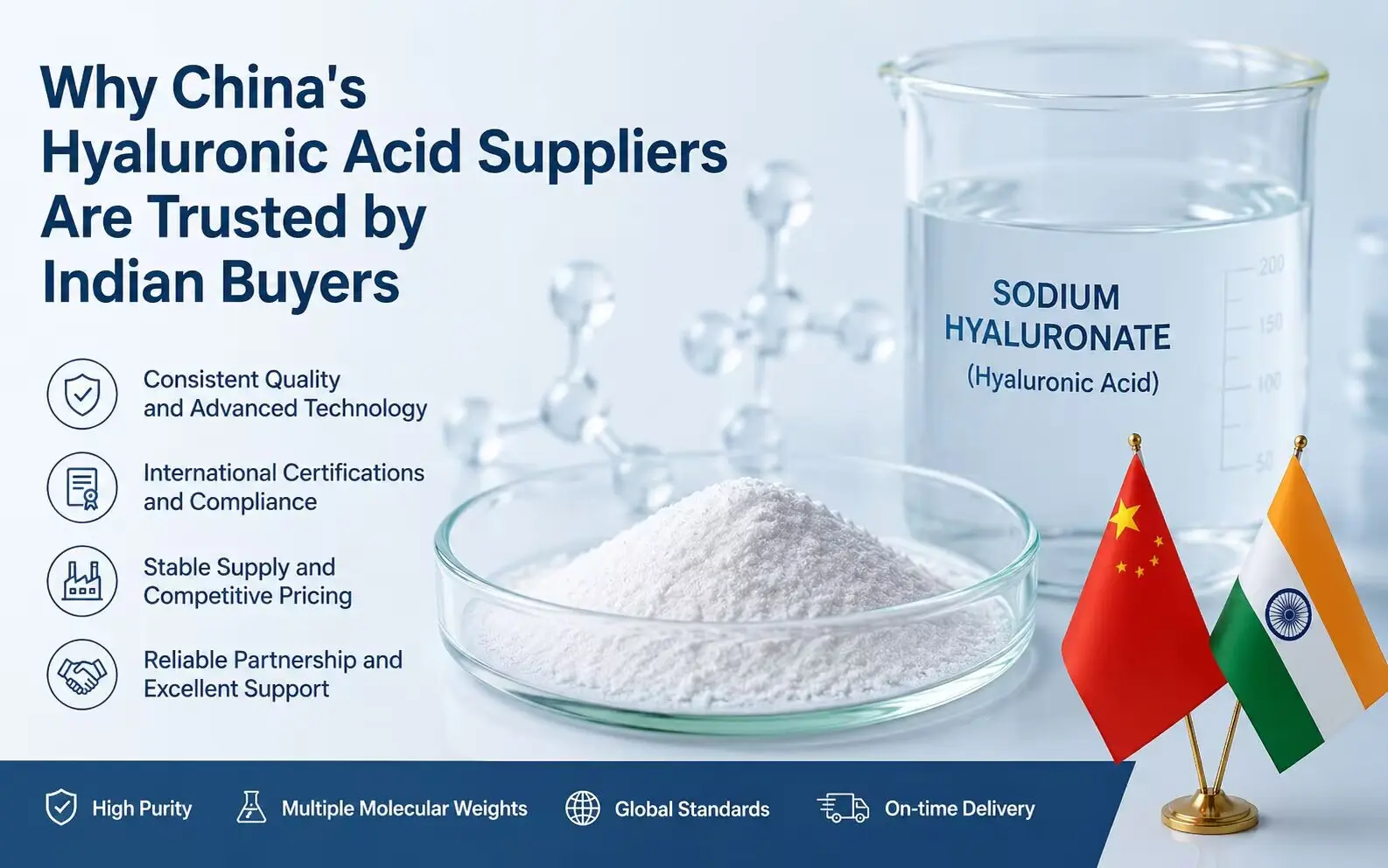
Indian buyers increasingly choose Chinese manufacturers for their consistent quality, cost-effectiveness, and reliable delivery times, supporting the growth of India's cosmetics and health product sectors.
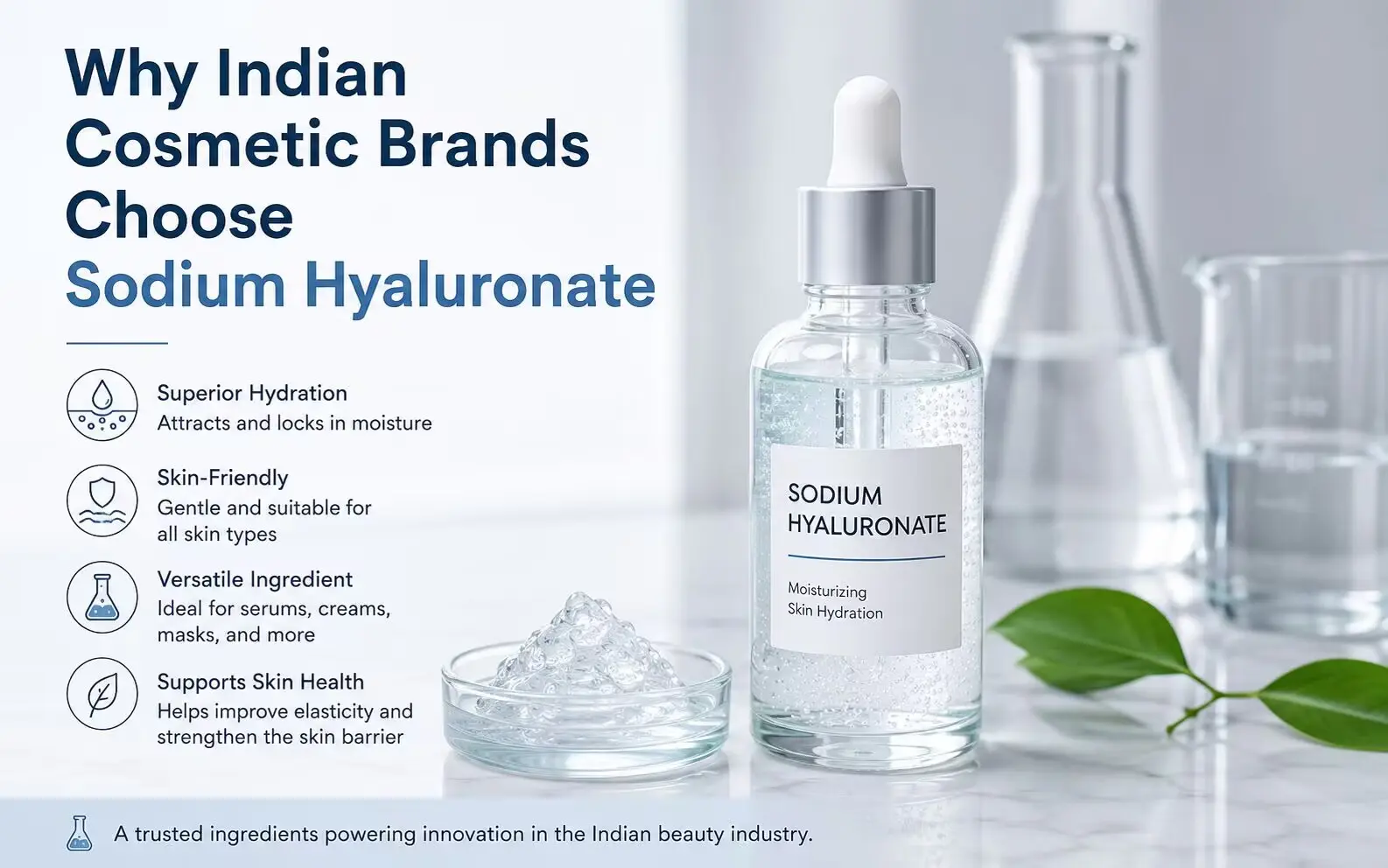
With consumer demand rising for clean, effective beauty products, sodium hyaluronate has become a key ingredient in Indian skincare formulations for its proven hydration benefits.
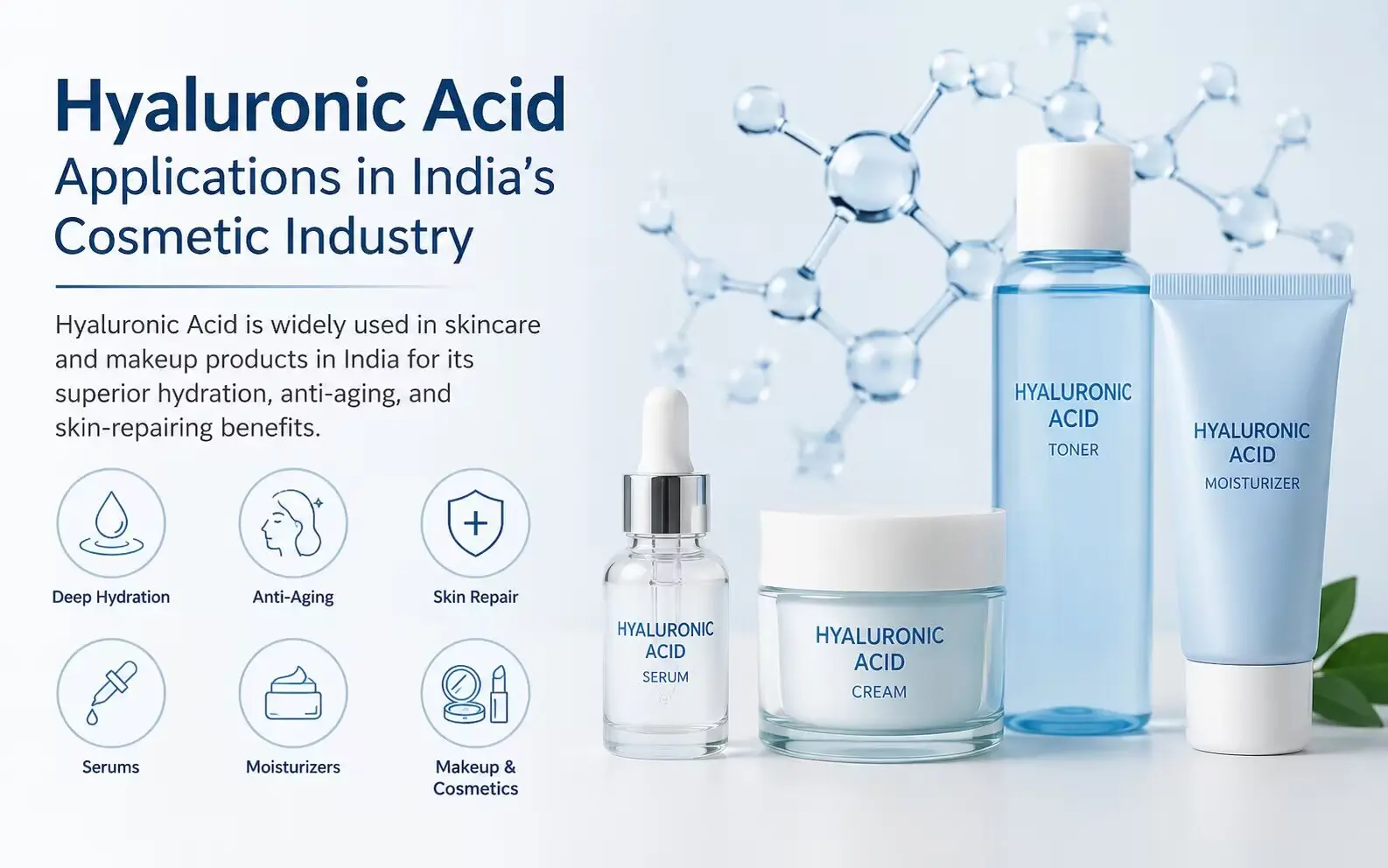
An in-depth look at how Indian formulators incorporate different molecular weights of hyaluronic acid into modern cosmetic solutions, from anti-aging serums to weightless sunscreens.
Check our comprehensive range of high-efficacy active ingredients for health, cosmetics, and wellness formulations.
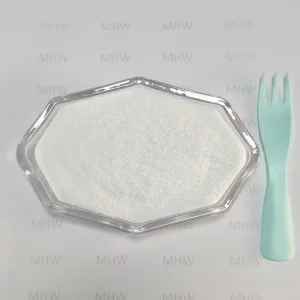
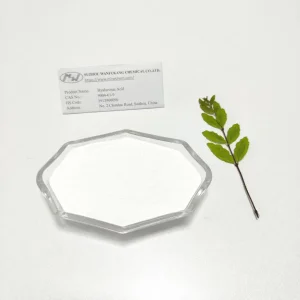
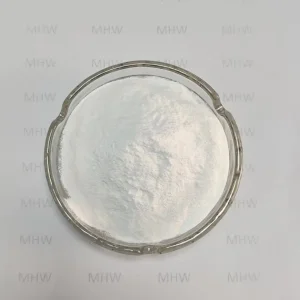
We work closely with pharmaceutical, cosmetic, and nutritional brands worldwide.