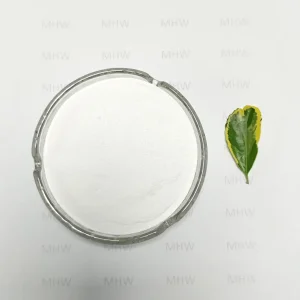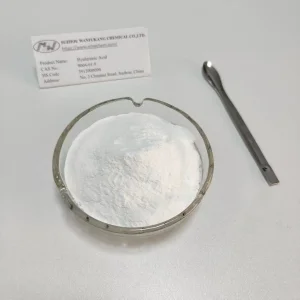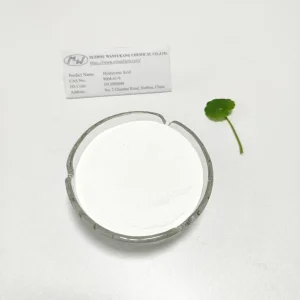
Engineered via precision bio-fermentation for elite cosmetic, medical, and nutraceutical formulations.
The global cosmetic formulation sector has moved far beyond simple hydration metrics. Today's commercial beauty market demands targeted efficacy, biocompatibility, and clean supply lines. At the center of this paradigm shift is the development of advanced Hyaluronic Acid (HA) polymers. "Skin Treats Hyaluronic Acid Serum" represents a standard where high-concentration, bio-fermented sodium hyaluronate is formulated into functional skin treatments. For global brand owners, product managers, and formulation experts, sourcing from a recognized Hyaluronic Acid Serum Exporters & Factory is essential to secure competitive unit costs, consistent purity indices, and compliant regulatory dossiers.
From a physiological perspective, sodium hyaluronate functions as an extracellular matrix organizer, capable of binding up to 1,000 times its molecular weight in water. Historically, extraction was confined to animal sources, which presented biological risks and raised ethical concerns. Modern biotechnology utilizes non-animal fermentation methods (typically employing non-pathogenic strains like Streptococcus zooepidemicus), generating ultra-pure, vegan-friendly hyaluronic acid. This advancement ensures that the raw material meets international green chemistry standards, allowing downstream brands to declare vegan status, low toxicity ratings, and high dermatological safety on their retail packaging.
SEO Insight & Information Gain: Sourcing teams must prioritize raw material providers who offer detailed certificates of analysis specifying molecular distribution graphs (GPC/SEC analysis), heavy metal profiles (<10 ppm), and strict protein contamination thresholds (<0.1%).
One of the primary challenges for cosmetic brands is avoiding the "sticky or tacky" feel common in high-molecular-weight formulations. At the factory level, we address this through controlled enzymatic hydrolysis, which divides the hyaluronic acid molecules into distinct Dalton ranges, each serving a specific physiological purpose in skin treatments:
1,500 kDa – 2,200 kDa: Forms a non-occlusive, protective film on the stratum corneum, locking in moisture and shielding the skin against environmental stressors. This helps reduce trans-epidermal water loss (TEWL) and provides an immediate plumping effect.
100 kDa – 1,000 kDa: Balances surface protection with deeper epidermal penetration. This range is ideal for daily skin treatments, improving overall skin elasticity, promoting tissue recovery, and supporting a healthy skin barrier.
<10 kDa (Ultra-Low): Penetrates deep into the stratum corneum down to the spinous layers. It acts as an active cell-signaling molecule, stimulating endogenous collagen synthesis and offering targeted anti-aging and deep repair benefits.
Suzhou Wanfukang Chemical Co., Ltd integrates advanced technology, sustainable production, and rigorous QA standards.
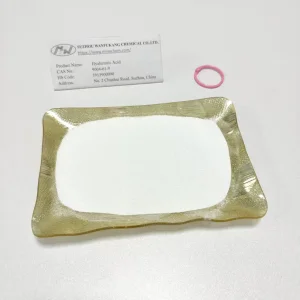
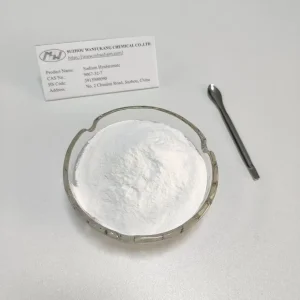
Suzhou Wanfukang Chemical Co., Ltd. has established itself as a professional supplier of Sodium Hyaluronate and Hyaluronic Acid over many years. As a dedicated chemical exporter, we provide a comprehensive range of sodium hyaluronate grades, including food, cosmetic, and pharmaceutical grades. Our business has expanded into cosmetic ingredients, health food materials, and pharmaceutical ingredients. These products are widely utilized in cosmetics, joint health supplements, and medical applications globally.
Our production facilities utilize modern automation to ensure high batch-to-batch consistency. By employing real-time bioreactor monitoring, computerized purification columns, and closed-loop crystallization chambers, we minimize manual handling. This strict control over the manufacturing process keeps endotoxin levels below international thresholds, ensuring safety for clinical and cosmetic formulations alike.


Specializing in the development and export of cosmetic, food, and functional ingredients.
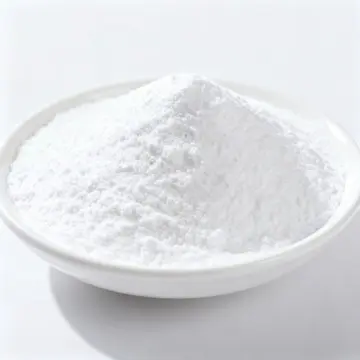
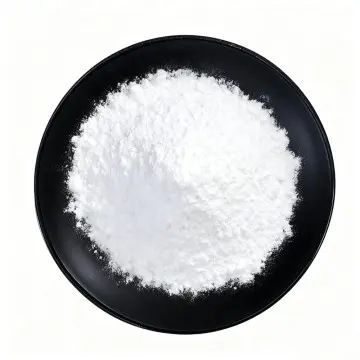
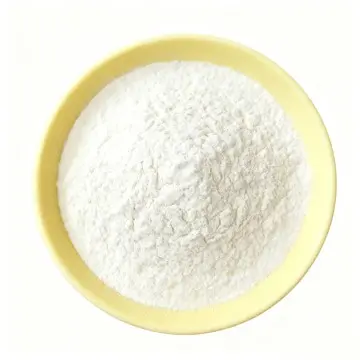
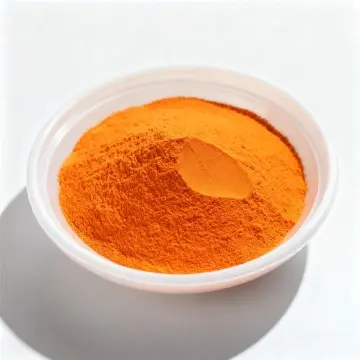
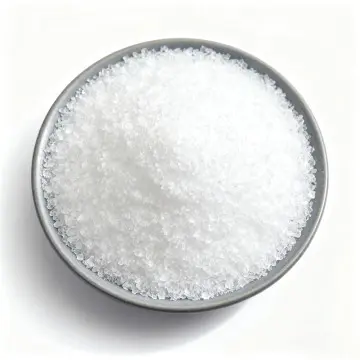
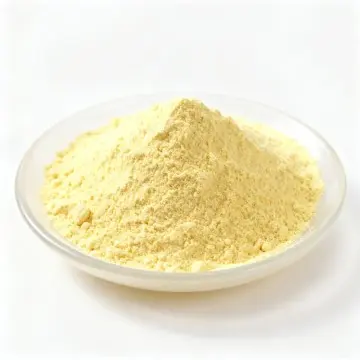
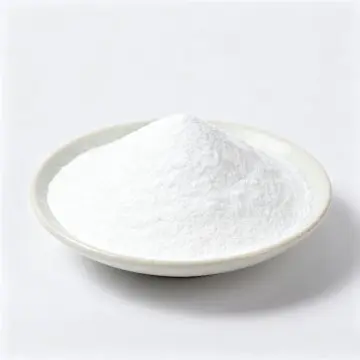
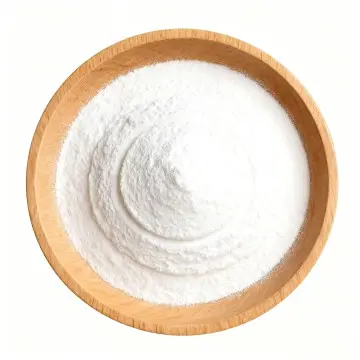
The global personal care and pharmaceutical industries are increasingly demanding clean-label raw materials. Procurement managers in regions like the EU and North America are focusing heavily on raw material safety profiles. Traditional cosmetic formulations containing traces of heavy metals, residual chemical solvents (e.g., ethanol, benzene), or high endotoxin levels face regulatory hurdles under REACH and FDA cosmetic modernization acts (MoCRA).
To address this, our modern production facility prioritizes green chemistry principles, ensuring our processes remain solvent-free by using water-based recovery methods. In addition, our manufacturing complies with GMP guidelines, allowing us to supply medical-grade sodium hyaluronate suitable for ophthalmic applications, dermal fillers, and joint health supplements. This commitment to purity helps cosmetic brands minimize sensitization risks and launch products suitable for sensitive skin formulations.
A key factor in the success of skin treats hyaluronic acid formulations is adapting the product to regional climates and consumer preferences:
Highly requested bulk-grade materials for cosmetic, therapeutic, and nutritional products.
High-density joint health and dietary supplement ingredient.
High-assay L-ascorbic acid for topical and dietary applications.
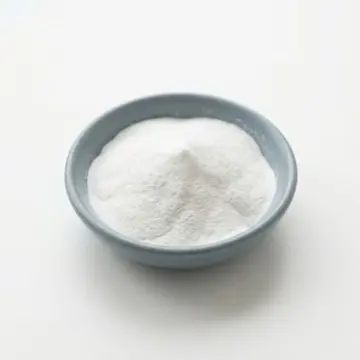
Engineered for dermal filler formulations and cosmetic injections.
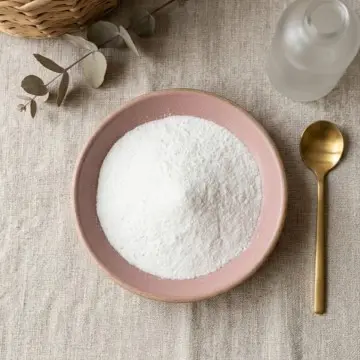
High purity powder supporting joint health and skin hydration from within.
Exploring global industry trends, supply chain developments, and regional market preferences.
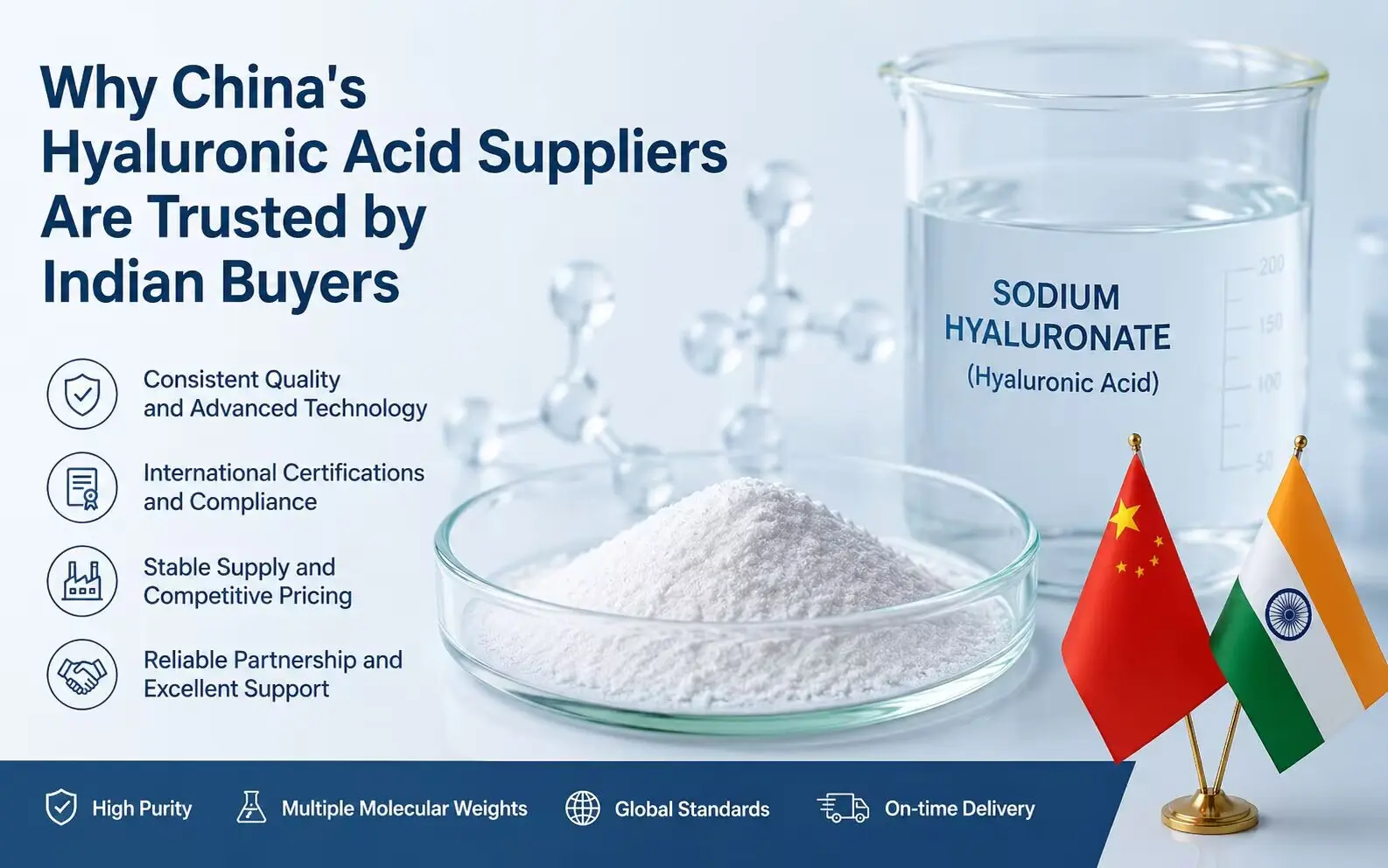
The demand for high-quality cosmetic, pharmaceutical, and health ingredients in India has grown significantly. Chinese suppliers have become key partners due to their robust manufacturing infrastructure, strict batch consistency, and reliable logistics support.
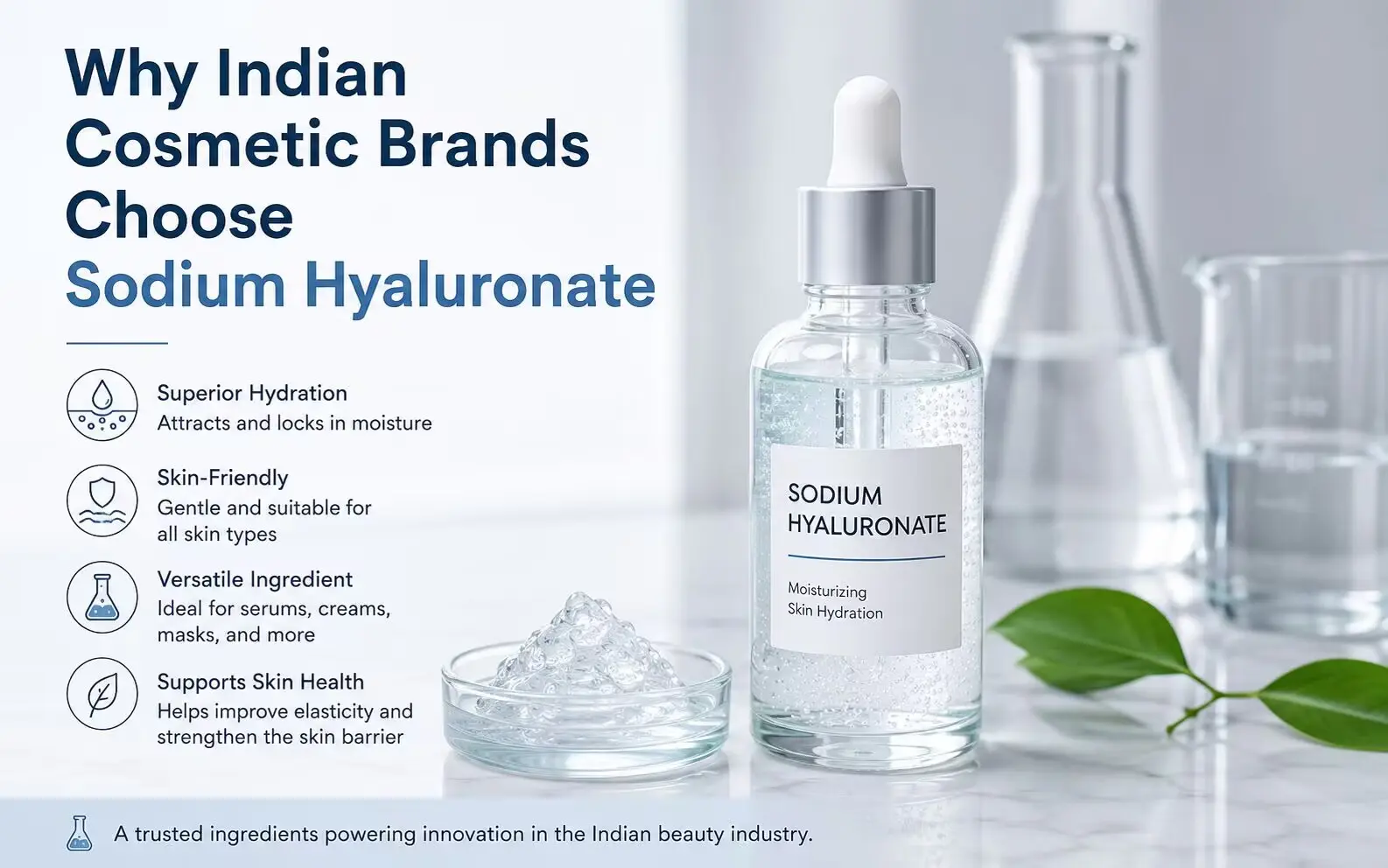
The beauty and personal care market in India is placing a greater emphasis on highly effective, safe ingredients. Sodium Hyaluronate is now widely used in local serums, creams, and sunscreens to meet consumer demands for reliable hydration.
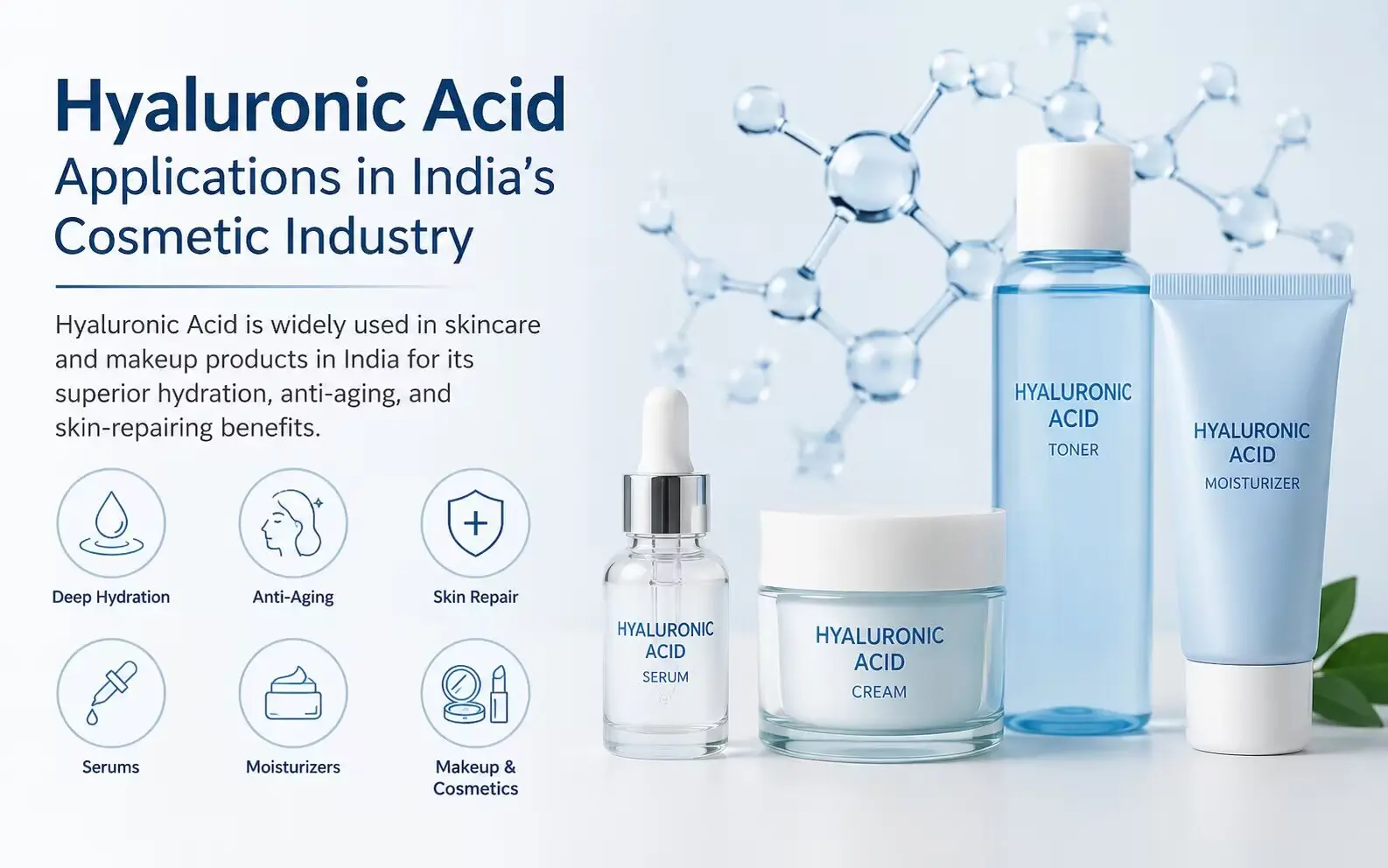
As consumers look for scientifically backed skincare, hyaluronic acid is becoming a staple in Indian formulations. Brands are focusing on multi-weight HA formulas to offer both surface hydration and deeper skin support.
Addressing key queries related to formulation compatibility, molecular weights, and supply chain logistics.
A: The optimal formula typically uses a multi-weight strategy. High molecular weights (1.5M - 2.2M Da) form a protective layer on the skin's surface, while low molecular weights (<100k Da) penetrate deeper to support long-term elasticity. We recommend a balanced combination depending on your specific product target.
A: Our products are manufactured strictly through bio-fermentation using a non-animal peptone and glucose growth medium. This eliminates animal-derived materials from the process and prevents any cross-contamination, ensuring full compliance with vegan and clean-beauty standards.
A: We pack our cosmetic and pharmaceutical grade powders in food-grade, double-layered polyethylene bags inside rigid fiber drums (typically 25kg capacity). Smaller trial volumes are shipped in vacuum-sealed aluminum bags to prevent moisture absorption during transit.
A: Every batch comes with a Certificate of Analysis (COA) detailing HPLC purity assays, heavy metal profiles, microbial limits, and loss-on-drying data. We also provide safety data sheets (SDS), allergen certificates, and GMO declarations upon request.
Explore our highly-refined polymer selection designed for medical-aesthetics and professional skincare.