Explore our industrial-grade Sodium Hyaluronate range engineered for clinical efficiency and structural stability.
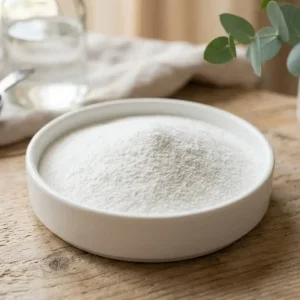
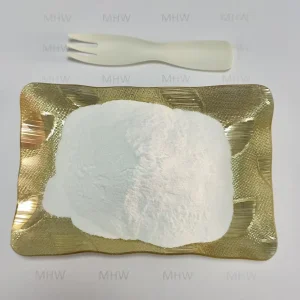
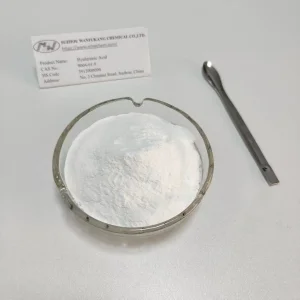
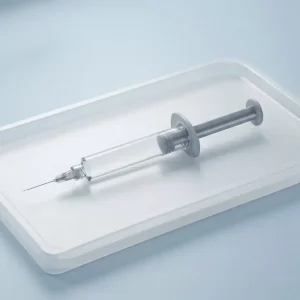

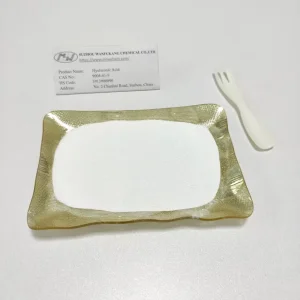
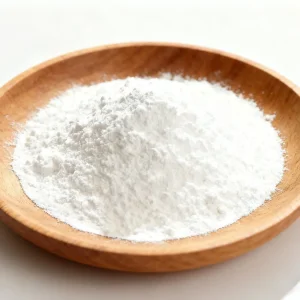
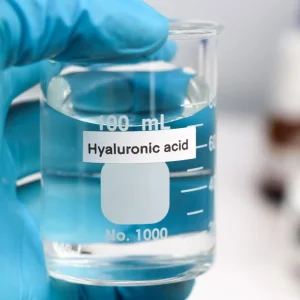
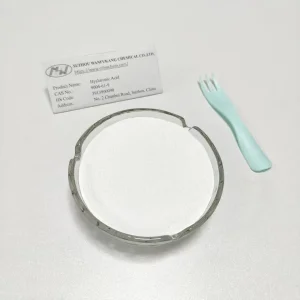
Suzhou Wanfukang Chemical Co., Ltd. (WFK Chem) stands as a highly authoritative and specialized global supplier of Sodium Hyaluronate and Hyaluronic Acid solutions. Backed by rigorous bio-fermentation expertise, we supply various grades of Sodium Hyaluronate including cosmetic, food/nutraceutical, and pharmaceutical grades.
Our commitment strictly aligns with the highest international quality assurance metrics. We optimize molecular structures to produce tailored viscosities and transdermal penetration attributes suitable for top-tier skincare formulations, joint-lubrication medical devices, and functional food supplements.
Analyzing the critical role of Sodium Hyaluronate in reshaping modern medicine, clinical cosmetics, and global wellness markets.
Addressing the issue of Trans-Epidermal Water Loss (TEWL). High-purity topical HA functions as a humectant, forming a non-occlusive viscoelastic film on the skin's stratum corneum. This system retains environmental moisture, maintaining mechanical skin elasticity and integrity.
Pharmaceutical grade Sodium Hyaluronate matches the rheological properties of natural human tear films. Under shear force during blinking, its viscosity drops drastically to alleviate eye stress; when open, it recovers high viscosity to stabilize tear film lubrication, offering dry eye relief.
Oral administration of high molecular weight Sodium Hyaluronate has been clinically demonstrated to reduce synovial joint pain. Absorbed through gut lymphatic systems, HA migrates to target joints, enhancing endogenous HA production and synovial fluid viscosity.
Our bio-engineering roadmap tracks molecular performance across the cell membrane down to structural dermal integration.
Forms a dense molecular mesh on the skin's surface. High molecular weight (HMW) polymers are ideal for heavy moisturizing creams, skin protective lotions, and topical barrier repairs due to their high viscosity and water-holding capacity.
Balances barrier protection with target epidermis absorption. Enhances tissue hydration dynamics, improves intercellular cohesion, and acts as an stabilizer for topical cosmetic emulsions.
Penetrates deep into the stratum spinosum and basale layer. Clinically shown to trigger cellular signaling cascades that stimulate endogenous collagen-1 synthesis and speed up cellular repair cycles.
Modified using chemical agents (like BDDE) to resist enzymatic degradation by hyaluronidase. Provides durable mechanical structure to reduce wrinkles and volume loss in clinical aesthetic interventions.
We work to lower regulatory hurdles for B2B buyers by ensuring complete verification and compliance documentation for all shipments.
Our manufacturing and processing facilities feature cleanrooms operating under ISO 9001 and GMP protocols. By eliminating animal-derived sources, we remove risks from viral pathogens or zoonotic transmissions.

Stay informed with research developments and updates from the global hyaluronic acid market.
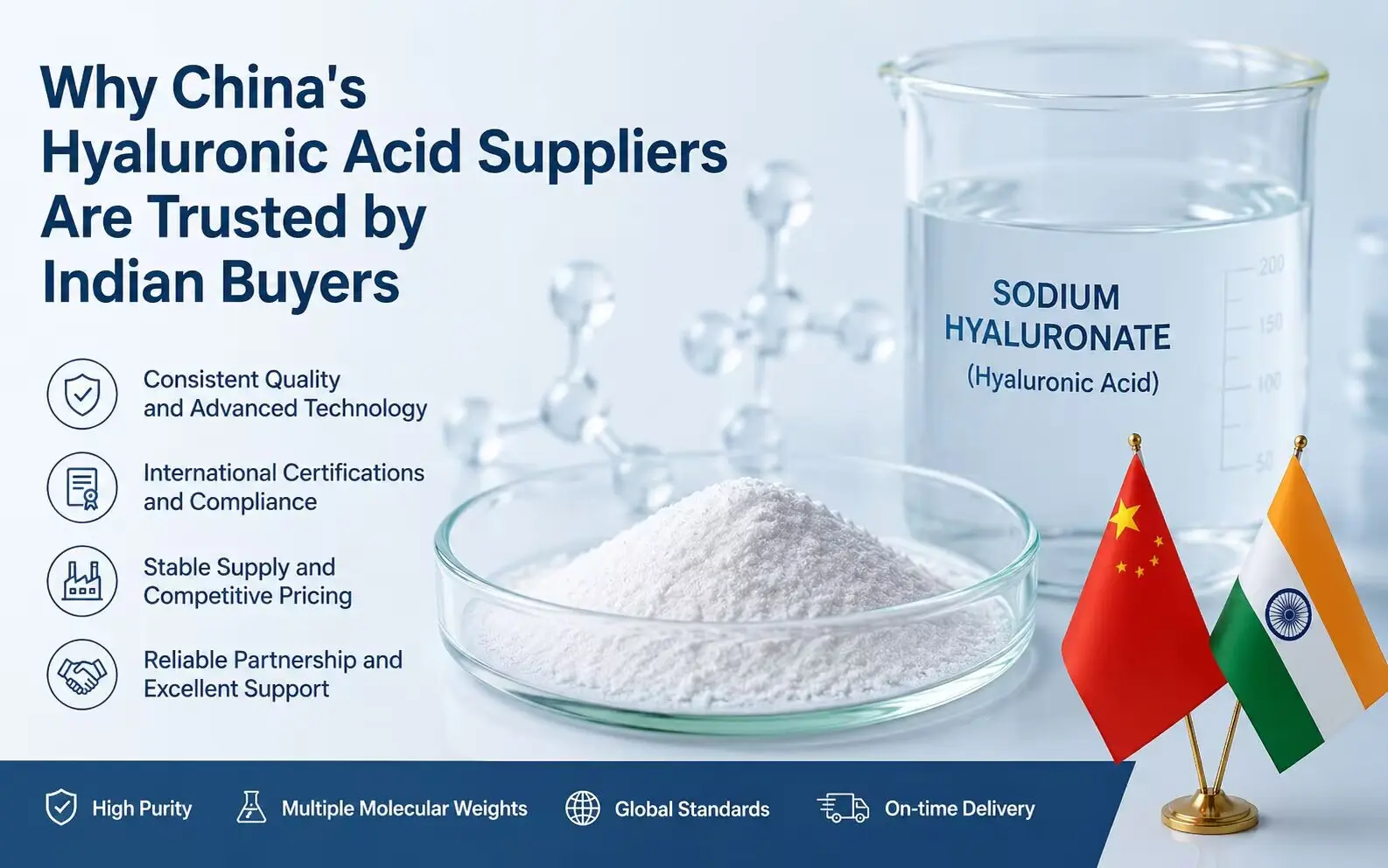
In recent years, with the rapid development of India's cosmetics, pharmaceutical, and food and health product industries, the market demand for hyaluronic acid (HA) and sodium hyaluronate has continued to grow. Against this backdrop, more and more Indian buyers are turning their attention to Chinese suppliers. Chinese suppliers have earned the trust of Indian buyers by offering scalable output, high purity, stable supply chains, and helpful technical support.
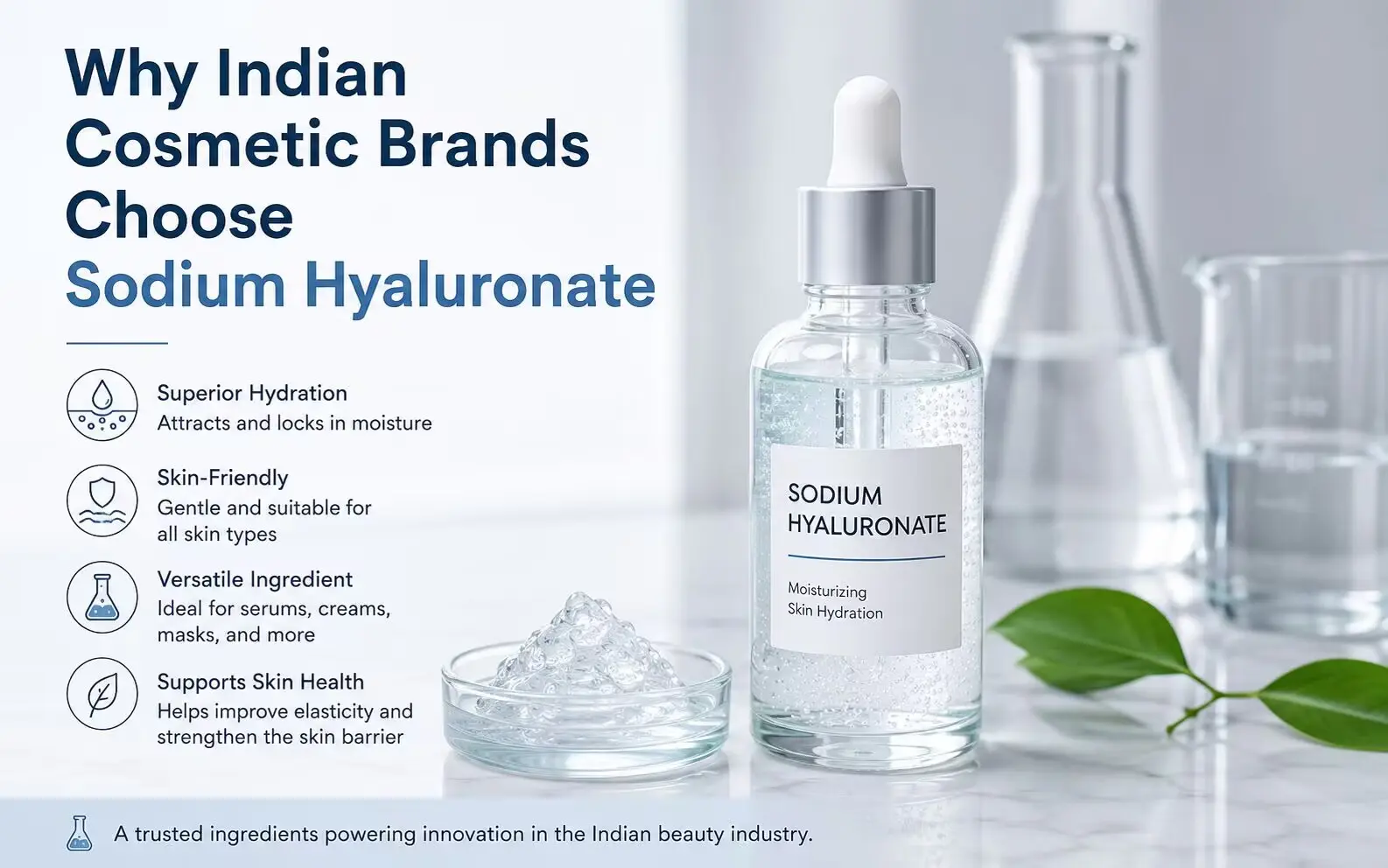
As India's beauty and personal care market continues to grow, consumer demand for highly effective, safe skincare ingredients rises. Sodium hyaluronate is widely valued globally as an effective humectant. It is increasingly adopted by Indian cosmetics brands to formulate lightweight, non-greasy products suitable for hot and humid climates.
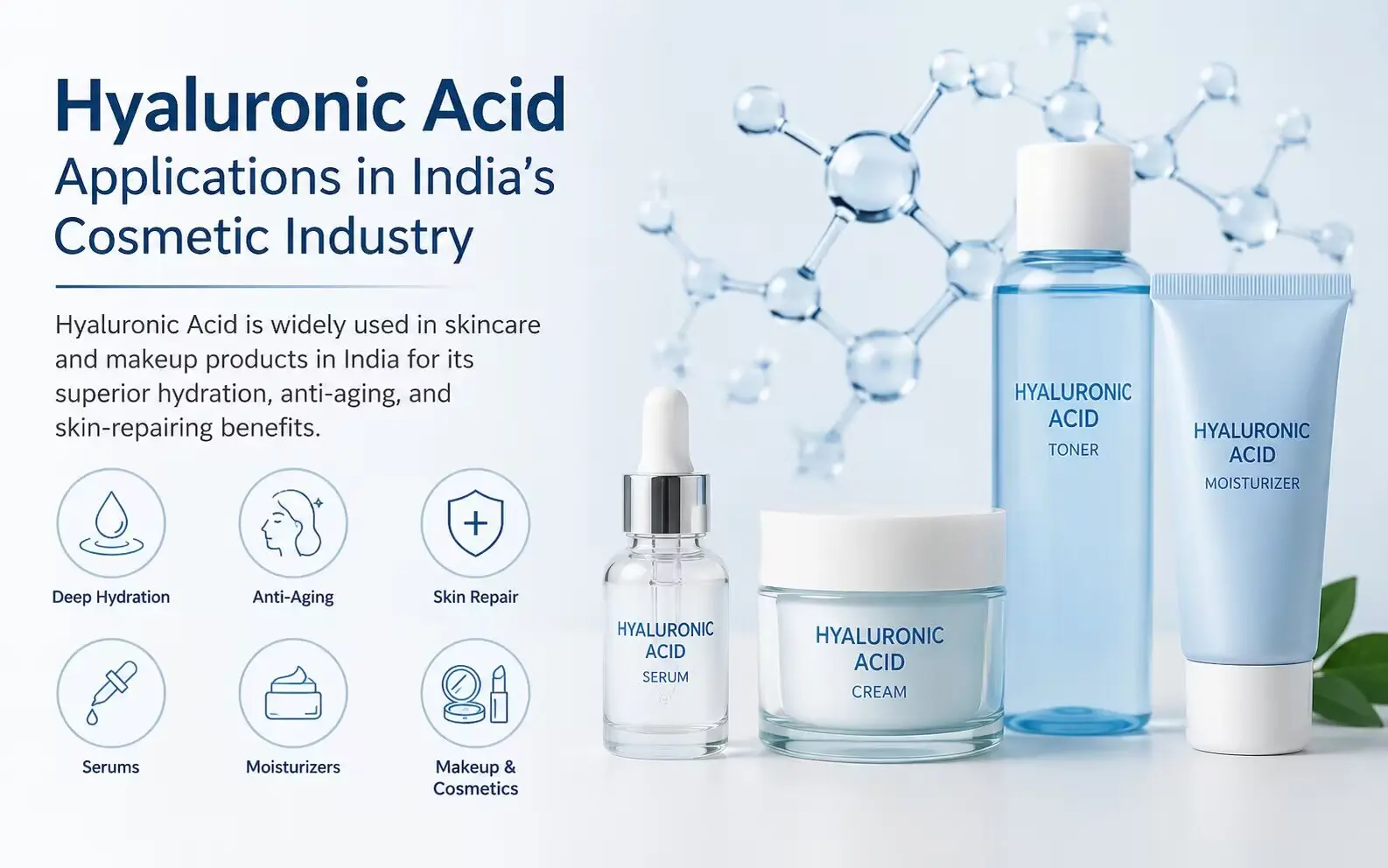
Driven by e-commerce expansion and rising disposable incomes, Indian consumers seek higher quality in functional skincare. Hyaluronic acid (HA) has become a key ingredient in formulations, finding use in hydrating eye drop preparations, cosmetic creams, targeted anti-aging serums, and long-lasting dermal fillers.
Find answers to technical and regulatory questions about sourcing, formulating, and processing Sodium Hyaluronate.
Our raw Sodium Hyaluronate powder has a standard shelf life of 24 months when stored in its original, unopened packaging. Because it is highly hygroscopic, it should be kept at room temperature (below 25°C) in a dry, cool environment away from direct sunlight, moisture, and heat sources.
The viscosity of a Sodium Hyaluronate solution is directly proportional to its molecular weight. High molecular weight (HMW) HA molecules form long, entangled chains that restrict water movement, creating high viscosity even at low concentrations (e.g., 1%). Low molecular weight (LMW) HA maintains low viscosity, allowing for easier processing in sprayable or highly concentrated serum formulations.
All of our Sodium Hyaluronate grades are manufactured via microbial fermentation using non-pathogenic bacterial strains (Streptococcus zooepidemicus). This guarantees that our products are entirely vegan-friendly, plant-derived, and free from animal hormones or proteins.
Yes. Our food-grade Sodium Hyaluronate demonstrates high thermal stability. Brief heat pasteurization or sterilization steps (such as UHT processing used in functional beverages) do not degrade its chemical structure, making it suitable for dietary supplements, health drinks, and functional gummies.

Formulated for diverse manufacturing applications, from cosmetic solutions to functional ingredients.