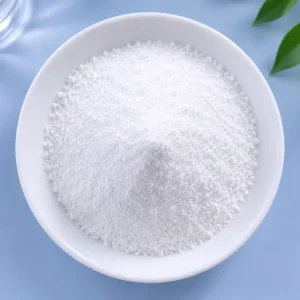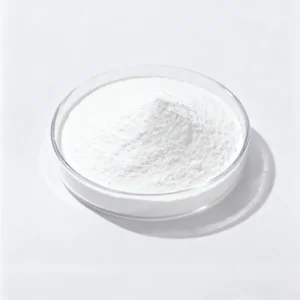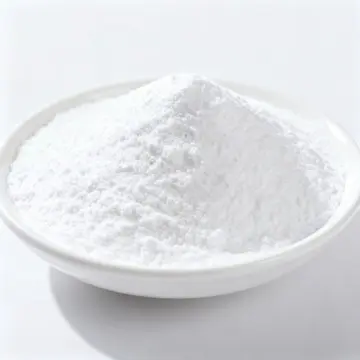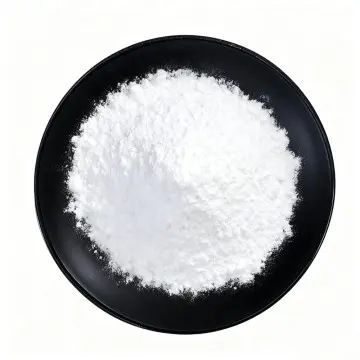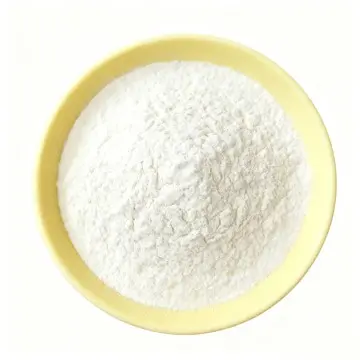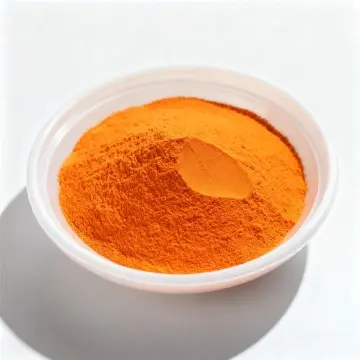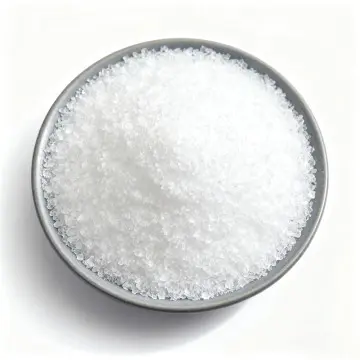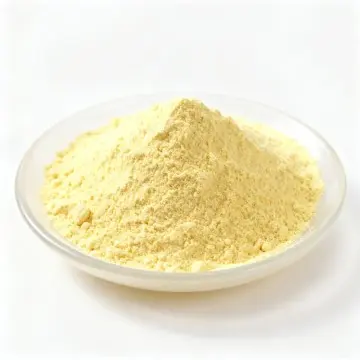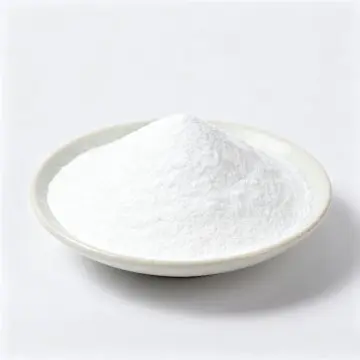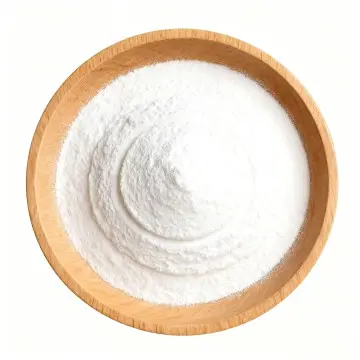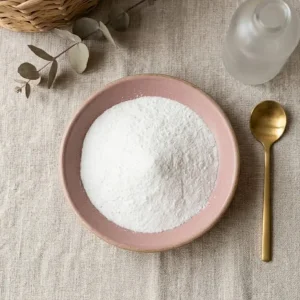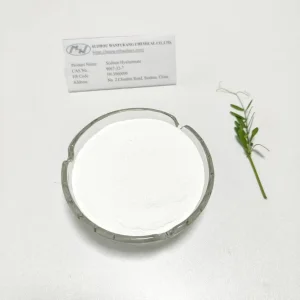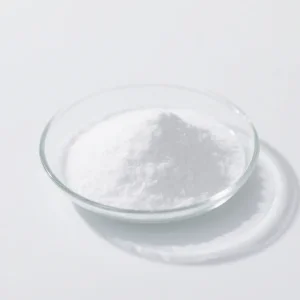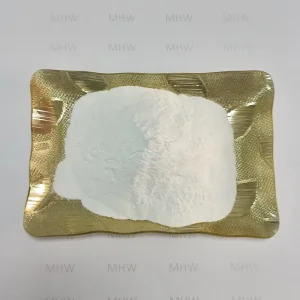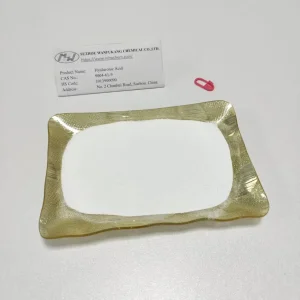
Direct supply from state-of-the-art manufacturing facilities. Low bacterial endotoxins, high purity assays, and customized molecular weights.
Understanding molecular parameters, microbial fermentation mechanisms, and grade requirements for commercial formulation success.
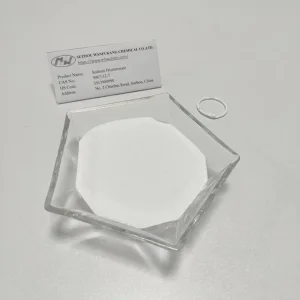
Sodium Hyaluronate (CAS No. 9067-32-7) is the water-soluble sodium salt form of Hyaluronic Acid, a naturally occurring glycosaminoglycan. It has become a gold-standard active ingredient across cosmetic, nutraceutical, and pharmaceutical formulations. In raw bulk manufacturing, classifying the material based on its application grade is critical. Each grade is defined by strict physiological characteristics, biological purity levels, and molecular weights:
Formulators must select the correct molecular weight to achieve desired product rheology and skin absorption profiles. Standard commercial supplies are divided into four main ranges:
Why international brands rely on Chinese manufacturers for volume scale, biological purity, and cost efficiency.
Chinese factories utilize advanced microbial fermentation techniques with high-yield Streptococcus zooepidemicus strains, eliminating animal-derived contamination risks and achieving over 98% assay purity on a multi-ton scale.
Integrated raw material clusters in provinces like Jiangsu and Shandong optimize logistics. Bulk purchasing of glucose and yeast powder lowers manufacturing overheads, saving global procurement managers up to 35% on raw material costs.
Leading factories operate in compliance with ISO 9001, ISO 22716 (GMP for Cosmetics), and CEP/DMF guidelines. Fully automated production lines monitor heavy metal levels, bacterial counts, and molecular integrity in real time.
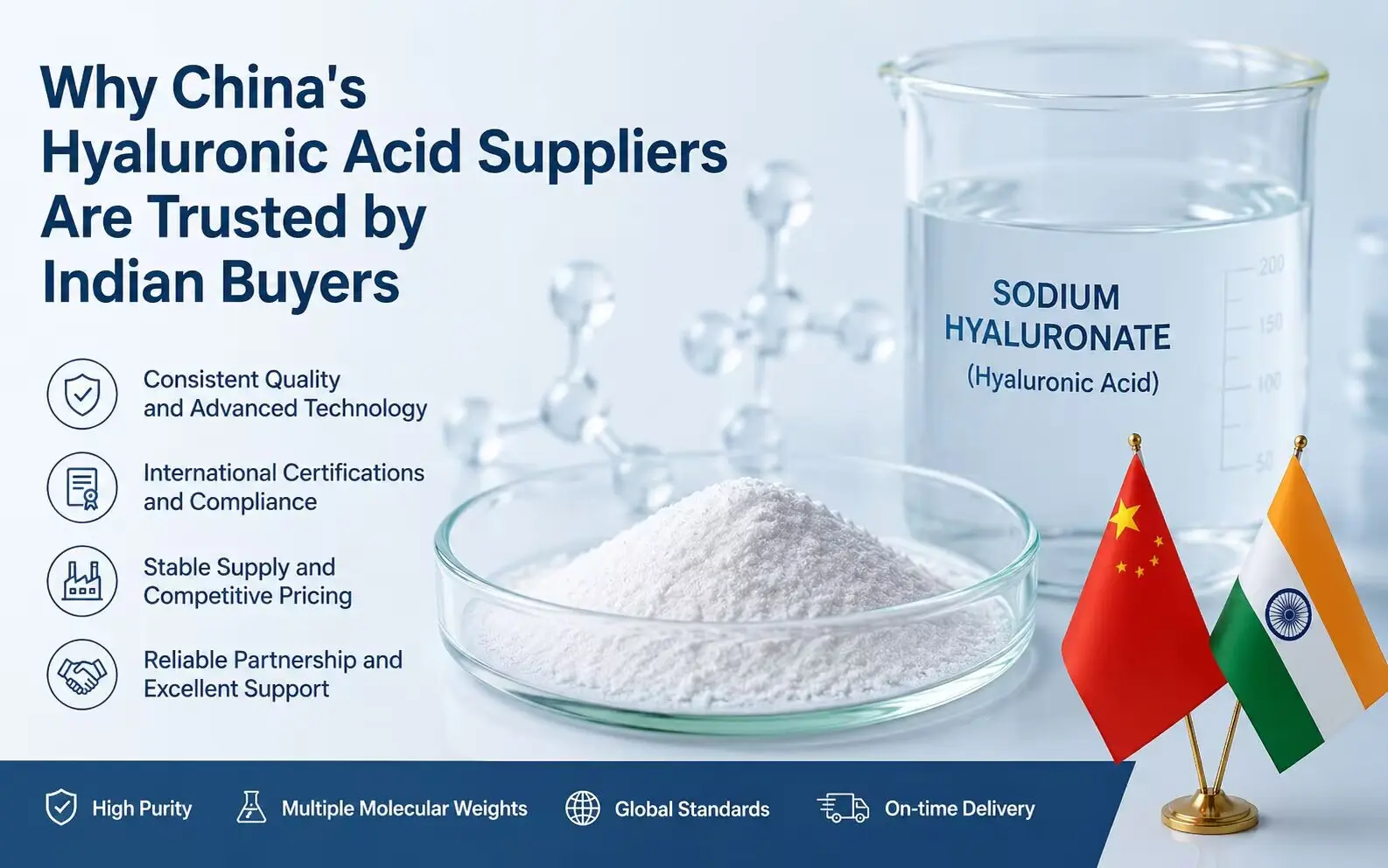
In the competitive beauty and healthcare sectors, supply chain consistency is critical. Chinese manufacturers offer unmatched reliability due to direct access to domestic refining hubs. Choosing Suzhou Wanfukang Chemical Co., Ltd. as your long-term supply partner gives you access to a massive 500-ton annual capacity. This protects your brand from shortages and price swings.
Furthermore, our logistics framework is built for rapid B2B customs clearance. We provide pre-shipment testing, batch retention, and detailed certificate of analysis (COA) documents for every order. By skipping intermediate brokers, procurement teams gain full supply chain transparency, direct technical support, and the flexibility to customize molecular weights for specific products.
Overcoming regional regulatory hurdles, matching local consumer preferences, and customizing formulas for regional markets.
We provide full documentation to meet global standards: US FDA VCRP, European Union REACH, Cosmetics Regulation (EC) No 1223/2009, and Halal/Kosher certifications. Sourced raw materials are fully compliant with heavy metal and microbiological limits.
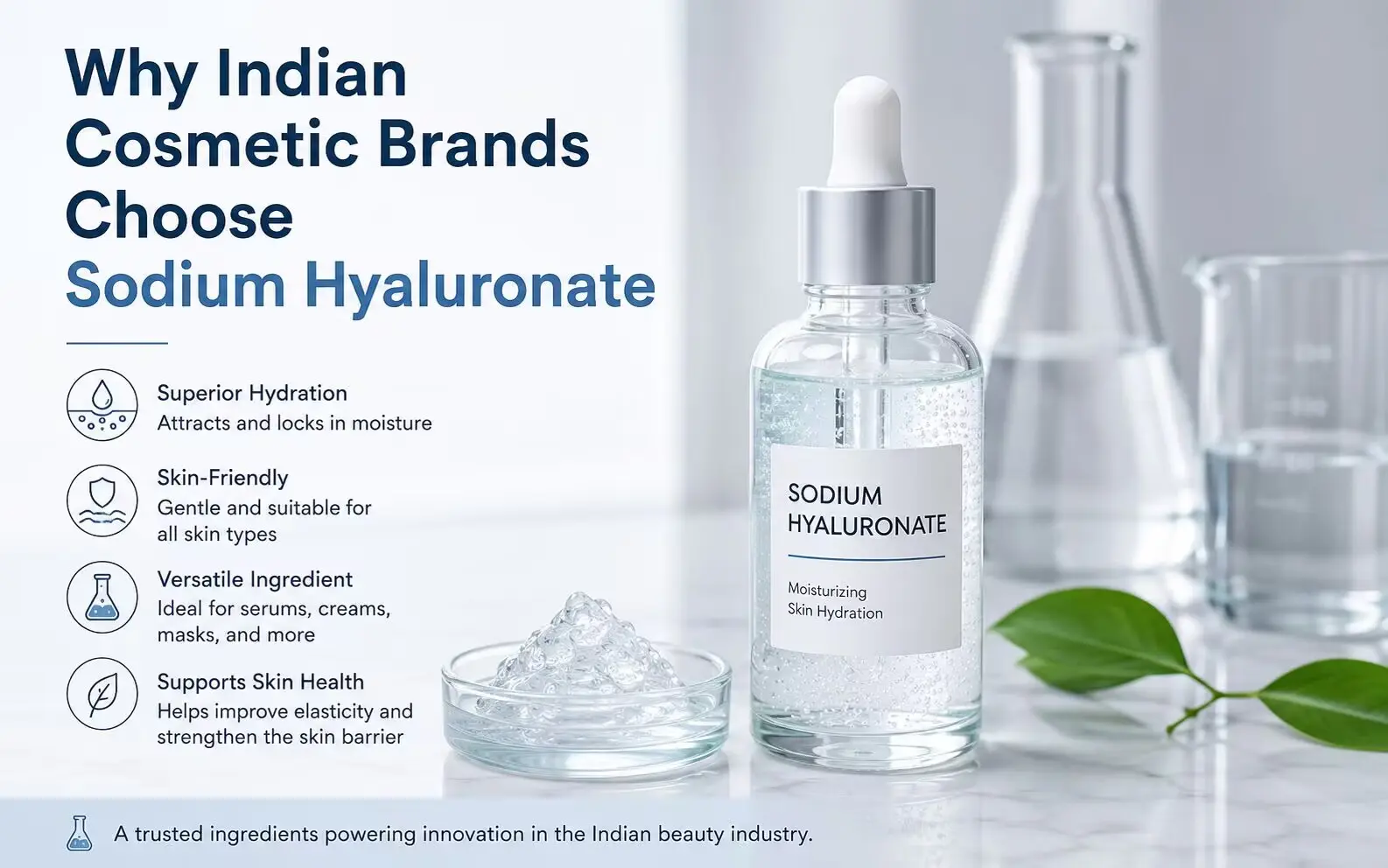
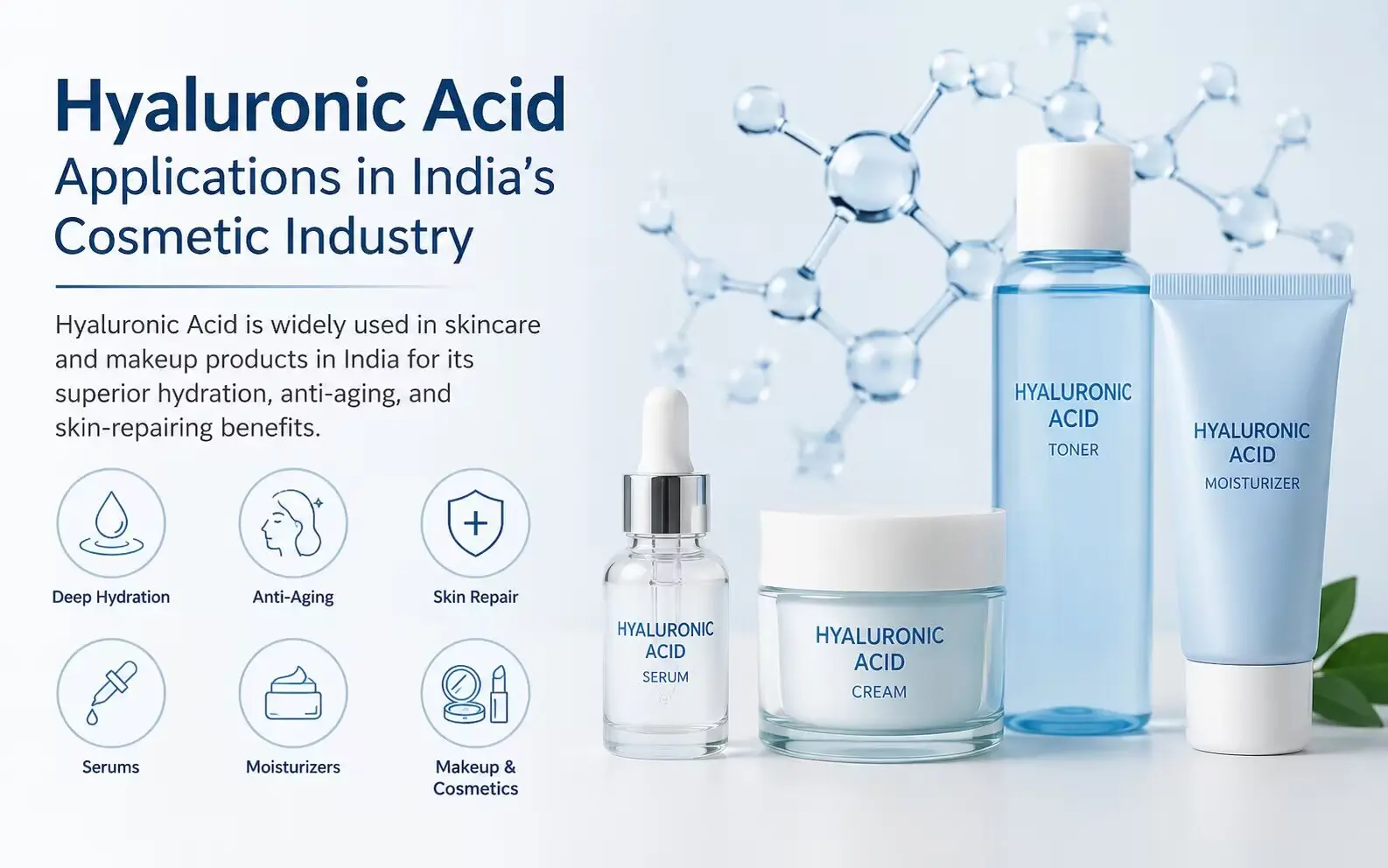
Skincare preferences vary by region. For humid climates like India, we provide Ultra-Low Molecular Weight HA to prevent stickiness. For dry climates like Northern Europe, we deliver High Molecular Weight HA to optimize skin barriers.
We offer tailored ingredient forms, including pre-solubilized 1% Sodium Hyaluronate Aqueous Solutions for direct cosmetic blending, and dry-blended functional powders for joint health supplements.
The Indian cosmetic industry is experiencing rapid growth, driven by consumer demand for high-performance active ingredients like Sodium Hyaluronate. However, formulating for this market requires careful attention to climate and cost:
Suzhou Wanfukang Chemical Co., Ltd. specializes in cosmetic, food, and pharmaceutical-grade ingredients. Explore our specialized portfolio:



Suzhou Wanfukang Chemical Co., Ltd. is a dedicated supplier of Sodium Hyaluronate and Hyaluronic Acid with years of industry expertise.
We supply cosmetic, food, and pharmaceutical-grade sodium hyaluronate. Our product line has expanded to include cosmetic actives, nutritional ingredients, and pharmaceutical materials, supporting formulations across cosmetics, joint supplements, and medical therapeutics worldwide.
Contact Our Team


Key quality control practices for supply chain professionals to verify and ensure product quality.
Procuring high-performance Sodium Hyaluronate requires reviewing technical parameters beyond basic purity. Formulators should focus on these key analytical metrics when evaluating quality control documentation:
The global market for Hyaluronic Acid is expanding rapidly into new areas. Brands should align their sourcing strategies with these key development trends:
Market reports, sourcing insights, and localized analysis of global cosmetics raw material supply networks.
Our senior laboratory and supply chain teams address common technical questions from global B2B procurement managers.
Under dry, cool conditions (stored in sealed containers at 2–8°C for pharma-grade or room temperature for cosmetic-grade), our high-purity powder has a shelf life of 24 months. Viscosity and molecular weight are tested regularly to ensure consistent performance.
Fermentation using Streptococcus zooepidemicus on plant-derived mediums (like glucose) yields a high-purity, vegan product. It eliminates risks associated with animal-derived proteins and viruses, while offering consistent molecular weights.
Yes. Our R&D facility can adjust the molecular weight of Sodium Hyaluronate from ultra-low (<10 kDa) to ultra-high (>2.0 MDa) to meet your specific formulation requirements.
Every batch is supplied with a Certificate of Analysis (COA) specifying assay levels, molecular weight, heavy metal content, loss on drying, pH, and microbial profile. Heavy metal and endotoxin test reports are also provided.
Sourcing solutions for high-viscosity cross-linked fillers, low-endotoxin eye drop grades, and premium medical-grade raw materials.
Partnering with cosmetics formulators, nutraceutical producers, and pharmaceutical enterprises worldwide.