Explore our premium grade chemical materials and active ingredients manufactured to meet strict international pharmacopoeia standards.
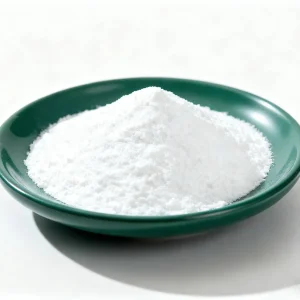
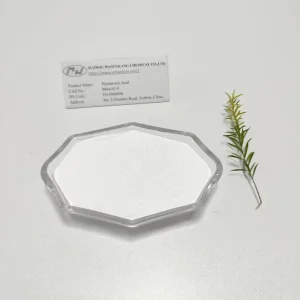
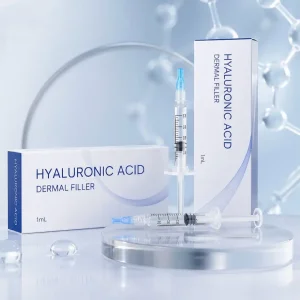
Understanding the critical trends driving the growth, consumption, and regulatory developments of Sodium Hyaluronate across diverse sectors.
Hyaluronic Acid (HA), a vital linear glycosaminoglycan naturally distributed throughout human connective tissues, has evolved from an expensive animal-derived extract to a highly scalable, bio-fermented powerhouse. Today, microbial fermentation of Streptococcus zooepidemicus on plant-derived substrates represents the benchmark for safety, efficiency, and sustainability. As global markets transition toward clean-label and vegan formulations, non-animal derived HA has become the baseline requirement for cosmetic formulations, eye drops, and oral supplements.
The global demand is no longer unified; it is highly segmented by molecular weight and biological functions. For instance, High Molecular Weight (HMW) Hyaluronic Acid (typically > 1.5 Million Daltons) is prized for film-forming properties and skin-barrier reinforcement, whereas Oligo-HA / Low Molecular Weight (LMW) Hyaluronic Acid (< 10,000 Daltons) penetrates the stratum corneum to stimulate deep dermal hydration and promote tissue regeneration.
In regions such as North America and the European Union, B2B procurement is heavily steered by clean-beauty mandates and stringent pharmaceutical-grade compliances (EP/USP). Meanwhile, emerging economies in South Asia—particularly India—are experiencing a massive surge in demand for sodium hyaluronate due to a boom in homegrown, premium dermo-cosmetic brands.
B2B buyers look for reliable, high-volume manufacturers who can offer cross-linked dermal fillers, aqueous solutions, and custom-milled powders with zero compromise on microbiological and heavy-metal purity levels.
Discover how regional industrial clusters, high-yield biological processes, and rigorous QA deliver unrivaled values to global distributors.



China produces over 80% of the world’s supply of Sodium Hyaluronate. This dominance is not merely built on cost advantages; it is anchored in advanced bioprocessing engineering, hyper-integrated supply chains, and superior scale efficiency. Raw material clusters in the eastern coastal provinces ensure instantaneous access to high-grade agricultural raw materials, packaging solutions, and international shipping channels.
Chinese manufacturers like Suzhou Wanfukang Chemical (WFK) employ state-of-the-art biological fermentation techniques that yield high purity levels (such as Cosmetic Grade Hyaluronic Acid Assay ≥ 98%). The scale of automated bioreactors significantly reduces batch-to-batch variations, guaranteeing consistent viscosity, dissolution speed, and optical transparency.
Furthermore, advanced purification processes remove endotoxins, proteins, nucleic acids, and heavy metals. This allows Chinese factories to satisfy the demanding regulatory compliance pathways needed for CE certifications in Europe, FDA compliance in the US, and CDSCO registrations in India.
Your Dedicated Partner in Raw Material Excellence, Specializing in Sodium Hyaluronate & Active Ingredients.
For many years, Suzhou Wanfukang Chemical Co., Ltd. (WFK Chem) has operated as a leading manufacturer and supplier of top-tier Sodium Hyaluronate and Hyaluronic Acid active ingredients. Serving multiple industries, we provide custom configurations spanning cosmetic, food, and pharmaceutical grades.
Over the years, our business has extended to cosmetic ingredients, functional health food materials, and pharma ingredients. Our core portfolio includes premium skin brighteners (Arbutin, Niacinamide), joint health additives (Chondroitin Sulfate), essential vitamins (Vitamin A, Vitamin C), and cardiac health raw materials (Coenzyme Q10). All systems are supported by a rigorous quality management process aligned with international standards.


Comprehensive, high-grade solutions engineered for specific clinical, beauty, and nutritional outcomes.
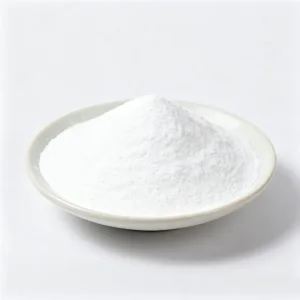
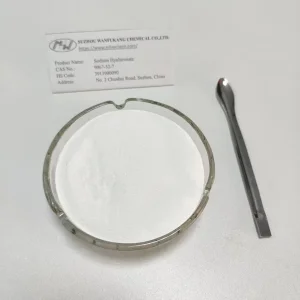
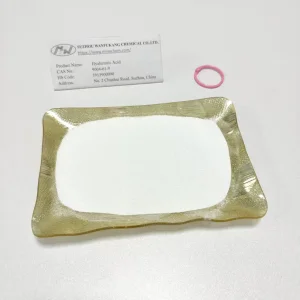
Highly effective skin-conditioning agents. Includes Cosmetic Grade Hyaluronic Acid (Assay 98%), high-purity Niacinamide Powder for brightening, and pure Arbutin for anti-spot applications.
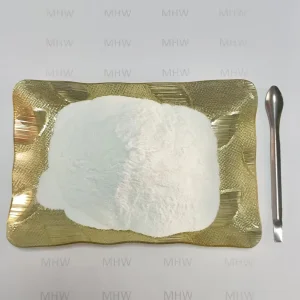
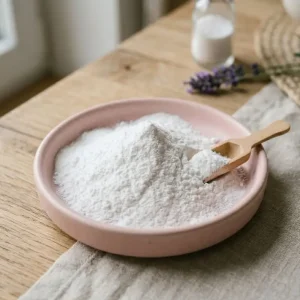
Bio-absorbable structures supporting joint health and internal hydration. Features oral-grade Sodium Hyaluronate powder, high-purity Citric Acid (Assay 99%), and Coenzyme Q10.
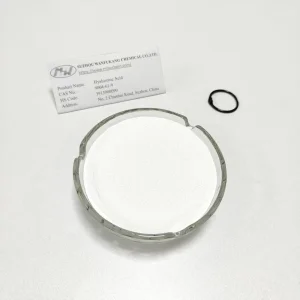
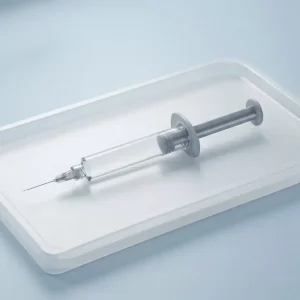
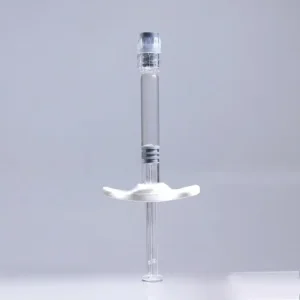
Designed for professional formulations, medical-grade dermal fillers, non-animal derived eye drop ingredients, and cross-linked hyaluronic gels requiring low endotoxin levels.
Investigating the industrial rise of clean-label hyaluronic acid in emerging cosmetic hubs, particularly India.
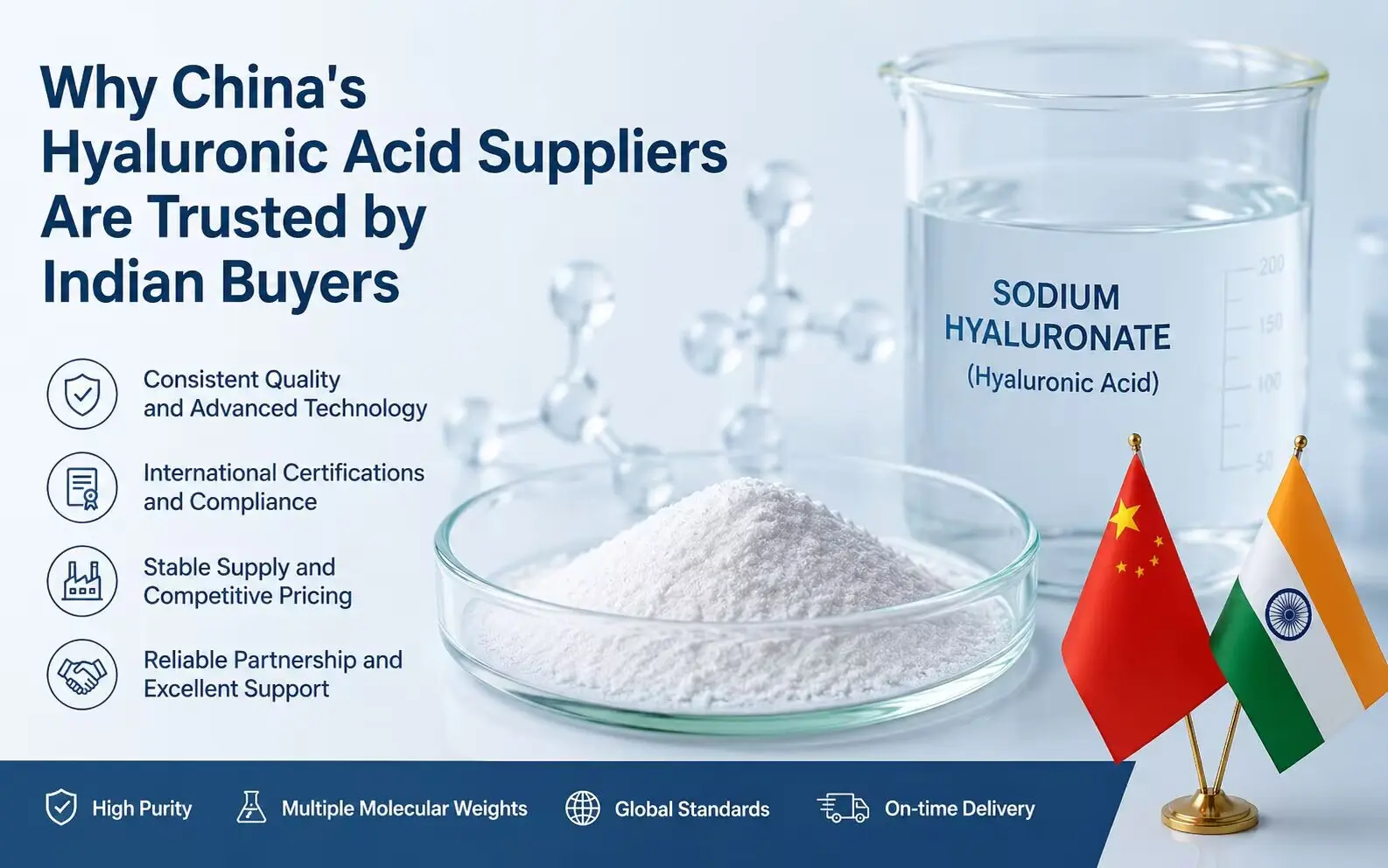
With the rapid development of India's cosmetics, pharmaceutical, and health supplement industries, market demand for hyaluronic acid (HA) continues to escalate. Indian buyers prefer partnering with Chinese suppliers due to the scale of manufacturing, consistent technical parameters, and highly competitive pricing structure that aligns with localized market margins.
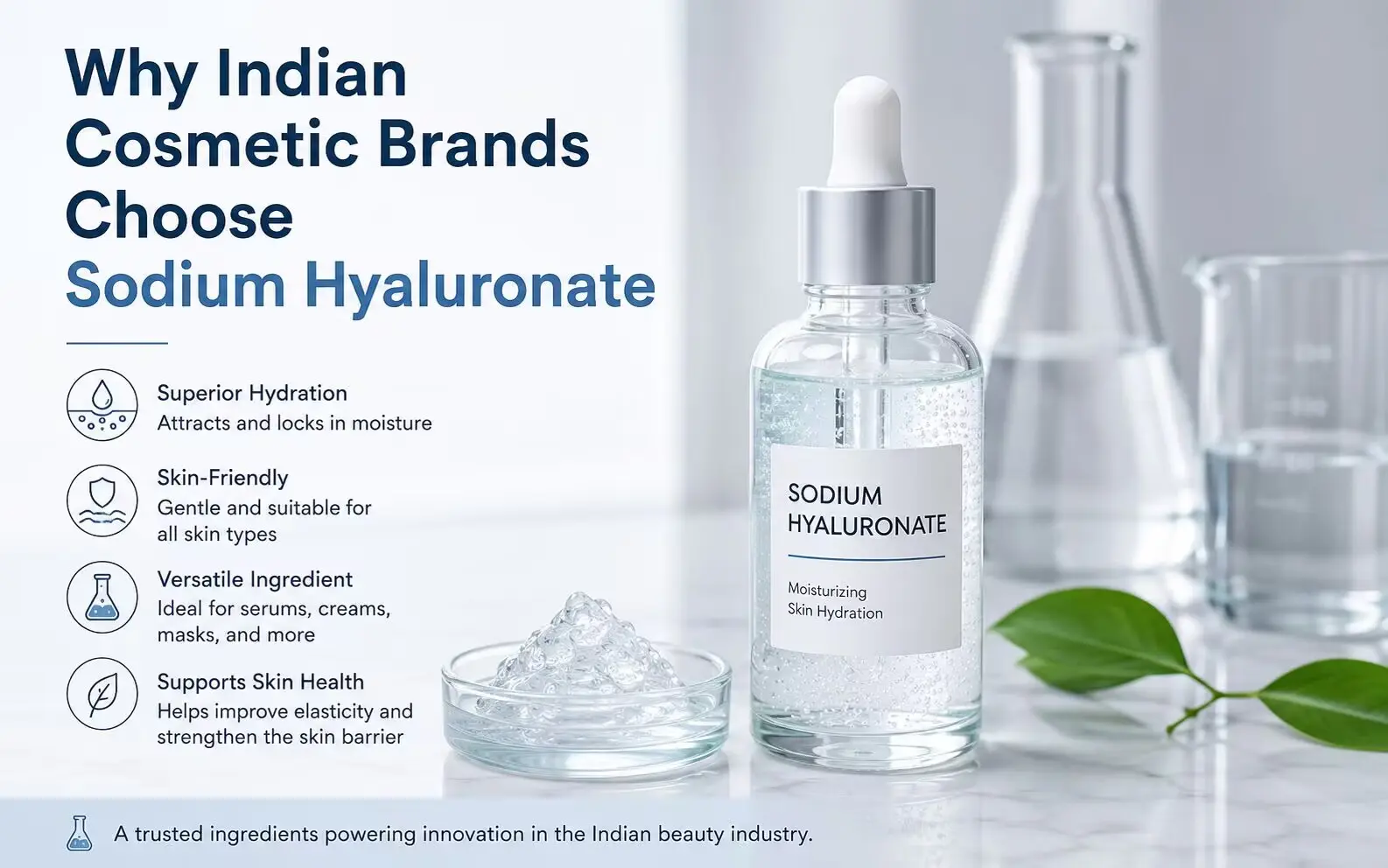
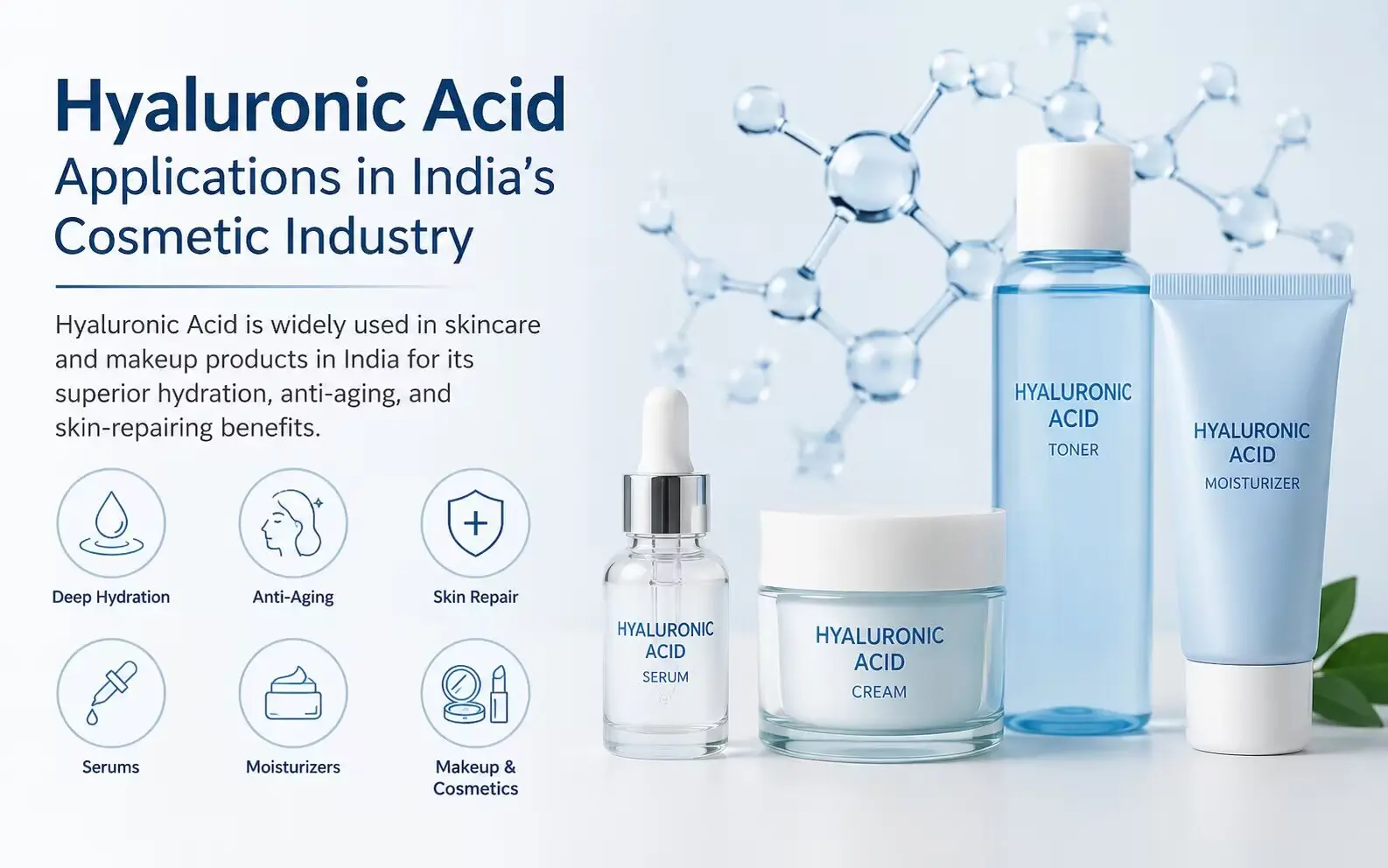
As Indian consumers shift toward clinical-grade skincare, domestic cosmetic brands are adding Sodium Hyaluronate to their face serums, hydrating gels, sunscreens, and BB creams. Its excellent water-solubility and broad compatibility make it a cornerstone active ingredient for products meant to withstand hot, humid climates.
The expansion of digital-native beauty brands in India has boosted the use of multi-molecular weight HA. Brands leverage combinations of high, medium, and low molecular weights to claim "multi-depth hydration" on product labeling, satisfying the rising consumer demand for scientifically backed formulations.
A technical guide for procurement officers and formulation scientists to verify sodium hyaluronate raw materials.
B2B buyers should demand a minimum Sodium Hyaluronate assay of 98.0% for cosmetic applications and 99.0% for pharmaceutical or oral supplement applications. Identification checks are verified through infrared absorption spectrophotometry (FTIR) and gel permeation chromatography (GPC) to assess molecular weight distribution.
For sensitive areas like under-eye tear trough dermal fillers and ophthalmic eye drops, maintaining a low bacterial endotoxin count (typically < 0.05 IU/mg for medical grades) is essential. Heavy metals (Pb, As, Hg, Cd) must remain below 10 ppm, and protein impurities must not exceed 0.1% to prevent hypersensitivity reactions in end-consumers.
Formulating modern cosmetics requires precise molecular weight selection. High Molecular Weight (HMW) HA (1.8 - 2.2 MDa) serves as a protective humectant barrier; Medium Molecular Weight (MMW) HA (1.0 - 1.5 MDa) balances hydration; while Oligo HA (< 10 kDa) provides anti-wrinkle performance and skin absorption.
Get answers to common technical, shipping, and regulatory questions regarding Sodium Hyaluronate procurement.
We work closely with global cosmetic formulators, pharmaceutical facilities, and health supplement distributors.

Premium solutions optimized for bio-availability, anti-aging efficacy, and targeted physiological repair.