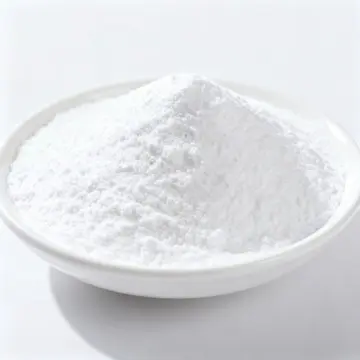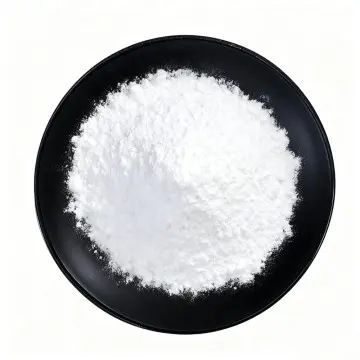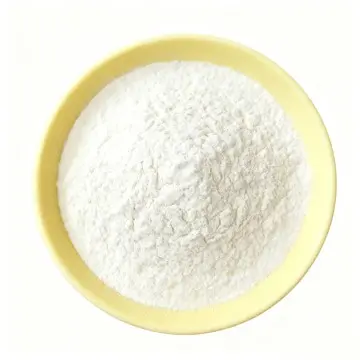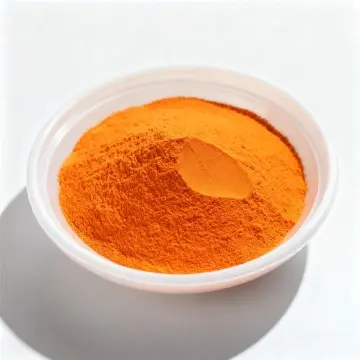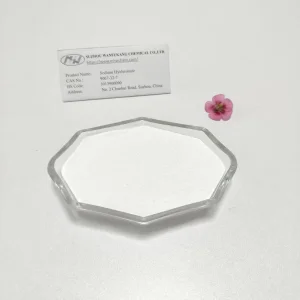
Advanced chemical and biological grade materials optimized for clean cosmetic and pharmaceutical formulation.
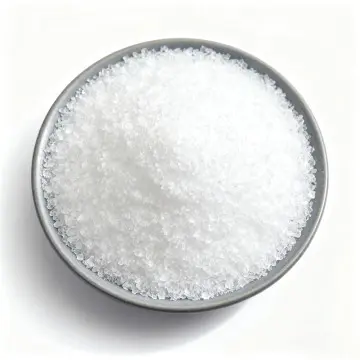
In modern clinical skin science, the formulation balance of Active Pharmaceutical Ingredients (APIs) has shifted toward physiological synergy. Specifically, combining Glycolic Acid (an Alpha-Hydroxy Acid - AHA) and Hyaluronic Acid (HA / Sodium Hyaluronate) represents a premier therapeutic combination. While Glycolic Acid exfoliates dead keratinocytes by desquamating desmosomes in the stratum corneum, it simultaneously increases cellular turnover. However, this process can temporarily disrupt the lipid barrier, inducing trans-epidermal water loss (TEWL).
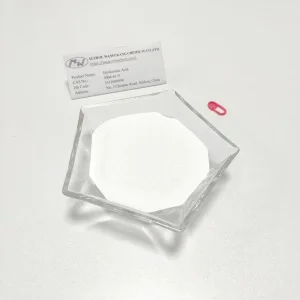
This is where high-quality Hyaluronic Acid acts as the ultimate balancing biomolecule. By binding up to 1,000 times its molecular weight in water, HA instantly replenishes the cellular matrix, mitigates chemical-induced irritation, and provides a continuous hydration reservoir. For global skincare brands, sourcing both chemical exfoliants and biological humectants from a unified, quality-certified supply chain is critical to manufacturing stable, high-performance serums, peels, and creams.
"The strategic combination of Glycolic Acid (AHA) and Hyaluronic Acid allows formulations to achieve maximum dermatological efficacy—cellular resurfacing and deep plumping—without compromising the skin's protective lipid barrier."
The global demand for cosmeceutical-grade ingredients has reached record highs, driven by consumer expectations for clinical-grade skincare. B2B buyers across Europe, North America, and the Asia-Pacific region are prioritizing suppliers who offer complete compliance portfolios, including FDA registrations, GMP certifications, and ISO standard validations.
Furthermore, sourcing agents are moving away from single-ingredient vendors. The current trend favors integrated manufacturers that provide customized ingredient complexes—such as pre-stabilized solutions of varying molecular weight Hyaluronic Acid coupled with target exfoliating acids. This consolidated supply chain lowers logistics costs, mitigates assay variance, and ensures strict quality control across all active ingredients.
China's chemical and biotech manufacturing sector has undergone a profound structural shift toward Industry 4.0. Today, advanced Chinese bio-fermentation facilities utilize automated bioreactors and closed-loop filtration systems to produce Hyaluronic Acid and Sodium Hyaluronate with exceptional batch-to-batch consistency.
By integrating real-time HPLC (High-Performance Liquid Chromatography) testing and precise molecular weight control technology, manufacturers like Suzhou Wanfukang Chemical Co., Ltd. ensure that active cosmetic ingredients achieve maximum biological activity. This technological foundation, combined with China's robust deep-water shipping infrastructure, offers international B2B buyers unparalleled supply security, pricing stability, and compliance reliability.
Reliable global delivery for standard and custom specification active raw materials.
Suzhou Wanfukang Chemical Co., Ltd. is a specialized manufacturer and global supplier of Sodium Hyaluronate, Hyaluronic Acid, and premium functional active cosmetic ingredients. With nearly a decade of clinical-grade biochemical refinement experience, we support brands across Europe, North America, and Asia.
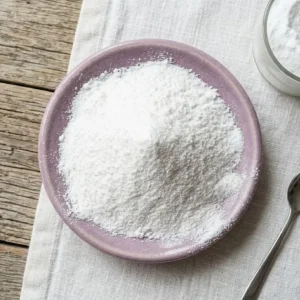
Our production capabilities cover cosmetic grade, food grade, and pharmaceutical grade sodium hyaluronate. By utilizing advanced automated bio-fermentation processes, we ensure high purity, strict molecular weight dispersion, and absolute safety profile alignment.
A comprehensive overview of cosmetic, food, and pharmaceutical grade ingredients.
Analyze how regional formulation markets are adopting high-purity active compounds.
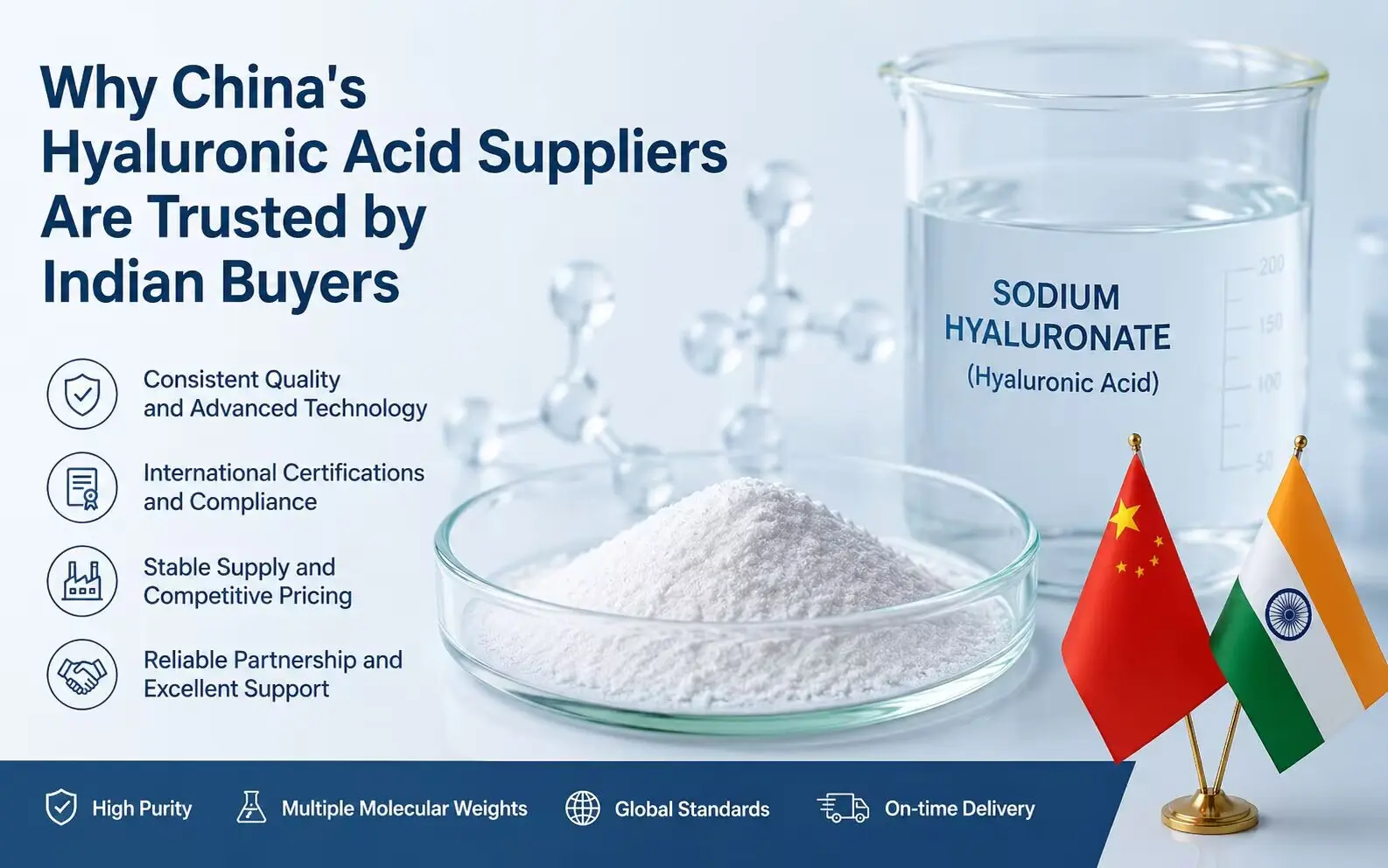
India's cosmetic, pharmaceutical, and health supplement sectors are experiencing explosive growth. Indian brands rely on Chinese manufacturers for raw materials due to high batch consistency, prompt delivery, and compliance certifications like GMP and DMF.
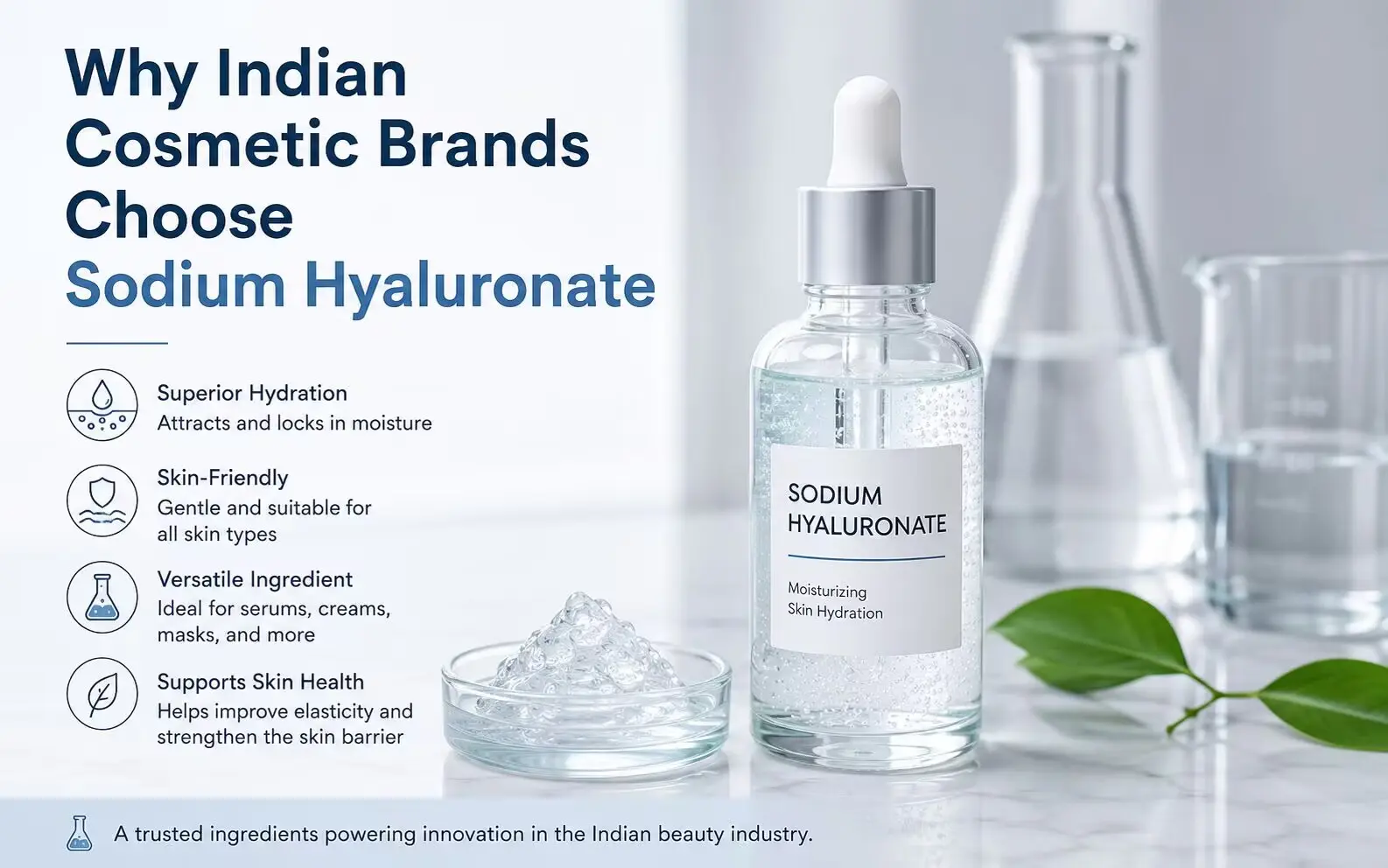
Sodium Hyaluronate remains the gold standard in dermal hydration. Indian cosmetic brands incorporate varying molecular weights of HA into creams, serums, and sunscreens to combat environmental stressors and maintain the skin's moisture balance.
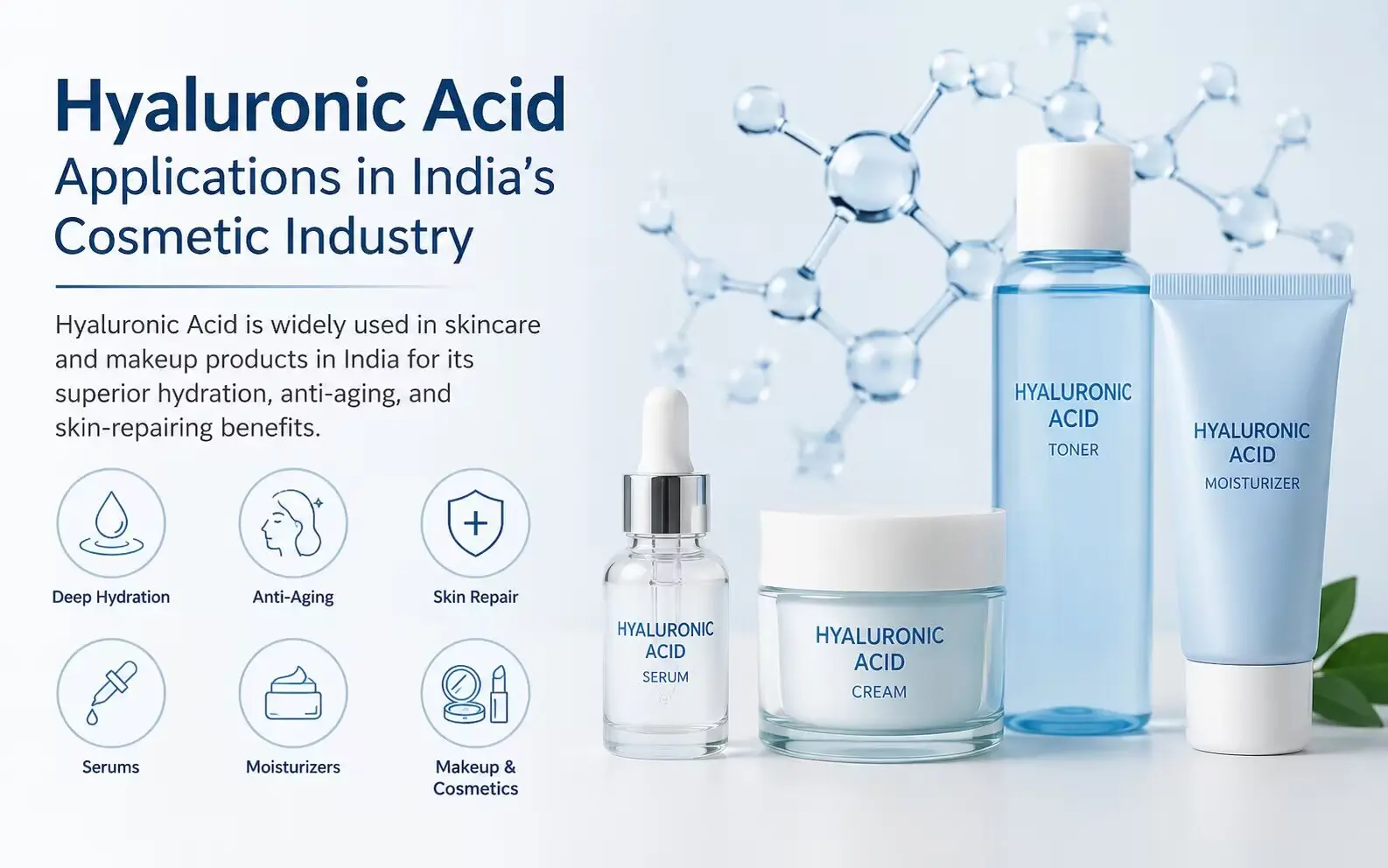
Formulation innovations show that combining botanical extracts, AHAs, and Hyaluronic Acid delivers superior anti-aging benefits. This synergy driving ingredient procurement is transforming topical skin treatments across the subcontinent.
Formulating skin peeling systems containing both Glycolic Acid and Sodium Hyaluronate requires precise chemical balancing. Glycolic Acid, an alpha-hydroxy carboxylic acid, has a low pKa of approximately 3.83. This requires the formulation pH to remain highly acidic for optimal skin desquamation. Conversely, Sodium Hyaluronate is the sodium salt of hyaluronic acid, which can degrade via acid hydrolysis under low pH conditions if not stabilized with appropriate buffering agents.
To prevent viscosity loss and preserve molecular integrity, professional formulators apply a staged mixing sequence. Utilizing a combination of medium and high molecular weight Sodium Hyaluronate creates an elastic polymeric network that is more resilient to hydrolysis. Adding sodium citrate or disodium phosphate buffers stabilizes the pH at the optimal therapeutic range of 3.8 to 4.2. This ensures the Glycolic Acid remains bio-available while protecting the Hyaluronic Acid from rapid degradation.
From a regulatory perspective, suppliers must guarantee low heavy metal profiles, low endotoxin levels, and high microbiological purity. These parameters are crucial for brands distributing products in highly regulated markets governed by the EU Cosmetics Regulation (EC No. 1223/2009) and the US Modernization of Cosmetics Regulation Act (MoCRA).
Technical guidance and sourcing tips for raw cosmetic ingredients.
Yes. Combining them creates an optimal clinical treatment where Glycolic Acid exfoliates the surface and Hyaluronic Acid immediately replenishes hydration. This synergy helps prevent dryness and irritation while maintaining skin barrier health.
Our Cosmetic and Food Grade Sodium Hyaluronate has a shelf life of 24 months from the manufacturing date, provided it is kept in original, unopened packaging, protected from light, and stored in a cool, dry area.
Yes. All of our active ingredients—including Sodium Hyaluronate, Niacinamide, and Arbutin—comply with the US MoCRA guidelines, EU Cosmetics Regulation, and are supported by COA, MSDS, and Kosher/Halal certifications where applicable.
Standard packaging for bulk raw powders starts at 1 kg. Larger orders are packaged in 25 kg fiber drums. Please contact our sales team to discuss specific custom formulation needs.
Explore our highly refined chemical and biotech raw materials for diverse formulation needs.