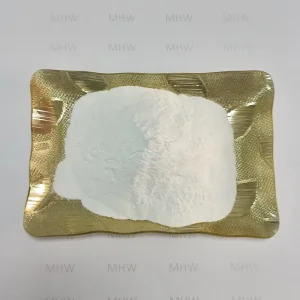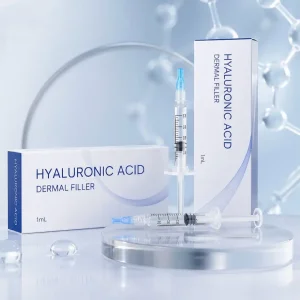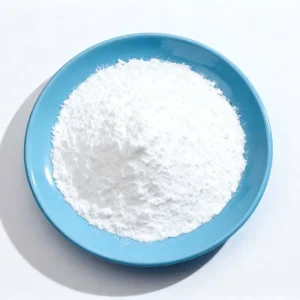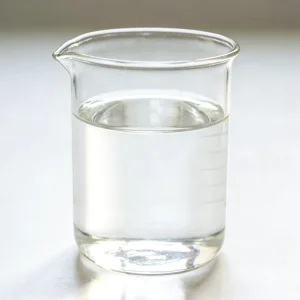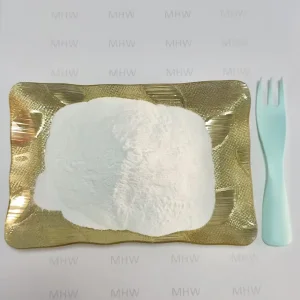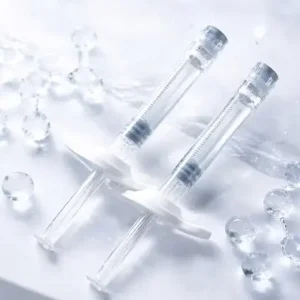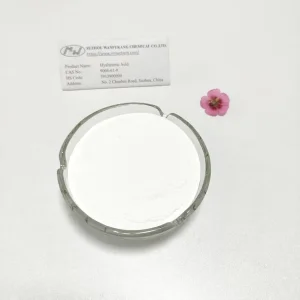
Discover our highly sought-after functional compounds, manufactured under rigorous quality systems to meet the most exacting industrial specifications.
Executive Summary: The global Hyaluronic Acid (HA) market is transitioning from simple cosmetic hydration to highly specialized, bio-engineered structures designed for target therapeutic efficacy. In the B2B supply chain, evaluating "Before and After" efficacy goes beyond aesthetic claims; it requires understanding molecular weight dynamics, cross-linking configurations, and microbial fermentation purity profiles that define clinical outcomes.
Hyaluronic acid, a naturally occurring glycosaminoglycan, has transitioned from a niche luxury ingredient to a core molecule across three massive global sectors: Aesthetics & Medical Devices (dermal fillers, joint lubricants), Topical Cosmetics (hydrating serums, anti-aging creams), and Nutraceuticals (oral supplements for joint and skin health). The demand is driven by the paradigm shift toward bio-compatible active ingredients.
In B2B commerce, the benchmark of "before and after" is measured by objective physiological milestones. For medical aesthetics, it is the cross-linked degradation rate and tissue integration index. For skincare, it is the depth of transdermal penetration and long-term epidermal hydration metrics. As a result, sourcing must focus on precise raw material control, batch-to-batch consistency, and compliance with global pharmacopoeias.
China has established itself as the global powerhouse for Hyaluronic Acid production, accounting for over 70% of the world's market share. This dominance is not built on cost alone, but on significant technological advantages in microbial fermentation:
| Grade Category | Molecular Weight Range | Key Industrial Applications | Purity & Standards Compliance |
|---|---|---|---|
| Injectable/Pharma Grade | 1.0 - 2.5 MDa | Dermal Fillers, Intra-articular Injections, Anti-adhesion Barriers | EP, USP, ChP compliant, Endotoxin <0.05 IU/mg |
| Cosmetic Grade (High MW) | 1.5 - 2.0 MDa | Surface Film-forming, Barrier Protection, Creams | Assay ≥ 95.0%, Protein < 0.1% |
| Cosmetic Grade (Oligo HA) | < 10 kDa | Deep Skin Penetration, Transdermal Delivery, Intensive Serums | Transdermal absorption index ≥ 90% |
| Food Grade | 0.8 - 1.2 MDa | Oral Supplements, Nutraceutical Drinks, Joint Care Formulas | Non-GMO, Kosher/Halal certified, Assay ≥ 90.0% |
To optimize product development, brands must tailor their raw material selection to regional requirements and localized formulation trends:
Procuring Hyaluronic Acid at an industrial scale demands stringent verification of compliance and analytical testing. B2B buyers must prioritize:
1. Analytical Verification: Every shipment must include comprehensive High-Performance Liquid Chromatography (HPLC) profiles detailing molecular weight distribution and assay levels.
2. Microbiological Integrity: Particularly for injection and ophthalmic grades, suppliers must guarantee sterile manufacturing environments and zero bacterial endotoxin contamination.
3. Formulation Synergy: Hyaluronic Acid is rarely formulated alone. To maximize "before and after" efficacy, manufacturers combine HA with synergistic actives like Niacinamide (for skin brightening), Coenzyme Q10 (for cellular energy), Vitamin C (for collagen synthesis), and Chondroitin Sulfate (for targeted joint care formulations).
The next generation of HA innovation revolves around Acetylated Sodium Hyaluronate and Hydrolyzed Hyaluronic Acid. Acetylation enhances lipophilicity, allowing the molecule to adhere to the skin barrier more effectively and resist degradation by endogenous hyaluronidase enzymes. Simultaneously, the demand for non-animal-derived materials continues to drive improvements in synthetic biology, ensuring completely vegan and sustainable production pathways.
Backed by decades of experience and optimized manufacturing setups, we supply the global market with confidence.
Suzhou Wanfukang Chemical Co., Ltd, is a professional supplier of Sodium Hyaluronate and Hyaluronic Acid for many years. We provide every grade of sodium hyaluronate, including food grade, cosmetic grade, and pharmaceutical grade.
With the development of our business, our portfolio has extended to cosmetic ingredients, health food materials, and pharmaceutical ingredients. Many of our products are widely applied in cosmetics, joint health products, and medical applications globally.



Wanfukang specializes in the development and export of premium cosmetic and food ingredients designed for synergistic formulations.
Stay updated with the latest technological and geopolitical updates shaping the global hyaluronic acid sourcing landscape.
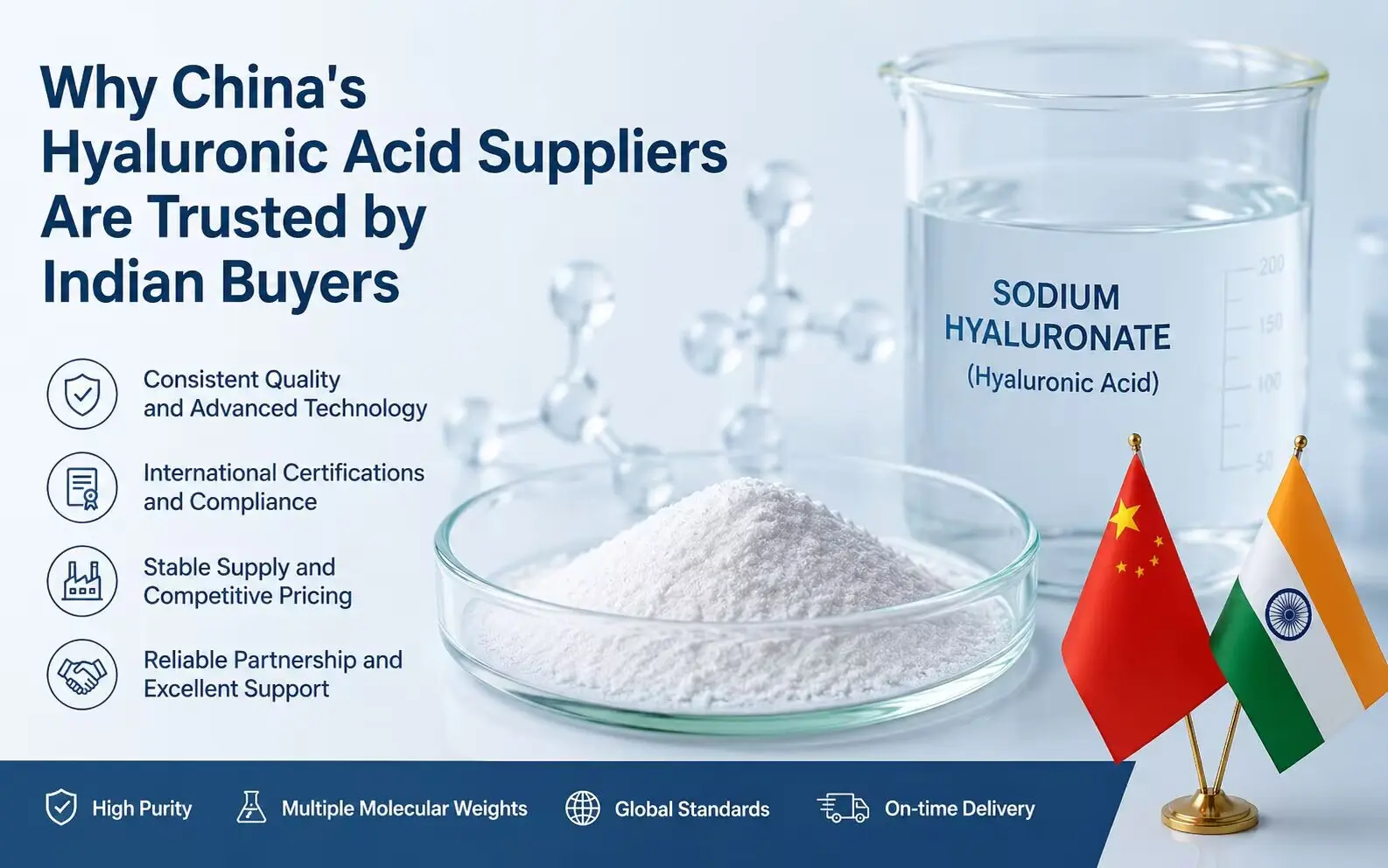
With the rapid development of India's cosmetics, pharmaceutical, and health supplement industries, market demand for sodium hyaluronate has expanded. Discover why Chinese bio-fermentation quality holds long-term trust...
Read More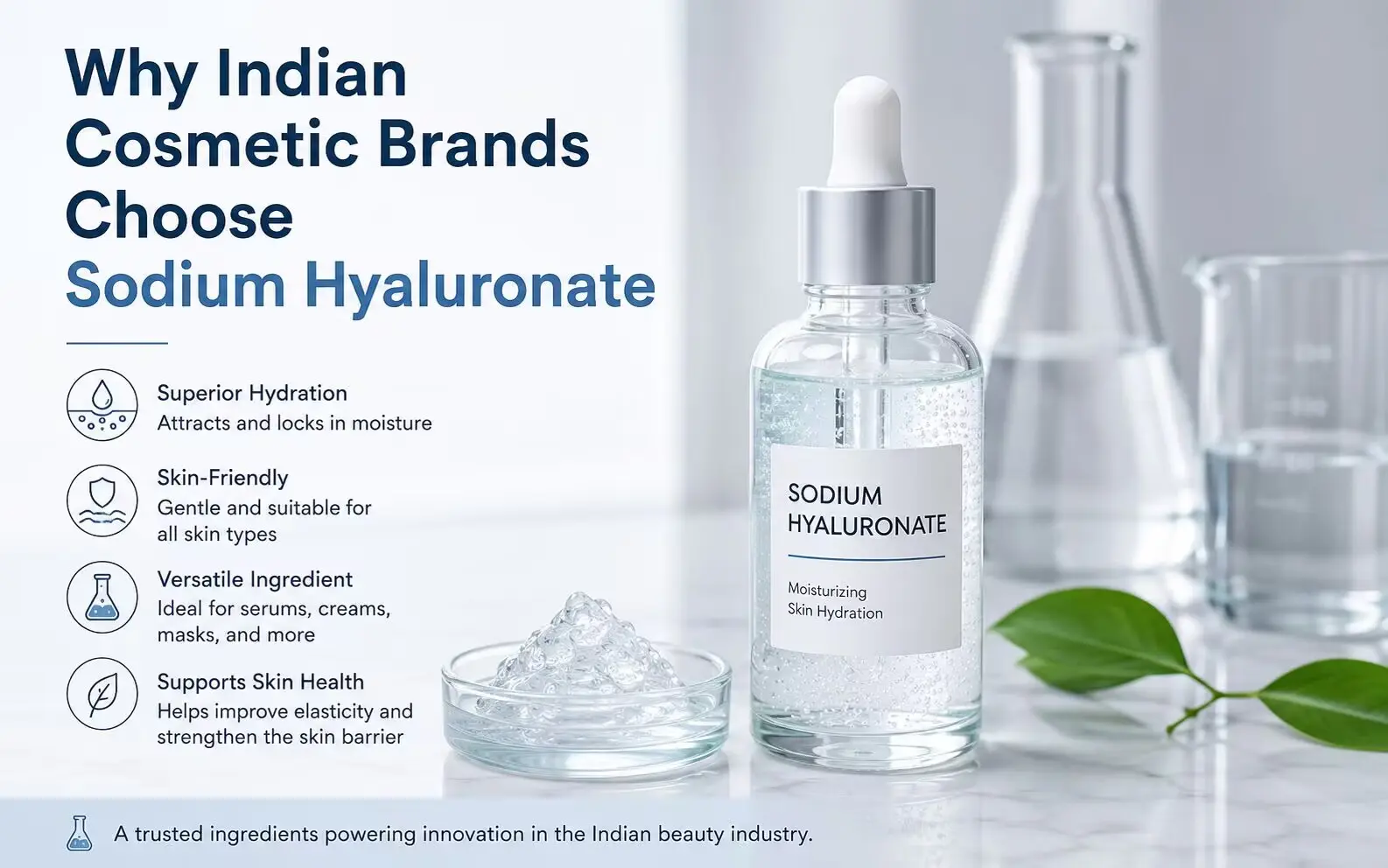
As Indian consumers raise expectations for active ingredients, local cosmetic developers are integrating high-performance sodium hyaluronate into lightweight serums and hydration therapies...
Read More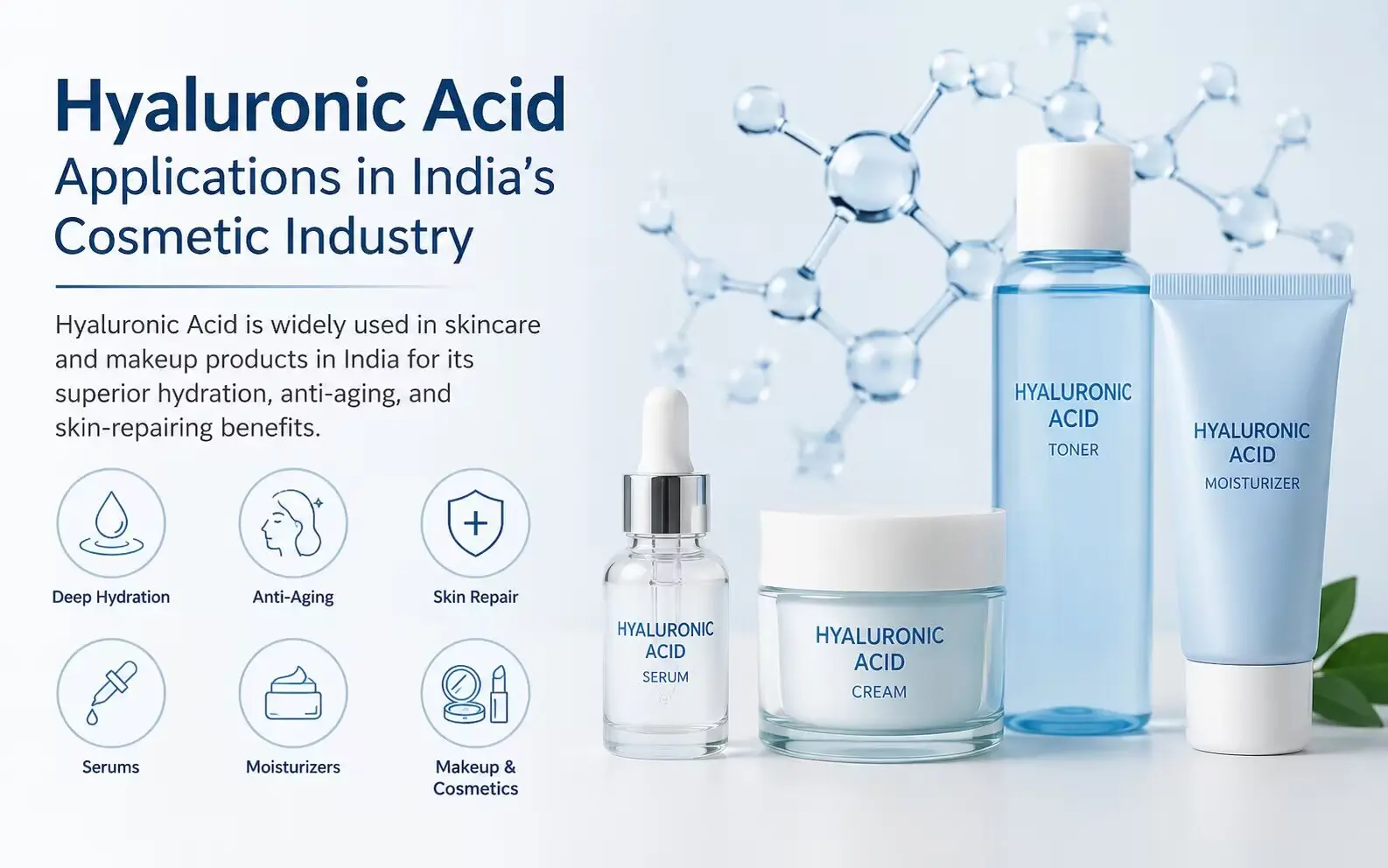
Explore how the rising middle-class consumer demographic in South Asia is driving high-density HA serum formulations, hydration-locking makeup bases, and sun recovery complexes...
Read MoreTechnical and procurement answers regarding Sodium Hyaluronate sourcing and application.
The "before and after" efficacy is heavily determined by the molecular weight distribution of the raw material. High molecular weight (HMW) HA (>1.8 MDa) forms a protective, non-occlusive film on the skin surface to lock in moisture. In contrast, Low Molecular Weight (LMW) HA (<100 kDa) or Oligo HA (<10 kDa) penetrates the stratum corneum to stimulate internal hydration dynamics and collagen pathway activation.
Our pharmaceutical and injection-grade sodium hyaluronate undergoes strict microbial bio-fermentation, followed by multiple purification processes. This ensures low protein content, minimal heavy metal residues, and endotoxin levels far below the USP/EP pharmacopoeia requirements (<0.05 IU/mg), minimizing risk of immunogenic reactions.
Non-cross-linked HA is a linear chain that dissolves quickly in water and is metabolized by the body's natural hyaluronidase enzymes within days. Cross-linked HA utilizes linkers (typically BDDE) to bind the polymer chains together into a structural gel network. This delays enzymatic degradation, making it suitable for long-lasting tissue filling and joint lubrication.
We supply complete analytical support, including Certificates of Analysis (COA), Safety Data Sheets (SDS), Technical Data Sheets (TDS), and documentation for Kosher, Halal, ISO, and non-animal origin verification to ensure seamless customs clearance and formulation approval.
Select from our dedicated range of active compounds to refine your product formulations.