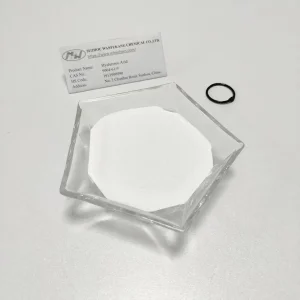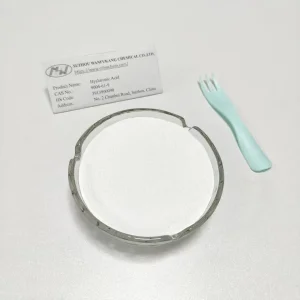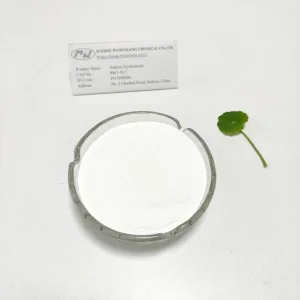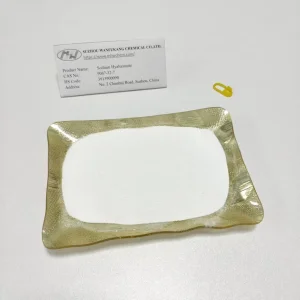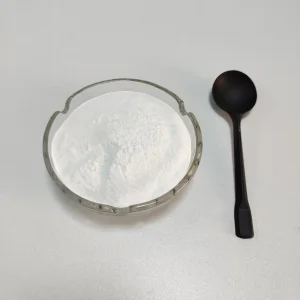
Explore our highly certified bio-fermented Sodium Hyaluronate series optimized for high-transdermal delivery, nutrient encapsulation, and supplement formulation stability.
Evaluating the integration of Nutricosmetics and Multi-Active formulations across global B2B sectors.
The convergence of topical cosmetics and nutritional ingestibles has created a massive demand for dual-action ingredients. Brands are looking beyond traditional moisturizers to integrate hyaluronic acid and key vitamins (such as Vitamin C, Vitamin A, and Niacinamide) to address cellular regeneration, UV protection, and hydration from within.
Historically extracted from animal tissues, modern high-grade sodium hyaluronate is exclusively obtained via microbial fermentation (Streptococcus zooepidemicus). This guarantees non-animal origin, vegan compliance, and minimum bacterial endotoxin profiles essential for eye-drop and injection grades.
Global formulation requirements dictate the use of customized molecular weights. High molecular weight (>1.6 MDa) is preferred for long-chain protective films and joint lubricants, while Low/Oligo molecular weights (<10 kDa) are demanded for deep transdermal delivery and cell-matrix repair.
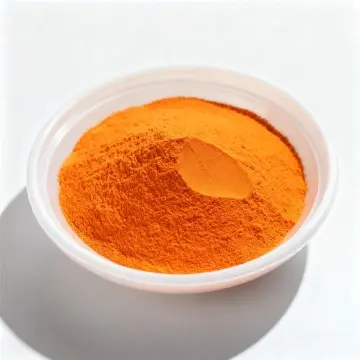
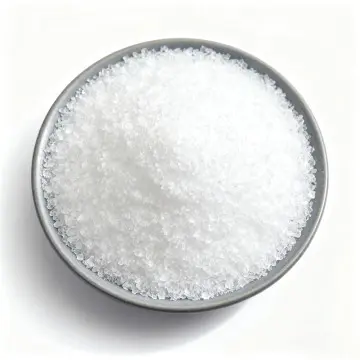
For modern formulations, sourcing from an integrated supplier capable of offering both premium Sodium Hyaluronate (HA) and core vitamin complexes (like Vitamin C, Niacinamide, and Coenzyme Q10) ensures cross-compatibility and streamlines chemical procurement supply lines. As regulatory policies in North America (FDA), Europe (EFSA), and India (FSSAI) tighten around safety documentation, selecting a manufacturer with robust analytical profiling becomes paramount.
Understanding critical quality parameters when evaluating Sodium Hyaluronate and multi-vitamin raw materials.
For cosmetic grade applications, an assay of 98% min Sodium Hyaluronate is standard, whereas injection-grade demands 99.0% min with ultra-low protein residues (≤0.05%) and controlled heavy metal counts. When buying Vitamin products like Niacinamide or Vitamin C, the assay should ideally match 99% min to avoid secondary ingredient reactions.
Especially crucial for eye drop and injection grade raw materials, endotoxin content must be strictly kept under 0.05 IU/mg. This level is achieved only via deep sterilization, high-efficiency purification steps, and pharmaceutical-grade cleanroom packaging.
Global suppliers must maintain multi-level quality systems. Ensure your supplier complies with:
How automation, fermentation controls, and strategic logistics minimize raw material volatility.
In the highly competitive bio-chemical sector, factory efficiency translates directly to purity and pricing stability. China's Factory 4.0 initiatives combine high-throughput automated fermenters with real-time temperature, pH, and oxygen monitoring. This reduces batch-to-batch variation in Sodium Hyaluronate molecular distribution, giving global brands the assurance of product consistency.
Suzhou Wanfukang Chemical Co., Ltd. leverages this ecosystem to manage custom production runs while ensuring large-scale baseline output. With over 500 tons in annual sales volume, our supply chains are structurally protected against raw material fluctuations through long-term partner contracts and strategic domestic sourcing hubs.
Wanfukang specializing in the development and export of cosmetic and food ingredients.
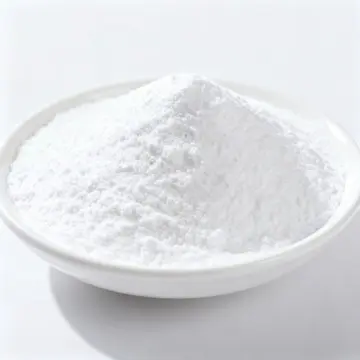
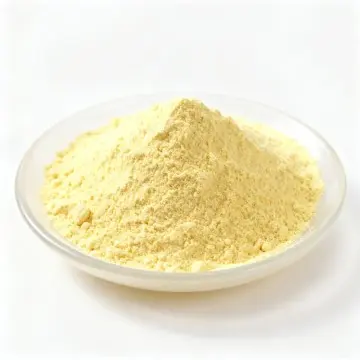
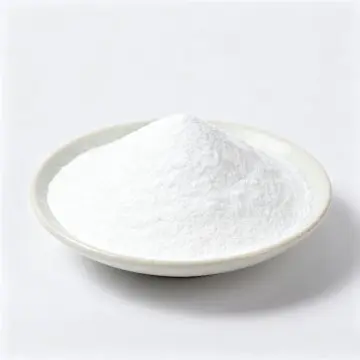
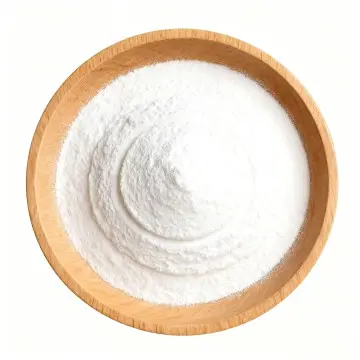
How international formulators customize chemical specifications to local regulatory and cosmetic environments.
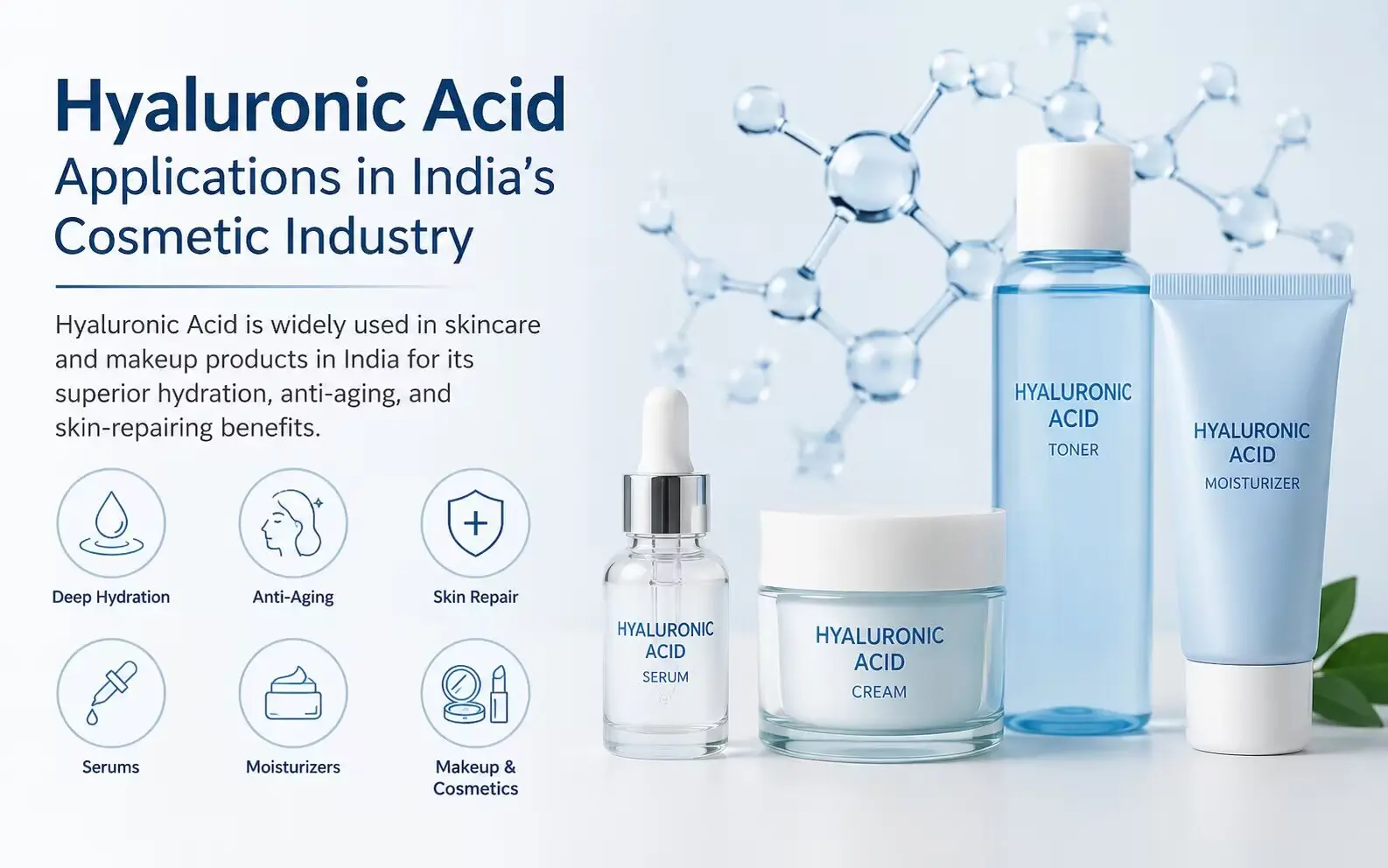
In hot, high-humidity regions like India, consumers demand rapid absorption without greasy residues. Suppliers prioritize low-molecular-weight sodium hyaluronate (200-600 kDa) combined with Niacinamide to deliver dual actions of oil control, skin barrier strengthening, and lightweight hydration.
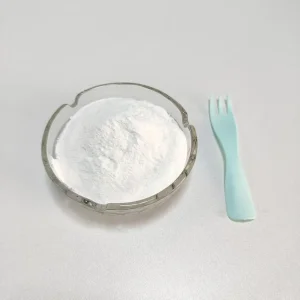
Driven by strict EFSA standards, European procurement managers demand organic and microbial-fermented food-grade hyaluronic acid powder for joint supplements. Formulating these with Chondroitin Sulfate and Vitamin C ensures maximum bioavailability and meets local wellness expectations.
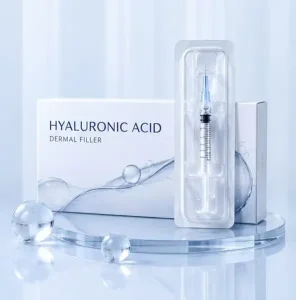
Aesthetic clinics and manufacturers in the US require high-assay, cross-linked hyaluronic acid solutions with zero toxic cross-linking residues. Raw materials must possess high viscoelasticity to guarantee anti-wrinkle efficacy and prolonged structural integrity in dermal tissue.
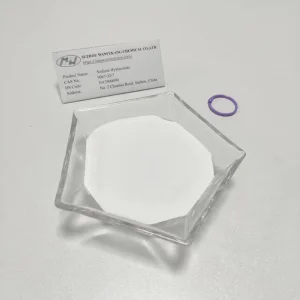
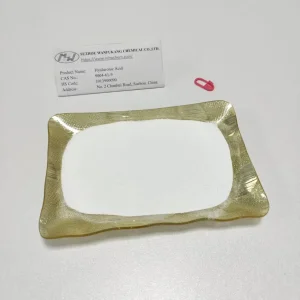
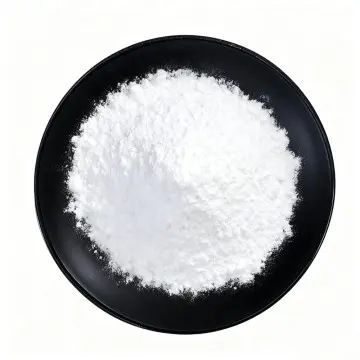
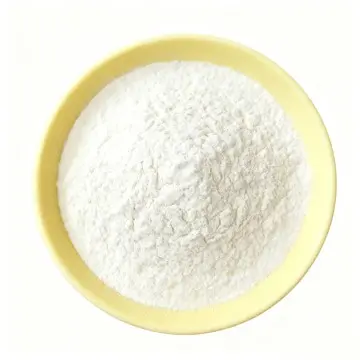
Suzhou Wanfukang Chemical Co., Ltd has established itself as a professional supplier of Sodium Hyaluronate and Hyaluronic Acid for many years. We deliver every grade of sodium hyaluronate, including food grade, cosmetic grade, and pharmaceutical grade.
As our business expanded globally, we developed a comprehensive ingredient portfolio covering high-purity cosmetic ingredients, health food raw materials, and active pharmaceutical ingredients. Our components are widely applied in professional cosmetics, joint health supplements, and advanced medical applications.
Read about the trade dynamics and application methodologies of Sodium Hyaluronate.
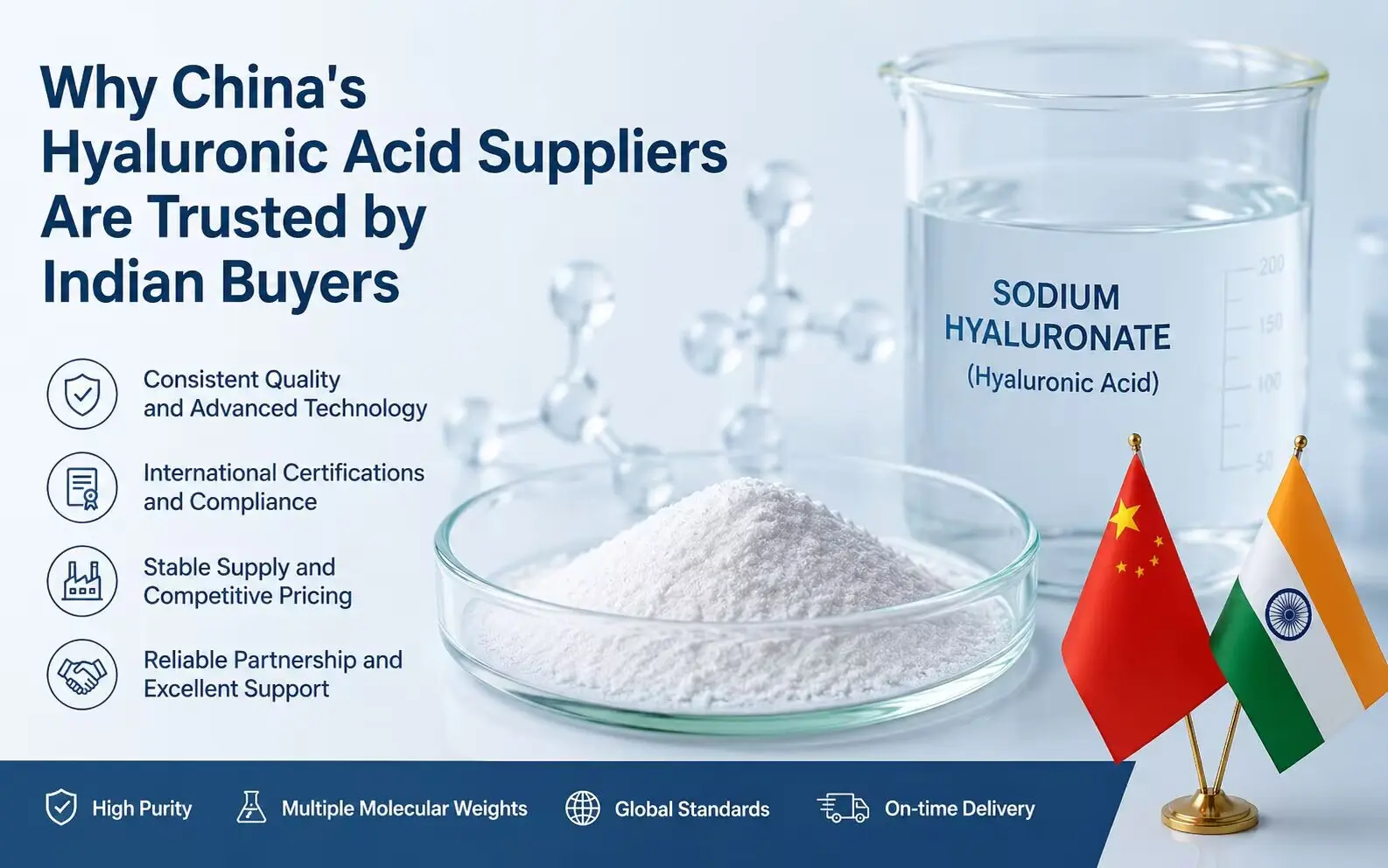
India's cosmetic and pharmaceutical growth requires high purity at sustainable pricing. China-based bio-fermentation factories provide the scale, certification compliance, and low endotoxins required by Indian formulations.
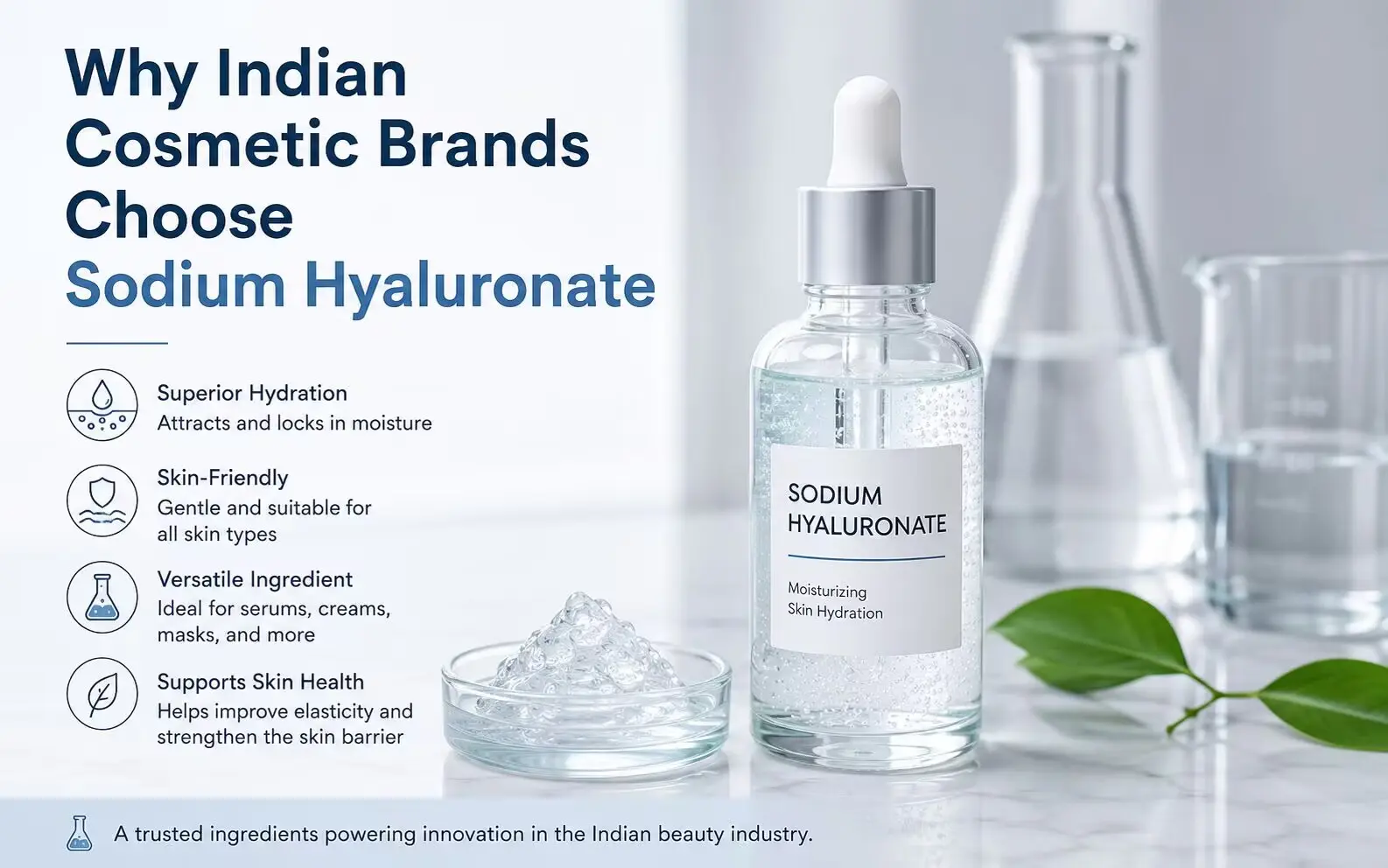
Indian cosmetic brands are shifting towards clean, non-animal-derived actives. Sodium hyaluronate provides reliable stability in water-based formulations, protecting active vitamins from oxidation.
An in-depth look at how local Indian climates influence the ideal molecular weight profile in skin creams, protective serums, and hair care formulations.
Technical and regulatory queries answered by our pharmaceutical and cosmetic application engineers.
Collaborating with global brands to raise standards in product development and chemical distribution.

Review additional high-purity, bio-fermented, and functional grade options available for global export.