Explore our specialized range of high-performance chemical raw materials engineered for advanced skincare and supplement formulations.
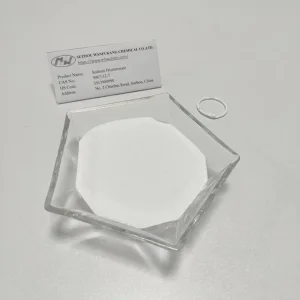
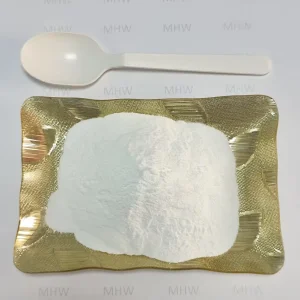
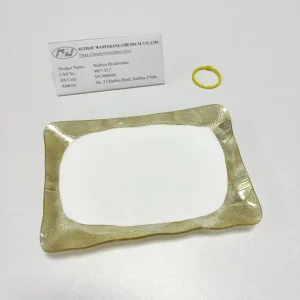
A comprehensive analysis of how advanced molecular weight selection and Chinese manufacturing ecosystems address the sensitive skin global phenomenon.
Rosacea is a chronic inflammatory dermatosis characterized by neurovascular hyper-reactivity, persistent erythema, papules, and an impaired stratum corneum barrier. Skin affected by Rosacea experiences accelerated Transepidermal Water Loss (TEWL), a dramatic decrease in endogenously produced hydration elements, and heightened sensitivity to external chemical triggers.
Historically, formulation scientists struggled to deliver deep hydration to Rosacea sufferers because low-quality humectants often carried impurities (bacterial endotoxins, protein residues) that triggered toll-like receptor activation (specifically TLR-2), worsening inflammatory flares. Research shows that ultra-pure Sodium Hyaluronate, processed with advanced microbial bio-fermentation, provides a multi-functional therapeutic pathway. By layering high molecular weight polymers on the surface to shield the skin, and utilizing purified low molecular weight components deeper in the epidermis, researchers can achieve simultaneous anti-inflammatory signaling and intense hydration.
To meet the global demand for clean, clinical, and hypoallergenic cosmetics, brands are turning to specialized Chinese raw material factories. Suzhou Wanfukang Chemical Co., Ltd. has developed high-assay, ultra-pure bio-fermented Sodium Hyaluronate lines designed specifically to mitigate inflammatory responses. By offering targeted molecular spectrums (from ultra-low Dalton sizes for transdermal repair to cross-linked networks for continuous protection), we provide B2B clients with the raw materials needed to construct dermocosmetics that soothe rosacea, restore hydration, and repair cellular matrices without triggering adverse responses.
Suzhou Wanfukang specializes in the design, development, and export of premium cosmetic and food active ingredients.
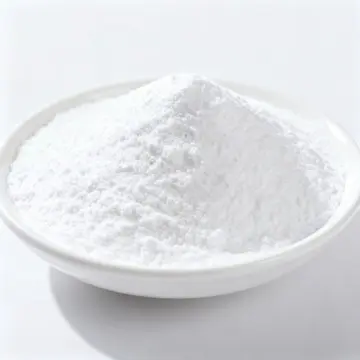
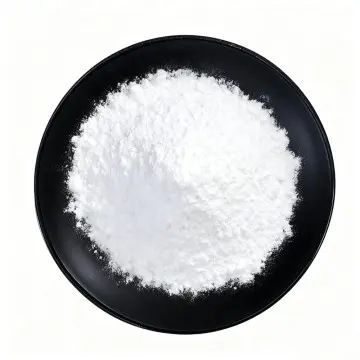
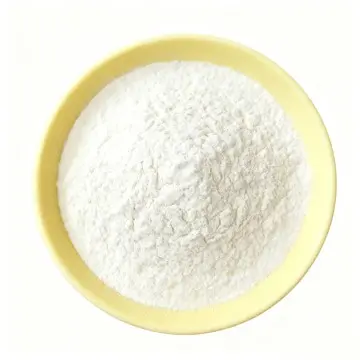
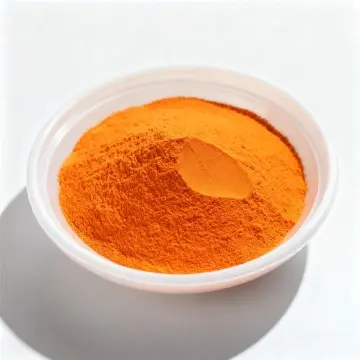


How the molecular configuration of Sodium Hyaluronate determines its path in dermocosmetic clinical formulations.
For normal skin, hydration is a straightforward matter of pulling water into the intracellular matrix. However, for a skin barrier under the constant oxidative stress of Rosacea, molecular size dictates therapeutic outcome:
Clinical testing shows that Sodium Hyaluronate works best when combined with other highly purified actives. In Rosacea formulations, pairing Sodium Hyaluronate with Niacinamide helps reduce vasoactivity and calm redness, while stabilizing the lipid barrier.
Furthermore, incorporating antioxidant cofactors like Coenzyme Q10 improves cellular recovery and protects mitochondria from localized inflammatory oxidation. Formulators can also integrate safe levels of Arbutin to manage post-inflammatory hyperpigmentation, a common issue once erythema subsides. Together, this multi-targeted approach stabilizes inflamed skin, hydrates, and supports barrier recovery.



For years, Suzhou Wanfukang Chemical Co., Ltd has stood as a professional supplier of Sodium Hyaluronate and Hyaluronic Acid. We supply every grade of sodium hyaluronate, including food grade, cosmetic grade, and pharmaceutical grade.
With the continuous growth of our business, we have expanded our portfolio into cosmetic active ingredients, health food raw materials, and specialized pharmaceutical ingredients. Today, our products are widely used in premium clinical cosmetics, joint health supplements, and medical devices globally.
Learn More About UsWhy China's advanced bio-fermentation cluster represents over 80% of the world's Hyaluronic Acid supply chain.
China's bio-fermentation industry has evolved from a bulk commodity supplier into a high-technology ecosystem. Factories in China leverage state-of-the-art bio-reactors, closed-loop purification systems, and strict microbiological controls. This allows us to produce high-purity Hyaluronic Acid at scale.
By controlling raw material synthesis (such as glucose fermentation using non-pathogenic bacterial strains) and investing in advanced purification techniques, Chinese manufacturers offer exceptional batch-to-batch consistency. The resulting cost-efficiencies make medical-grade, low-endotoxin Hyaluronic Acid accessible to cosmetic formulators worldwide. This makes Chinese active ingredients a logical choice for international brands aiming to produce premium skincare lines.
For global brands, sourcing raw materials directly from China means access to competitive pricing, reliable supply chains, and customization options. Suzhou Wanfukang bridges the gap between scientific innovation and raw commercial scale, ensuring that clean, vegan-friendly, and Halal-certified ingredients are ready for global distribution.
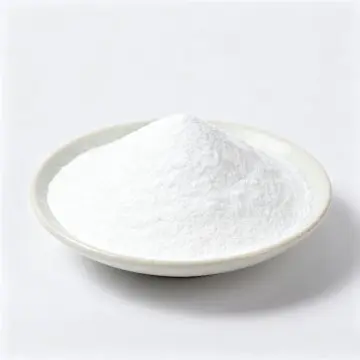
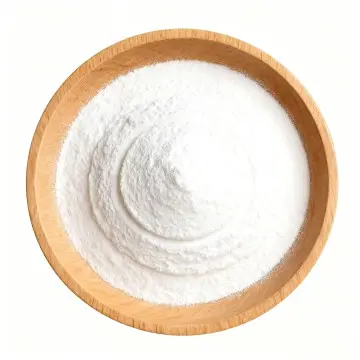
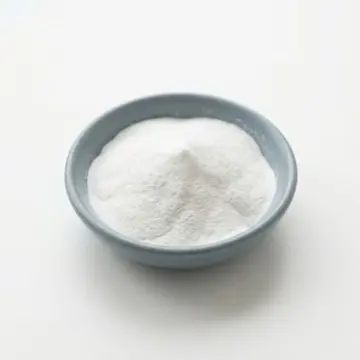
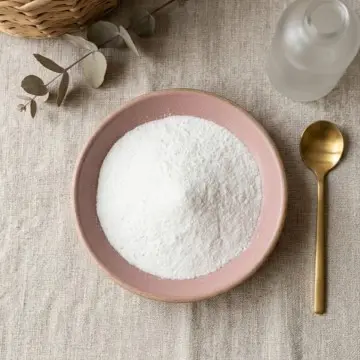
Our most in-demand products, selected for outstanding stability, high assay values, and consistent performance across diverse applications.
How we align with strict international safety standards to support seamless product registration in the EU, US, India, and beyond.
Exporting cosmetic actives globally requires adherence to international standards. Suzhou Wanfukang maintains a comprehensive compliance framework to satisfy strict quality control systems. Our fermentation processes are certified Halal and Vegan friendly. We guarantee that no animal-derived raw materials or secondary agents enter our manufacturing stream, eliminating the risk of animal-source pathogens.
We strictly follow GMP guidelines for cosmetic ingredients, aligning our output with the safety standards of the European Chemicals Agency (ECHA), the United States FDA, and CDSCO in India. This commitment means our clients receive raw materials ready for immediate formulation and regulatory approval.
Every market has unique requirements, from molecular weight tolerances to viscosity and liquid-to-powder ratios. We provide custom formulation, custom molecular weight profiling, and specialized packaging options. This allows cosmetic and supplement manufacturers to adjust their active ingredients to match local preferences and regulatory limits.
Tracing the evolution of bio-synthesized molecules and our investments in next-generation skin barrier repair technologies.
Traditional chemical degradation can leave trace solvents or compromise the structural stability of low molecular weight HA. To address this, Suzhou Wanfukang is investing in enzymatic degradation technology. This process uses purified enzymes to cleave large HA chains at precise points.
The result is a highly uniform molecular weight profile (such as precisely 5,000 Daltons or 50,000 Daltons). This precision is critical for Rosacea formulations, where inconsistent molecular weights can lead to inconsistent penetration depth and unpredictable tissue responses.
Next-generation formulations require active molecules with longer residence times on the skin. By introducing acetyl groups to the Sodium Hyaluronate backbone, we produce Sodium Acetylated Hyaluronate (AcHA). This lipophilic-hydrophilic hybrid molecule adheres firmly to the stratum corneum, providing sustained hydration and barrier protection that withstands washing.
Additionally, we are developing cross-linked HA networks. These networks function as dynamic reservoirs, slowly releasing soothing co-actives over time to help prevent the sudden vascular dilation associated with rosacea.
Expert commentary, export trends, and global supply reports detailing the growth of Chinese Hyaluronic Acid in major international beauty markets.
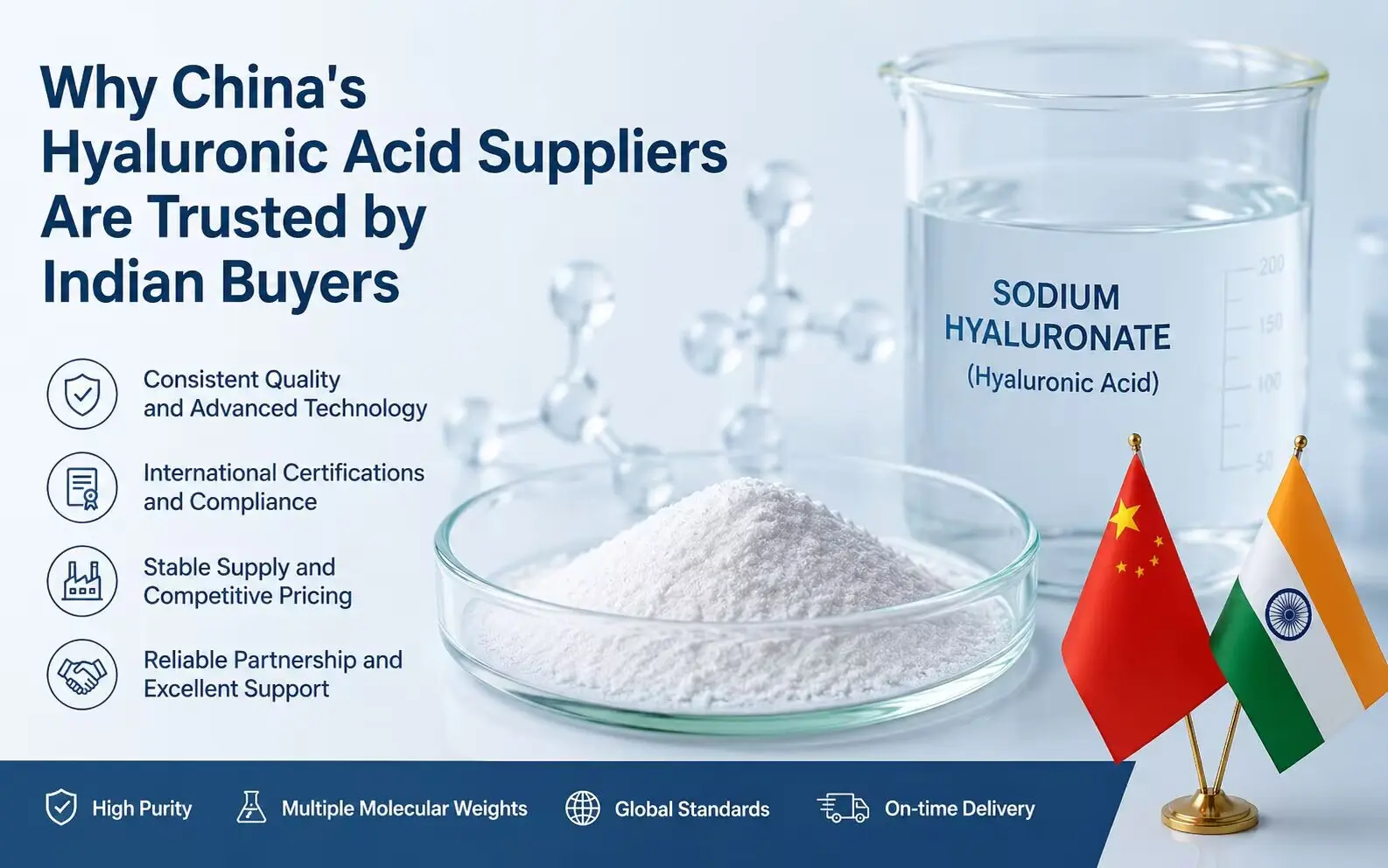
In recent years, with the rapid development of India's cosmetics, pharmaceutical, and food and health product industries, the market demand for hyaluronic acid (HA) and sodium hyaluronate has continued to grow. Against this backdrop, more and more Indian buyers are turning their attention to Chinese suppliers. So, why have Chinese hyaluronic acid suppliers won the long-term trust of Indian buyers?
Read Full Report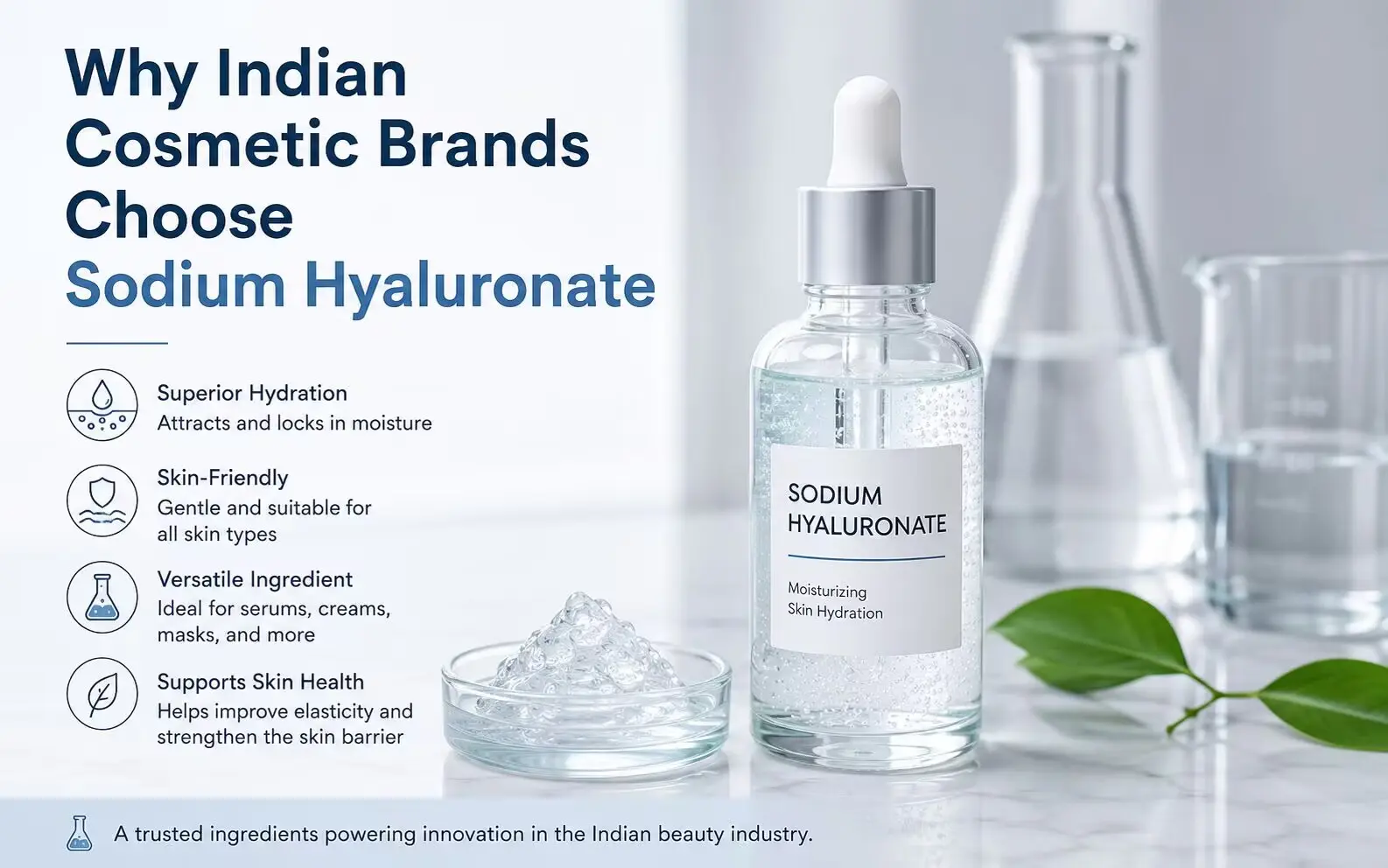
In recent years, with the continued growth of the Indian beauty and personal care market, consumers' demand for highly effective and safe skincare products has been constantly increasing. As a widely used moisturizing ingredient in the international market, sodium hyaluronate is becoming an important choice for more and more Indian cosmetic brands, and is widely used in serums, creams, masks, sunscreens, and makeup.
Read Full Report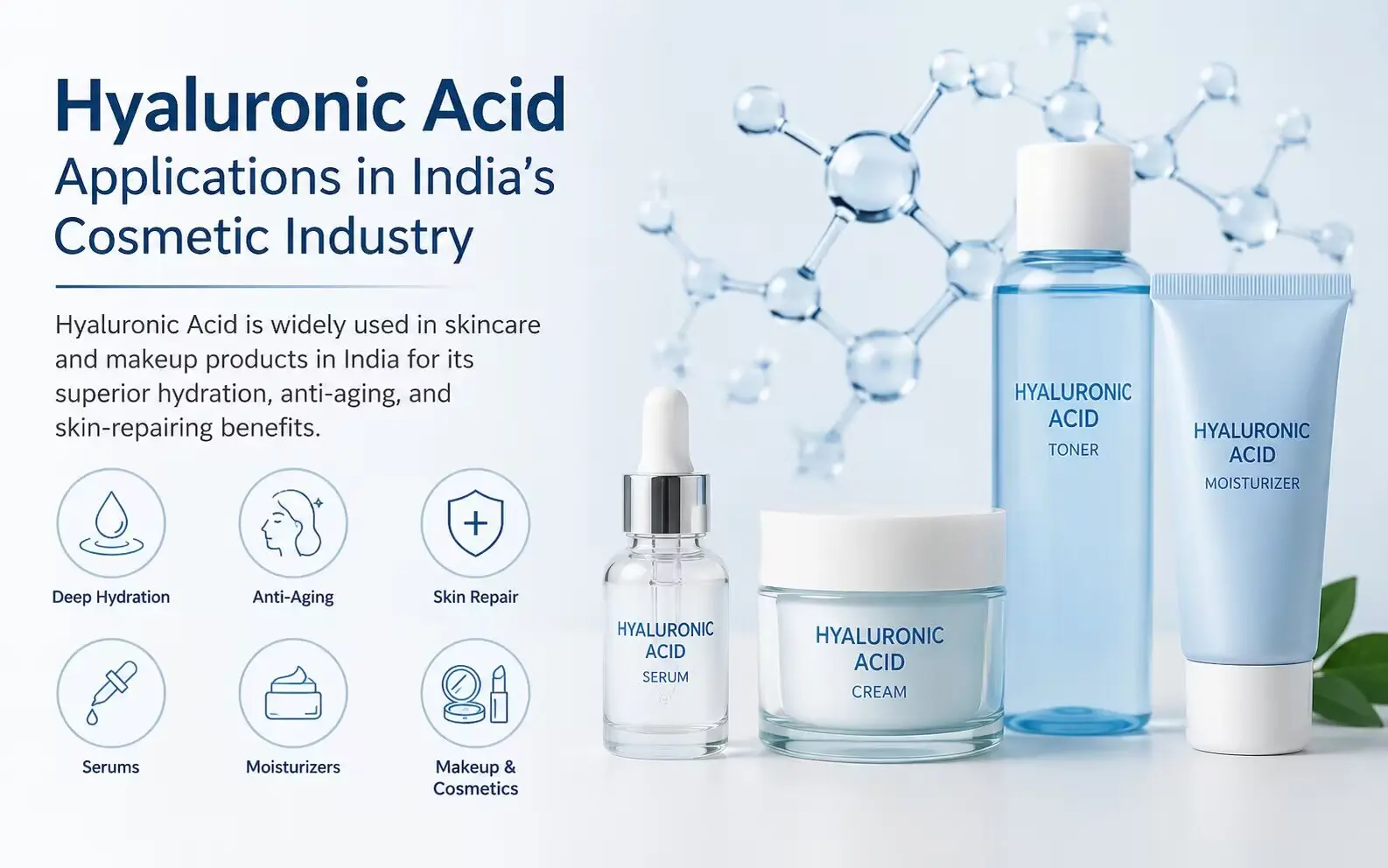
With the continued expansion of the Indian cosmetics market and the growing consumer demand for high-quality skincare products, hyaluronic acid (HA) is gradually becoming one of the most watched functional ingredients in the Indian cosmetics industry.
Read Full ReportDetailed technical answers to common questions about molecular weights, formulations, safety limits, and regulatory concerns.
Review the rest of our specialty active ingredients catalog, optimized for cosmetic, nutritional, and pharmaceutical applications.