Deep-Dive Whitepaper: Next-Gen Hyaluronic Acid Synthesis
1. Scientific Paradigm in Topical Hyaluronic Acid Formulations
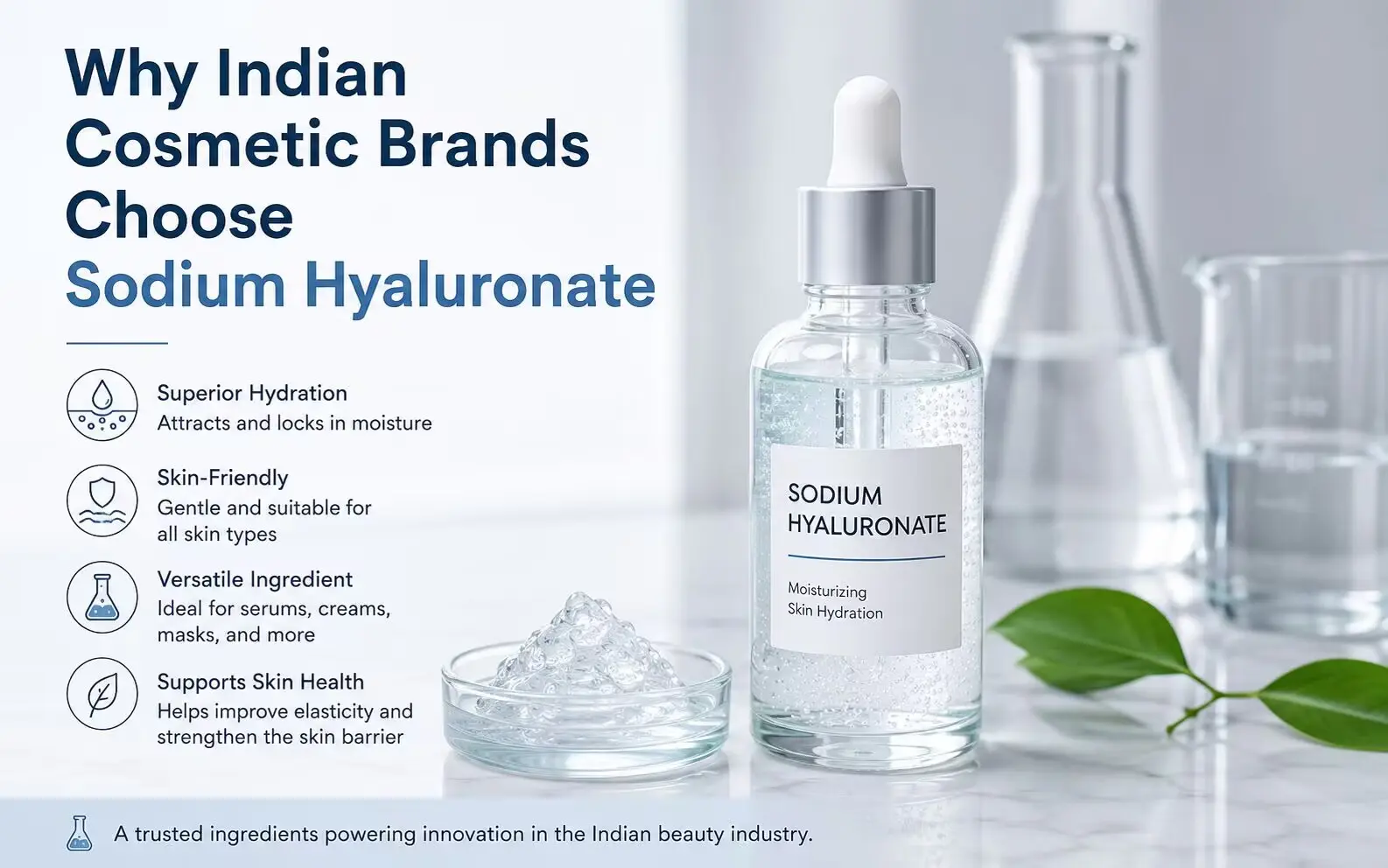
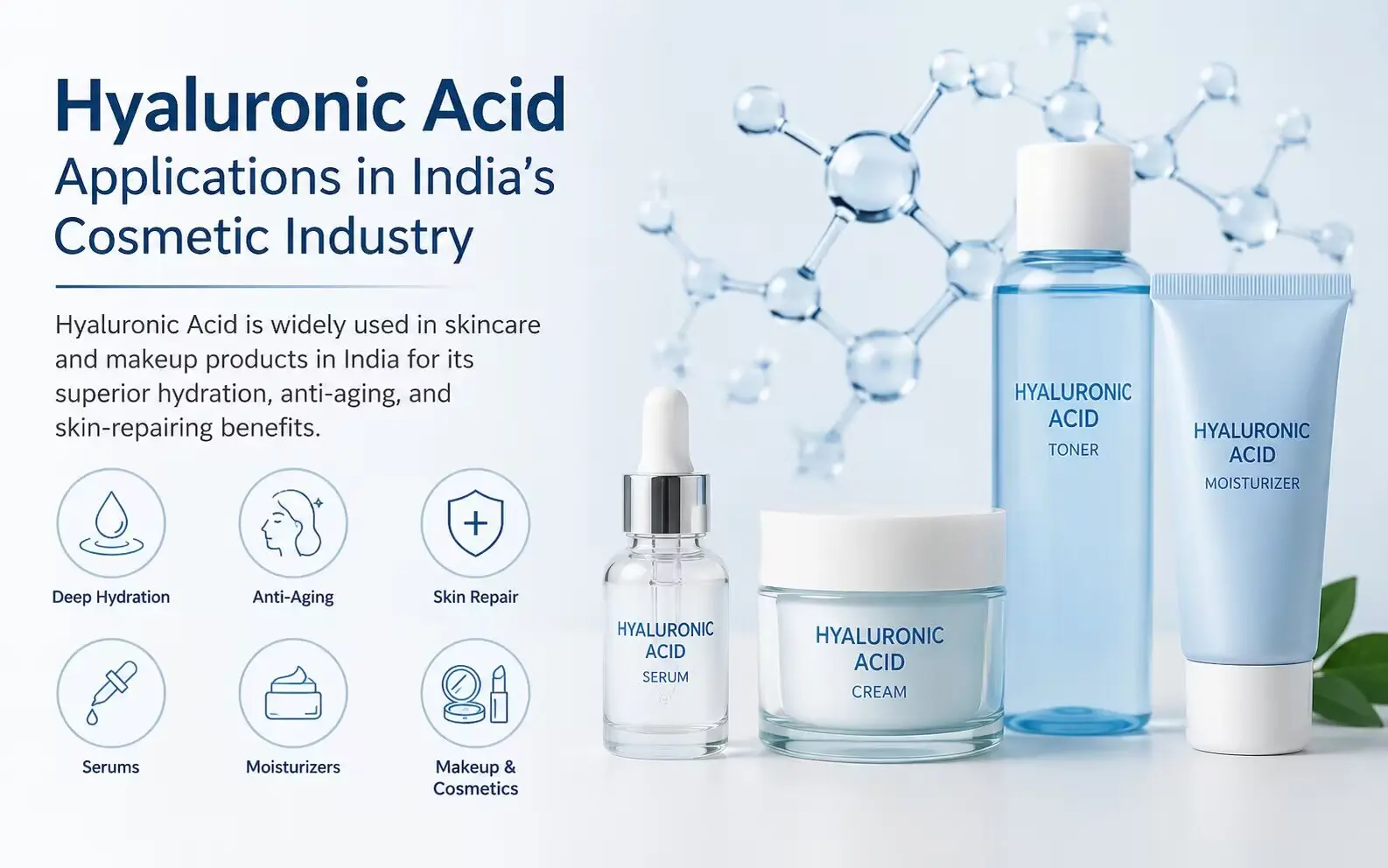
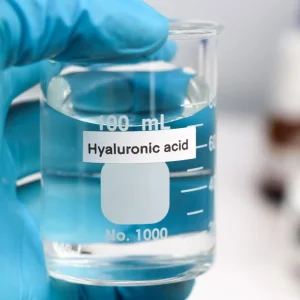
In modern dermatological applications, Hyaluronic Acid (HA) and its active salt form, Sodium Hyaluronate, serve as the baseline matrix for moisture retention, cellular signaling, and mechanical tissue stabilization. The cosmetic raw material market has transitioned from basic hydration claims to structural, multi-depth skin barrier repair. Today's global brands require precise control over polymer distribution patterns in face creams.
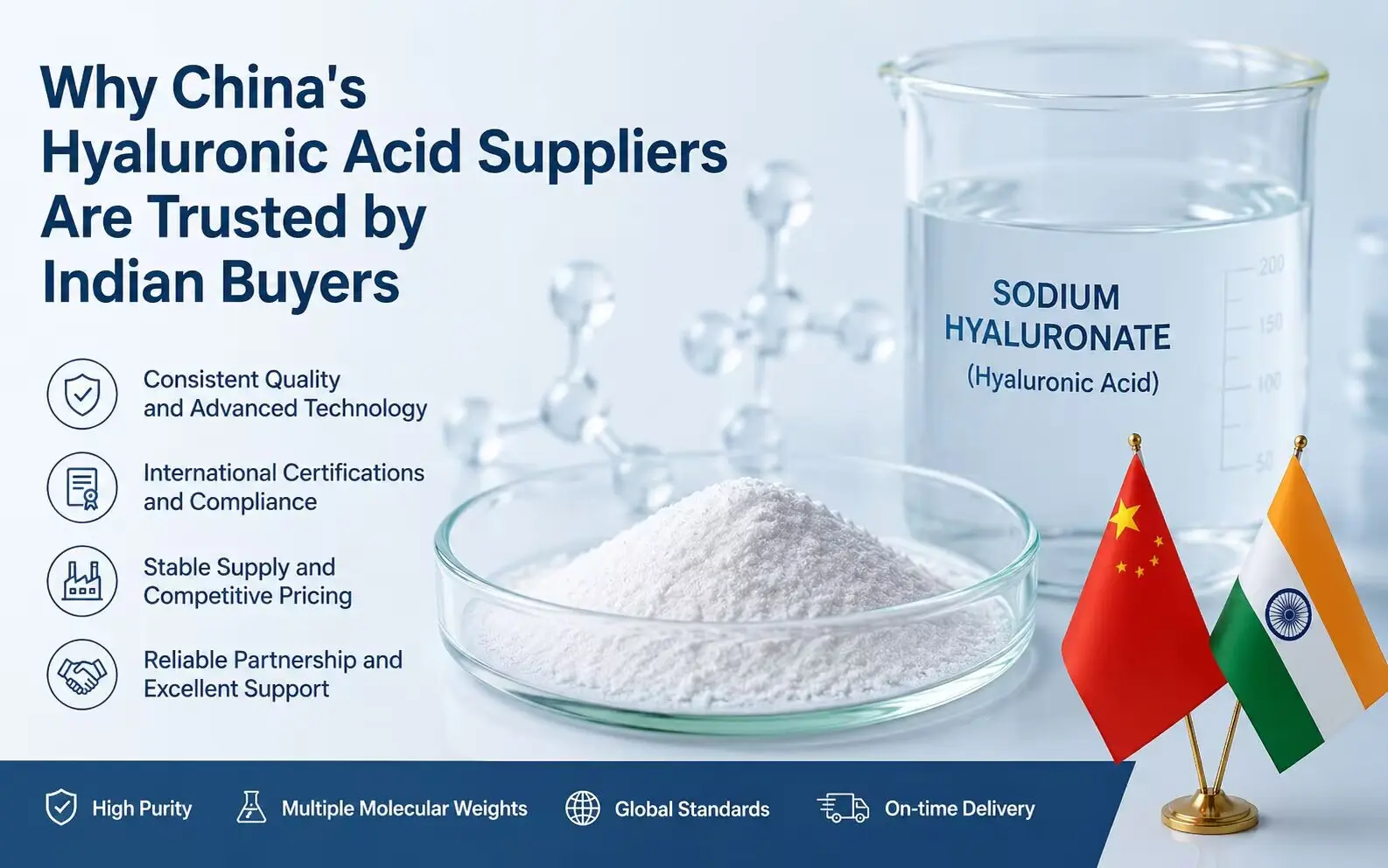
Traditional single-molecular-weight hyaluronic acid solutions only create an occlusive surface layer, which can easily wash off and fails to trigger cellular response. To address this limitation, high-tier Chinese exporters are pioneering multi-stage biochemical synthesis. This process delivers complex molecular systems that blend high, medium, low, and oligo-molecular structures to maximize transdermal efficacy.
2. Technology Roadmap & Future Outlook: Molecular Weight Optimization
The core efficacy of a Hyaluronic Acid face cream is directly determined by the Dalton (Da) weight of the raw material. Chinese manufacturers categorize and engineer these materials into specialized functional bands:
- Ultra-High Molecular Weight (>1.8 MDa): Forms an invisible, breathable elastic hydration film on the stratum corneum, reducing transepidermal water loss (TEWL) by up to 35%.
- Medium Molecular Weight (1.0 MDa to 1.6 MDa): Stabilizes the lipid matrix barrier, acting as an optimal moisture reserve within the superficial epidermal layers.
- Low Molecular Weight (100 kDa to 500 kDa): Penetrates deeper into the epidermal junctions to support cellular cohesion and boost natural defense mechanisms.
- Oligo-HA / Hydrolyzed Hyaluronic Acid (3 kDa to 10 kDa): Transcends the traditional tight junctions of the skin, reaching the dermis to stimulate natural collagen synthesis and activate CD44 cell receptors for structural rejuvenation.
Looking ahead, the industry is transitioning toward customized, cross-linked hyaluronic acid matrixes and bio-engineered peptide-HA complexes. These advances improve resistance to natural hyaluronidase degradation, extending the hydration life cycle within cosmetic emulsions from hours to days.
3. China Factory 4.0: Supply Chain Resilience & Scale Efficiency
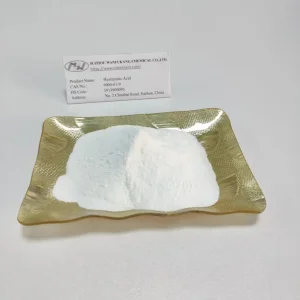
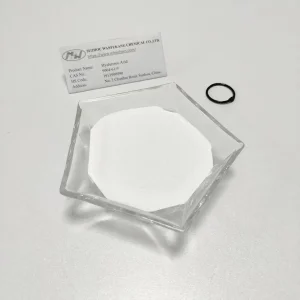
With an annual sales volume exceeding 500 tons and a portfolio of over 600 raw materials, Suzhou Wanfukang Chemical Co., Ltd. represents the cutting edge of Chinese chemical manufacturing. Operating within a high-output, automated industrial ecosystem allows us to balance exceptional purity with cost-efficiency.
Our production facilities utilize automated continuous fermentation loops alongside advanced membrane filtration. This setup ensures batch-to-batch consistency with molecular weight variations kept under ±5%. In addition, integrated clean-in-place (CIP) pipelines reduce microbiological impurities to levels far below international pharmacopoeia limits.
4. Localization Support & Global Regulatory Compliance
Compliance is essential for smooth integration into international supply chains. Suzhou Wanfukang Chemical Co., Ltd. provides comprehensive documentation and regulatory support to streamline importation and formulation verification:
- Certifications: ISO 9001:2015, COSMOS, ECOCERT, Halal, Kosher.
- Regulatory Conformity: Fully compliant with EU REACH registration, US FDA cosmetic ingredient databases, and China's NMPA safety regulations.
- Traceability Documents: We provide full Certificate of Analysis (COA), Material Safety Data Sheets (MSDS), Technical Data Sheets (TDS), and Non-GMO verification statements for every shipping batch.
5. Global Procurement Dynamics & Strategic Sourcing
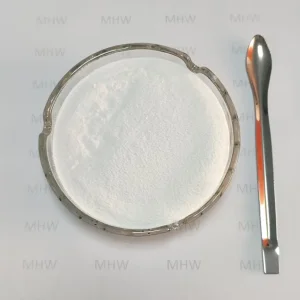
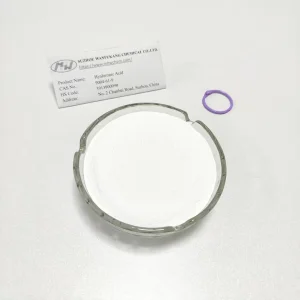
B2B cosmetic procurement managers must balance quality, shipping stability, and technical support. Suzhou Wanfukang Chemical Co., Ltd. delivers customized concentration options, such as 1% and 2% aqueous solutions alongside raw powders, to match diverse production requirements. Our direct-from-factory export network covers more than 20 countries, ensuring secure cold-chain and dry-bulk shipping paths to major hubs across Europe, the Americas, and Asia.