Advanced cosmetic-grade biomaterials and functional compounds curated for global skincare manufacturers.
An in-depth chemical white paper on the role of specialized sodium hyaluronate in restorative dermatological formulations.
The global personal care market is witnessing a structural transition from basic skin moisturization to targeted skin barrier rehabilitation. Hyaluronic Acid (HA), particularly in hand cream formulations, has evolved from a premium additive to a fundamental structural component. The skin on the hands is uniquely vulnerable to environmental stressors, chemical exposures (via surfactants and sanitizers), and UV-induced photo-aging. This has generated a surge in international B2B demand for multi-molecular weight Hyaluronic Acid raw materials.
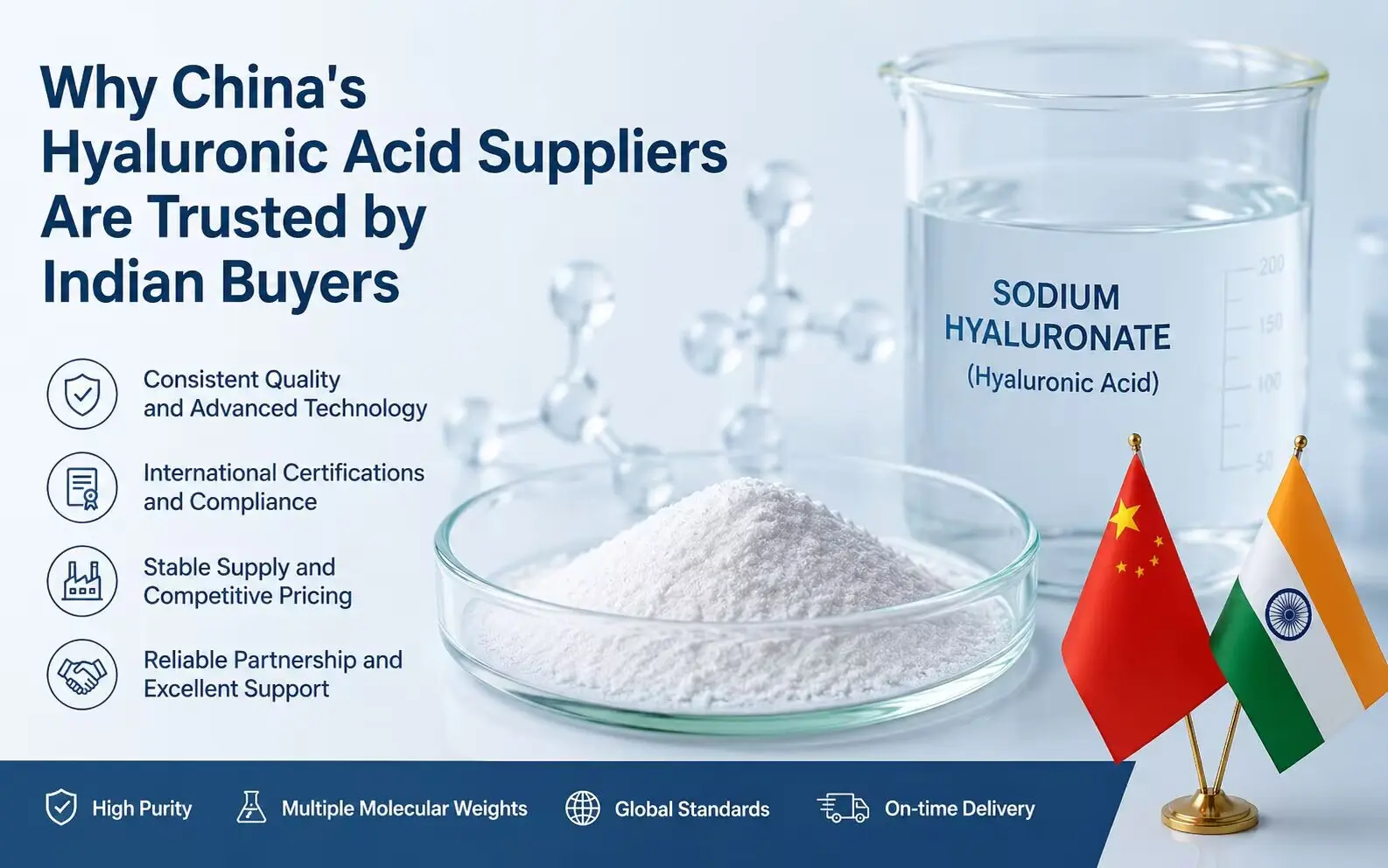
Statistically, the global market for HA-infused personal care products is growing at a compound annual growth rate (CAGR) of 6.8%. Crucial manufacturing hubs in Europe and North America are heavily reliant on Chinese raw material manufacturers who command over 80% of the world's commercial Sodium Hyaluronate output. As an exporter at the epicentre of this chemical supply chain, Suzhou Wanfukang Chemical Co., Ltd bridges the gap between state-of-the-art biotechnology and commercial cosmetics production.
The structural efficacy of a Hyaluronic Acid hand cream depends on its molecular weight distribution. A single-weight HA formulation fails to deliver comprehensive dermal hydration. To resolve this, Suzhou Wanfukang Chemical supplies optimized, customized blends of varying dalton sizes:
To optimize dermal performance, modern hand care formulations pair Hyaluronic Acid with complementary bio-actives. We systematically supply and export these key synergistic compounds to enable customized formulation setups:
Niacinamide (Vitamin B3): Enhances the synthesis of ceramides and free fatty acids in the stratum corneum. When paired with low molecular weight HA, Niacinamide accelerates skin barrier repair, resulting in a synergistic reduction of hyperpigmentation (age spots) on the dorsal hands.
Arbutin & Vitamin C: While Hyaluronic Acid plumps the extracellular matrix, these active compounds suppress tyrosine activity. This dual action mitigates UV-induced solar lentigines and brightens mature skin.
Coenzyme Q10: An intracellular antioxidant that protects dermal fibroblasts from oxidative stress, preserving collagen density in thin-skinned areas like the hands.


Select a category to view high-demand industrial raw materials and cosmetic ingredients.
The commercial standard for cosmetic and pharmaceutical-grade Sodium Hyaluronate relies on microbial fermentation. Suzhou Wanfukang Chemical utilizes carefully selected strains of Streptococcus zooepidemicus, grown on plant-based substrates like wheat peptone and glucose. This process avoids animal-derived raw materials, eliminating the risks of avian or bovine transmissible spongiform encephalopathies (TSE).
Through controlled cultivation parameters—such as aeration rates, temperature shifts, and real-time pH adjustments—we regulate the molecular chain length during synthesis. Post-fermentation, the broth undergoes filtration, alcohol precipitation, and ultrafiltration. This yields a raw material with high purity (Assay ≥ 98.0%), minimal protein residue (≤ 0.05%), and low heavy metal concentration (≤ 10 ppm). This high purity ensures the material remains stable and non-reactive when blended into complex cosmetic formulations.
Different global markets present distinct regulatory and formulation challenges:
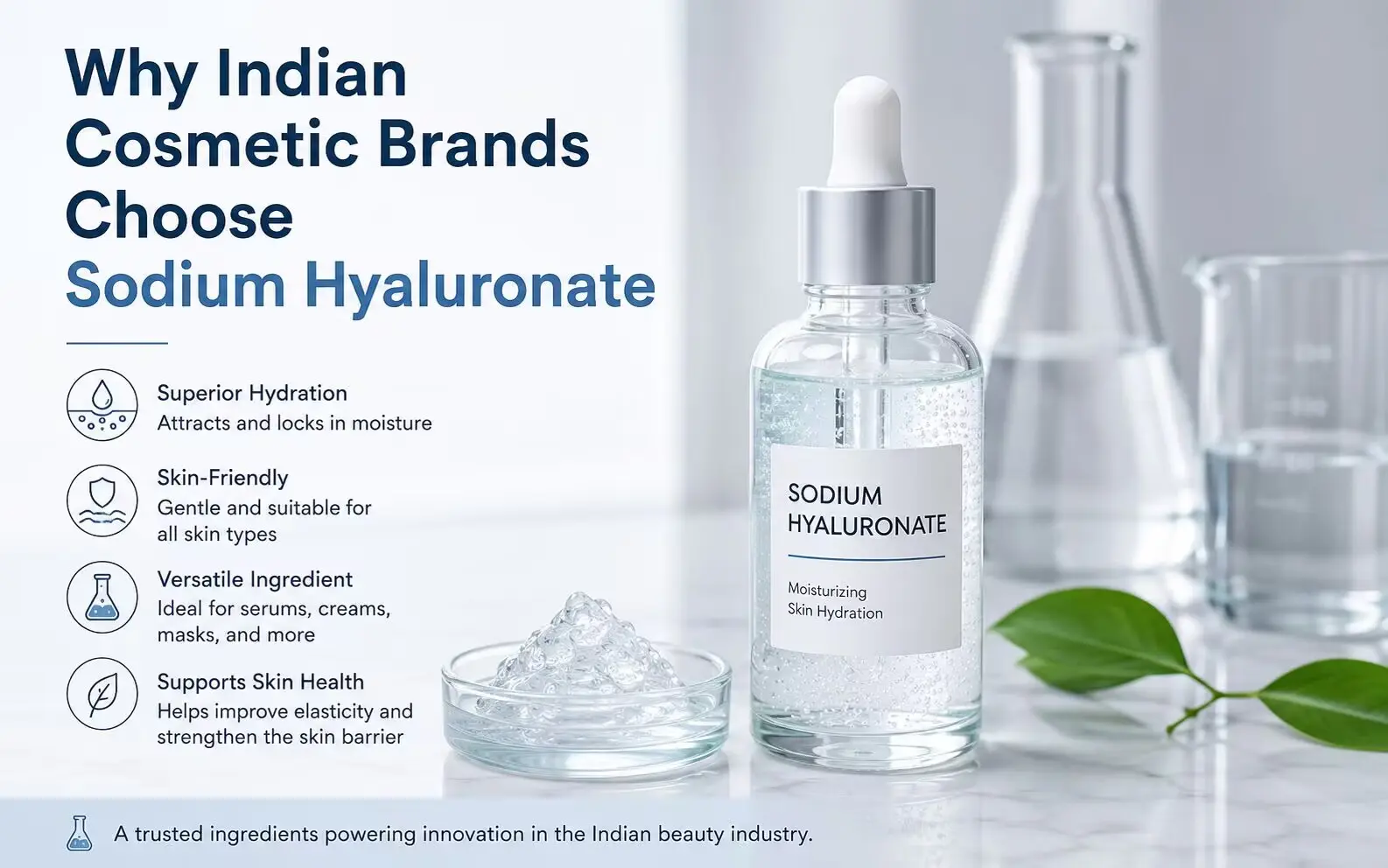
The Indian Cosmetic Market: Driven by high-efficiency personal care demands, Indian brands use cosmetic-grade Sodium Hyaluronate to combat pollution-induced dryness. These formulations require high heat stability to withstand local distribution temperatures without phase separation.
The European and North American Markets: Brands in these regions prioritize regulatory compliance, requiring alignment with ECHA (REACH) and FDA regulations. Formulators focus on clean-label, preservative-free HA powders to create minimalist ingredient lists.

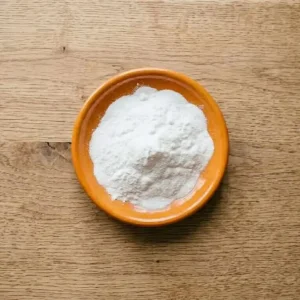
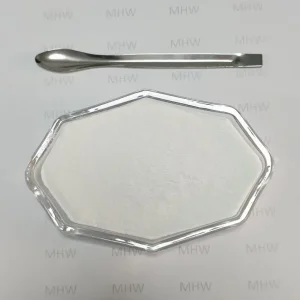
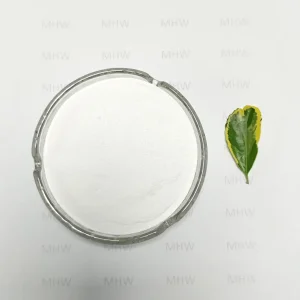
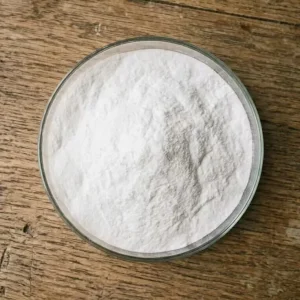
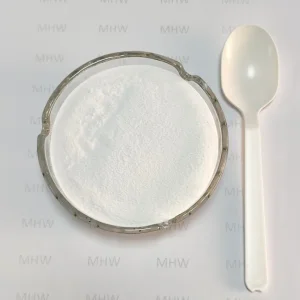
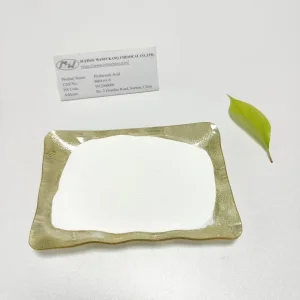
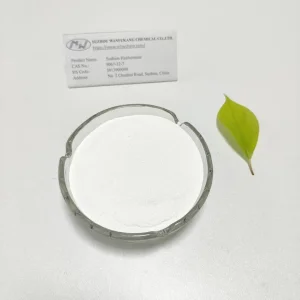
Suzhou Wanfukang Chemical Co., Ltd, as a professional supplier of Sodium Hyaluronate and Hyaluronic Acid for many years. As a professional company, we provide every grade of sodium hyaluronate, including food grade, cosmetic grade and pharm grade. With the development of our business, our business has extended to many areas, such as cosmetic ingredients, health food materials and pharm ingredients. Many products are widely applied for cosmetics, joint health products and medical application.
Learn More About UsMarket intelligence and technical analysis from our global distribution network.
B2B buyers navigate complex supply chains where raw material quality directly impacts final product safety and efficacy. At Suzhou Wanfukang Chemical Co., Ltd, our raw material production is certified under ISO 9001 and GMP frameworks. Every export batch undergoes thorough analytical testing:
These quality controls verify that our exported materials remain stable when incorporated into diverse B2B formulation frameworks.
Technical answers for cosmetic formulators, procurement officers, and regulatory specialists.
Our cosmetic-grade Sodium Hyaluronate features an active assay purity of ≥ 98.0%, verified via HPLC. This minimizes residual impurities like proteins or nucleic acids, preventing contamination and ensuring formula stability.
We use a microbial fermentation process using plant-based substrates like wheat peptone and glucose. We do not use rooster combs or animal tissues, ensuring our material is fully vegan and compatible with clean-label cosmetics.
We recommend a multi-weight strategy. High Molecular Weight (>1.8 MDa) forms a protective barrier, Medium Molecular Weight (1.0-1.5 MDa) hydrates the epidermis, and Low Molecular Weight (<100 kDa) supports deeper hydration and skin elasticity.
Our Sodium Hyaluronate powder has a shelf life of 24 months from the manufacturing date when stored in its original, unopened packaging. It should be kept in a cool, dry place, protected from light and moisture, at temperatures below 25°C.
Yes, our raw materials are produced in facilities operating under ISO 9001 and GMP standards. We provide complete documentation for regulatory compliance, including COA, SDS, and technical datasheets.
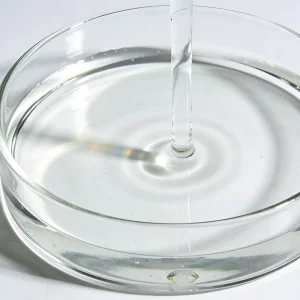
Yes, we provide custom formulations, including 1% Sodium Hyaluronate aqueous solutions. We can also adjust molecular weight ratios to meet the viscosity and absorption requirements of your hand care products.
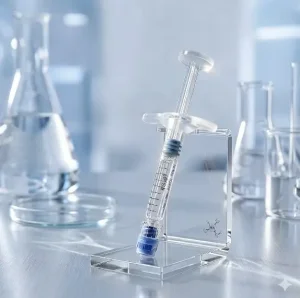
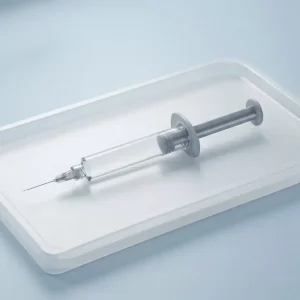
Explore our targeted chemical grades designed for injection, oral, and topical formulations.