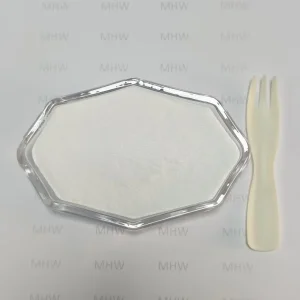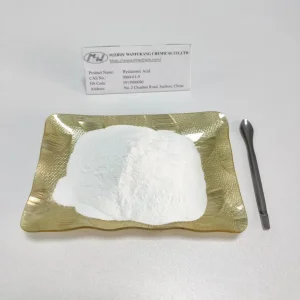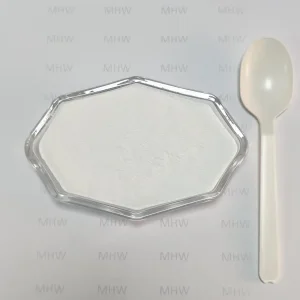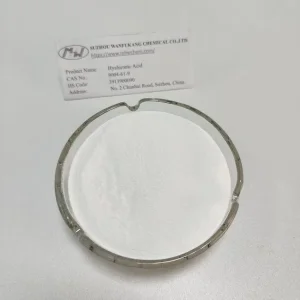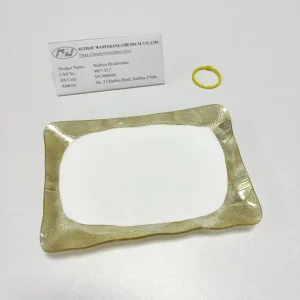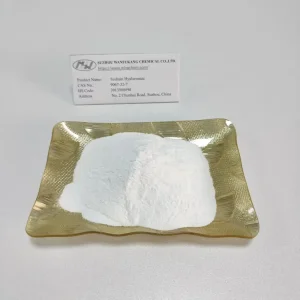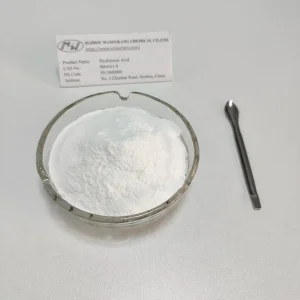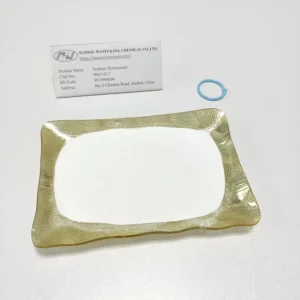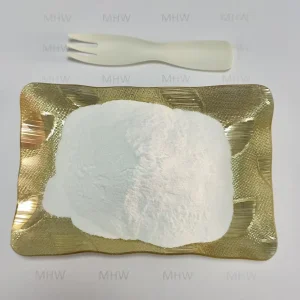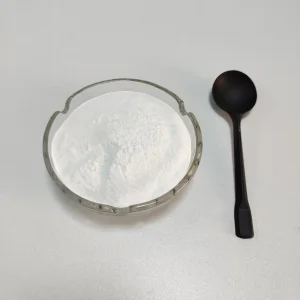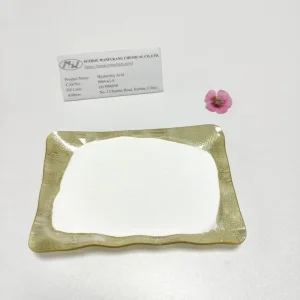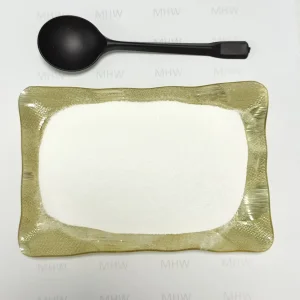
For decades, Sodium Hyaluronate (HA) was exclusively associated with topical skincare formulas and intra-articular injections. However, the global beauty and wellness landscape has undergone a monumental shift toward systemic skin health, driven by the scientific validation of ingesting hyaluronic acid. As clinical literature confirms, orally administered Sodium Hyaluronate is absorbed through the gastrointestinal tract, partially degraded into low-molecular-weight oligosaccharides by intestinal microbiota, and subsequently distributed to joint tissues and the dermal layer to stimulate endogenous synthesis of collagen and native HA.
This systemic mechanism targets the root cause of aging—the cellular depletion of extracellular matrix polymers. For dietary supplement manufacturers and nutricosmetic developers worldwide, finding a competent, high-purity ingesting hyaluronic acid exporter is paramount to formulating bio-available, stable, and highly effective products that resonate with modern, ingredient-conscious consumers.
Targeted intestinal absorption path that safely populates epidermal structures with restorative moisture.
Dynamic control of structural chains from high molecular weight polymers to micro oligo peptides.
At Suzhou Wanfukang Chemical Co., Ltd, we specialize in high-efficacy cosmetic, food, and pharmaceutical ingredients designed to supply premium global bio-manufacturers.
Assay ≥ 98.0% high molecular hyaluronic acid. Offers superior surface hydration, instant protective moisture-barrier creation, and significant transepidermal water loss (TEWL) reduction.
Strict micro-organism limits and compliance for ingestion. Formulated specifically to trigger cellular tissue renewal, skin density restoration, and internal lubrication of joint systems.
Including High Assay Niacinamide, Pure Arbutin, Chondroitin Sulfate, Coenzyme Q10, and high-purity Vitamin C for comprehensive anti-aging and physiological wellness.
The procurement of ingredients for oral intake follows a strict set of regulations globally. Organizations like the FDA (USA), EFSA (Europe), and FSSAI (India) demand strict transparency in chemical documentation, traceability, and biological purity. When choosing an oral-grade Sodium Hyaluronate partner, procurement teams evaluate key parameters to guarantee regulatory alignment:
In addition, the cross-border logistics of bulk raw materials necessitate robust moisture-barrier packaging. As a desiccating biopolymer, Sodium Hyaluronate easily absorbs environmental humidity, which compromises assay percentage and shelf stability. Thus, specialized container seal methodologies, dry-cold warehouse storage, and fast custom clearance pathways are critical milestones managed directly by expert supply chains.
China's industrial biotechnology sector leads the global production of bio-fermented polymers. Advanced smart factories utilize real-time sensor loops to monitor critical fermentation parameters, including dissolved oxygen, pH, temperature, and agitation speeds.
By automating nutrient feeding systems, these facilities ensure high yield batches with minimal waste. This level of process control results in highly consistent batch-to-batch molecular weight ranges and reduces impurities like nucleic acids and protein residues. For international buyers, this equates to clean, consistent products that perform reliably in processing lines.
Furthermore, the integration of local green energy grids and clean circular wastewater recovery systems positions China's production capacity to meet modern corporate sustainability initiatives.
Suzhou Wanfukang Chemical Co., Ltd. has established a strong reputation as a dedicated global supplier of high-purity Sodium Hyaluronate and Hyaluronic Acid. Offering cosmetic, food, and pharmaceutical grades, we cater to diverse requirements across the beauty, wellness, and medical industries.
Through our commitment to quality and service, we have expanded our portfolio to include functional raw materials such as chondroitin sulfate, coenzyme Q10, and specialized vitamins, serving buyers in over 20 destination countries.
Sodium Hyaluronate behaves differently depending on target formulation matrices and regional regulatory specifications.
In Western markets, consumers prioritize clean labels, non-GMO status, and plant-based origins. Food-grade Sodium Hyaluronate is formulated into oral beauty gummies, marine collagen powders, and functional wellness shots designed to promote healthy aging, skin hydration, and joint comfort.
Led by Japan, South Korea, and China, oral beauty supplements have become everyday staples. Here, low-molecular-weight hyaluronic acid is added directly to RTD beverages, functional jellies, and dairy products to support target consumer demographics seeking convenient skin-hydration products.
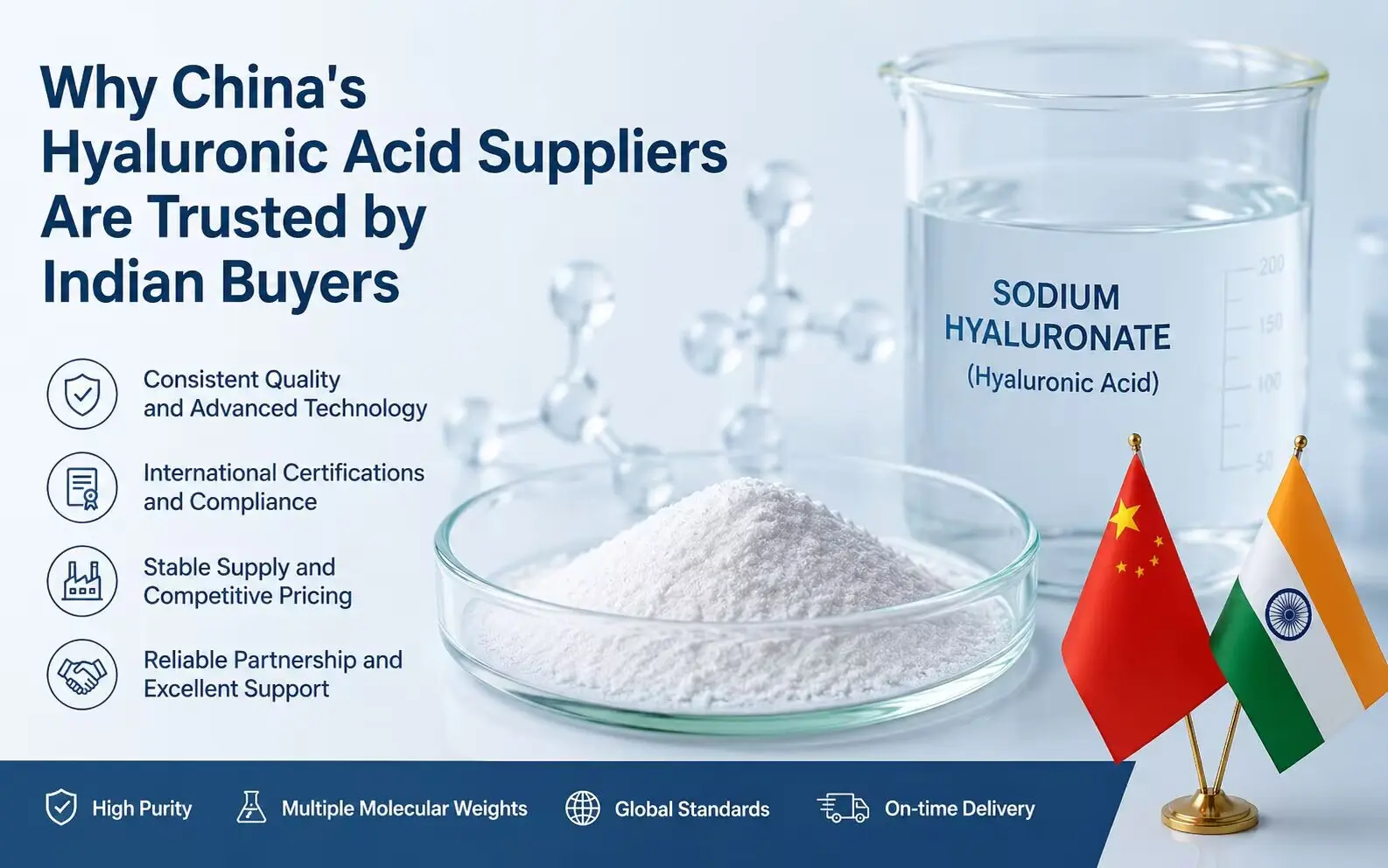
India's fast-growing personal care and health supplement sectors have increased the demand for imported Sodium Hyaluronate. Chinese exporters meet these needs with certified quality, consistent bulk supply, and competitive logistics.
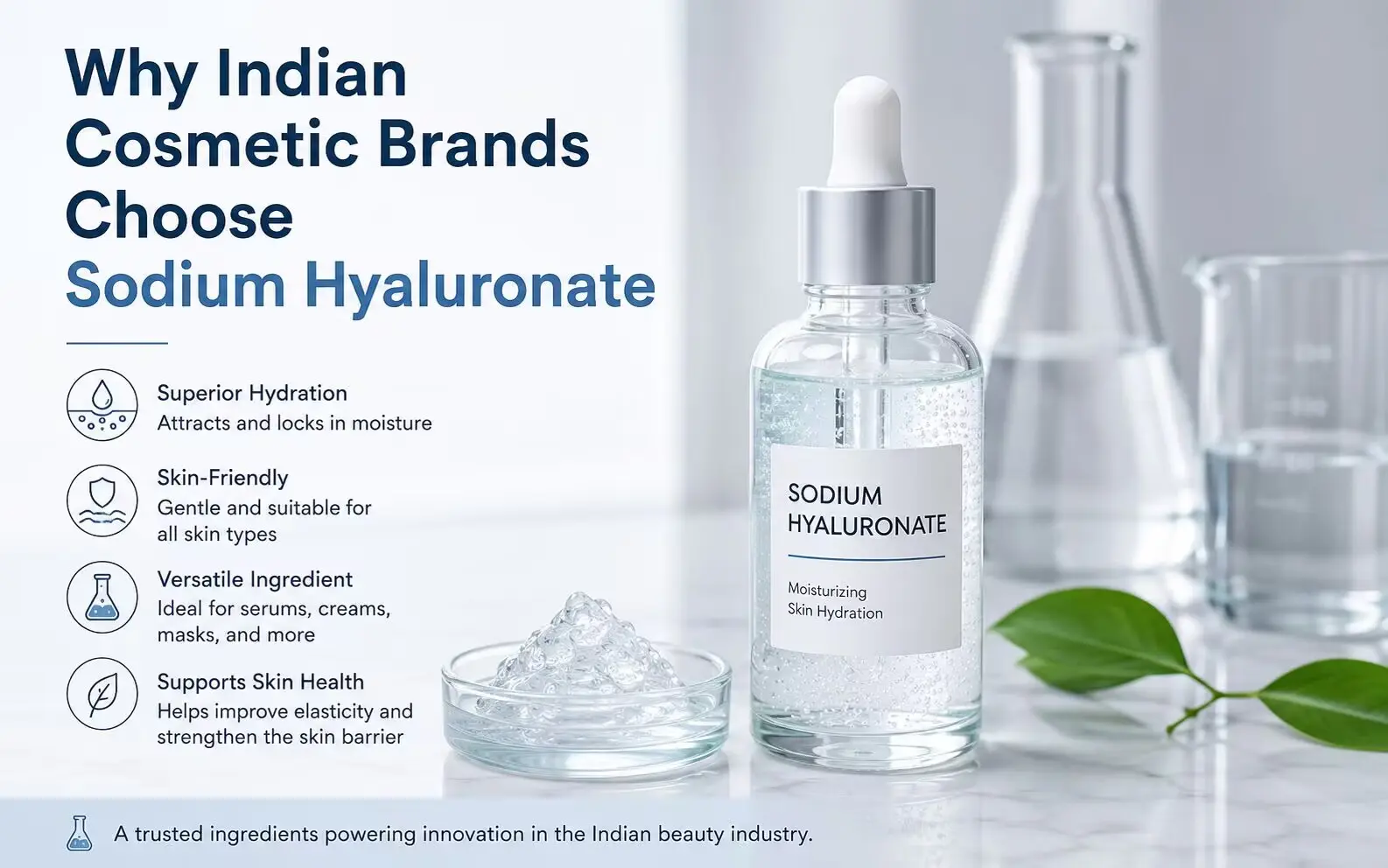
Sodium Hyaluronate is highly valued in the Indian cosmetics market for its intense hydration benefits. Formulation chemists use it in lightweight serums, creams, and sunscreens to satisfy consumer demand for effective, non-greasy products.
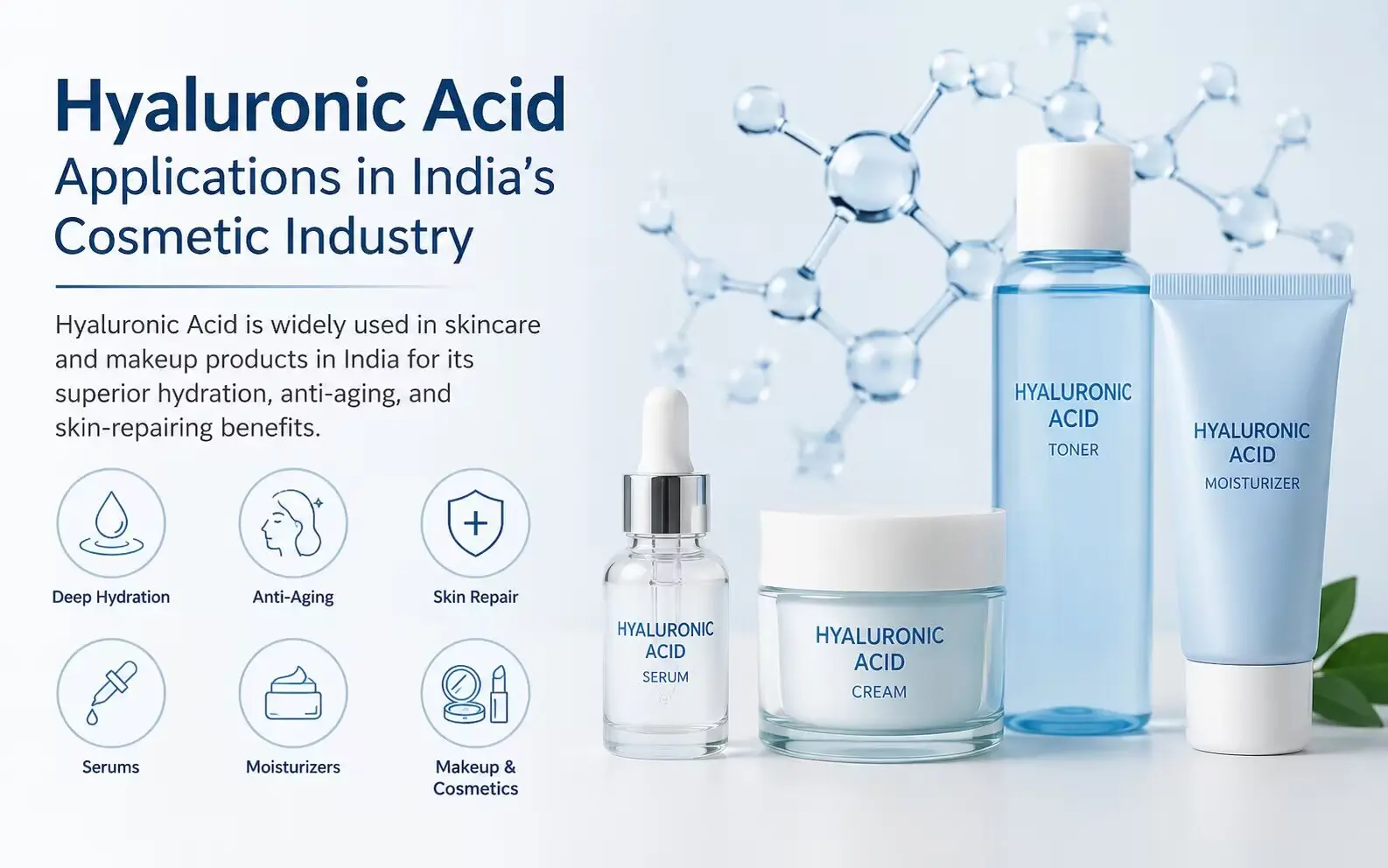
An in-depth look at how various molecular weights of Sodium Hyaluronate are formulated into advanced cosmetic applications to address skin concerns related to warm climates and urban pollution.
The standard shelf life is 2 years (24 months) from the manufacturing date, provided it is stored in its original, unopened container in a cool, dry place, protected from direct light, heat, and moisture.
While the chemical structure is similar, oral-grade Sodium Hyaluronate must meet strict microbiological specifications, including low plate counts, heavy metal limits, and the absence of pathogens, to ensure food safety and regulatory compliance.
All our Sodium Hyaluronate grades are produced through modern bacterial fermentation using *Streptococcus equi subsp. zooepidemicus*, ensuring they are non-animal derived, vegan-friendly, and free from transmissible disease risks.
A combination of medium (800 kDa to 1.2 MDa) and low molecular weights (under 200 kDa) is common. Lower weights are absorbed efficiently in the digestive tract, while higher weights provide systemic benefits for tissue structure.
We supply full documentation, including Certificate of Analysis (COA) for every batch, Material Safety Data Sheet (MSDS), Kosher and Halal certifications, and third-party testing parameters upon request.