Top 8 Pharmaceutical & Aesthetic Grade Sodium Hyaluronate Compounds
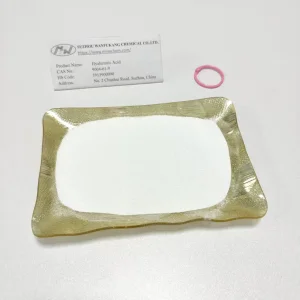
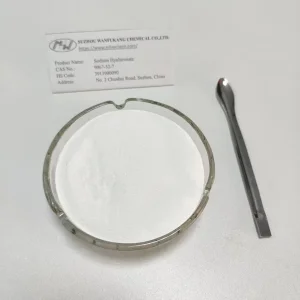
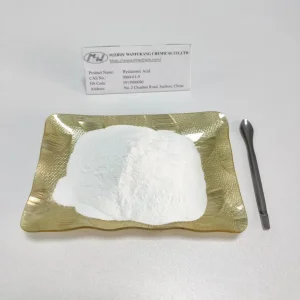
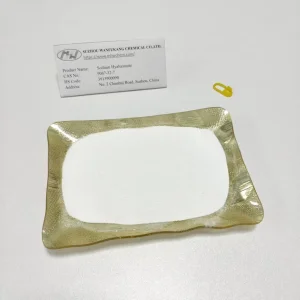
In the rapidly expanding landscape of male aesthetic medicine and reconstructive urology, non-surgical phalloplasty has emerged as a high-demand procedure. Globally, the demand for minimally invasive alternatives to traditional surgical implants—such as dermal grafts or silicone sheet insertions—has driven the research, development, and supply of dedicated girth enhancement hyaluronic acid (HA) fillers. As a leading manufacturer and supplier, Suzhou Wanfukang Chemical Co., Ltd. addresses this growth sector by providing optimized cross-linked sodium hyaluronate characterized by high visco-elasticity, longevity, and superior biocompatibility profiles.
“Search Intent Mining reveals that clinical distributors and urology clinics prioritize structural integrity, low extrusion forces, and minimised BDDE residue levels above all else. Finding a manufacturer capable of guaranteeing sterile batch consistency is the key to global compliance.”
The transition from invasive surgeries to outpatient injectable procedures represents a massive paradigm shift. Aesthetic clinics in North America, Western Europe, and Latin America report a year-on-year increase of over 35% in inquiries regarding non-surgical girth enhancement. Medical distributors seek bulk formulation partners that comply with the strict regulatory standards of the FDA, EMA, and national medical device registers. By supplying sterile, endotoxin-controlled sodium hyaluronate APIs (Active Pharmaceutical Ingredients) and high-density cross-linked gels, Wanfukang enables medical device brands to formulate superior products with long-lasting volumizing properties.
A Trusted Global Supplier of High-Purity Sodium Hyaluronate
Wanfukang specializes in the development and export of cosmetic, food, and pharmaceutical-grade ingredients. As a professional manufacturer, we provide every grade of sodium hyaluronate, including food grade, cosmetic grade, and pharmaceutical grade. With the development of our business, our portfolio has extended to cover custom functional formulations, medical joint health products, and aesthetic injectables.


Injectable hyaluronic acid used for body contouring and intimate enhancement must possess distinctly different physical properties compared to facial fillers. Key design factors include:
Girth enhancement requires a robust dermal scaffold that can resist dynamic shear forces and enzymatic degradation. Biphasic gels contain cross-linked HA particles suspended in a non-cross-linked HA lubricant, enabling easy extrusion through micro-cannulas. Monophasic cohesive gels, on the other hand, offer uniform degradation profiles and high resistance to structural collapse, which is essential to prevent asymmetric migration in the subcutaneous tissues of the phallus.
A high storage modulus (G') ensures that the gel maintains its shape under compression, providing immediate, predictable volumizing results. However, if the G' is too high, the gel can feel hard and unnatural. Our technical team works at molecular level optimization to balance the elastic modulus ($G'$ between 200 - 450 Pa) to ensure a natural feel and touch while preserving maximum lifting capacity.
Cross-linking with 1,4-butanediol diglycidyl ether (BDDE) is standard for creating long-lasting HA matrices. However, unreacted free BDDE is cytotoxic. Our purification lines incorporate advanced multi-phase dialysis and ultrafiltration to reduce residual BDDE to less than 2 ppm (parts per million), meeting European Pharmacopoeia (Ph. Eur.) and US Pharmacopoeia (USP) requirements.
Formulation Tip for OEM Partners: Using high molecular weight HA (typically 1.5 - 2.5 MDa) prior to cross-linking ensures a highly cohesive network that can extend the duration of the filler in tissue up to 18–24 months.
Diverse Active Pharmaceutical and Cosmetic raw materials
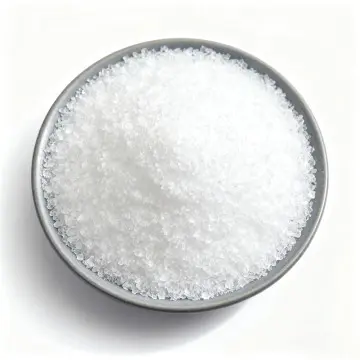
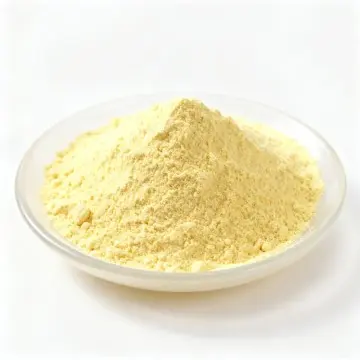
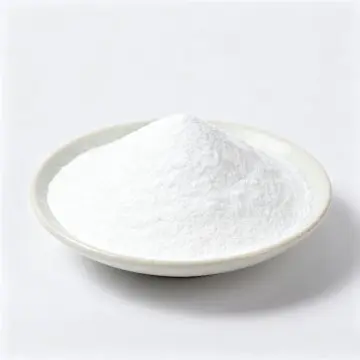
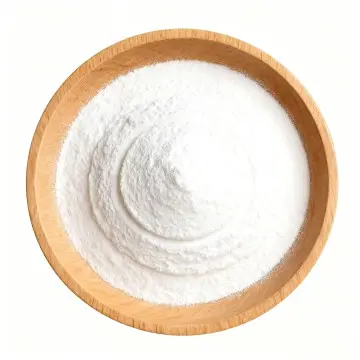
For high-risk applications like sub-dermal injection, regulatory compliance is paramount. Wanfukang has established a cleanroom environment conforming to ISO 14644-1 Class 5 standards (equivalent to FDA Class 100). Every batch of cross-linked hyaluronic acid is subjected to a rigorous release procedure testing protocol.
By employing advanced *Streptococcus zooepidemicus* microbial fermentation routes, we ensure our raw materials are 100% non-animal derived, mitigating the risks of transmissible spongiform encephalopathies (TSE) or zoonotic viral contamination. This animal-free process delivers consistent molecular weight and high yield profiles, which are validated by size-exclusion chromatography (SEC-MALLS).
Bacterial endotoxins can trigger severe inflammatory responses (such as granuloma formation or late-onset sterile abscesses). Standard aesthetic fillers permit endotoxin levels below 0.5 EU/mL. Wanfukang raises the bar by maintaining endotoxin levels at <0.05 EU/mg for our pharmaceutical and injection-grade lines. This is achieved through proprietary purification techniques and strict pyrogen-free water-for-injection (WFI) processing loops.
Stay updated with the latest trends in global Sodium Hyaluronate procurement
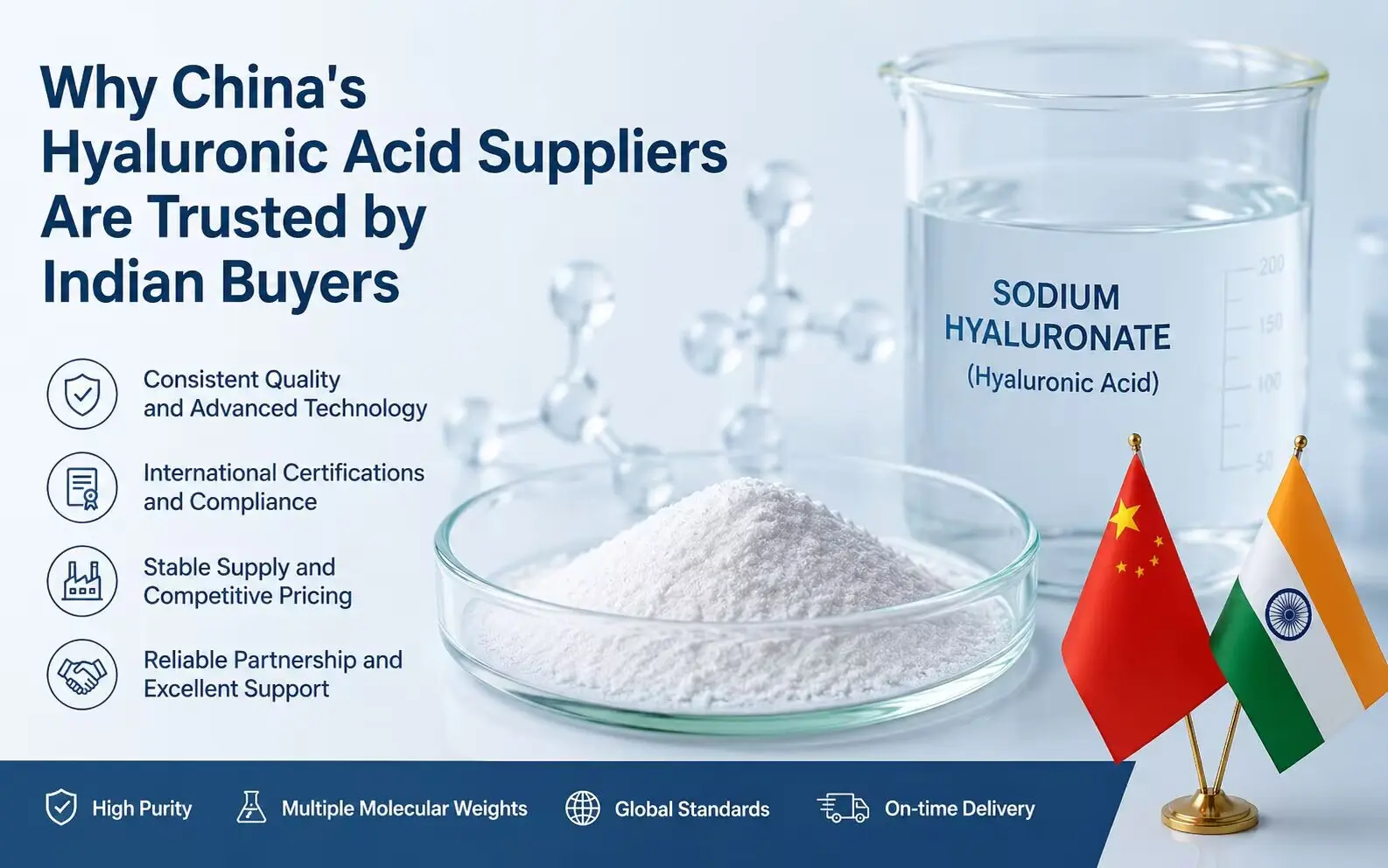
In recent years, with the rapid development of India's cosmetics, pharmaceutical, and health product industries, the demand for HA has surged, drawing buyers to trusted Chinese suppliers.
Read Full Article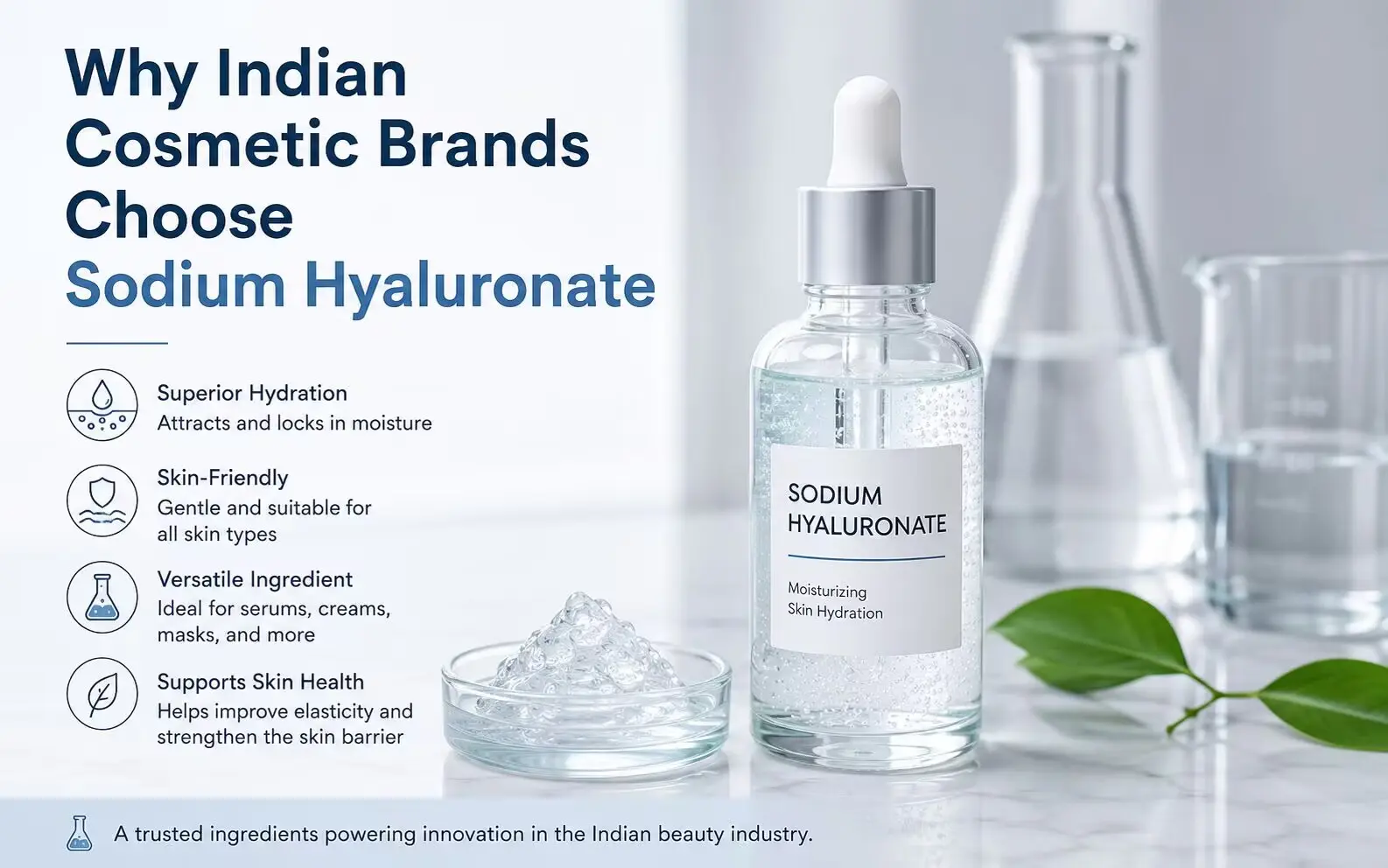
With the growth of the Indian beauty market, cosmetic brands are turning to sodium hyaluronate to power their premium serums, creams, and makeup formulations.
Read Full Article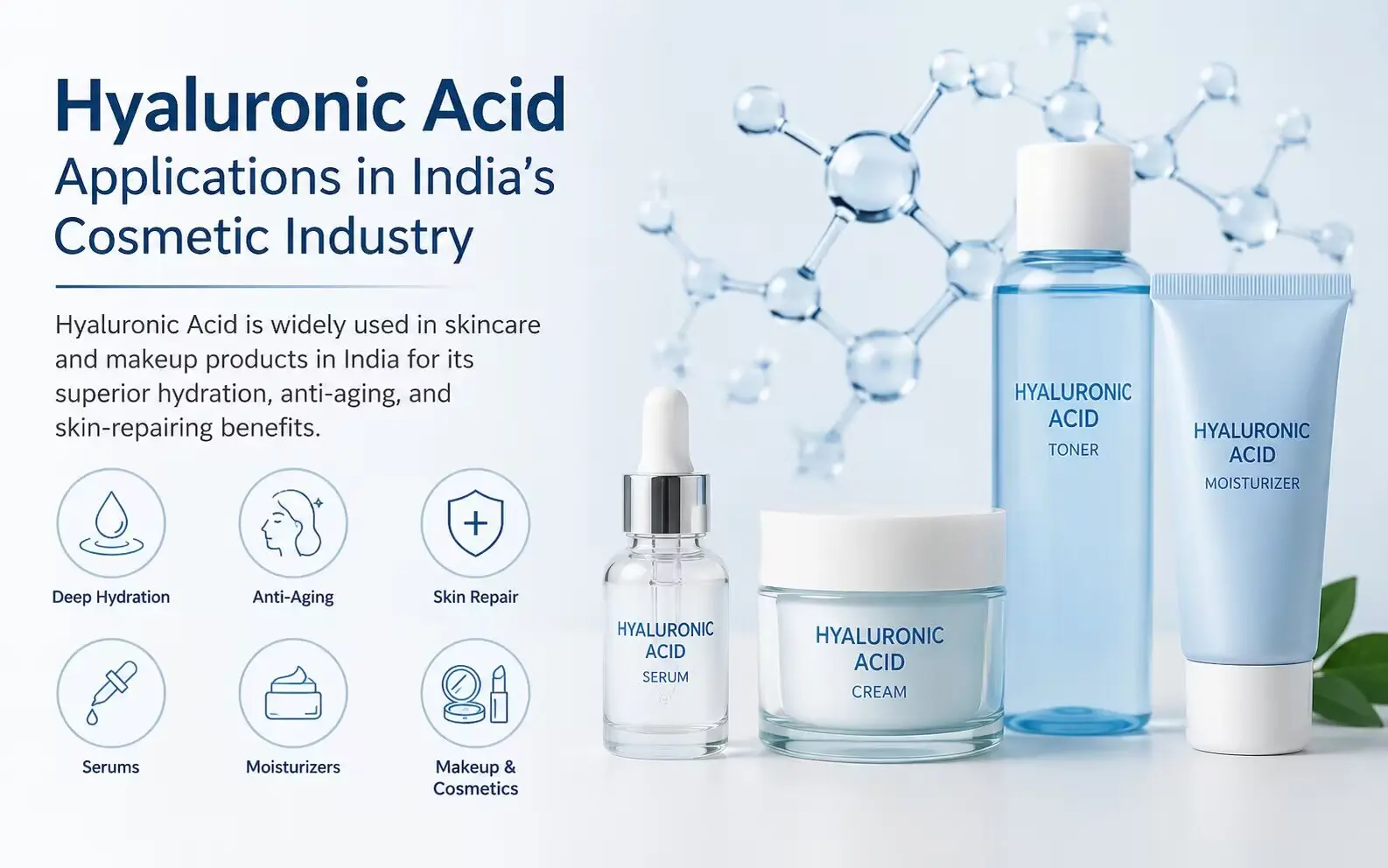
Explore how functional hyaluronic acid types are revolutionizing the skin hydration and anti-aging treatments across South Asia's biggest markets.
Read Full ArticleKey Technical & Commercial Insights for B2B Procurements
For structural tissue support like urogenital or girth enhancement, a high molecular weight range (1.8 MDa to 2.2 MDa) prior to cross-linking is highly recommended. This delivers a robust elastic modulus (G') capable of resisting physical compression while slowing down the enzymatic degradation by natural hyaluronidases.
We implement a proprietary multi-stage purification and dialyzing process. Post cross-linking, the gel is washed with pyrogen-free water continuously. This reduces free unreacted BDDE to under 2 ppm, ensuring maximum safety and preventing delayed hypersensitivity reactions.
Yes, we specialize in low bacterial endotoxin grades. Our injection-grade sodium hyaluronate features endotoxin limits of <0.05 EU/mg, which is significantly cleaner than standard pharmaceutical guidelines, minimizing risk for ophthalmic, joint injection, or aesthetic injectables.
Absolutely. All our sodium hyaluronate is produced through microbial fermentation using non-pathogenic bacteria. The raw material contains zero animal protein residues, eliminating the risk of animal-source pathogens and making them suitable for global certifications.
We employ automated fermentation controllers alongside computerized purification loops. Every manufactured batch undergoes HPLC testing, viscosity analysis, heavy metal screening, and endotoxin tests. CoA (Certificate of Analysis) documents are provided with every shipment.
Explore Our Specialized Aesthetic and Food-Grade Products