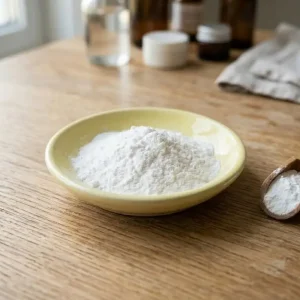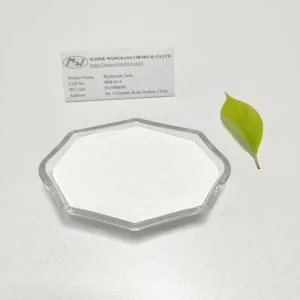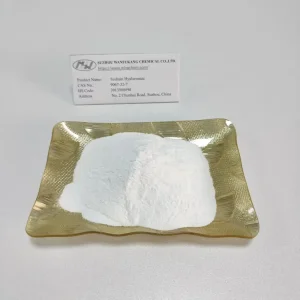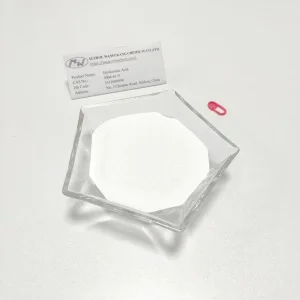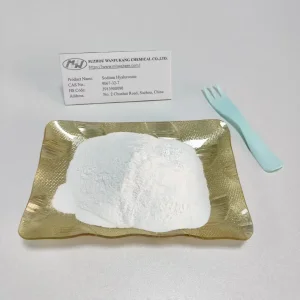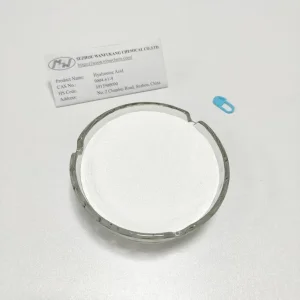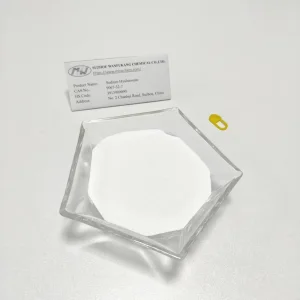
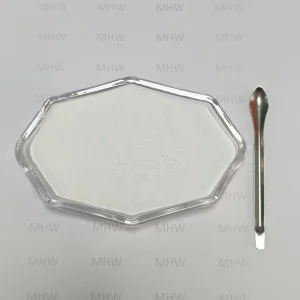
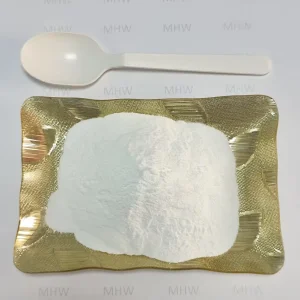
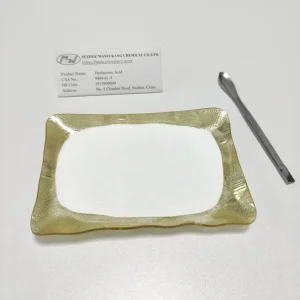
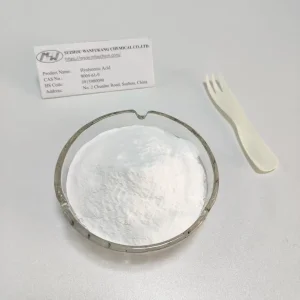
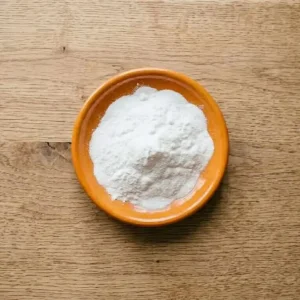
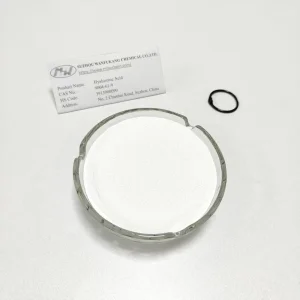
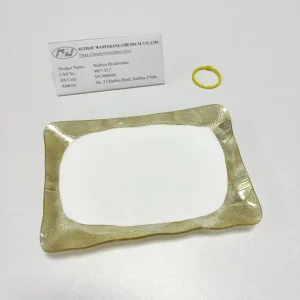
In the rapidly changing cosmetic and pharmaceutical sectors, Sodium Hyaluronate (HA) stands as the gold standard for hydration, skin replenishment, and physiological lubrication. Originally derived via extraction methods, the modern industrial paradigm relies entirely on high-efficiency microbial fermentation (primarily utilizing non-pathogenic strains like Streptococcus zooepidemicus). This shifting technical dynamic ensures maximum biocompatibility, minimized immunogenic response, and consistent batch parameters.
As leading global manufacturers, Suzhou Wanfukang Chemical Co., Ltd bridges the gap between raw science and chemical application. We supply pure, non-animal-derived Hyaluronic Acid in custom molecular weights ranging from ultra-low Oligo fractions (below 10,000 Da) to ultra-high polymers exceeding 2.0 Million Daltons (MDa). This technical flexibility allows brand manufacturers to construct multidimensional hydration complexes, target transdermal delivery routes, and formulate products that comply with contemporary clean-beauty paradigms.
Industrial formulation challenges often manifest as viscosity instability, precipitation, or incompatibilities with electrolytes (such as electrolytes in mineral sunscreens). Our technical team designs custom systems that stabilize the HA matrix in the presence of niacinamide, arbutin, and various plant botanicals. This is vital for manufacturers producing high-potency skin whitening and clinical anti-aging serums.
The cross-border logistics of cosmetic raw materials require rigorous documentation. Regulatory frameworks demand non-GMO status, pesticide-free verification, and allergen declarations. We fulfill these critical global distribution requirements, streamlining import custom clearances in the Americas, Europe, and Asia-Pacific regions.
Suzhou Wanfukang Chemical Co., Ltd. is a premier, multi-decade supplier specializing in the research, process development, and exportation of high-purity Sodium Hyaluronate and Hyaluronic Acid formulations. Catering to diverse cosmetic, food, and pharmaceutical applications, we offer tailored grade variations designed for specific end-use efficiency.
Over the years, our operational footprint has expanded from basic distribution to custom biochemical engineering. Today, our product portfolio includes primary cosmetic ingredients, clinical health supplement materials, and pharmaceutical-grade excipients. By employing modern analytical controls and green fermentation protocols, we ensure our global partners receive stable, highly bio-active, and safe raw materials.




Explore our curated collection of high-efficacy active agents. We classify our ingredients to match exact industrial manufacturing standards.
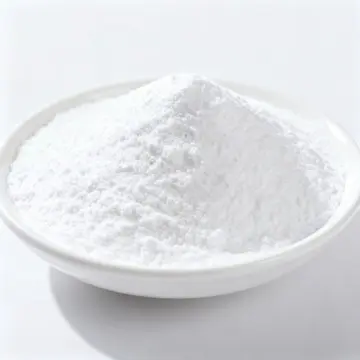
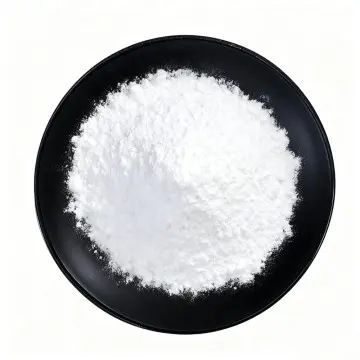
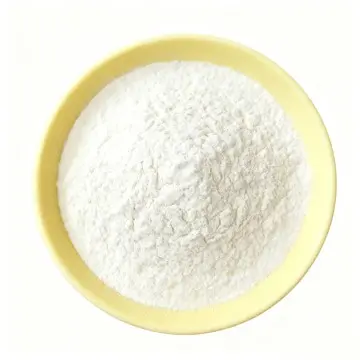
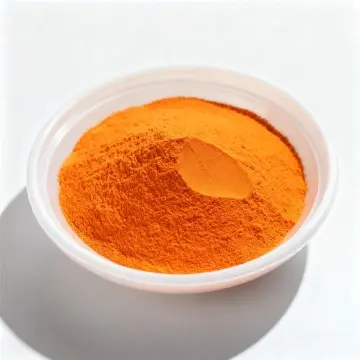
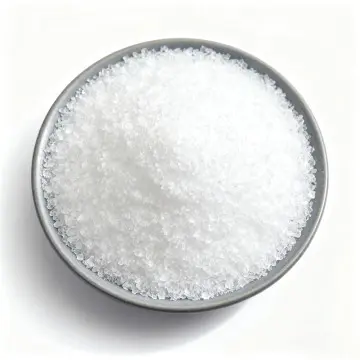
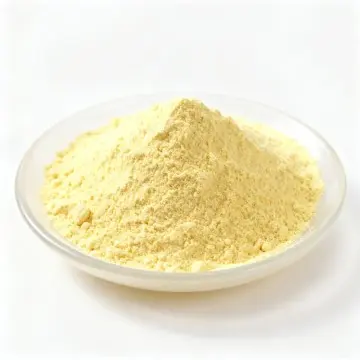
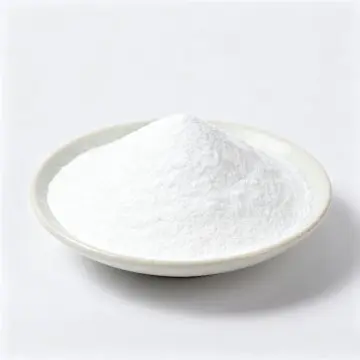
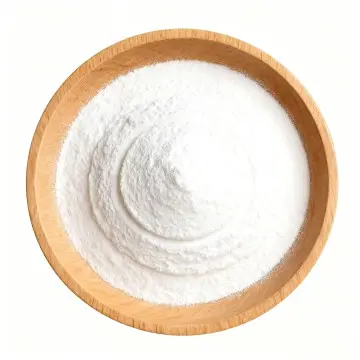
Not all Hyaluronic Acid complexes act equally. Determining the specific molecular footprint and purification requirements defines product viability. Below is an exhaustive structural breakdown of grades supplied by Suzhou Wanfukang:
Designed for viscosurgery, intra-articular injections, and dry-eye lubricating formulations. These materials require ultra-low endotoxin levels (typically < 0.05 IU/mg) and a highly controlled microbiological profile.
Applied in creams, essences, ampoules, and skin-peel gels. Focuses on transdermal delivery kinetics and moisture capture properties.
Applied as functional additives in joint health supplements, nutricosmetics, and wellness beverages. Consumed orally to restore systemic glycosaminoglycan storage levels.
Designed for rinse-off systems (cleansers, shampoos) where traditional HA would normally wash away. The cationic charge ensures electrostatic binding to keratinous structures.
Procuring raw chemicals globally requires reliable compliance. Suzhou Wanfukang establishes extensive local regulatory footprints to simplify supply chains. Our manufacturing lines run under strict GMP compliance, supported by comprehensive document pathways.
Our raw materials carry global and regional regulatory approvals. We hold active ISO 9001 certifications, Kosher and Halal validations, and maintain clean REACH registrations for European markets. Each batch is supplied with an official Certificate of Analysis (COA) specifying molecular distribution curves, heavy metal metrics (such as Lead and Arsenic levels below 10ppm), and overall microbial stability.
Understanding regional customs processes is a core competency. From managing complex FDA import protocols in North America to handling CDSCO clearances in India, we ensure that batch-specific paperwork, phytosanitary declarations, and non-GMO statements are prepared correctly, avoiding delivery delays.
To generate true Information Gain, we must address how Sodium Hyaluronate performs in real-world environments. For example, in emerging markets like India and Southeast Asia, cosmetic chemists face unique climate challenges. The formulation of hydrating cosmetics must adapt to hot, humid atmospheres where heavy occlusives can feel uncomfortable.
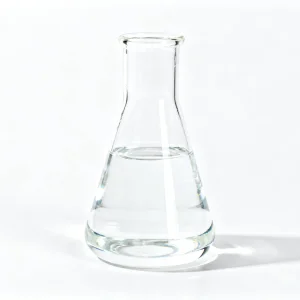
Indian personal care brands are increasingly replacing heavy botanical oils with clean, water-binding actives. Our specialized 1% Sodium Hyaluronate aqueous solutions provide a ready-to-use foundation. They disperse easily without requiring high-shear mixers, lowering processing energy costs.
The future of hydration chemistry is moving toward targeted cross-linking and synthetic biotechnology. As cosmetic and pharmaceutical standards evolve, we are targeting three core research pathways:
Traditional HA is broken down quickly by the body's natural hyaluronidase enzymes. By cross-linking the molecules using agents like BDDE, we create a robust 3D matrix. This extends the molecule's residence time on the skin, enabling long-lasting hydration and making it ideal for dermal fillers.
By introducing acetyl groups to the hyaluronan backbone, we increase both its oil and water solubility. This derivative, known as Sodium Acetylated Hyaluronate, adheres closely to the stratum corneum, restoring skin elasticity and providing excellent sensory properties.
Hyaluronic Acid in its acid form is less stable and harder to formulate. Sodium Hyaluronate is the sodium salt of Hyaluronic Acid. It is highly water-soluble, has a smaller molecular size, resists oxidation, and penetrates the skin more easily, making it the preferred choice for commercial cosmetic products.
All our Hyaluronic Acid is produced via the bacterial fermentation of glucose derived from corn starch. We do not use animal-derived starters or processing aids, rendering our materials 100% vegan and free from animal-origin cross-contamination.
We recommend a synergistic approach: 0.5% High Molecular Weight HA (1.5 - 1.8 MDa) for instant superficial skin plumping and barrier protection, combined with 0.8% Low Molecular Weight HA (100 - 300 kDa) and 0.2% Oligo HA (<10 kDa) for deep-tissue hydration and wrinkle reduction.
Our liquid formulations are preserved with eco-friendly systems like Phenoxyethanol or organic acid complexes. Kept in sealed, light-protected containers at 2-8°C, they retain physical and chemical stability for up to 24 months.
With India's beauty and wellness sector booming, cosmetic and healthcare manufacturers are prioritizing raw material purity. China-based fermentation lines deliver reliable purity levels, strict compliance, and consistent batch quality at scale.
Read Full ReportSodium Hyaluronate has become a must-have ingredient in Indian personal care. We analyze its integration into sunscreens, acne treatments, and traditional Ayurvedic formulations to deliver long-lasting hydration in hot climates.
Read Full ReportConsumer preferences are shifting toward clinical, dermatologist-backed skincare. This article covers the regulatory landscapes and technical formulation strategies for introducing active-dense hyaluronan products into retail networks.
Read Full Report