Select from our premium bio-fermented portfolio of Sodium Hyaluronate raw materials tailored to meet rigid pharmaceutical, cosmetic, and nutritional quality systems.
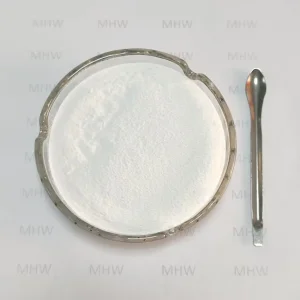
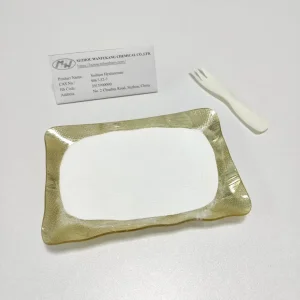
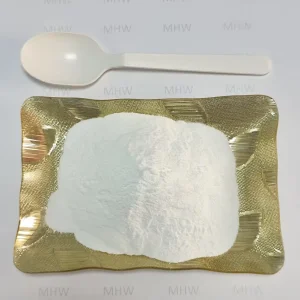
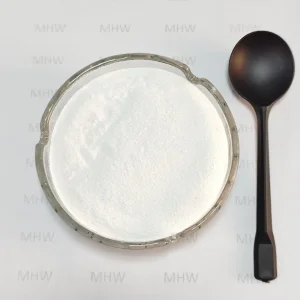
Hyaluronic Acid (HA), fundamentally identified as a non-sulfated glycosaminoglycan (GAG) structured of repeating disaccharide units of D-glucuronic acid and N-acetyl-D-glucosamine, represents a cornerstone biomaterial in modern tissue engineering, advanced dermatology, pharmacology, and functional dietary supplements. With its unique molecular configuration, a single gram of hyaluronic acid holds the capacity to bind up to six liters of water, creating a highly viscoelastic gel matrix that underpins cell migration, extracellular matrix structural integrity, and cellular signal transduction.
As clinical research continues to establish the cellular correlations between molecular weight distribution and biological performance, standardizing raw material parameters has become a critical objective. From pharmaceutical-grade viscoelastics to ultra-low molecular weight cosmetic oligomers, the stability, biosecurity, and efficacy of HA stem directly from the precision of microbial fermentation and purification techniques. Today, global supply chains rely on industrial manufacturers capable of delivering customized viscoelastic profiles under strict international regulatory compliance frameworks.
Precision Fermentation Strain: Formulated using advanced microbial fermentation protocols (non-animal derived) utilizing clean-culture engineering to eliminate immunogenic risk factors, bacterial endotoxins, and heavy metal accumulation. Our technical processes offer a dynamic molecular weight selection matrix ranging from 3,000 Daltons to 3.0 Million Daltons with ultra-low variance tolerances.
To optimize product development lifecycles, enterprises must align raw material specifications with exact therapeutic and mechanical targets. Suzhou Wanfukang Chemical Co., Ltd delivers customizable macromolecular solutions across four distinct macro-industry verticals:
Our injection-grade sodium hyaluronate acts as the mechanical foundation for intra-articular injections used in osteoarthritis therapy, and as a protective viscoelastic agent in ophthalmic surgeries (such as cataract extraction and corneal transplantation). We enforce tight control over bacterial endotoxins (< 0.05 IU/mg) and heavy metals to ensure absolute biosafety.
For cross-linked aesthetic implants, we produce high-molecular-weight sodium hyaluronate that demonstrates optimal rheological behaviors, high elasticity (G'), and outstanding extrusion force dynamics. This enables formulation chemists to build robust hydrogels utilizing cross-linking agents like BDDE with minimized residual toxicity and extended *in vivo* degradation cycles.
Our food-grade sodium hyaluronate is formulated specifically for gastrointestinal absorption. Dietary intake of oral HA replenishes endogenous skin hydration levels, alleviates joint friction, and mitigates age-related connective tissue deterioration. It meets global standards for food additives and dietary supplements, showing excellent heat stability in processing.
The global hyaluronic acid raw material industry has witnessed a paradigm shift away from traditional extraction methods (derived from avian tissues like rooster combs) toward microbial fermentation. This technical shift is driven by sustainability requirements, regulatory pressures regarding transmissible animal pathogens, and the market demand for vegan-certified cosmetic and pharmaceutical ingredients.
From a manufacturing standpoint, microbial fermentation utilizing engineered wild-type strains, such as Streptococcus zooepidemicus, or recombinant expression hosts, such as Bacillus subtilis, offers superior control over molecular polydispersity and purity. Suzhou Wanfukang Chemical Co., Ltd utilizes advanced bio-fermentation systems configured to refine processing parameters continuously. By optimizing the carbon-nitrogen ratios in the feed media and monitoring exact dissolved oxygen parameters, we achieve high-concentration yields with minimal protein and nucleic acid impurities, which are the primary sources of immunogenicity in raw hyaluronic acid.
The biological functionality of Sodium Hyaluronate is profoundly dependent on its Molecular Weight (MW). Formulators must utilize targeted molecular weights to achieve specific technical goals:
The frontier of glycosaminoglycan research is moving toward highly functionalized and stabilized hyaluronic acid derivatives. Standard sodium hyaluronate undergoes rapid enzymatic clearance inside the human body through naturally occurring hyaluronidases. To extend the therapeutic window, our current R&D is focused on chemical modification and cross-linking technologies that preserve biocompatibility while improving mechanical strength.
Key areas of development include Acetylated Sodium Hyaluronate, which exhibits lipophilic properties, allowing it to adhere tightly to the skin and resist enzymatic wash-off, and Cationic Sodium Hyaluronate, designed specifically for rinse-off hair care formulations where traditional HA fails to bind due to surface charge repulsion. Furthermore, our bio-fermentation laboratories are scaling up enzymatic degradation methods to produce Oligo-HA without chemical solvent waste, aligning with global green chemistry standards.
Replacing traditional acid-base thermal degradation, our enzymatic degradation process uses specific hyaluronidases. This preserves the molecule's chemical structure, producing high-activity Oligo-HA with high free-radical scavenging capacity and low irritation indexes.
Our R&D team develops custom rheological raw materials. By adjusting the cross-linking ratios and washing procedures, we help clients produce dermal fillers that remain stable *in vivo* with predictable degradation pathways and low swelling ratios.
Our factories run on environmental management systems that reduce organic solvent use during separation. We utilize clean ethanol crystallization systems that yield raw materials completely free of residual chemical synthetic reagents.
Entering international pharmaceutical and cosmetic markets requires compliance with local regulatory frameworks. Suzhou Wanfukang Chemical Co., Ltd supports buyers navigating regulatory approvals in North America, the European Union, India, and the Asia-Pacific region. Our production facilities maintain rigorous quality control protocols that meet international standards.
For active pharmaceutical ingredients (APIs) and medical-grade excipients, we provide complete technical documentation dossiers to support our clients' regulatory filings. This includes Certificate of Suitability to the Monographs of the European Pharmacopoeia (CEP), Drug Master File (DMF) numbers, and comprehensive validation data for bacterial endotoxin testing, microbiological contamination checks, molecular weight polydispersity indexing, and heavy metal profiling. Our compliance documents streamline raw material approval processes for global medical device and drug applications.
We maintain full compliance with: GMP Guidelines for active pharmaceutical ingredients and cosmetic excipients, ISO 9001:2015 & ISO 22000 management systems, Cosmos/Ecocert approval for organic cosmetic formulations, and Halal & Kosher dietary ingredient requirements.
Formulating with Sodium Hyaluronate requires adjusting the material to the local environment and climate conditions of the target consumer group. Below are localized application scenarios optimized by our support teams:
In regions experiencing freezing winter climates (such as Northern Europe, the Northern US, and Canada), using single HMW Hyaluronic Acid can dry the skin if relative humidity drops. Formulators utilize our multi-molecular weight complex containing LMW HA and Acetylated HA to rebuild the protective moisture barrier from the inside out, avoiding dependency on ambient moisture levels.
In tropical and subtropical markets (such as Southeast Asia and India), consumers prefer non-sticky, fast-absorbing products. Standard hyaluronic acid can feel heavy on the skin in high humidity. By substituting standard polymer chains with our ultra-low molecular weight Oligo-HA and 1% HA Aqueous Solutions, brands formulate lightweight, oil-free serums that hydrate the skin without leaving a greasy residue.
In clinics globally, medical professionals use post-treatment care products following laser therapy, microneedling, and chemical peels. Our pure sterile Injection Grade and Cosmetic Grade HA materials are formulated into soothing hydrogels and sheet masks. These formulations reduce recovery time, soothe redness, and accelerate tissue repair without causing skin irritation.
Suzhou Wanfukang Chemical Co., Ltd has operated as a professional supplier of Sodium Hyaluronate and Hyaluronic Acid for many years. We provide every grade of sodium hyaluronate, including food grade, cosmetic grade, and pharmaceutical grade. With the expansion of our business, our portfolio has extended to cosmetic ingredients, health food materials, and pharmaceutical ingredients. Many of our products are applied in cosmetics, joint health supplements, and medical devices.
As a global partner, our focus is on ensuring reliable supply chains and consistent product quality. By combining research and manufacturing capabilities, we offer customized molecular weights and formulation support to help brands bring stable products to market. Our QA/QC laboratories analyze every batch, certifying that it meets strict purity and physical-chemical standards before shipping.
Stay updated on market shifts, regulatory dynamics, and research developments in global bio-fermented ingredients.
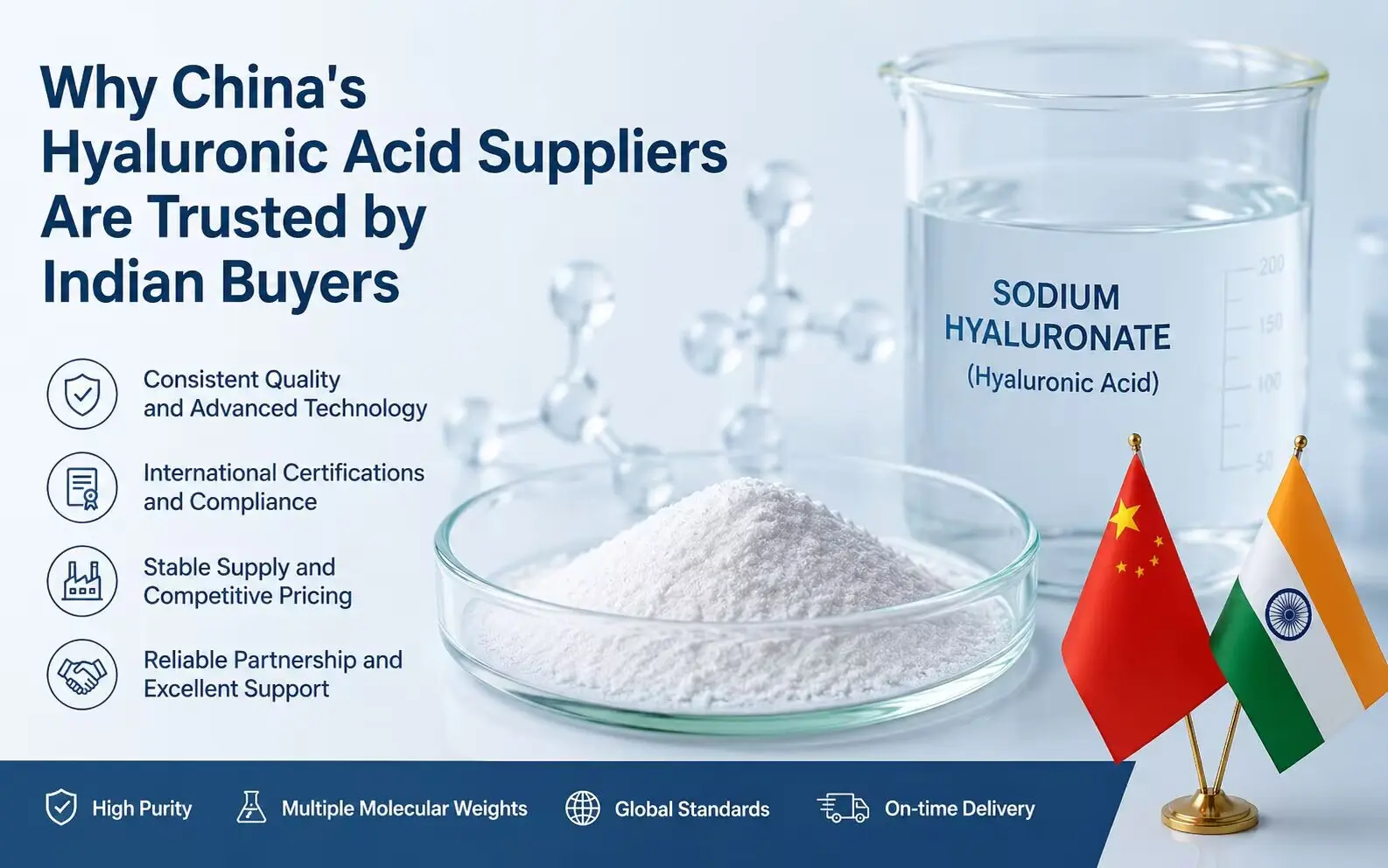
Analyzing India's rapidly growing cosmetic and pharmaceutical sectors, and how Chinese bio-fermented raw materials meet the country's cost-efficiency and quality requirements.
Read Article →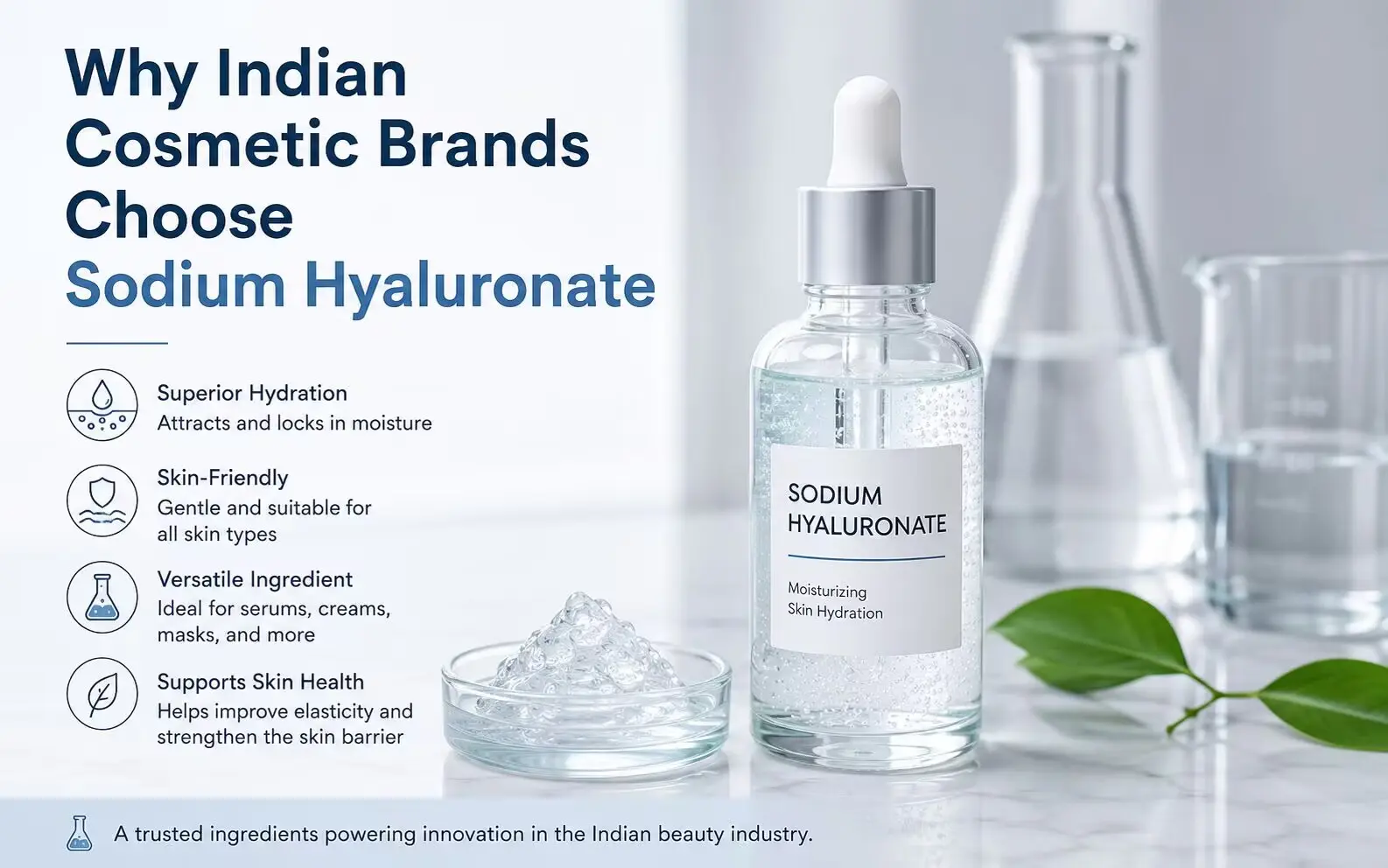
An in-depth look at changing consumer choices in India, focusing on the shift from basic moisturizing agents to functional, clinically-proven active ingredients like Sodium Hyaluronate.
Read Article →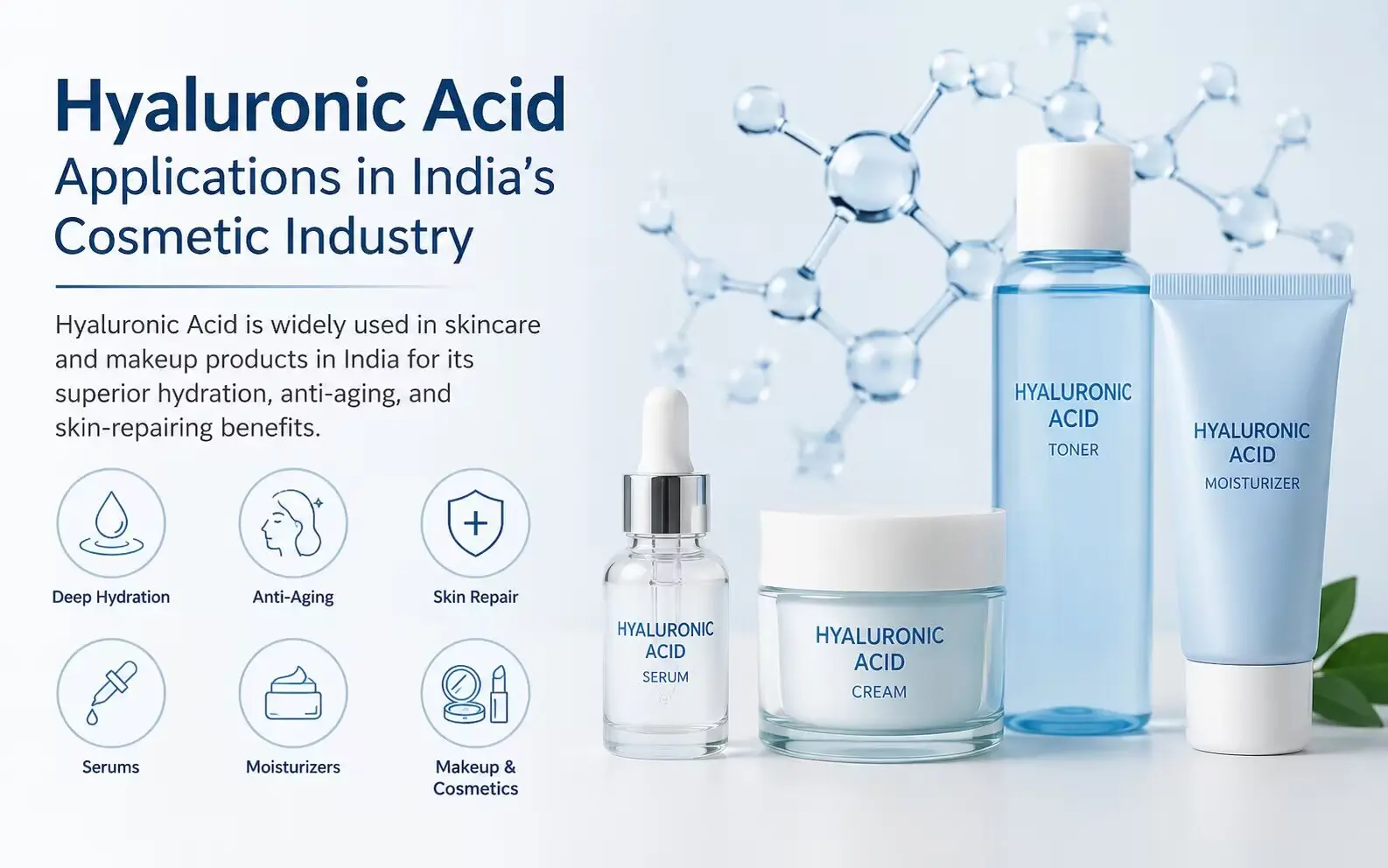
Examining formulation patterns, compatibility with active botanicals, and regulatory guidelines for imported Sodium Hyaluronate in Indian cosmetics.
Read Article →From specialized oral nutraceutical raw powders to non-animal injection-grade solutions, we provide certified ingredients with clear batch transparency.
Get technical answers regarding the composition, stability, safety certifications, and applications of our raw materials.
The primary differences lie in the purity standards, safety parameters, and regulatory control. Cosmetic-grade HA focuses on sensory feel, stability, and transdermal hydration. Pharmaceutical-grade HA requires extremely low endotoxin levels (< 0.05 IU/mg), strict microbiological sterility, precise molecular weight profiling, and complete validation dossiers (such as CEP or DMF) for clinical drug delivery and medical devices.
All of our hyaluronic acid and sodium hyaluronate raw materials are produced through microbial fermentation. We use specific bacterial strains, such as Streptococcus zooepidemicus, grown in vegetable-sourced media. This eliminates the risk of animal viral contamination or BSE/TSE transmissible proteins, aligning with vegan, Cosmos, and organic ingredient standards.
Yes, we provide customizable molecular weight configurations. Our technical team can supply specific profiles ranging from oligomers (<10 kDa) for deep skin penetration to high molecular weights (>2.0 MDa) for high viscosity requirements, ensuring the material meets your rheological parameters.
Scientific studies show that ingested oral hyaluronic acid is degraded into oligosaccharides by intestinal microflora. These fragments are absorbed in the small intestine and transported via the lymphatic system to the skin and joints, where they trigger the synthesis of endogenous hyaluronic acid and support tissue hydration.
Our standard packaging consists of 1kg aluminum foil bags or 25kg drums. Hyaluronic acid is highly hygroscopic; therefore, raw materials must be stored in tightly sealed containers in dry, cool conditions (between 2°C to 10°C for medical grades, and under 25°C for cosmetic/food grades) to prevent moisture uptake and molecular weight degradation.
Our raw materials are exported to scientific laboratories, cosmetic manufacturers, and pharmaceutical companies in over 20 countries.