
Direct supply options for specialized clinical and ophthalmic grade Sodium Hyaluronate formulations.
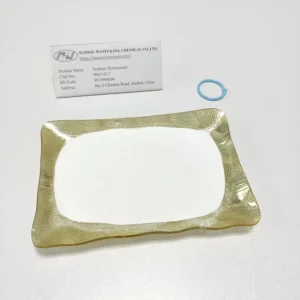
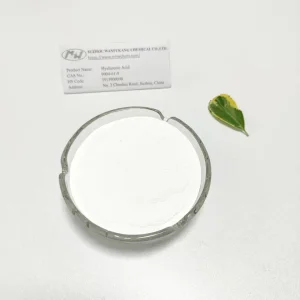
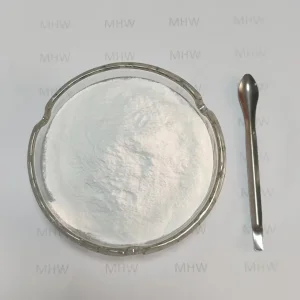
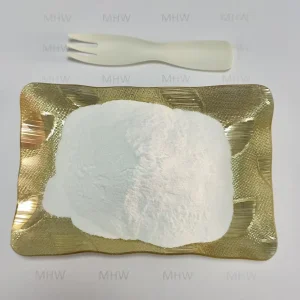
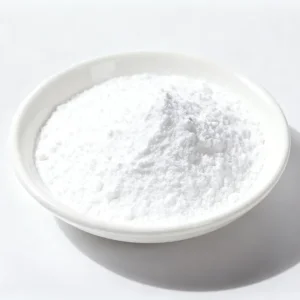
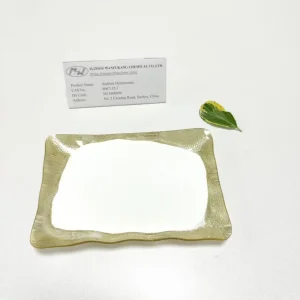
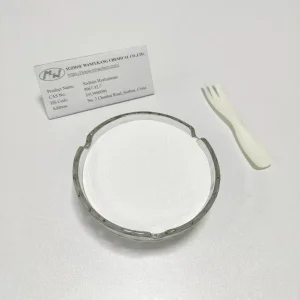
In modern dermatological and cosmetic science, the synthesis of hydrophilic and lipophilic active ingredients marks a major milestone. Hyaluronic Acid (HA), a natural glycosaminoglycan with unmatched humectant properties, and Salicylic Acid (SA), a powerful lipophilic beta-hydroxy acid, form a highly effective synergistic duo. While Salicylic Acid penetrates oil-filled pores to dissolve sebum and dead skin cells, Hyaluronic Acid floods the cellular matrix with essential moisture, preventing the trans-epidermal water loss (TEWL) and irritation typically associated with chemical exfoliants.
"Integrating varying molecular weights of Sodium Hyaluronate with bio-available Salicylic Acid allows formulators to create high-efficacy anti-acne, anti-aging, and skin-resurfacing treatments that support skin barrier integrity."
From a formulation perspective, procuring raw materials of the highest purity is critical to ensuring product stability. Salicylic Acid works by breaking the desmosomal bonds between corneocytes, facilitating safe exfoliation. However, this peeling action can temporarily compromise the lipid barrier. By introducing low-molecular-weight Sodium Hyaluronate, which penetrates deep into the epidermis, and high-molecular-weight Hyaluronic Acid, which forms a breathable protective barrier on the skin's surface, formulators can design products that deliver dramatic results without drying the skin.
Utilizing high, medium, and low molecular weights (including Oligo-HA) to hydrate skin across multiple epidermal layers.
Lipophilic Salicylic Acid breaks down sebum plugs, clears acne-causing bacteria, and reduces active inflammation.
Combats dryness and redness, ensuring high consumer satisfaction and adherence to clinical skin routines.
As an established leader in the development and export of cosmetic, food, and pharmaceutical ingredients, Suzhou Wanfukang Chemical Co., Ltd (WFK Chem) supplies high-purity Sodium Hyaluronate and active ingredients globally.
With a focus on biotechnology and green fermentation chemistry, we supply food, cosmetic, and pharmaceutical grades of Sodium Hyaluronate. Over the years, our product line has expanded to include active cosmetic ingredients, health food raw materials, and pharmaceutical-grade ingredients. Our materials are widely used in anti-aging skincare, joint health supplements, and medical devices.



To ensure reliability for our global B2B clients, our production processes align with international quality standards. Every batch of cosmetic-grade, food-grade, and pharmaceutical-grade Sodium Hyaluronate undergoes rigorous laboratory testing, including HPLC assays, heavy metal limit tests, and microbiological screenings.
China has established itself as a leading global supplier of Sodium Hyaluronate and organic cosmetic acids, driven by massive investments in bio-fermentation technology. Utilizing advanced microbial fermentation processes, Chinese manufacturers produce non-animal-derived Hyaluronic Acid with high purity and batch-to-batch stability. This large-scale infrastructure allows us to offer competitive pricing while maintaining compliance with stringent international quality standards.
The concentration of raw material manufacturing hubs in China provides significant supply chain advantages. Industrial clusters bring together raw material sourcing, fermentation plants, energy-efficient operations, and global logistics networks in close proximity. This vertical integration helps offset macro-inflationary pressures, ensuring stable pricing and predictable supply chains for international buyers.
Exporting to highly regulated markets like Europe, North America, and Japan requires compliance with global pharmacopoeias. Leading Chinese manufacturers operate GMP-compliant facilities with ISO 9001 and ISO 22000 certifications, and support registrations for CEP (Certificate of Suitability to the Monographs of the European Pharmacopoeia) and US FDA Drug Master Files (DMF). This regulatory readiness ensures smooth import clearance and seamless integration into global pharmaceutical and cosmetic supply chains.
A comprehensive range of bio-active ingredients designed for professional skincare, health food supplements, and pharmaceuticals.
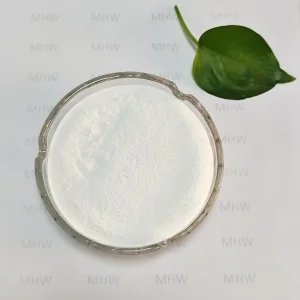
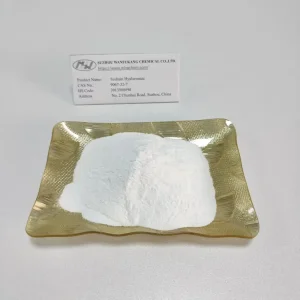
Assay ≥ 98%. Offers intense hydration and supports skin barrier repair. It is a foundational active for anti-aging serums, creams, and essences.
Purity ≥ 99%. An active ingredient that helps even skin tone, regulate sebum production, and work synergistically with Salicylic Acid to refine pores.
A bio-active compound that helps reduce hyperpigmentation and dark spots, supporting a brighter and more even complexion.
A oil-soluble antioxidant that protects cells from oxidative stress and helps maintain cardiovascular and cellular health.
Assay ≥ 99%. A widely used, natural preservative and pH regulator for clean-label food, beverage, and personal care products.
Supports cellular turnover, skin regeneration, and vision health. A key raw material for both nutraceutical and cosmetic industries.
A glycosaminoglycan derived from secure supply chains, optimized for formulation in joint support supplements.
Purity ≥ 99% (Ascorbic Acid). Provides antioxidant protection, supports collagen synthesis, and acts as a stabilizer in food and cosmetics.
Clean beauty, ingredient transparency, and ethical sourcing have transitioned from niche demands to global market requirements. Modern consumers actively avoid animal-derived materials, driving cosmetic and supplement brands to source non-animal-derived raw materials. Our microbial fermentation process meets this demand, yielding high-purity, bio-compatible Sodium Hyaluronate without the regulatory and safety concerns of animal sourcing.
Formulators are moving away from single-ingredient formulas in favor of complex active matrices. Combining exfoliating acids with restorative humectants is a major trend in professional skincare. In acne-prone and oily skin care, pairing Salicylic Acid (which exfoliates and clears pores) with Hyaluronic Acid (which hydrates and repairs the skin barrier) provides a balanced solution that reduces irritation and improves results.
The "beauty from within" movement has driven rapid growth in oral-grade Hyaluronic Acid. Once used primarily in topical skincare, high-purity oral-grade HA is now widely formulated into dietary supplements, functional foods, and beauty drinks to support joint lubrication and skin hydration from the inside out.
"Integrating oral-grade Sodium Hyaluronate with complementary functional actives like Chondroitin Sulfate and Vitamin C allows manufacturers to target the growing demand for joint and skin health supplements."
Insights into the global trade dynamics, procurement trends, and local market applications for Sodium Hyaluronate.
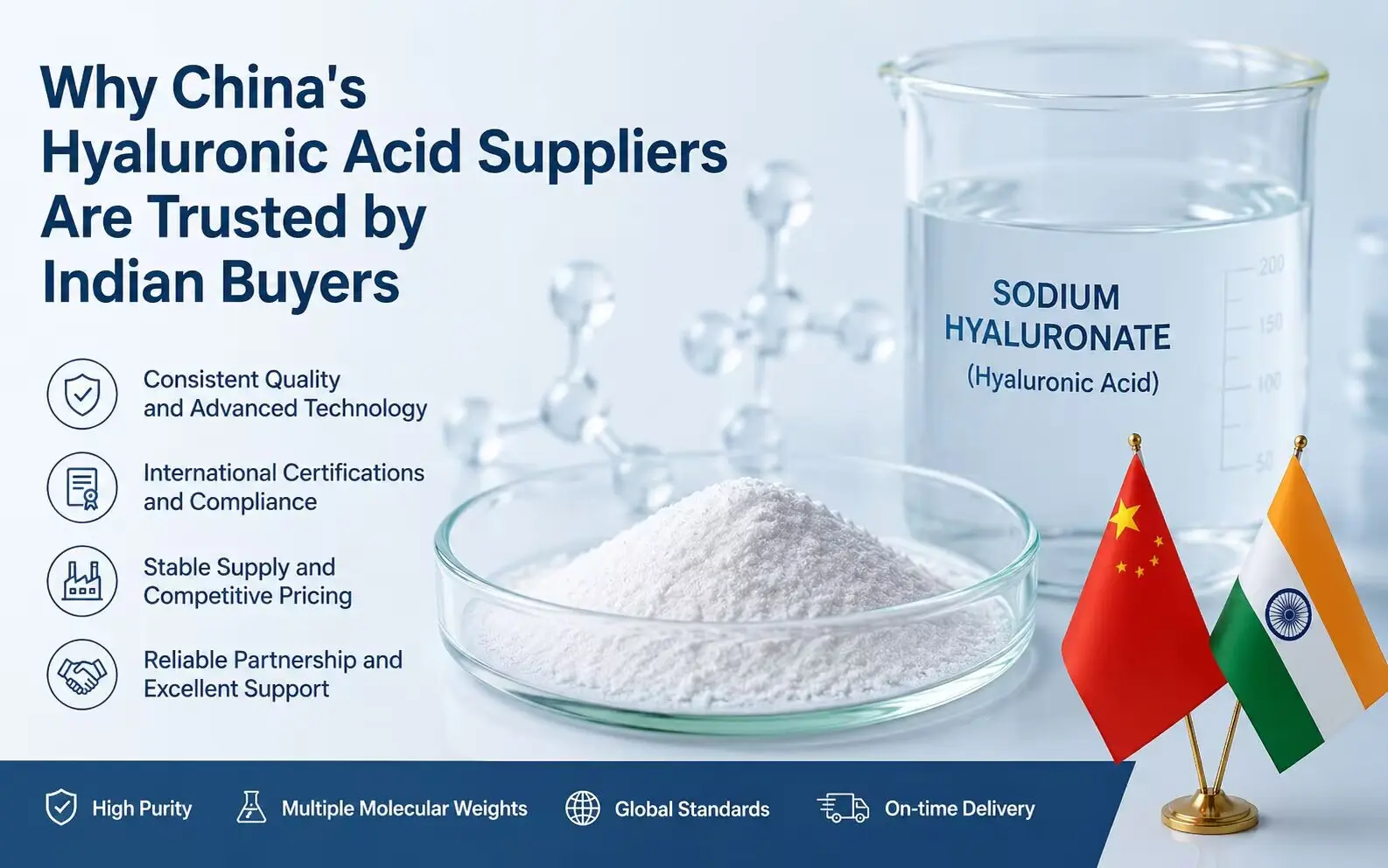
Driven by the steady growth of India's cosmetic, pharmaceutical, and health supplement sectors, the demand for high-quality Sodium Hyaluronate continues to rise. This analysis explores how Chinese manufacturers deliver the high purity, regulatory documentation, and competitive pricing required by Indian brands.
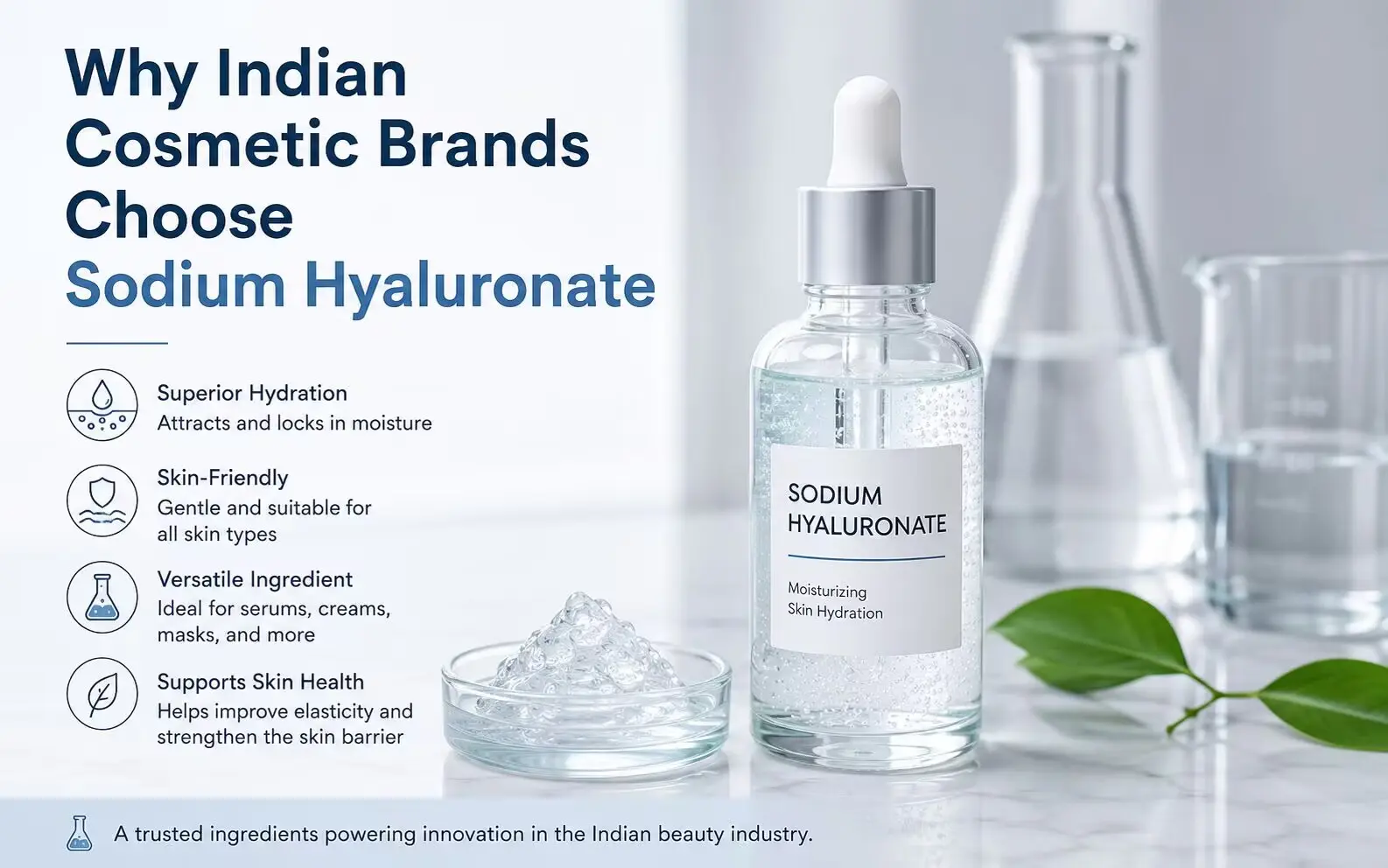
As the Indian beauty and personal care market matures, consumers are increasingly seeking effective, clinical-grade formulations. This shift has led major Indian brands to utilize Sodium Hyaluronate in diverse applications, from hydrating serums and moisturizers to sunscreens and makeup.
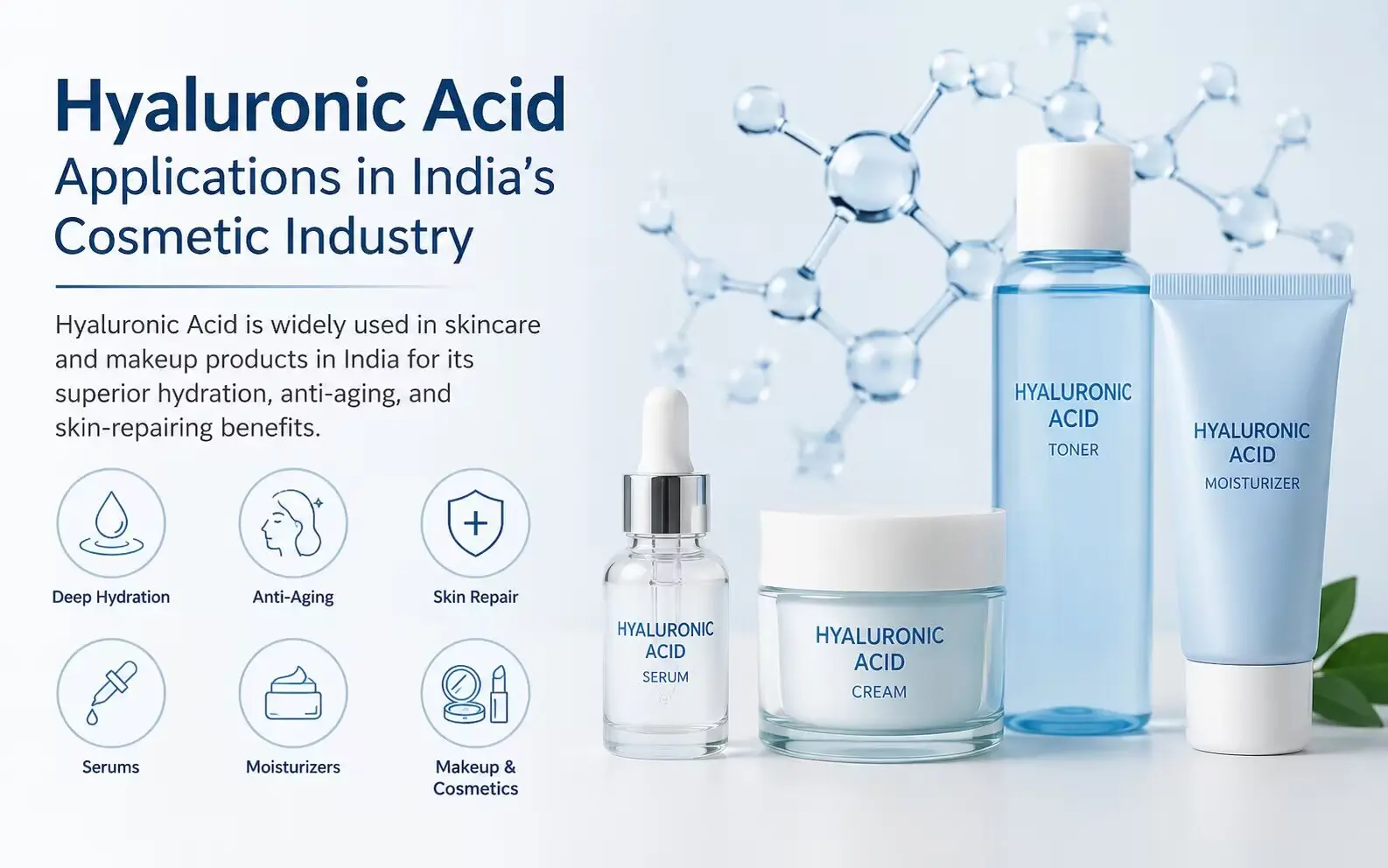
A detailed review of how hyaluronic acid (HA) has become a staple in India's cosmetic formulation sector. We examine the specific molecular weights favored for hot, humid climates, and how brands balance performance and stability under local storage conditions.

Premium low-molecular-weight powders, non-animal-derived solutions, and clinical injection-grade raw materials.
Expert answers to technical and regulatory questions about sourcing and formulating with active ingredients.